
Saint Stephen — History & Facts
Could beauty survive in a century of chaos? The question lingers in the air as one gazes upon this striking depiction of Saint Stephen, a martyr bathed in an ethereal glow, awakening to a moment of divine grace. Look to the center of the canvas where the figure stands, his face illuminated by a soft, otherworldly light that contrasts sharply with the dim, shadowy backgrounds. Notice how the artist’s delicate brushwork captures the subtle textures of his robes, each fold cascading like a whisper of silk. The rich, warm hues of gold and red envelop him, inviting a sense of solace even amid turmoil, while the stark darkness surrounding him amplifies the luminosity of his presence. Delve deeper, and you’ll find layers of meaning woven into the composition.
The quiet yet profound expression on Saint Stephen’s face speaks to unwavering faith in the face of adversity, hinting at an inner strength that defies the chaos of the surrounding world. The juxtaposition of light and dark not only portrays his divinity but also serves as a poignant reminder of the struggle between hope and despair that defined an era ravaged by conflict and persecution. The artwork originated between 1600 and 1650, a period marked by religious upheaval and societal strife throughout Europe. The anonymity of the artist speaks to the collective nature of creation during this time, where many worked in the shadow of great masters, yet each piece contributed to a dialogue on faith and beauty amid disruption.
It stands as a testament to the resilience of human spirit, a silent cry for awakening in an age that often silenced it.
More Artworks by Unidentified artist
Browse all →
Self-portrait with a Bandaged Ear and Pipe
Unidentified artist

Feast in the House of Levi
Unidentified artist
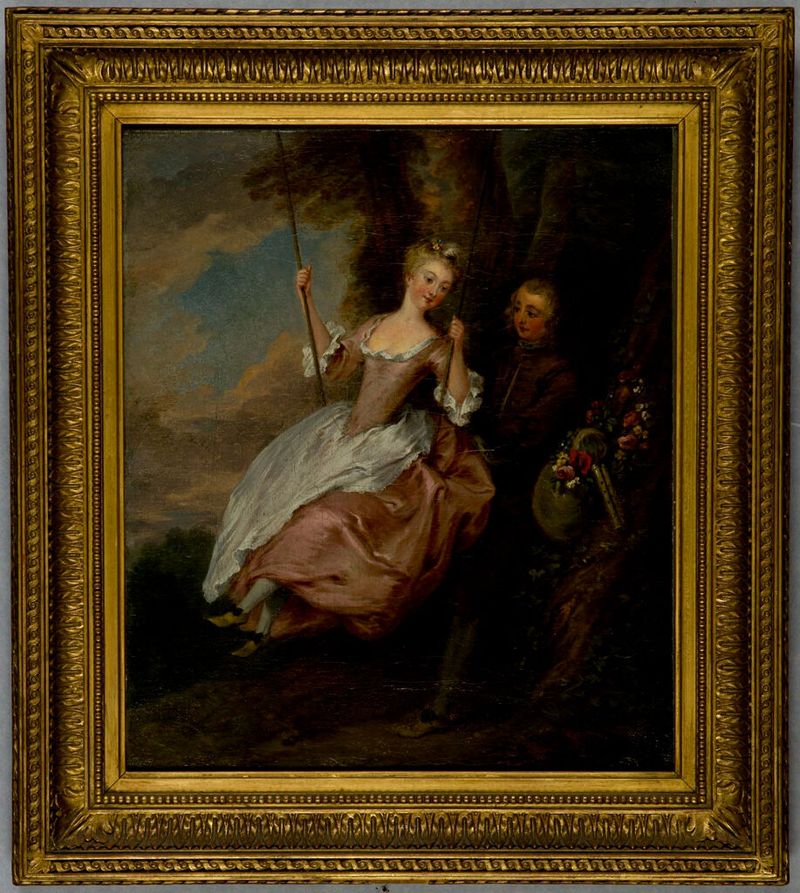
The Swing
Unidentified artist

Geoffrey Chaucer (1340?-1400)
Unidentified artist

Portrait of Michelangelo after the "Strozzi" original in the Uffizi Gallery
Unidentified artist
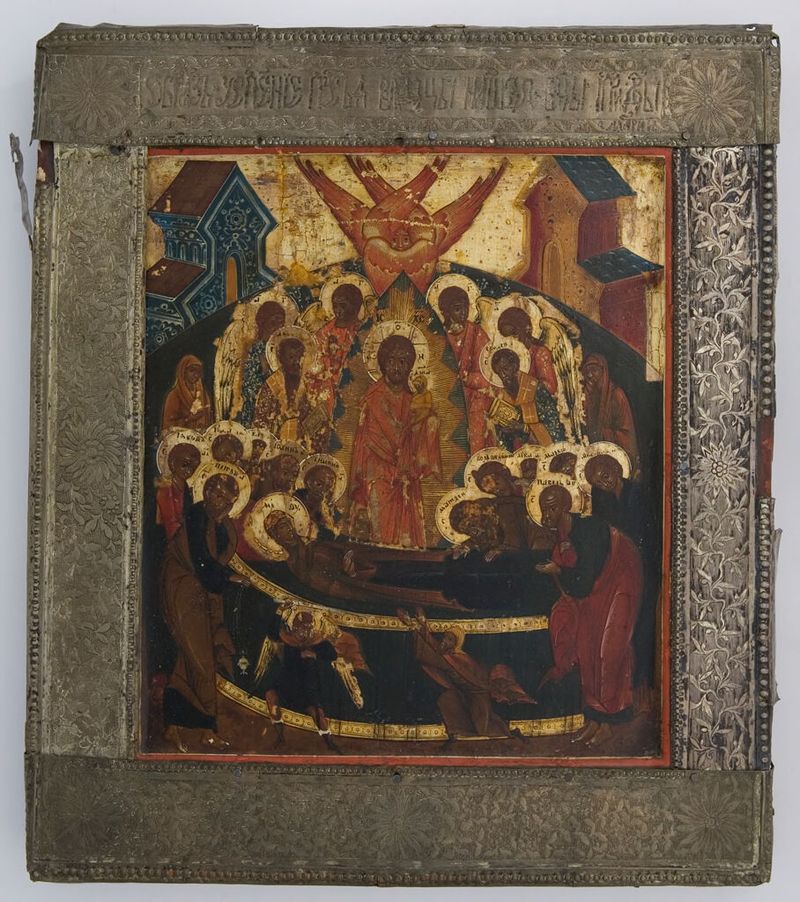
Dormition of the Virgin
Unidentified artist

Charles I (after a van Dyck painting in the Staatliche Museen, Gemaldegalerie, Dresden)
Unidentified artist

Madonna and Child
Unidentified artist

John Winthrop, the Younger (1606-1676)
Unidentified artist

Crucifix with the Virgin and Saint John the Evangelist, Christ the Redeemer, and a Praying Woman
Unidentified artist
More Religious Art
Browse all →
The Return of the Prodigal Son
Rembrandt van Rijn

The Garden of Earthly Delights
El Bosco

Count Orgaz’ funeral
El Greco

The Hundred Guilder Print: the central piece with Christ preaching, the plate arched
Rembrandt van Rijn

The Descent from the Cross
Rogier van der Weyden

The return of the prodigal son
Rembrandt van Rijn