
Salisbury cathedral from a field above Wilton — History & Facts
What if beauty was never meant to be finished? In the embrace of nature, a fleeting moment unfolds, where dreams mingle with reality, tethered to the earth yet reaching for the infinite sky. Look to the foreground, where a gentle field of softly swaying grass draws your gaze. The lush greens blend seamlessly into the rich blues of the sky, punctuated by the delicate whites of cumulus clouds drifting lazily above. Notice how the light caresses the cathedral’s spires, casting intricate shadows and illuminating the stonework with a warm glow.
The composition, with its sweeping perspective, invites you to wander through the landscape, evoking a sense of serenity and introspection. Hidden within this pastoral scene are layers of emotional tension; the cathedral stands as a symbol of faith and endurance, its towering presence juxtaposed against the natural world that surrounds it. This contrasts the permanence of human achievement with the ephemeral beauty of nature, suggesting a dialogue between manmade structures and the undulating rhythms of the earth. The calmness of the field, paired with the majestic architecture, raises questions about the interplay of dreams and reality. In 1935, Wilfrid Gabriel de Glehn painted this piece while residing in England, a time when artistic movements were shifting and evolving.
The interwar period saw a resurgence in landscape painting, prompting artists like him to embrace impressionistic techniques that celebrated the beauty of the natural world. De Glehn’s work reflects not only his personal aesthetic but also the broader cultural desire for connection with nature amidst the rapidly changing world.
More Artworks by Wilfrid Gabriel de Glehn
Browse all →
The Avon, near Great Dunsford
Wilfrid Gabriel de Glehn

Wash day
Wilfrid Gabriel de Glehn

The Palladian Bridge, Wilton House
Wilfrid Gabriel de Glehn
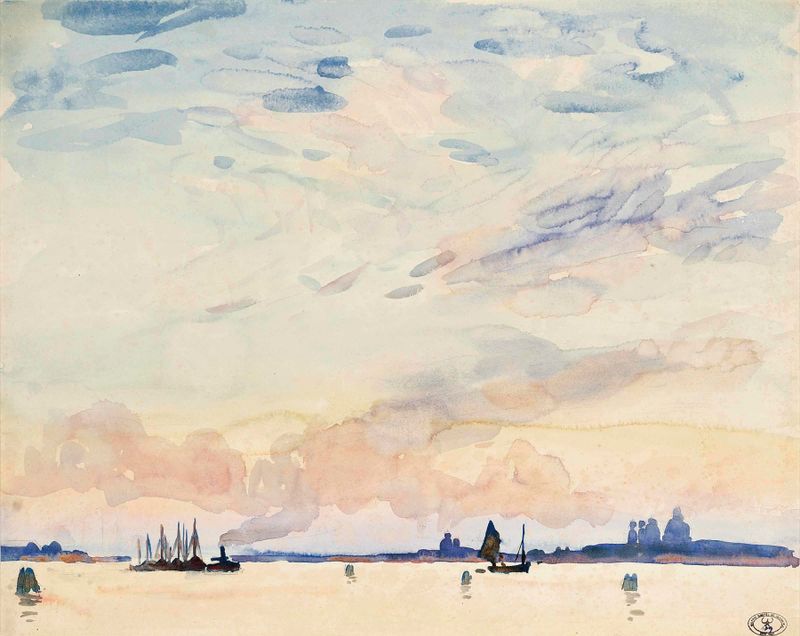
The lagoon, Venice
Wilfrid Gabriel de Glehn

A light breeze, Biôt, Provence
Wilfrid Gabriel de Glehn
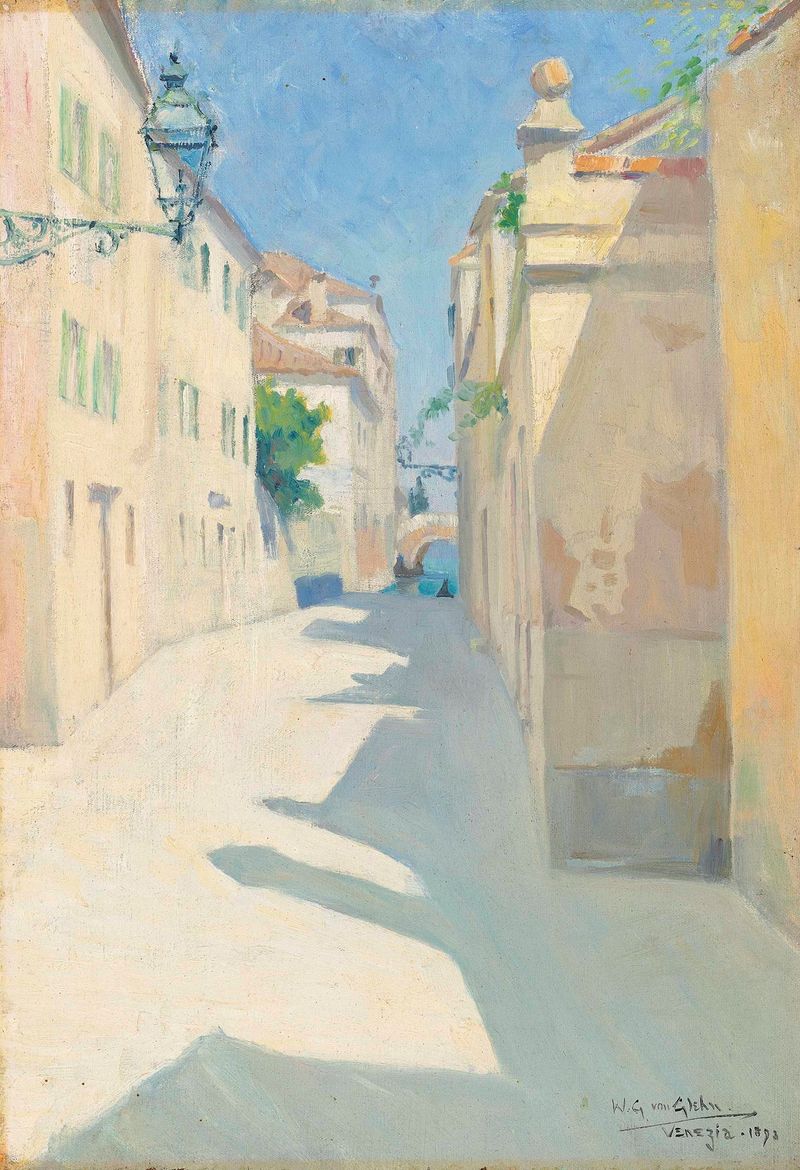
Une ruelle à Venise
Wilfrid Gabriel de Glehn
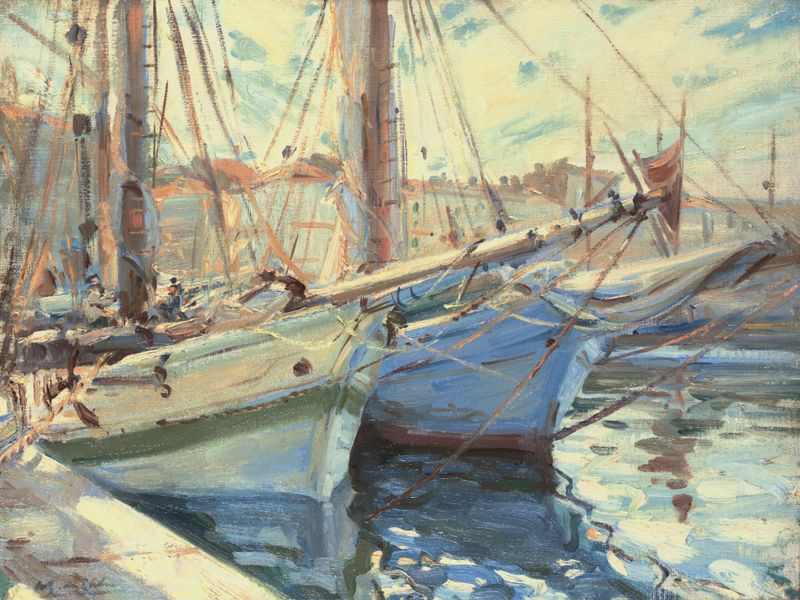
Boats in a harbour, St Tropez
Wilfrid Gabriel de Glehn
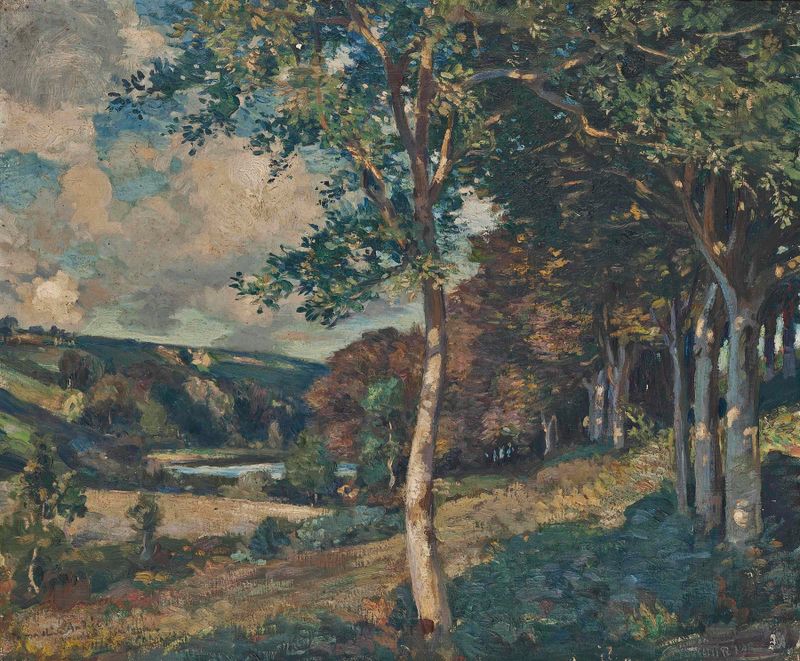
Bretagne, France
Wilfrid Gabriel de Glehn





