
Une ruelle à Venise — History & Facts
In this tranquil moment, reflection intertwines with the ripples of life, inviting us to ponder what lies beneath the surface. Look to the left at the shimmering water, where the reflections cradle the weathered facades of the Venetian buildings. The light dances upon the surface, creating an almost ethereal glow that beckons the viewer to explore the depths of the scene. Notice how the narrow alleyway draws the eye deeper into the composition, leading to a subtle interplay between shadow and light, which reveals the artist's mastery in capturing the essence of this serene locale. As you observe, consider the contrasts at play: the stillness of the water against the potential bustle of daily life in Venice, and the rich, warm colors juxtaposed with the cool blues and greens of the canal.
Each detail—the weathered bricks, the gentle sway of a small boat—holds a story, echoing the lives of those who have walked these paths before. The work becomes a portal, connecting us to the emotional weight of memories and reflections that linger in the air. In 1893, the artist painted this scene during a period of introspection and travel, capturing the beauty of Venice amidst a world rapidly modernizing. Living in London, he sought inspiration from the city’s romantic allure and its artistic legacy, showcasing his impressionistic style while also engaging with the themes of tranquility and reflection that defined this era in art.
More Artworks by Wilfrid Gabriel de Glehn
Browse all →
The Avon, near Great Dunsford
Wilfrid Gabriel de Glehn
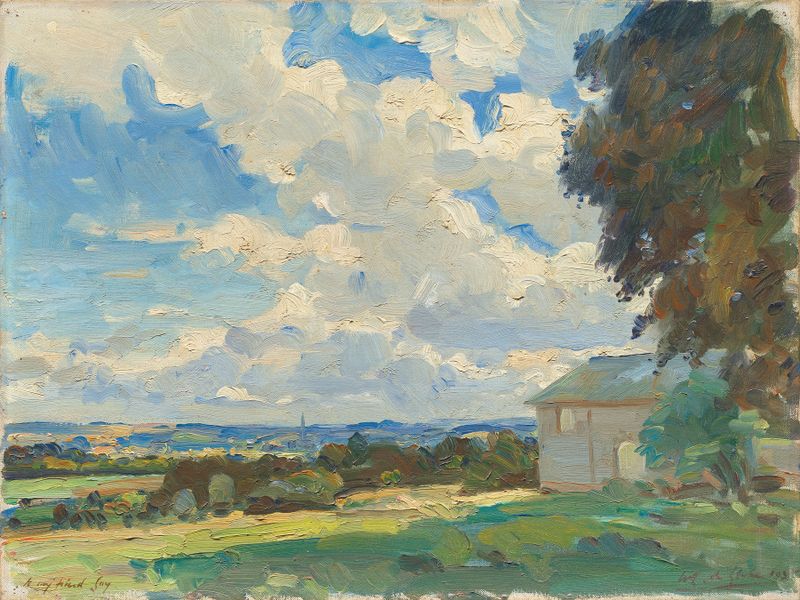
Salisbury cathedral from a field above Wilton
Wilfrid Gabriel de Glehn

Wash day
Wilfrid Gabriel de Glehn

The Palladian Bridge, Wilton House
Wilfrid Gabriel de Glehn
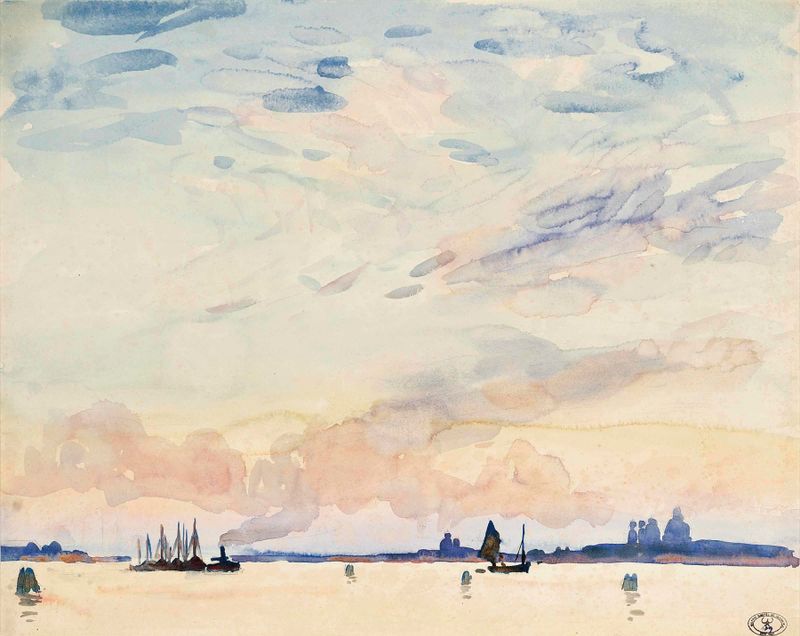
The lagoon, Venice
Wilfrid Gabriel de Glehn

A light breeze, Biôt, Provence
Wilfrid Gabriel de Glehn
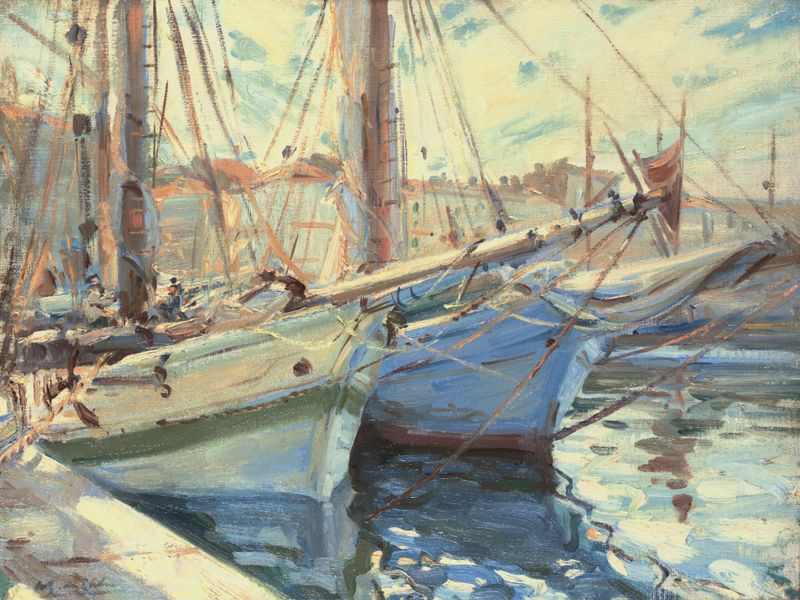
Boats in a harbour, St Tropez
Wilfrid Gabriel de Glehn
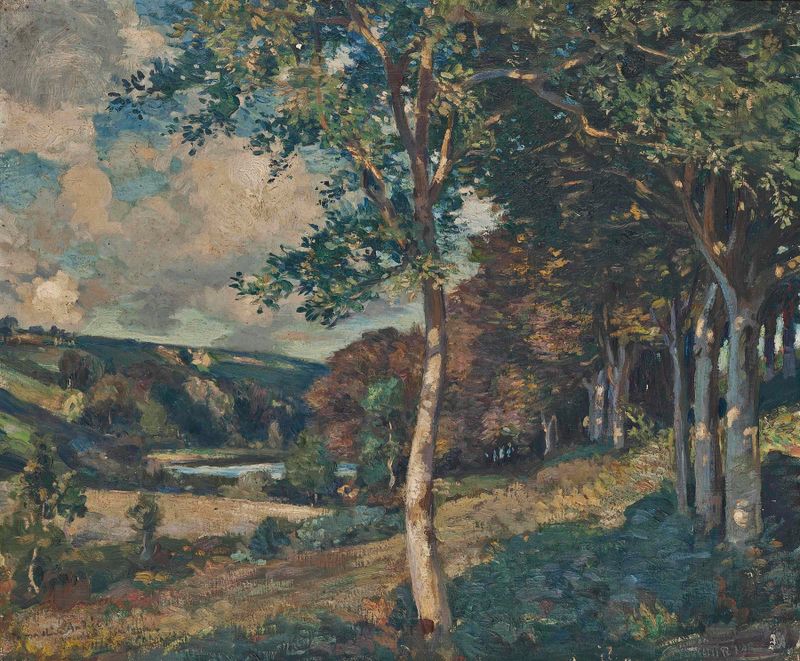
Bretagne, France
Wilfrid Gabriel de Glehn





