
Wash day — History & Facts
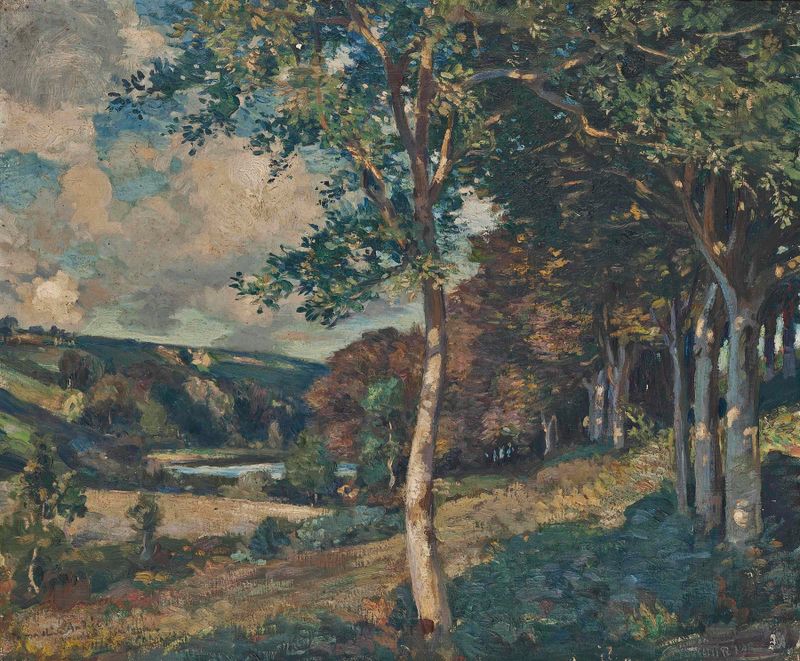
What if silence could speak through light? In Wash Day, an atmosphere of quiet trepidation shrouds a seemingly mundane task, inviting viewers to interrogate the unspoken narratives cradled within the fibers of the scene. Look to the left at the women draped in soft fabrics, their hands methodically dipping into a basin of water. Notice how the light filters through the trees, casting a dappled halo around them, illuminating the whites and blues of their garments. The composition cleverly balances warmth with lingering shadows, creating a tension that suggests deeper emotional currents beneath the surface of daily life. Yet, beneath the tranquility lies a palpable sense of fear.
The meticulous washing seemingly masks the anxiety of their reality, as the process may be less about cleanliness and more about survival. Each rippling wave in the water reverberates the uncertainties of their world, where domesticity and dread coexist. The contrasts between light and shadow not only highlight the physical act of washing but also the psychological weight that clings to routine. In 1923, Wilfrid Gabriel de Glehn was immersed in the burgeoning waves of modernism, creating this piece in England during a time of social change.
The post-World War I period was marked by uncertainty, and artists were exploring new perspectives on everyday life. This painting reflects both the intimate moments of women's work and the larger, unexpressed fears of a society in flux, capturing the essence of an era that reshaped artistic expression.
More Artworks by Wilfrid Gabriel de Glehn
Browse all →
The Avon, near Great Dunsford
Wilfrid Gabriel de Glehn
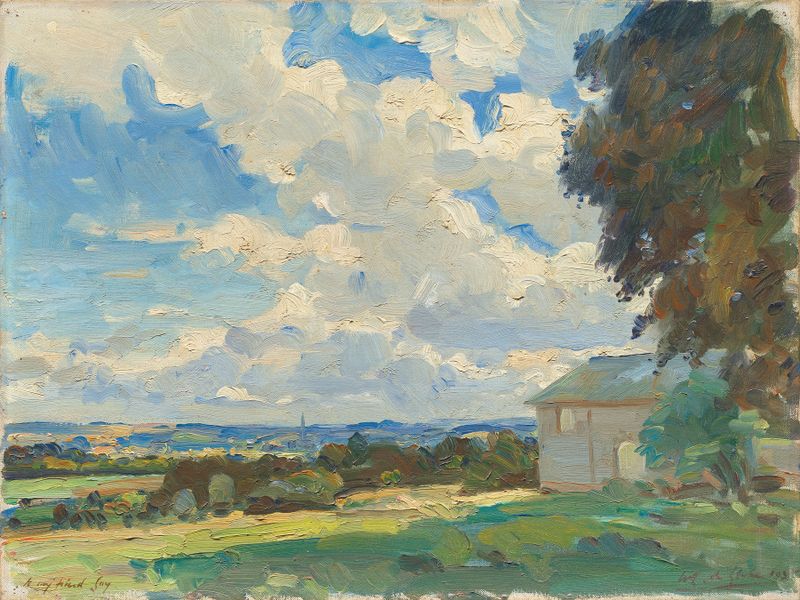
Salisbury cathedral from a field above Wilton
Wilfrid Gabriel de Glehn

The Palladian Bridge, Wilton House
Wilfrid Gabriel de Glehn
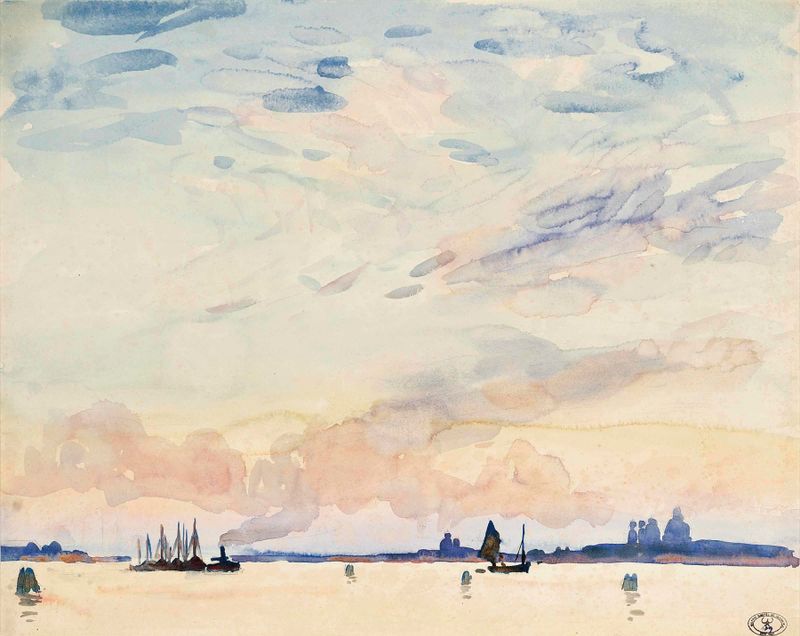
The lagoon, Venice
Wilfrid Gabriel de Glehn

A light breeze, Biôt, Provence
Wilfrid Gabriel de Glehn
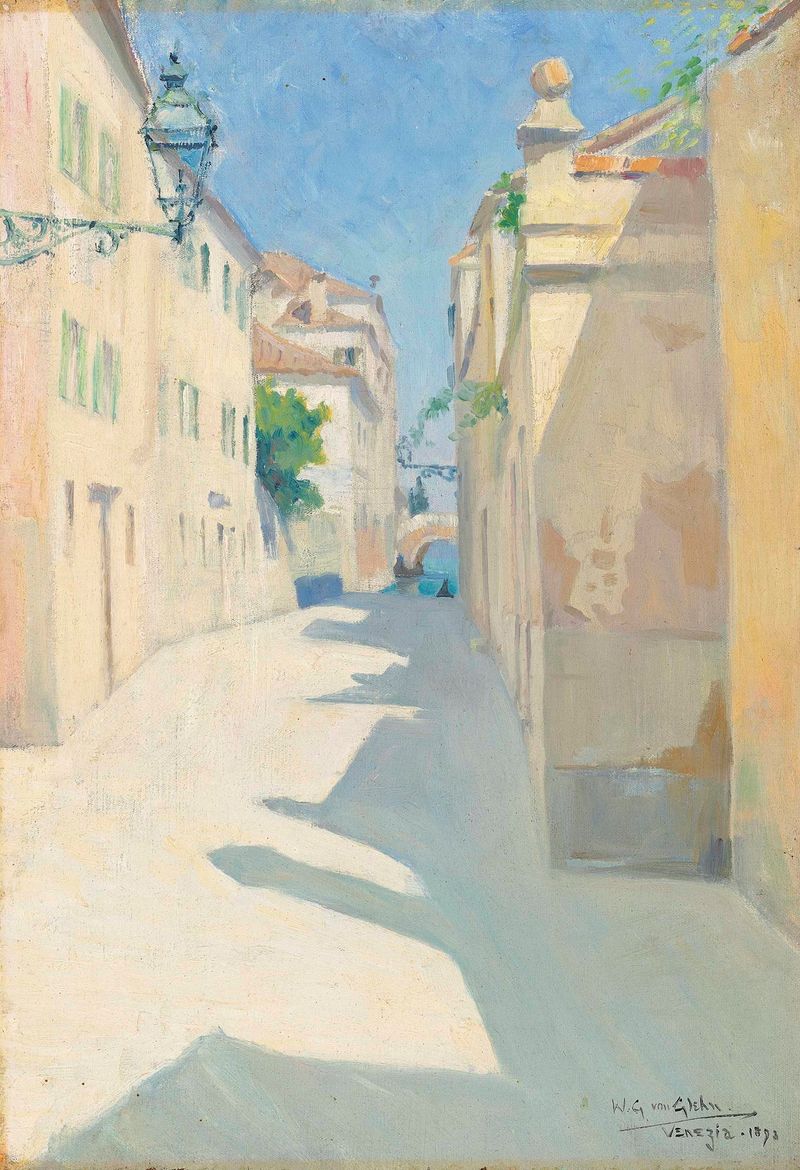
Une ruelle à Venise
Wilfrid Gabriel de Glehn
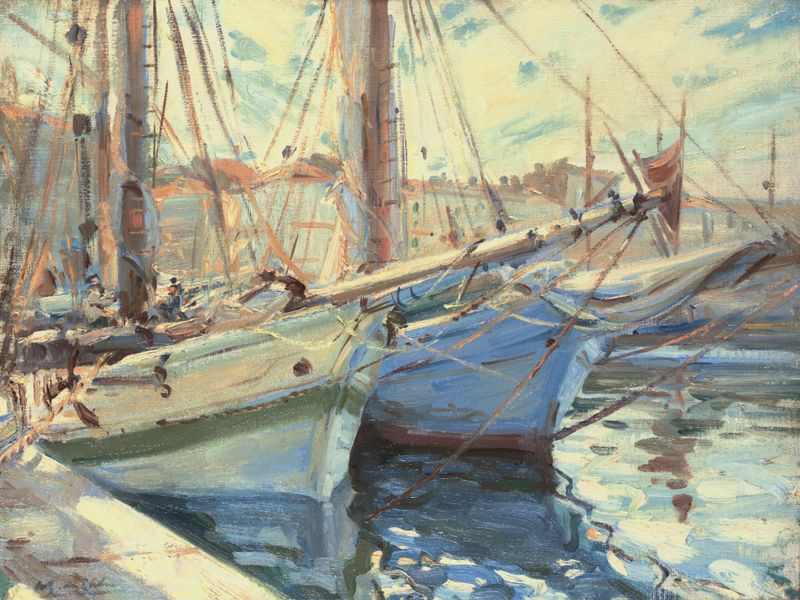
Boats in a harbour, St Tropez
Wilfrid Gabriel de Glehn
Bretagne, France
Wilfrid Gabriel de Glehn





