
Salisbury Plain with Old Sarum in the Distance, Wiltshire — History & Facts
When did color learn to lie? In this mesmerizing landscape, hues whisper secrets of fate and history, beckoning viewers into a world where nature and memory intertwine. Focus on the vivid sky, where a turbulent blend of blues and grays shift from stormy to serene, capturing the ever-changing essence of the English countryside. Look to the horizon, where Old Sarum stands resolutely against the backdrop of rolling hills, its ancient walls echoing the passage of time. The brushstrokes dance across the canvas, creating a tapestry of texture that gives the viewer a sense of depth, inviting one to both explore and reflect upon the weight of the past. Turner contrasts the softness of the land with the starkness of the ruins, evoking a poignant tension between nature’s beauty and the remnants of human endeavor.
The delicate interplay of light across the landscape suggests the transitory nature of existence, while the historic site looms large, serving as a reminder of destinies forged and forgotten. Each brushstroke pulsates with emotion, and the colors become a narrative of longing, echoing the sentiment that landscapes are repositories of our collective stories. Painted between 1810 and 1862, this work emerged during a transformative time for its creator, who was influenced by the Romantic movement that sought to elevate emotion and individual experience above the rational. Working in England, Turner was known for his innovative approaches to color and light, pushing boundaries in a way that reshaped the perception of landscape art.
The socio-political climate of the era, marked by industrialization and social change, infused his canvases with a sense of urgency and reflection on human connections to the environment.
More Artworks by William Turner of Oxford
Browse all →
Shepherd Boy on a Hillside
William Turner of Oxford

Oxford from Hinksey Hill
William Turner of Oxford
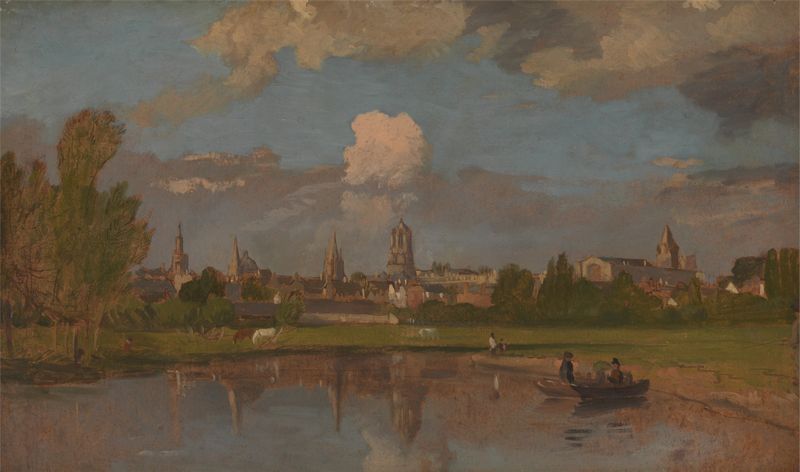
Oxford from the River with Christ Church in the Foreground
William Turner of Oxford
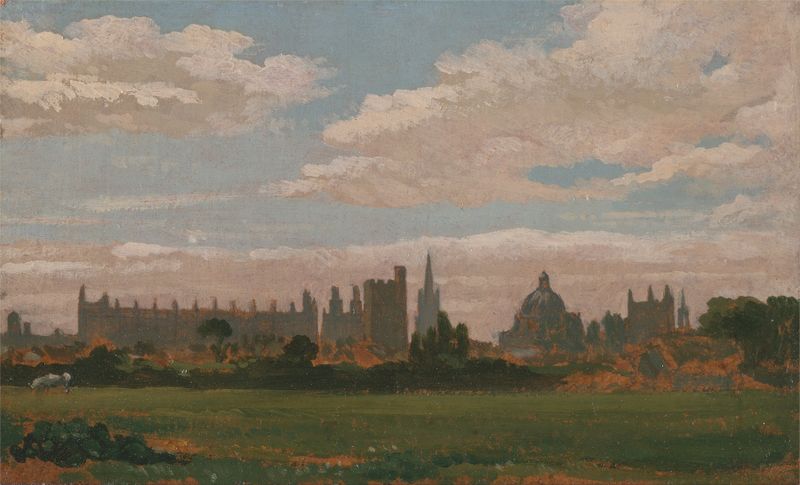
A View of Oxford
William Turner of Oxford

Extensive Landscape with a Pond
William Turner of Oxford
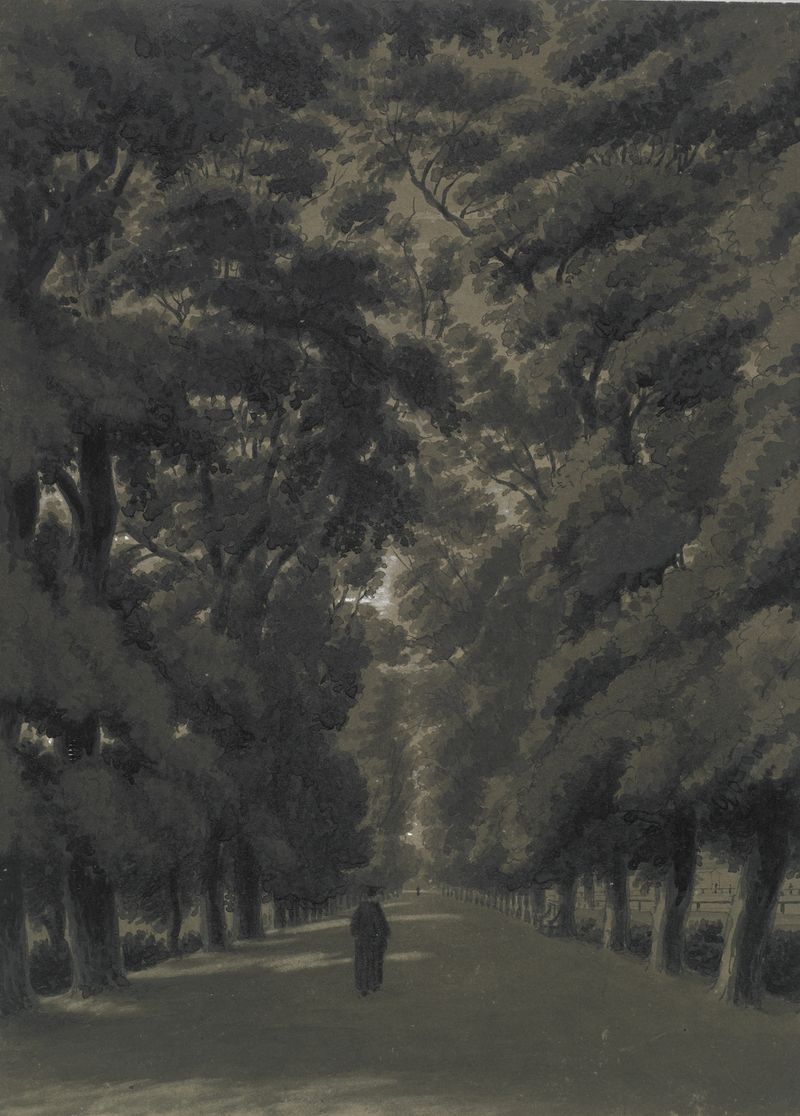
The Broadwalk, Oxford
William Turner of Oxford
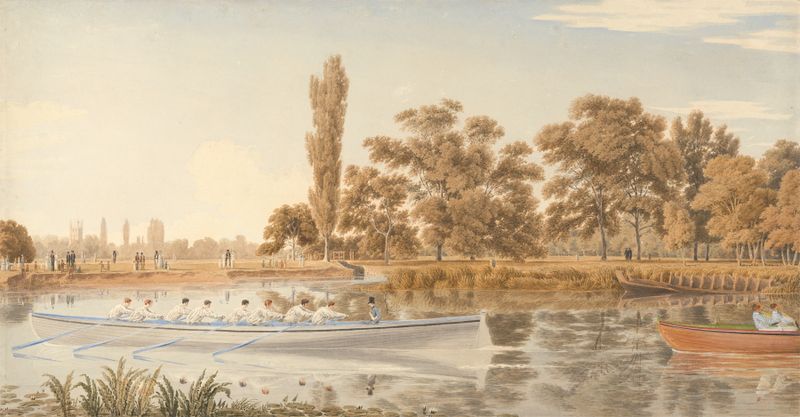
The Exeter College Eight on the Isis, Oxford
William Turner of Oxford

A View from Moel Cynwich; Looking Over the Vale of Afon Mawddach and Toward Cader Idris
William Turner of Oxford
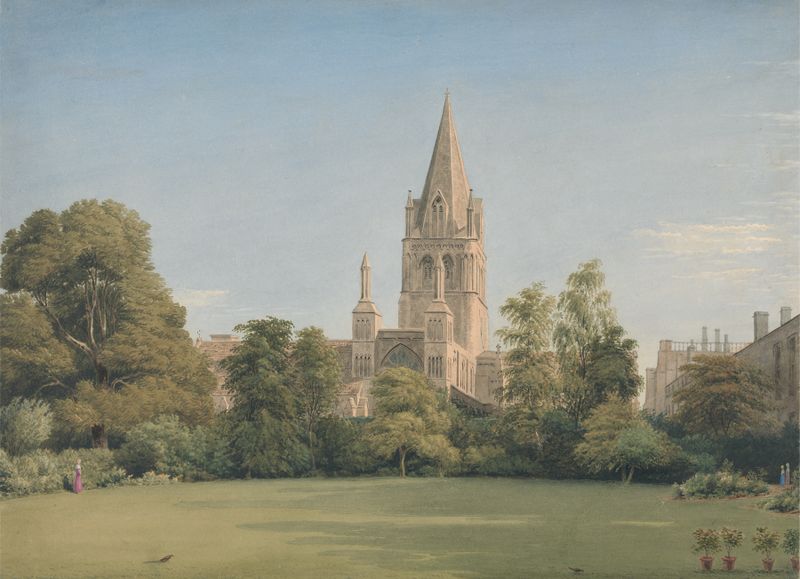
View from the Dean’s Garden, Christ Church, Oxford
William Turner of Oxford
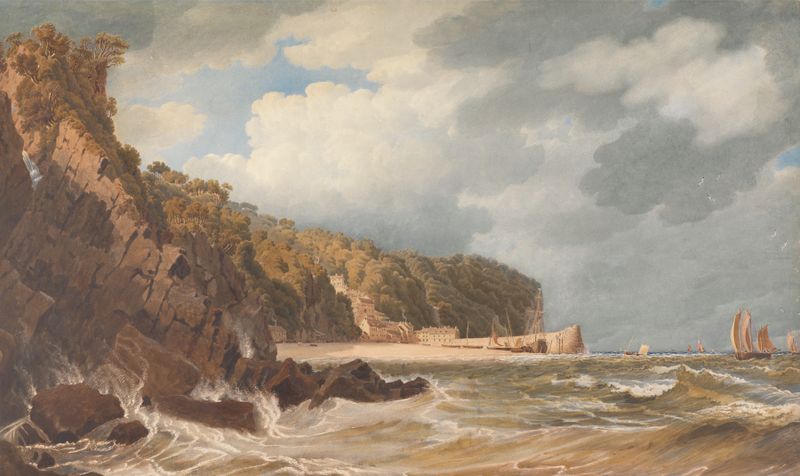
Clovelly, North Devon
William Turner of Oxford





