
The Exeter College Eight on the Isis, Oxford — History & Facts
When did color learn to lie? In the realm of water and sky, hues converge and dance, weaving dreams into the fabric of reality—yet hope still lingers beneath. Look to the center of the canvas, where the river Isis stretches its liquid embrace, shimmering under a soft, golden light. The rowers, mere silhouettes against the radiant backdrop, pull their oars in synchronized harmony, while the gentle ripples mirror their movements. Notice how the interplay of blues and greens breathes life into the scene, each stroke of color meticulously layered to create depth and a sense of tranquil motion, inviting you to linger in this fleeting moment. Yet, amidst this serene tableau, a contrast whispers beneath the surface.
The rowers’ determination stands in stark opposition to the ephemeral beauty of their surroundings, hinting at the struggles and aspirations that drive them forward. The vibrant coloration juxtaposes the muted tones of the sky, creating an underlying tension between hope and the encroaching shadows of doubt. Here lies a richness, where every ripple and stroke of color signifies not just motion but a profound yearning for connection and achievement. In 1824, the artist was immersed in the vibrant academic atmosphere of Oxford, deeply influenced by both the Romantic movement and the burgeoning interest in capturing nature’s light.
This painting reflects a period of exploration and experimentation, where the artist sought to encapsulate a moment that resonated with both personal ambition and collective spirit, amid a backdrop of changing artistic conventions.
More Artworks by William Turner of Oxford
Browse all →
Shepherd Boy on a Hillside
William Turner of Oxford

Oxford from Hinksey Hill
William Turner of Oxford
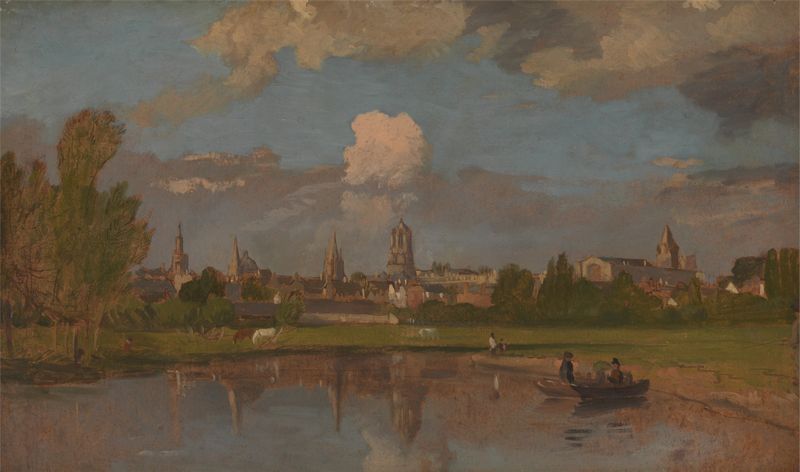
Oxford from the River with Christ Church in the Foreground
William Turner of Oxford
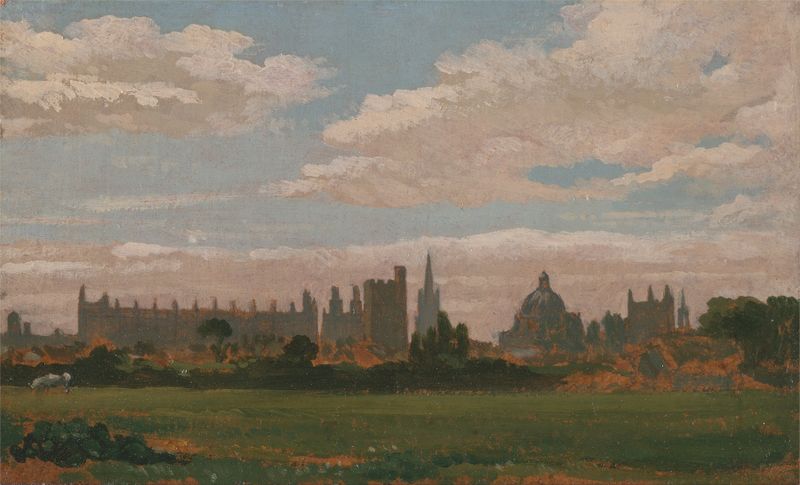
A View of Oxford
William Turner of Oxford

Extensive Landscape with a Pond
William Turner of Oxford
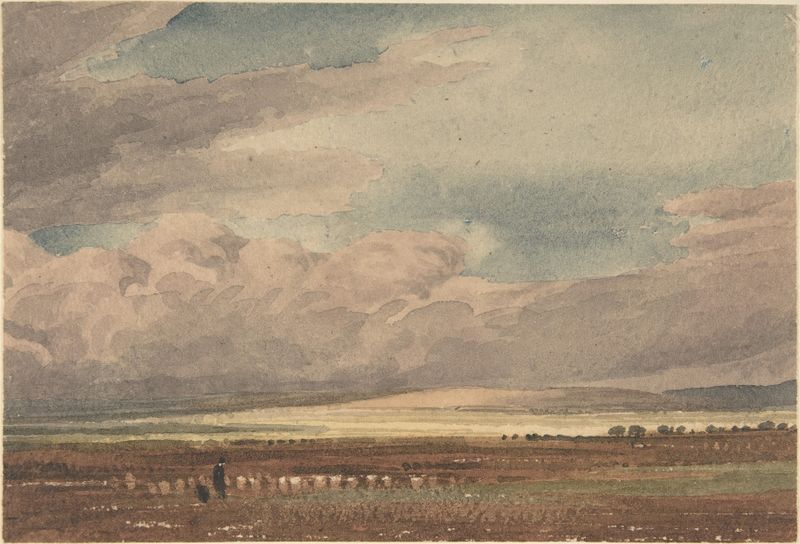
Salisbury Plain with Old Sarum in the Distance, Wiltshire
William Turner of Oxford
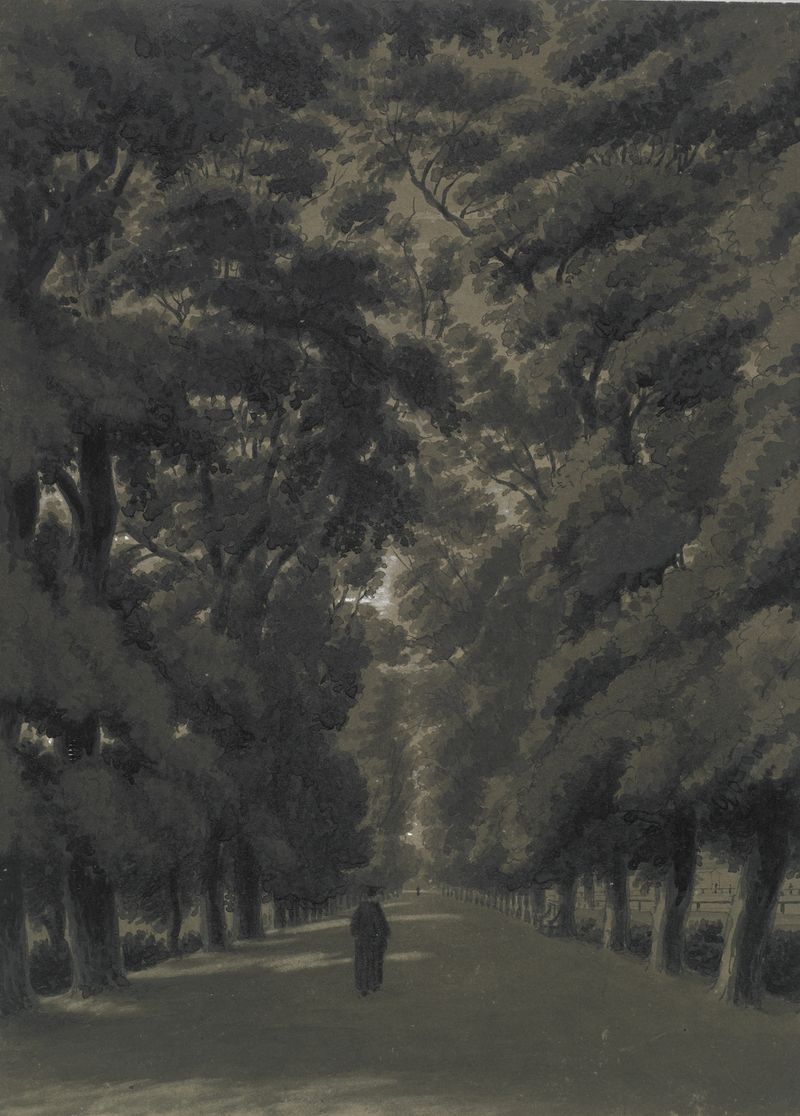
The Broadwalk, Oxford
William Turner of Oxford

A View from Moel Cynwich; Looking Over the Vale of Afon Mawddach and Toward Cader Idris
William Turner of Oxford
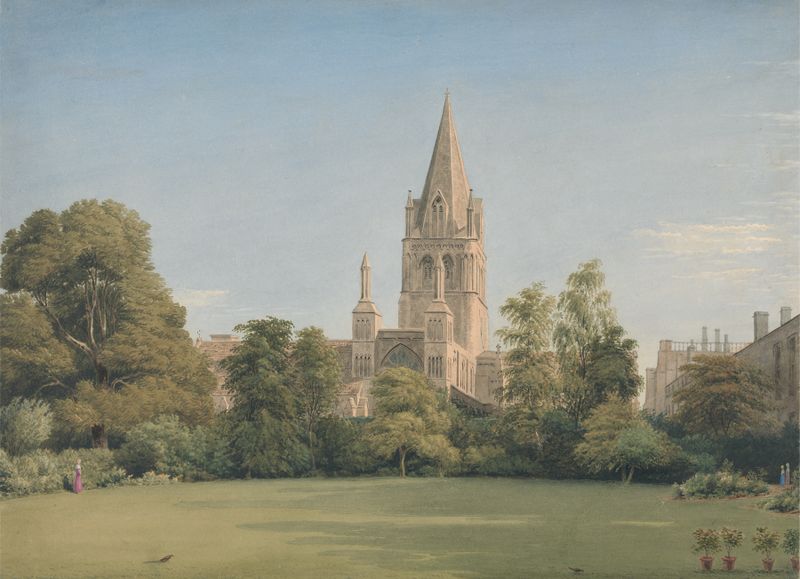
View from the Dean’s Garden, Christ Church, Oxford
William Turner of Oxford
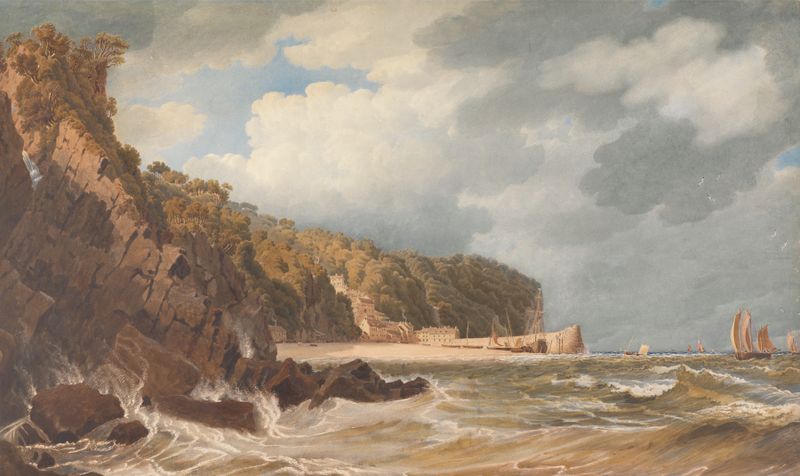
Clovelly, North Devon
William Turner of Oxford





