
Oxford from Hinksey Hill — History & Facts
Can beauty exist without sorrow? In the tender embrace of twilight, the landscape unfolds like a soft whisper, a serene moment that invites reflection and peace. To experience the painting, direct your gaze to the horizon where the sun dips low, bathing the city in warm golden hues. Notice how the light dances upon the rippling waters of the River Thames, creating a shimmering path that draws the eye toward the distant spires of Oxford. The intricate brushstrokes give texture to the billowing clouds, while subtle variations of blue and ochre evoke a sense of calm.
The composition balances the natural elements with the architectural forms, uniting them in a harmonious tableau that captures a moment suspended in time. Yet beneath this tranquil surface lies a deeper emotional complexity. The juxtaposition of light and shadow hints at the passage of time, suggesting that even in moments of beauty, change is ever-present. The quiet scene may reflect a yearning for peace amidst the chaos of life, evoking themes of nostalgia and longing as the viewer contemplates what lies beyond the horizon.
Each detail, from the gentle curves of the hills to the distant towers, serves as a reminder of the interplay between serenity and the inevitable tides of existence. This work emerged during a period when the artist was deeply engaged with the English landscape, exploring the interplay of light and atmosphere in his homeland. Painted at an unspecified time, likely in the early 19th century, it reflects a moment of introspection and artistic evolution. In an era when Romanticism was flourishing, the artist sought to capture not just the physical beauty of the landscape, but also the emotional resonance it inspired within him and the viewer.
More Artworks by William Turner of Oxford
Browse all →
Shepherd Boy on a Hillside
William Turner of Oxford
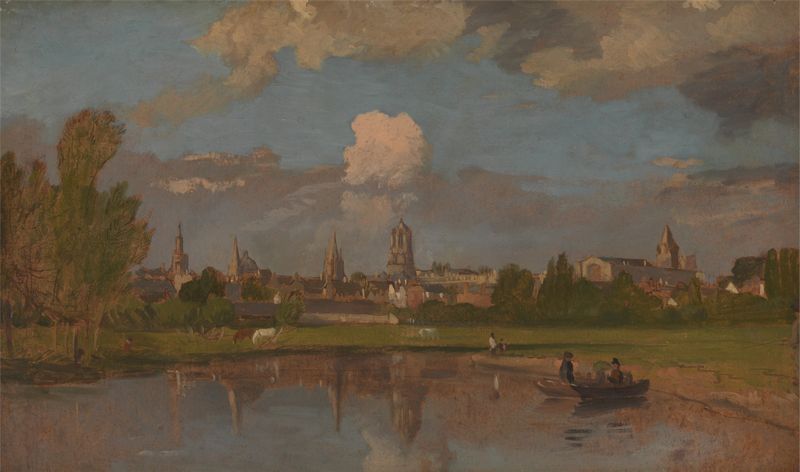
Oxford from the River with Christ Church in the Foreground
William Turner of Oxford
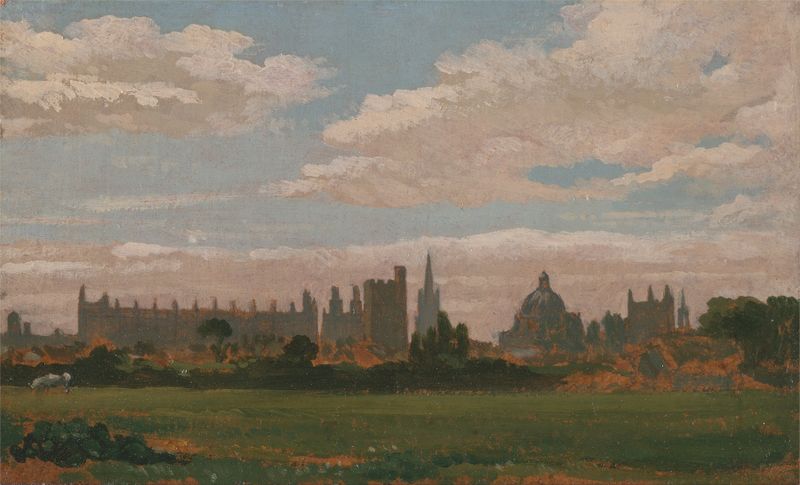
A View of Oxford
William Turner of Oxford

Extensive Landscape with a Pond
William Turner of Oxford
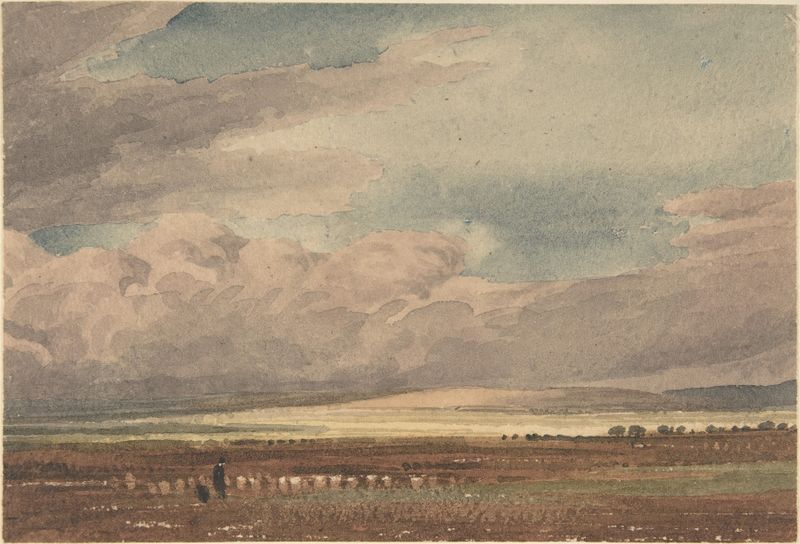
Salisbury Plain with Old Sarum in the Distance, Wiltshire
William Turner of Oxford
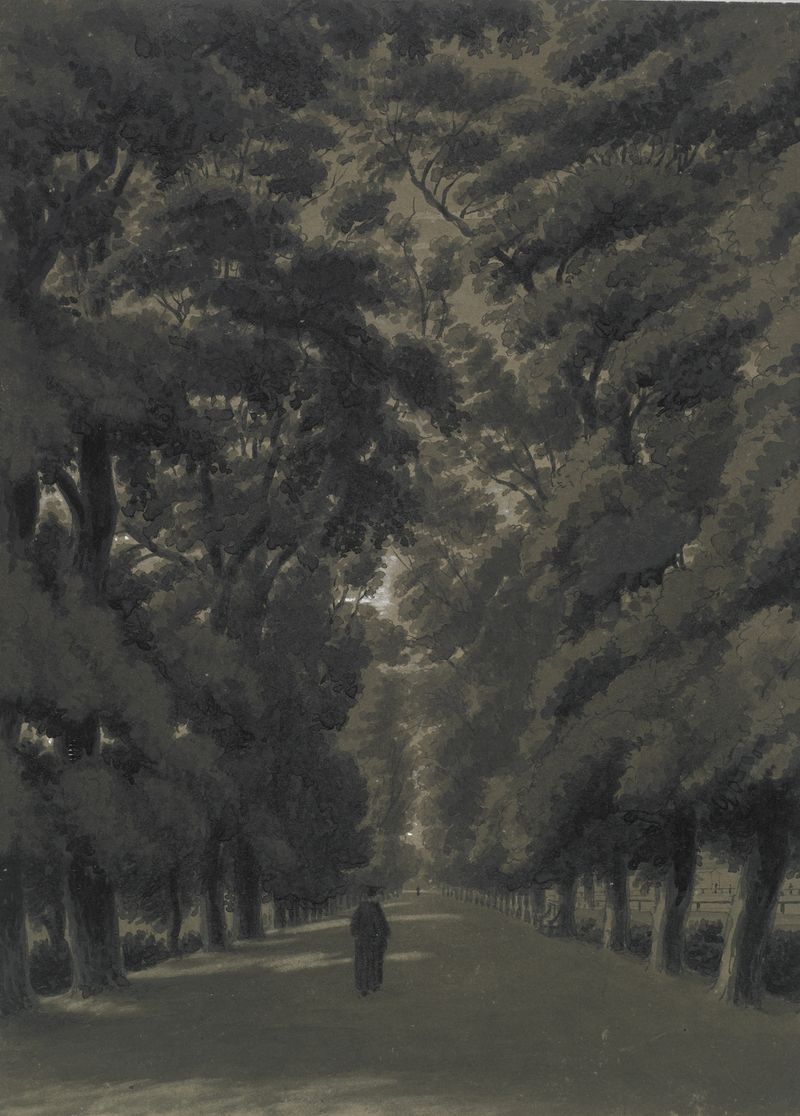
The Broadwalk, Oxford
William Turner of Oxford
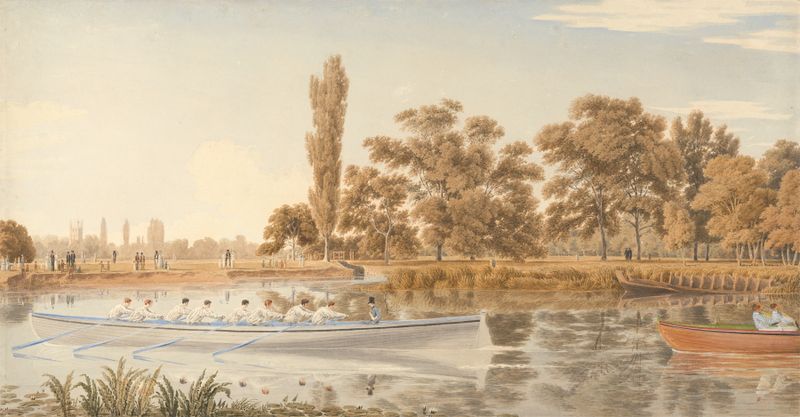
The Exeter College Eight on the Isis, Oxford
William Turner of Oxford

A View from Moel Cynwich; Looking Over the Vale of Afon Mawddach and Toward Cader Idris
William Turner of Oxford
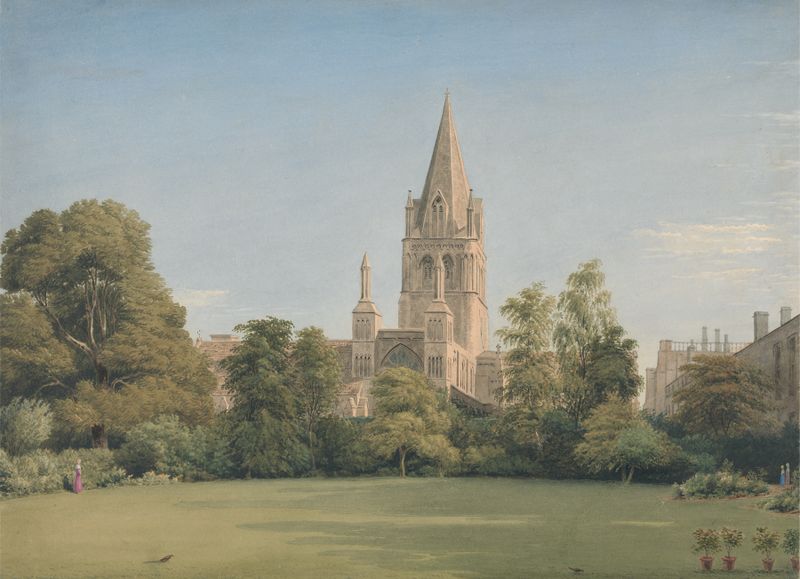
View from the Dean’s Garden, Christ Church, Oxford
William Turner of Oxford
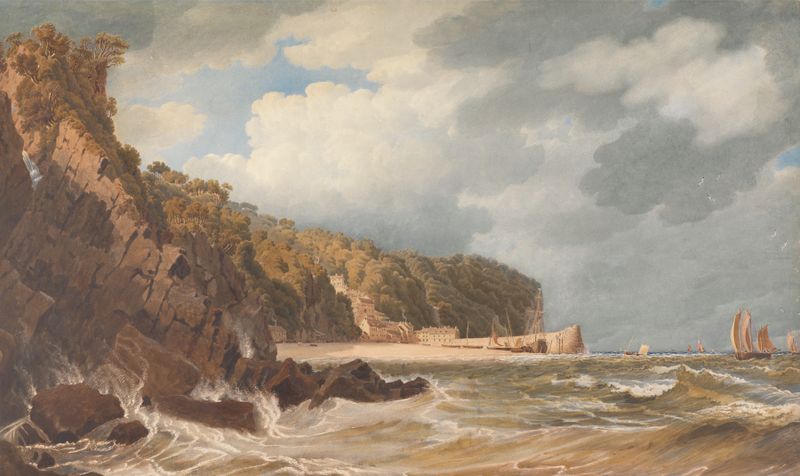
Clovelly, North Devon
William Turner of Oxford





