
Shepherd Boy on a Hillside — History & Facts
Who listens when art speaks of silence? In Shepherd Boy on a Hillside, the stillness is a profound commentary on the revolution of the soul, where nature cradles the tender heart of youth. Focus on the gentle curve of the hillside, the muted greens and browns embracing the figure of the shepherd boy nestled within. His small form seems almost swallowed by the vastness that surrounds him, drawing the eye to the delicate tension between child and landscape. Notice how the soft light filters through the clouds, creating an ethereal glow that highlights the boy's contemplative expression, inviting a moment of introspection.
Every brushstroke carries the weight of an unspoken narrative, evoking a sense of innocence amidst the sweeping grandeur of nature. Delve deeper into the contrasts at play: the boy, seemingly insignificant, stands against a backdrop that suggests both freedom and isolation. The rich hues of the earth contrast sharply with the coolness of the sky, implying the duality of human existence—a longing for connection paired with the acceptance of solitude. This painting encapsulates the essence of transition; it is the cusp of youth, the dawn of awareness, where the world outside is a silent witness to the internal struggles brewing within. In its creation, the artist worked during a period when Romanticism flourished, seeking to capture the sublime beauty of the natural world.
While exact dating remains elusive, the work reflects the artist’s interest in infusing emotion into his landscapes, a response to the societal and artistic revolutions of the time. This was an era marked by a yearning for authenticity, as artists like him sought to explore the quiet dialogues between humanity and nature, leaving their mark on the landscape of art history.
More Artworks by William Turner of Oxford
Browse all →
Oxford from Hinksey Hill
William Turner of Oxford
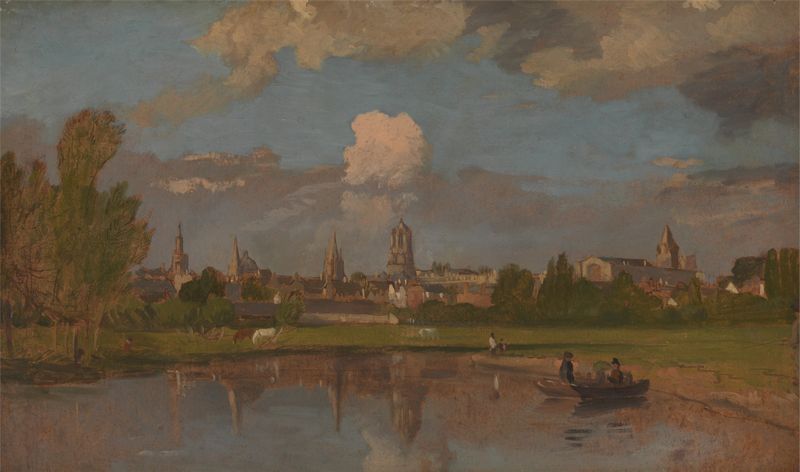
Oxford from the River with Christ Church in the Foreground
William Turner of Oxford
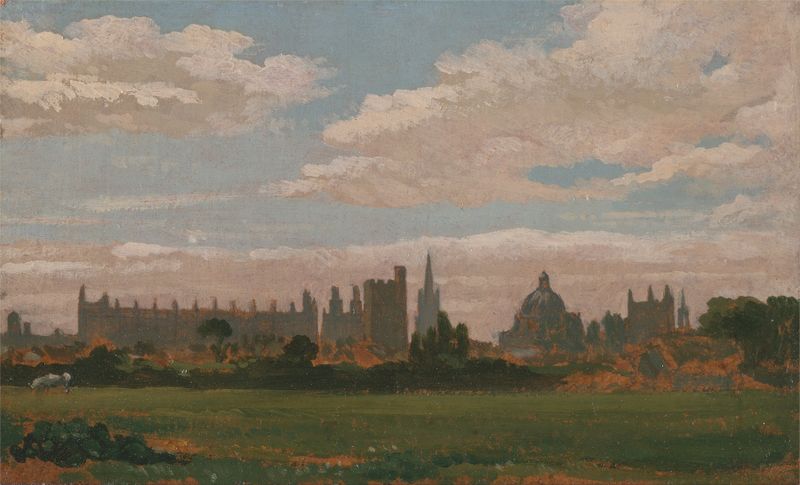
A View of Oxford
William Turner of Oxford

Extensive Landscape with a Pond
William Turner of Oxford
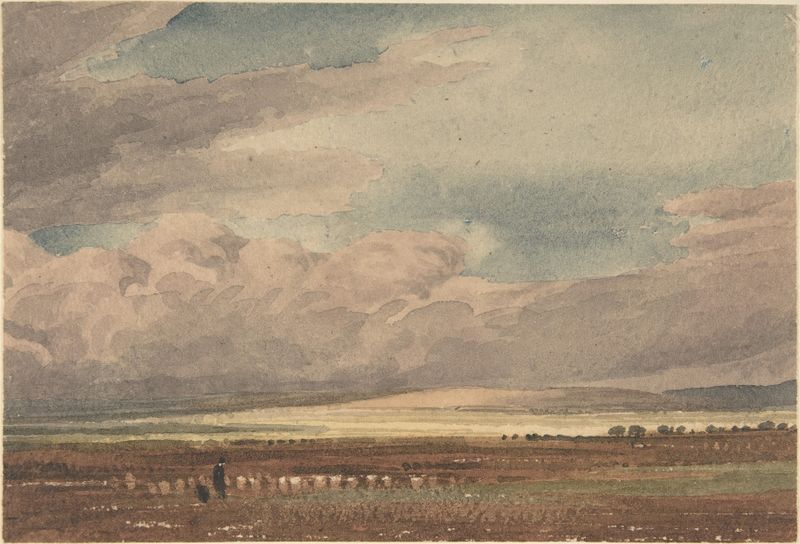
Salisbury Plain with Old Sarum in the Distance, Wiltshire
William Turner of Oxford
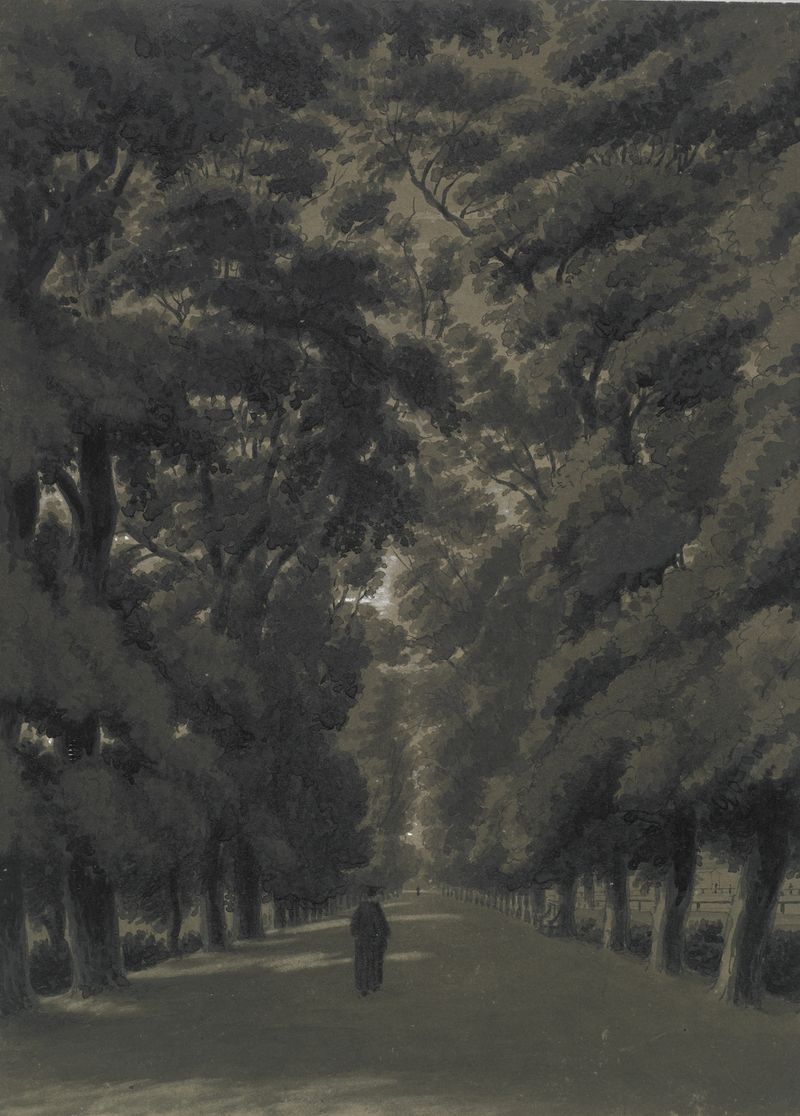
The Broadwalk, Oxford
William Turner of Oxford
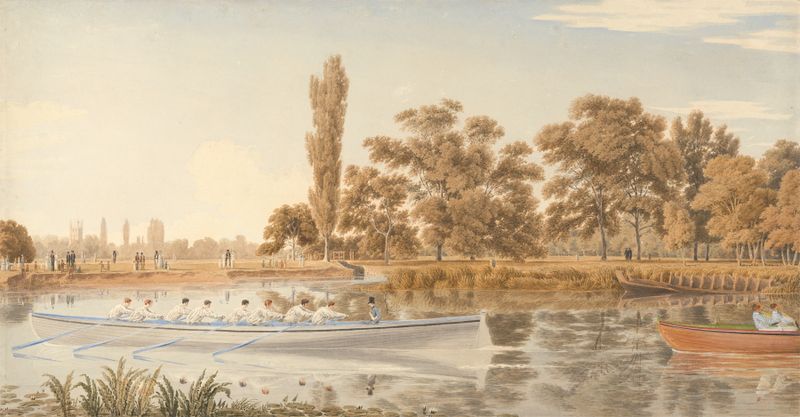
The Exeter College Eight on the Isis, Oxford
William Turner of Oxford

A View from Moel Cynwich; Looking Over the Vale of Afon Mawddach and Toward Cader Idris
William Turner of Oxford
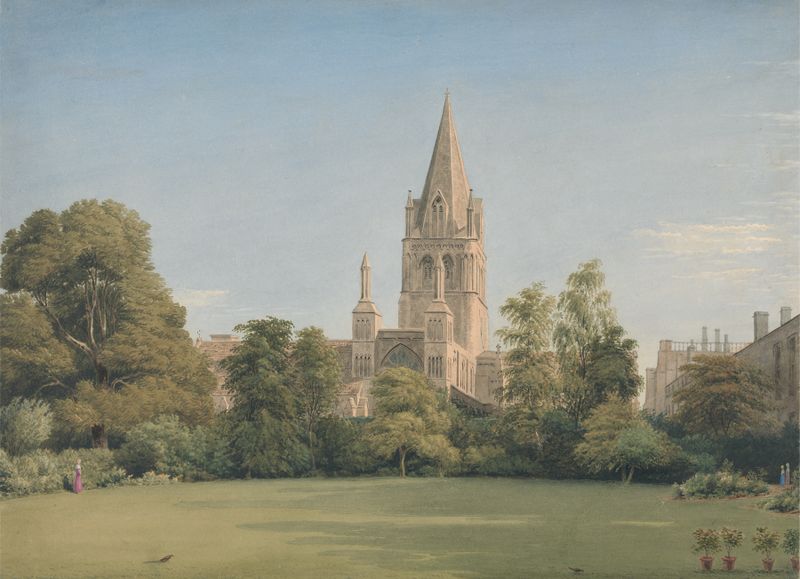
View from the Dean’s Garden, Christ Church, Oxford
William Turner of Oxford
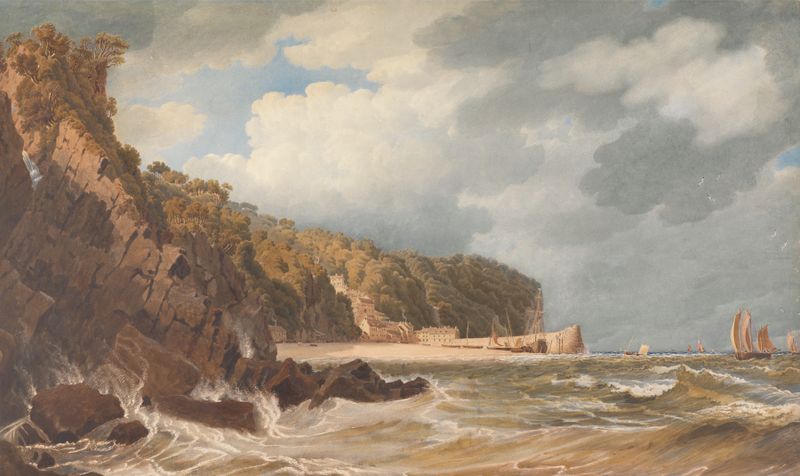
Clovelly, North Devon
William Turner of Oxford





