
Salt Plaines; Slave River and Crossing Lake Aylmer — History & Facts
In a world laden with untold stories, the melancholic stillness of a landscape can reveal truths often overlooked. It holds the weight of history, urging us to listen closely to whispers of the past. Look to the foreground, where the muted earth tones of the salt plains expand beneath a vast, somber sky. There, the shifting colors blend seamlessly, evoking an almost tactile sensation of desolation and loneliness.
The delicate brushstrokes create a shimmering effect, capturing the transient beauty of this harsh terrain, while the distant silhouette of the Slave River hints at unseen journeys and the passage of time. Amidst the ethereal beauty lies a deep emotional tension, a juxtaposition of serenity and sorrow. The starkness of the landscape suggests isolation, yet the river's flow symbolizes continuity, hinting at generations of lives intertwined with this land. Each element—the stark salt flats, the murky water, the encroaching clouds—tells a story of resilience, of survival against the odds, reflecting a haunting sense of melancholy that lingers in the air. Charles Hamilton Smith created this piece during the early 19th century, a time rife with exploration and the burgeoning fascination with the natural world.
Painted in the early morning light, his work captures both the pristine beauty and the heavy history of the territory that would soon see changes due to colonization and industrialization. At this juncture, Smith’s artistry blossomed amidst a shifting landscape of artistic expression, deeply influenced by his experiences in Canada and his keen observations of the environment.
More Artworks by Charles Hamilton Smith
Browse all →
Situation of H.M.S. Hecla & Griper
Charles Hamilton Smith
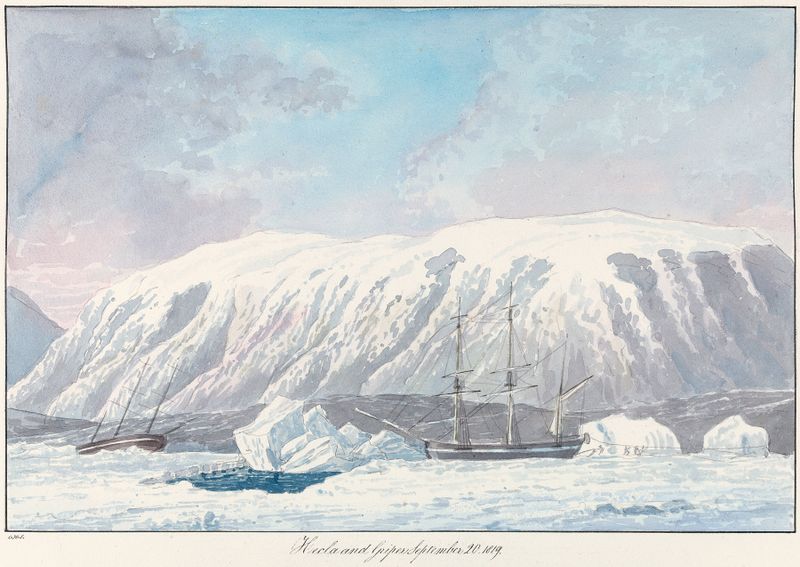
Hecla and Griper
Charles Hamilton Smith

Friendly Cove, Nootka Sound
Charles Hamilton Smith

Iceberg in Baffin’s Bay
Charles Hamilton Smith
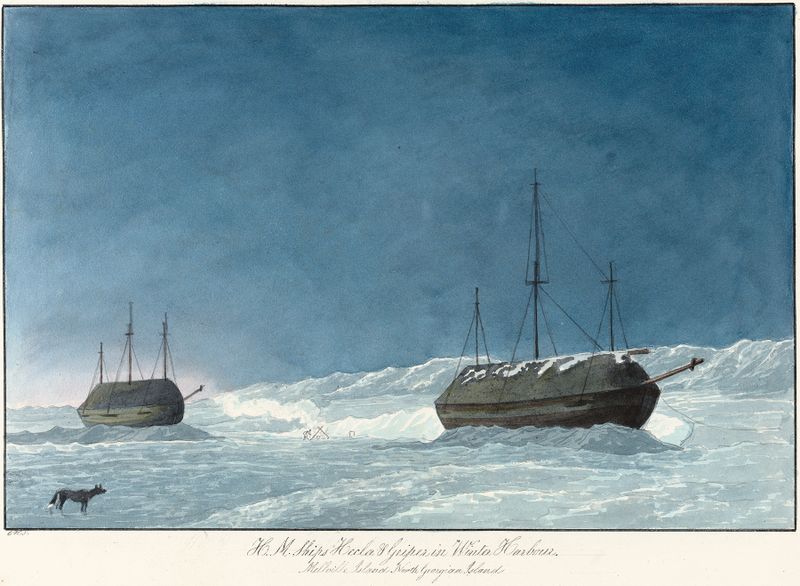
H. M. Ships Hecla and Griper in Winter Harbour
Charles Hamilton Smith

The Erebus & Terror in a Gale in the Pack of the Ice
Charles Hamilton Smith
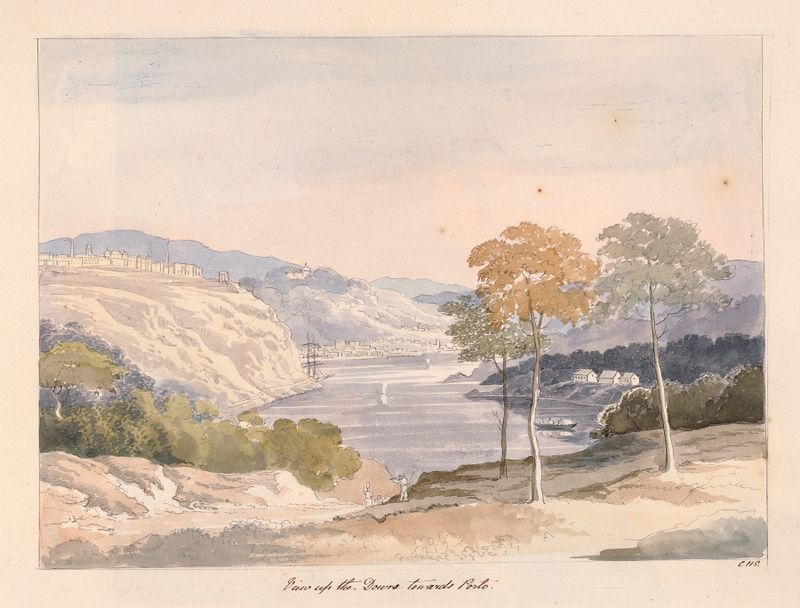
View of the Douro towards Porto
Charles Hamilton Smith
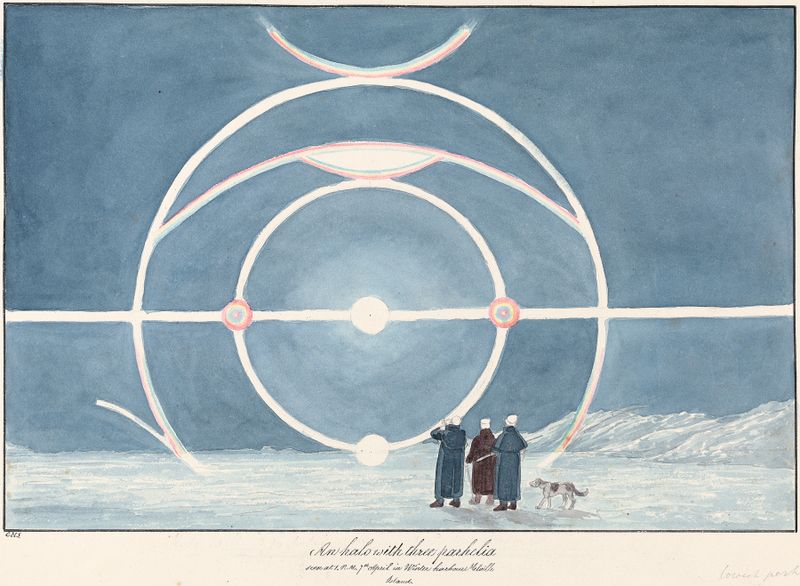
Halo with Three Parhelia, Winter Harbour Melville Island
Charles Hamilton Smith
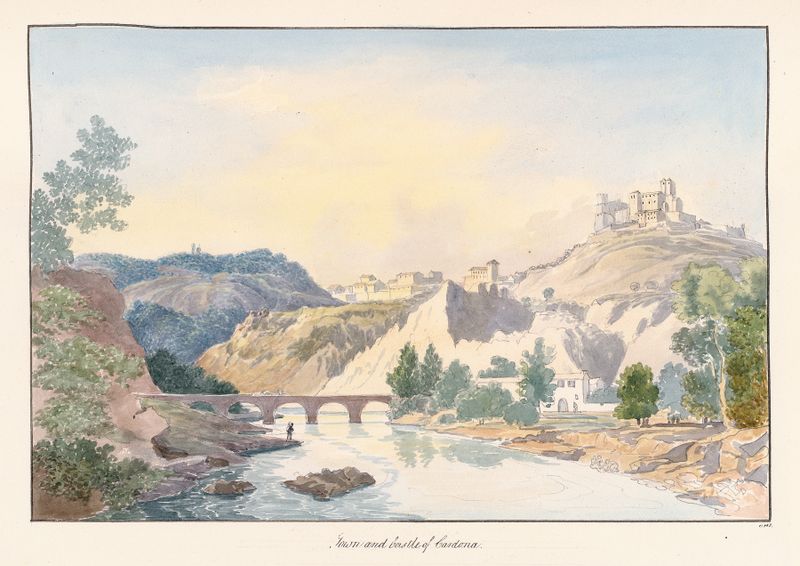
Town and Castle of Cardona
Charles Hamilton Smith
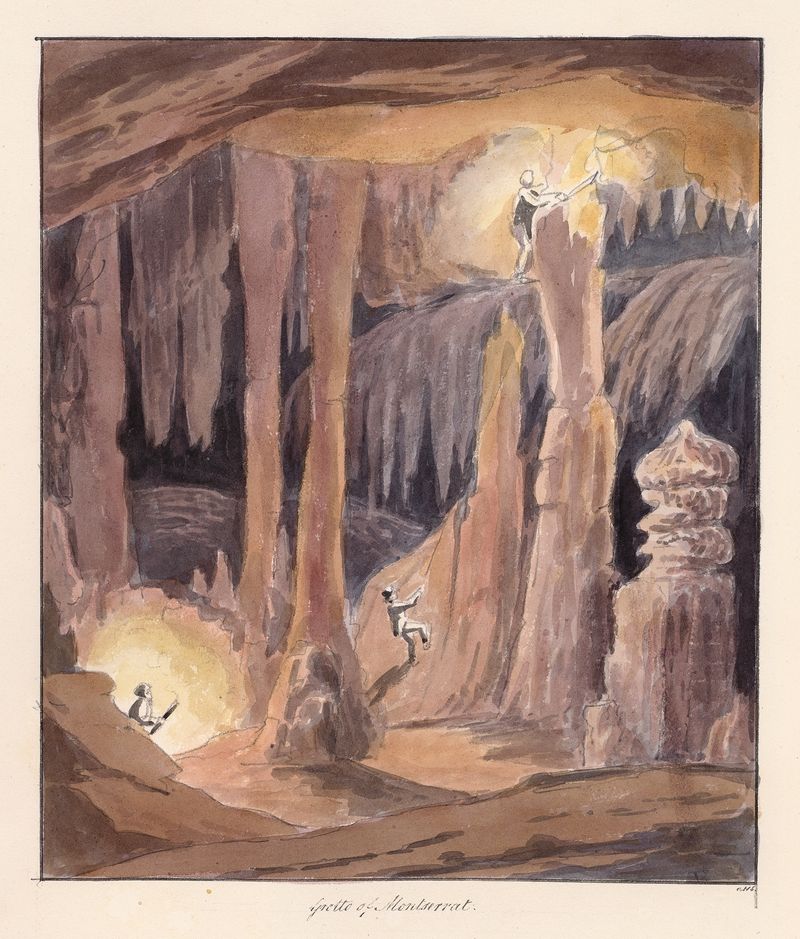
Grotto of Montserrat
Charles Hamilton Smith





