
Samarkand – Bibi-Khanym, tomb of Tamerlane’s wife. From the journey to Turkestan — History & Facts
Can paint confess what words never could? In Samarkand – Bibi-Khanym, tomb of Tamerlane’s wife, a quiet reverence envelops the viewer, inviting contemplation and faith through its rich colors and intricate forms. Focus on the central dome, its vibrant azure tiles beckoning the gaze upward, as if reaching for the heavens. Notice the delicate geometric patterns interlacing with floral motifs, each telling a story steeped in culture and tradition. The interplay of shadow and light creates a sacred ambiance, highlighting the intricate craftsmanship and drawing attention to the solemnity of this historical site.
The artist’s brushwork encapsulates the essence of a place where earthly devotion meets the ethereal. Beneath the surface, there is a profound dialogue between the past and present—between the grandeur of Tamerlane’s legacy and the quiet solitude of remembrance. The juxtaposition of the monumental architecture against the intimate nature of the tomb evokes the tension between glory and mortality, embodying the fragility of human endeavor amidst the passage of time. Each tile serves not just as decoration but as a silent witness to the prayers and hopes of countless souls who sought solace here. In 1912, during a period of artistic exploration and cultural rediscovery, Jan Ciągliński journeyed through Turkestan, capturing the essence of sites steeped in history.
This era was marked by a growing fascination with the East in European art, as artists sought to infuse their work with exoticism and depth. Painting Samarkand, he immersed himself in the architectural marvels that spoke of faith, power, and the enduring human spirit.
More Artworks by Jan Ciągliński
Browse all →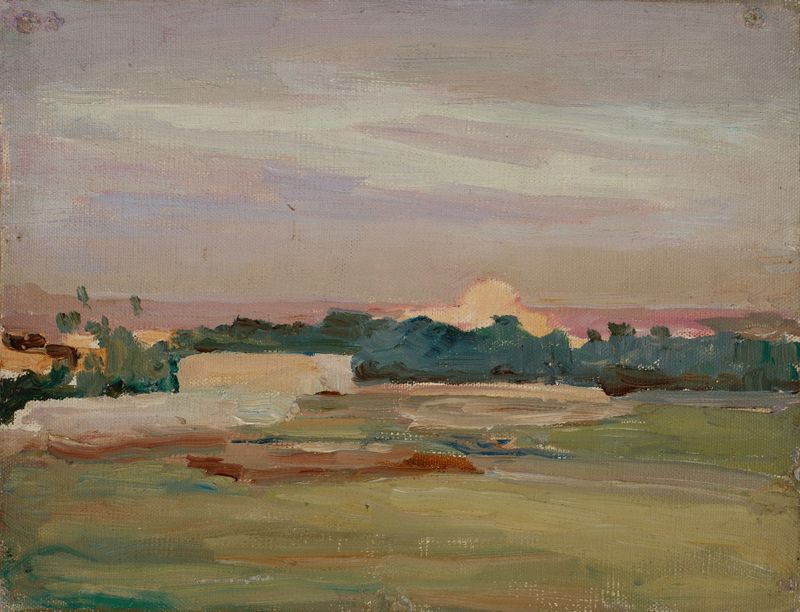
The Sirocco
Jan Ciągliński
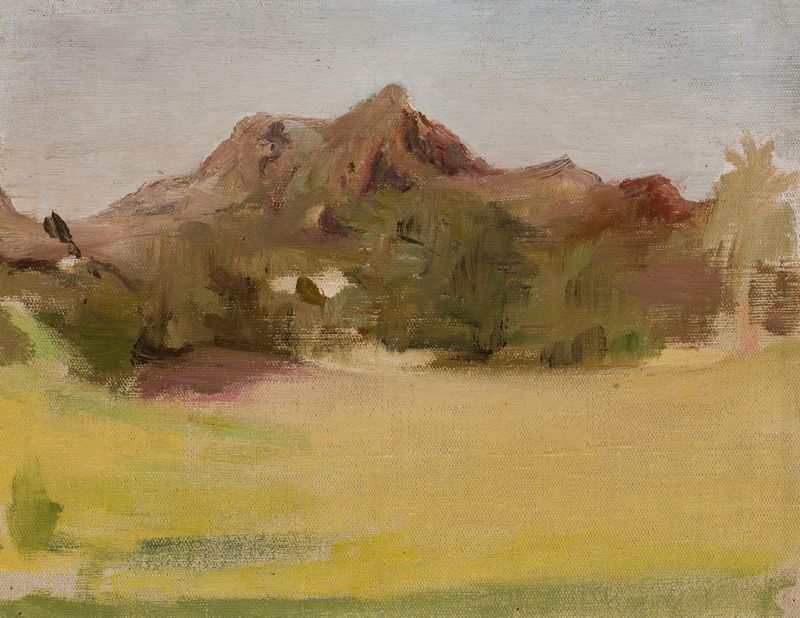
Mountain landscape. From the journey to India
Jan Ciągliński
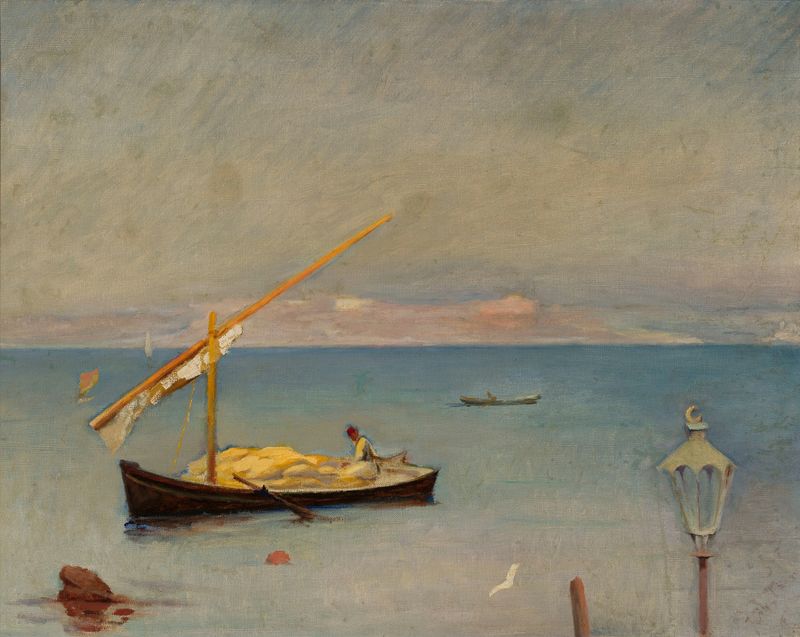
At Bosporus
Jan Ciągliński
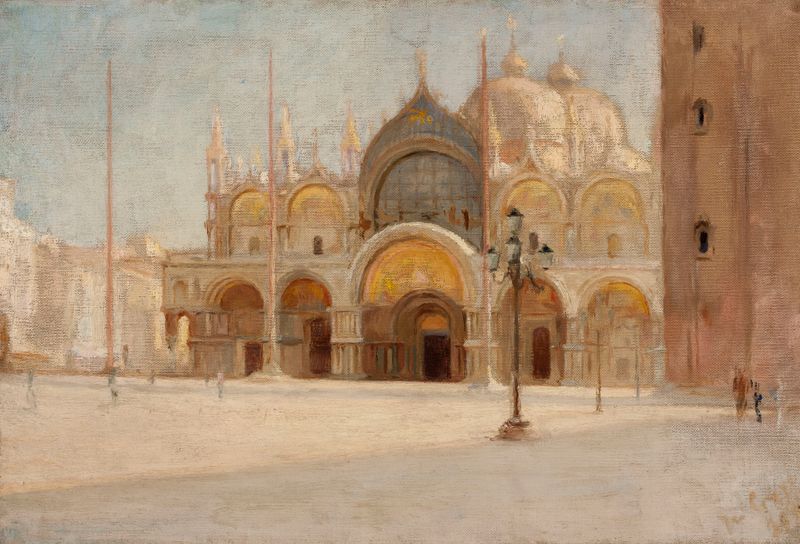
St Mark’s Square in Venice
Jan Ciągliński
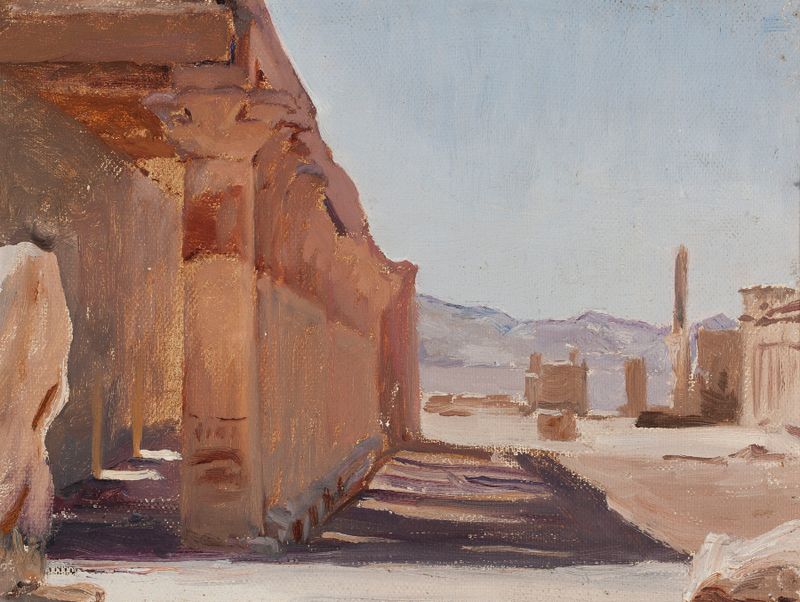
Temple. From the journey to Egypt
Jan Ciągliński
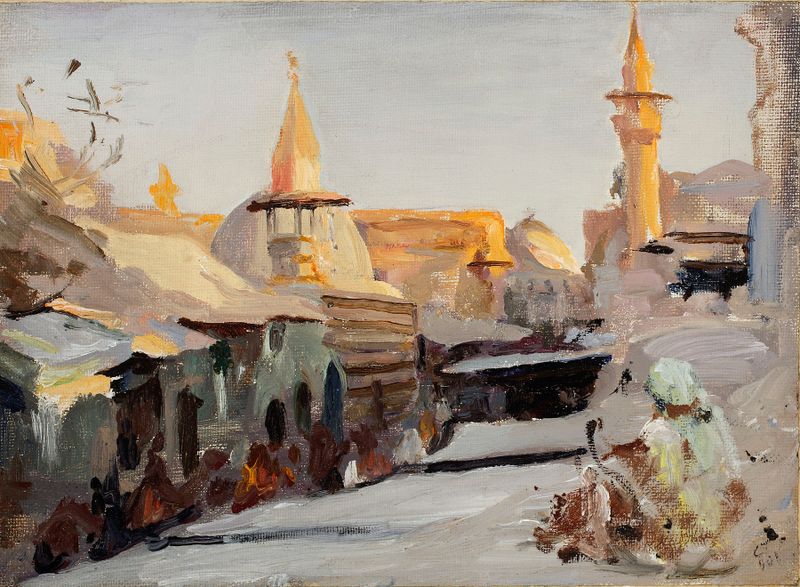
Street in Damascus. From the journey to Palestine
Jan Ciągliński
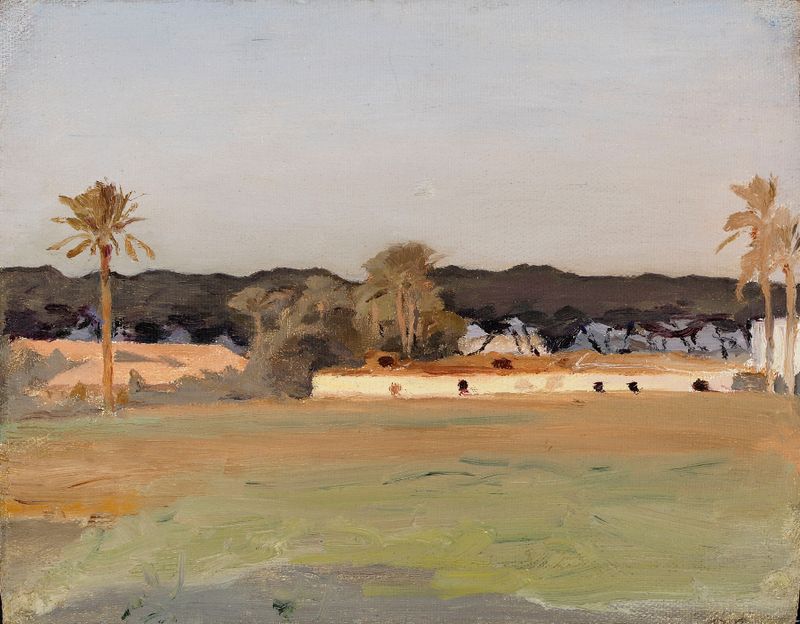
Evening. From the journey to Egypt
Jan Ciągliński
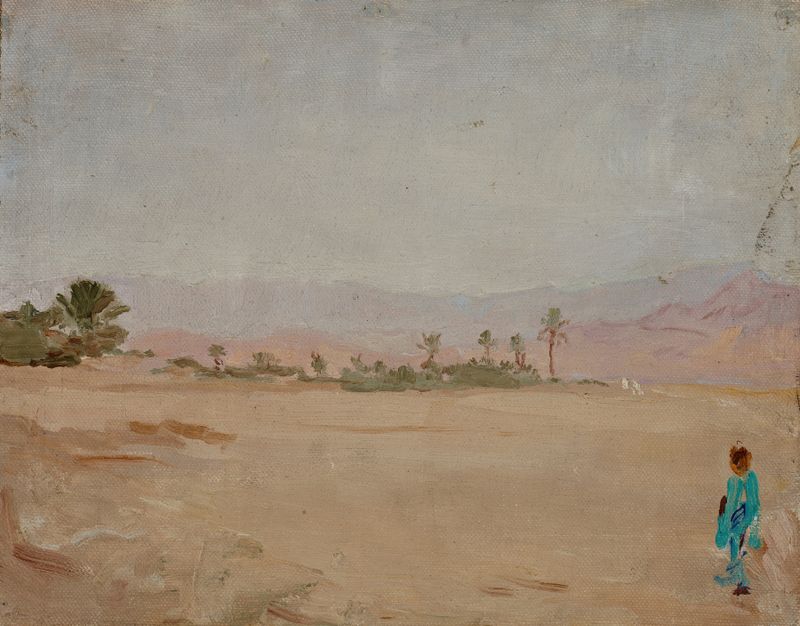
Sahara (Desert)
Jan Ciągliński
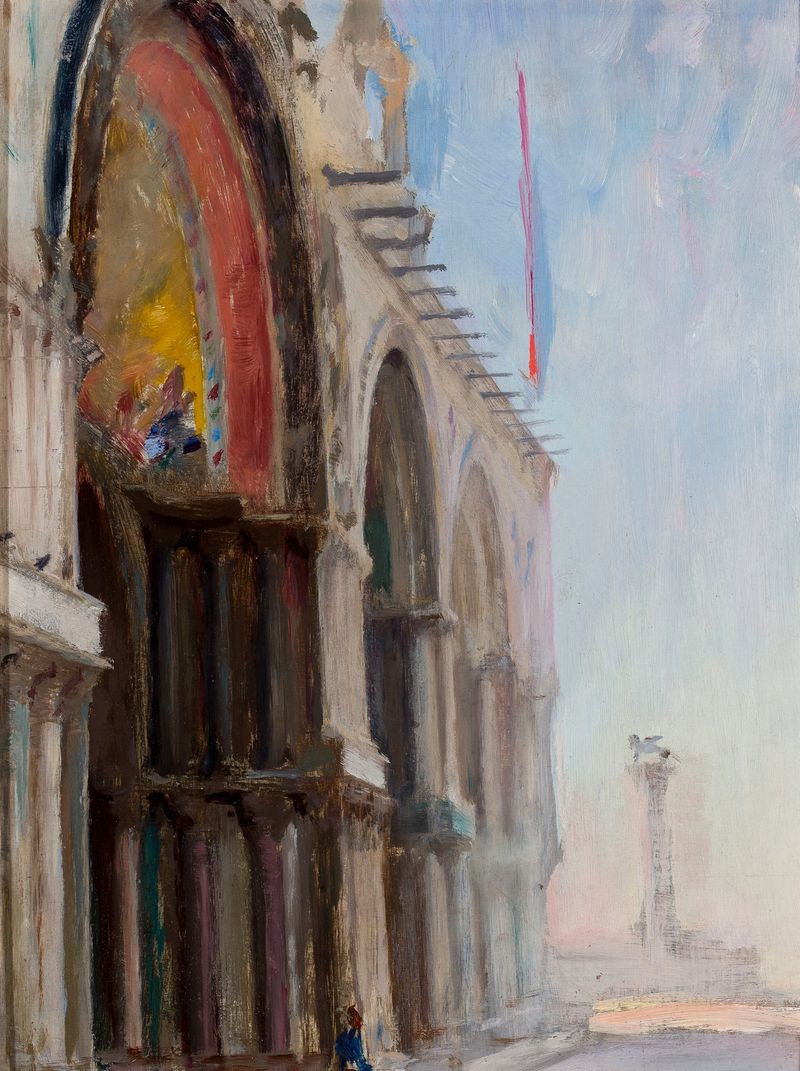
Venice – San Marco. From the journey to Italy
Jan Ciągliński
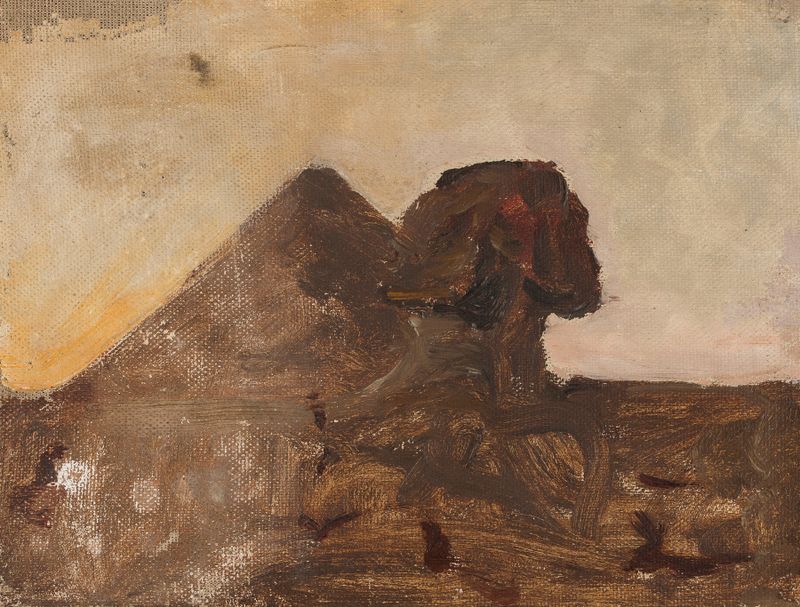
Evening in the desert – Sphinx and pyramid. From the journey to Egypt
Jan Ciągliński
More Architecture Art
Browse all →
The statue of Liberty
Frédéric Auguste Bartholdi

View of Houses in Delft, Known as ‘The Little Street’
Johannes Vermeer

View of Houses in Delft, Known as ‘The Little Street’
Johannes Vermeer

The Cathedral in Rouen. The portal, Grey Weather
Claude Monet

The yellow house
Vincent van Gogh

The Church in Auvers-sur-Oise, View from the Chevet
Vincent van Gogh