Samarkand – fruit market. From the journey to Turkestan — History & Facts
In an age where memories fade, art becomes the vessel of our collective experience, a vibrant echo of life's transient beauty. As you gaze at the canvas, your eyes are immediately drawn to the rich, luminous fruits piled high in the market. Notice the way the reds, oranges, and yellows shimmer, almost pulsating with life, inviting you to reach out and touch them. The texture of the brushstrokes mimics the roughness of wooden crates and the smoothness of ripe peaches, creating an inviting sense of warmth.
Beyond the fruits, you can see merchants animatedly exchanging goods. The use of light here is particularly striking, with rays streaming through the market, illuminating faces and fruits alike, encapsulating a moment of bustling commerce. Yet, beyond the allure of fresh produce lies a deeper narrative. Each fruit becomes a metaphor for the diversity of cultures intertwined in this marketplace—a microcosm of tradition and modernity.
The contrasting earthy tones of the market's backdrop speak to the enduring stability of these ancient practices, while the vibrant colors of the fruits symbolize the fleeting joys of life. The gestures of the figures reflect both the camaraderie of trade and the silent stories of hope and aspiration woven into their daily interactions. In 1912, Jan Ciągliński painted this scene during a transformative period in his life, as he explored Central Asia while immersing himself in its diverse cultures. At this time, the world of art was rapidly evolving, moving from the confines of tradition towards more expressive forms.
This journey not only shaped his artistic style but also mirrored a broader quest for understanding and integration within a world increasingly marked by globalization.
More Artworks by Jan Ciągliński
Browse all →
The Sirocco
Jan Ciągliński
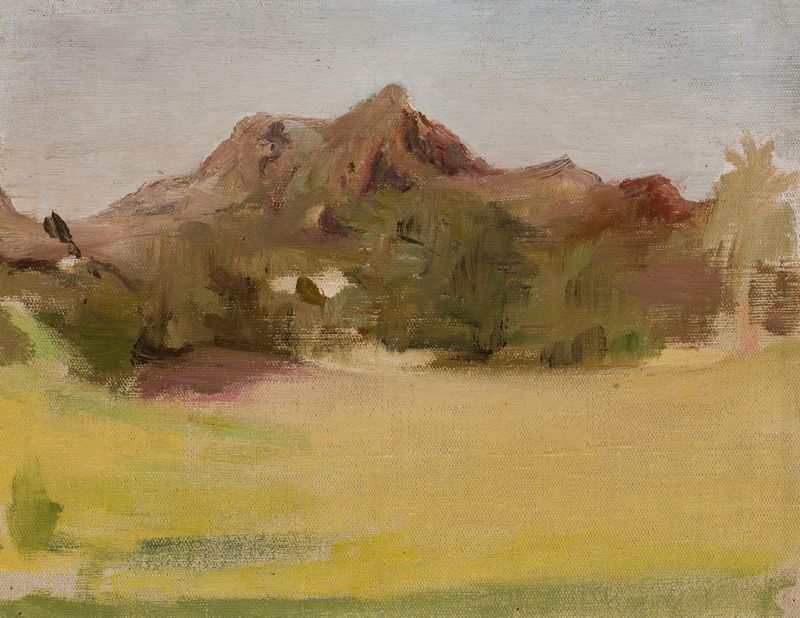
Mountain landscape. From the journey to India
Jan Ciągliński
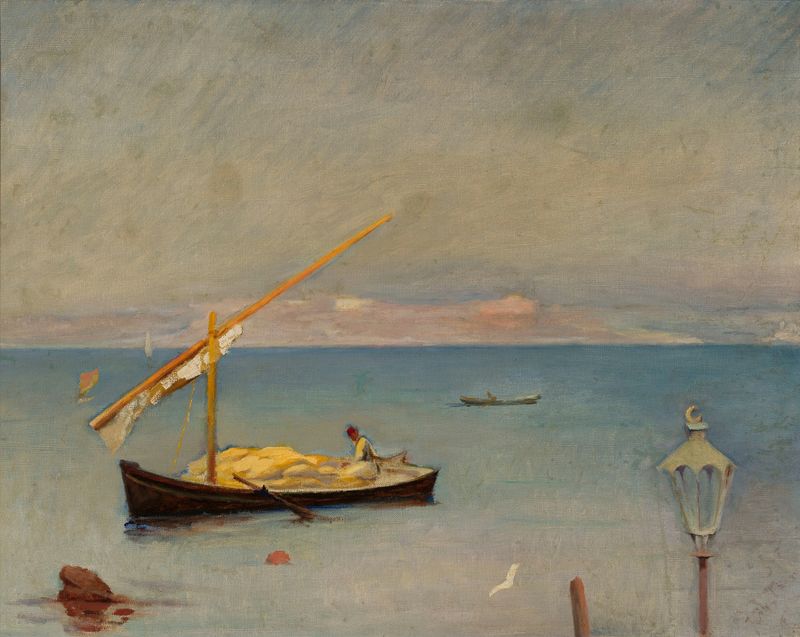
At Bosporus
Jan Ciągliński
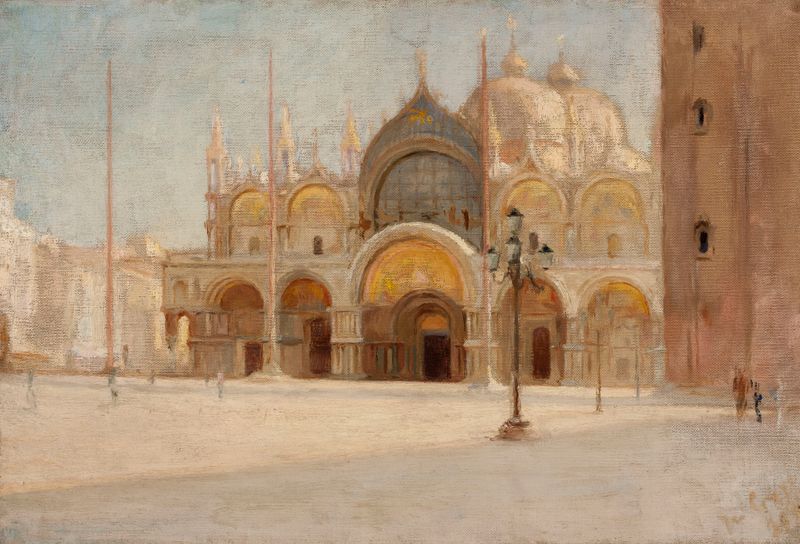
St Mark’s Square in Venice
Jan Ciągliński
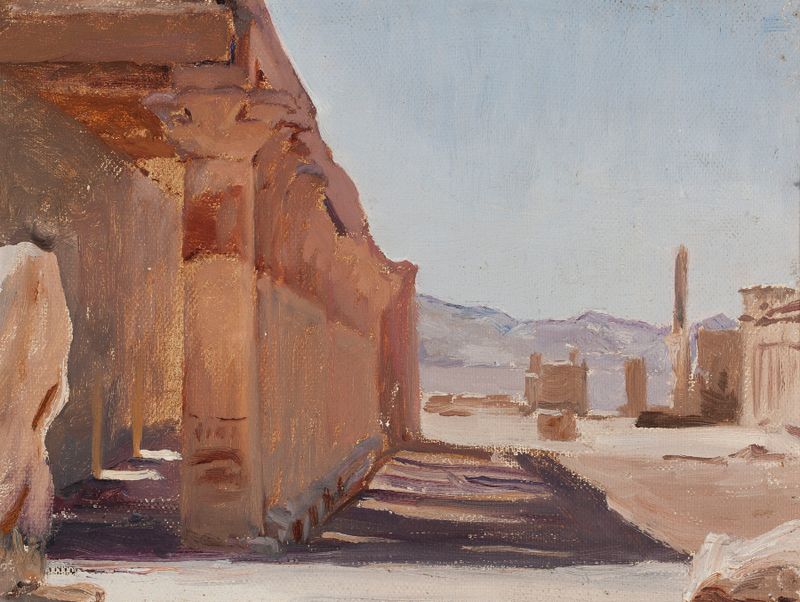
Temple. From the journey to Egypt
Jan Ciągliński
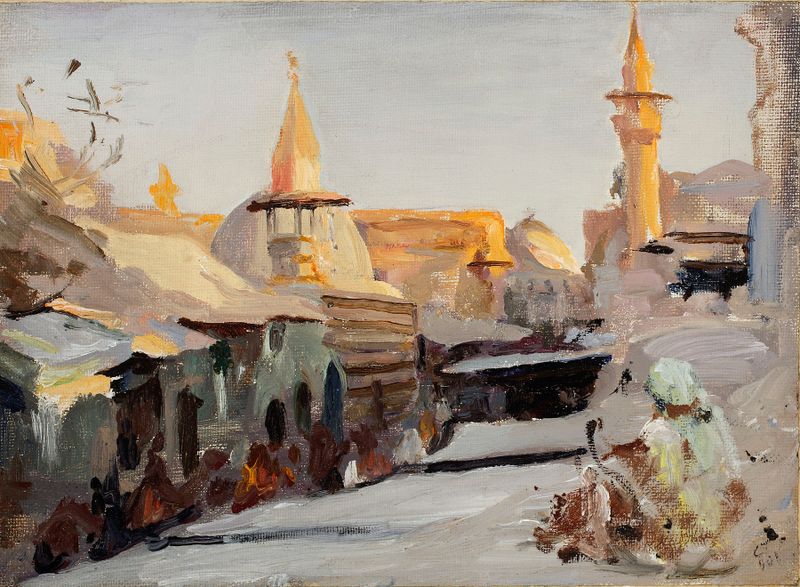
Street in Damascus. From the journey to Palestine
Jan Ciągliński
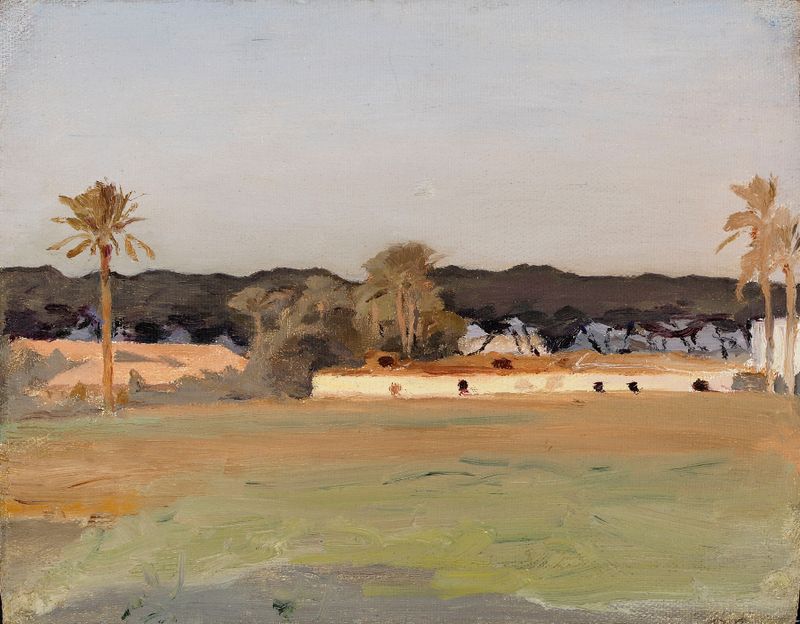
Evening. From the journey to Egypt
Jan Ciągliński
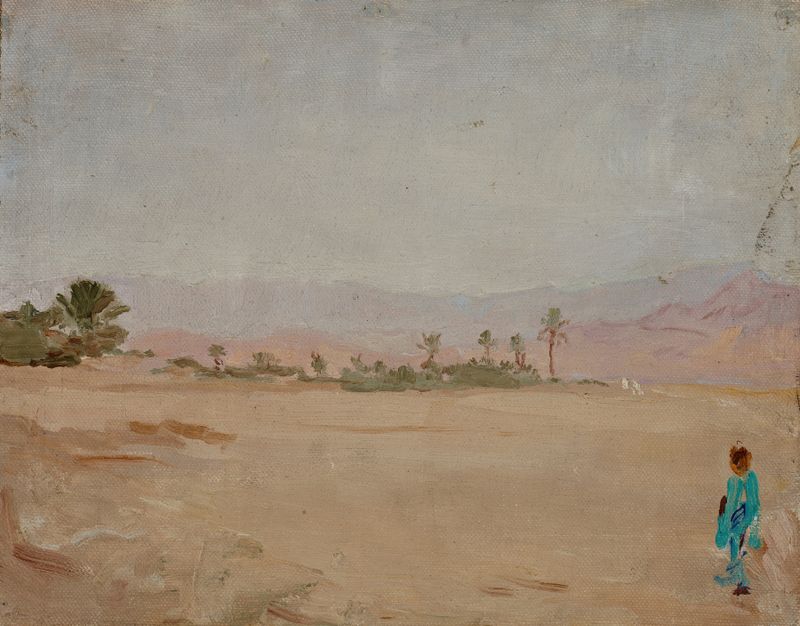
Sahara (Desert)
Jan Ciągliński
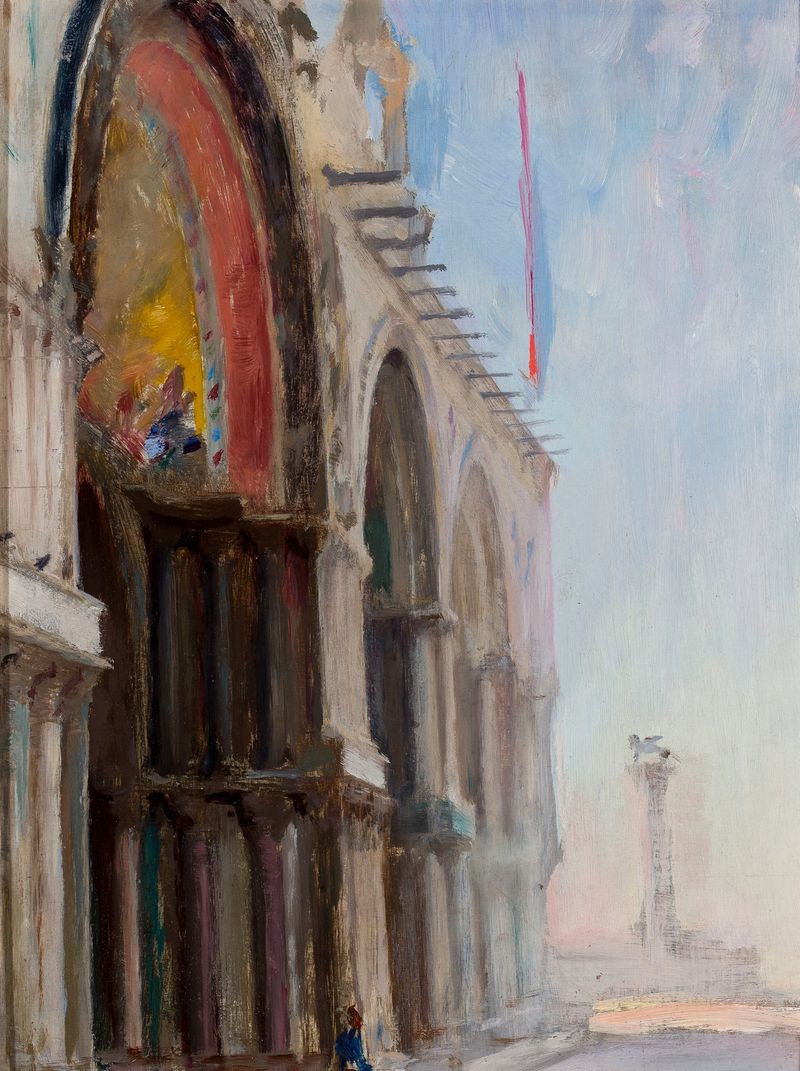
Venice – San Marco. From the journey to Italy
Jan Ciągliński
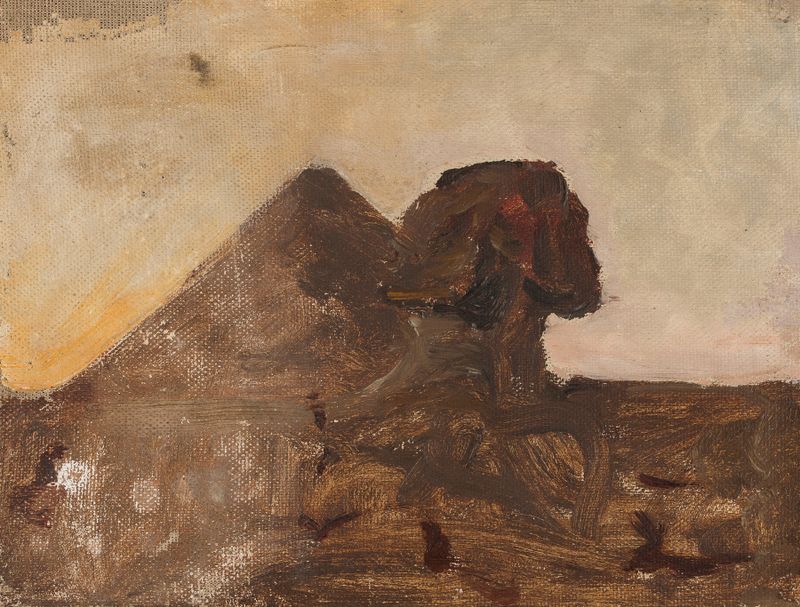
Evening in the desert – Sphinx and pyramid. From the journey to Egypt
Jan Ciągliński