
Samarkand – Gur-i Amir, Tamerlane’s mausoleum. From the journey to Turkestan — History & Facts
In the silence of remembrance, hope emerges, casting a light that transcends time and space. Focus on the ornate details that envelop the mausoleum, drawing your eyes to the intricate tile work that shimmers with hues of azure and gold. Notice how the artist captures the ethereal play of light, illuminating the grandeur of Gur-i Amir, making it pulse with life amidst the stillness of the ancient stones. The composition invites you to wander, to be enveloped by the delicate balance of symmetry and ornamentation—each curve and angle a testament to the past, yet imbued with an undeniable energy. Delve deeper into the emotional tension created by the contrast between the monumental structure and the surrounding stillness.
The mausoleum stands as a symbol not only of Tamerlane’s legacy but also of the fleeting nature of power and mortality. Each tile, a fragment of stories untold, expresses a longing for continuity amidst decay, while the warm sunlight casts shadows that whisper of both reverence and loss. In 1912, Jan Ciągliński was captivated by the rich cultural tapestry of Turkestan, where he painted this piece during an expedition. At this point in his career, he was exploring themes of history and identity, seeking to bridge the narratives of his Polish heritage with the distant splendor of the East.
His experiences in Central Asia influenced his artistry, allowing him to reflect on the confluence of civilizations and the delicate threads of hope that bind them together.
More Artworks by Jan Ciągliński
Browse all →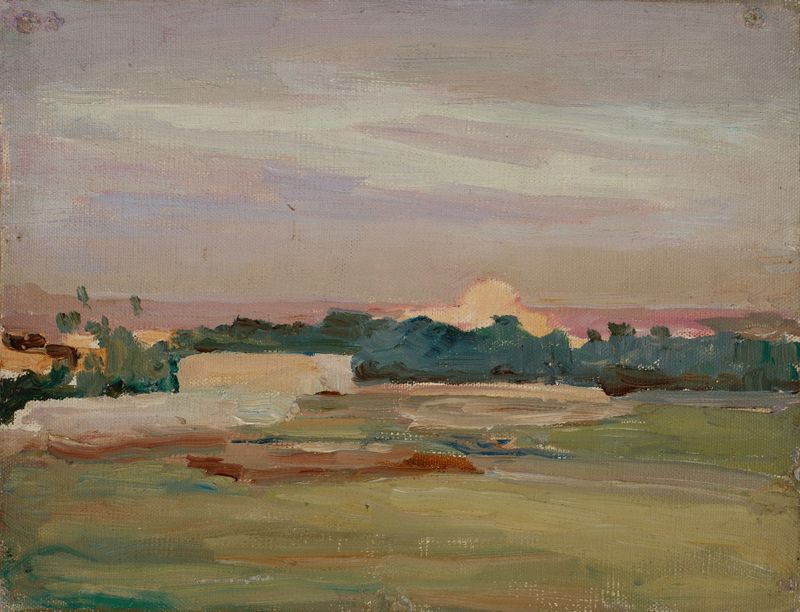
The Sirocco
Jan Ciągliński
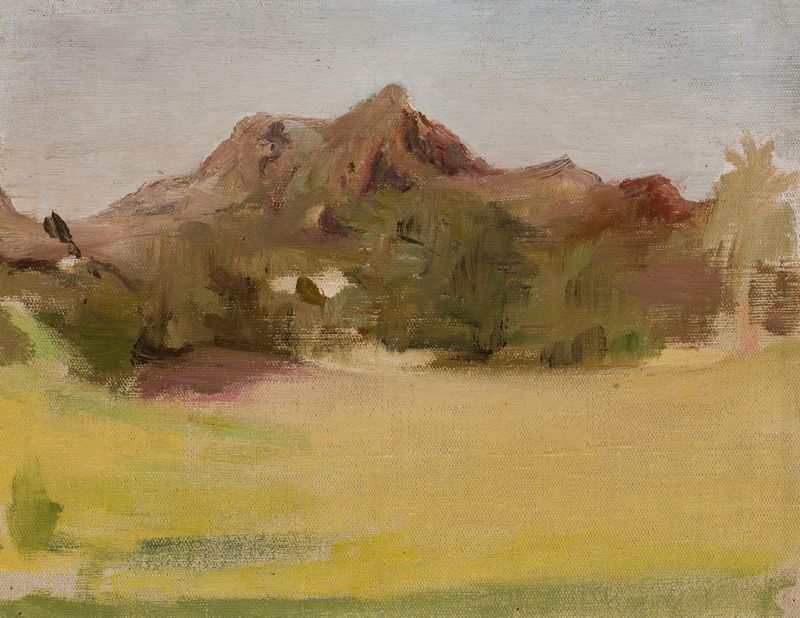
Mountain landscape. From the journey to India
Jan Ciągliński
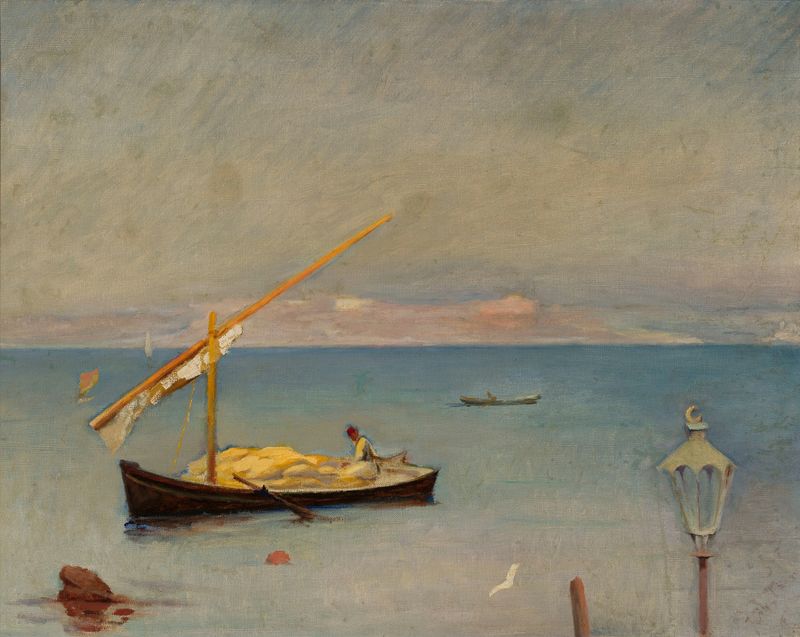
At Bosporus
Jan Ciągliński
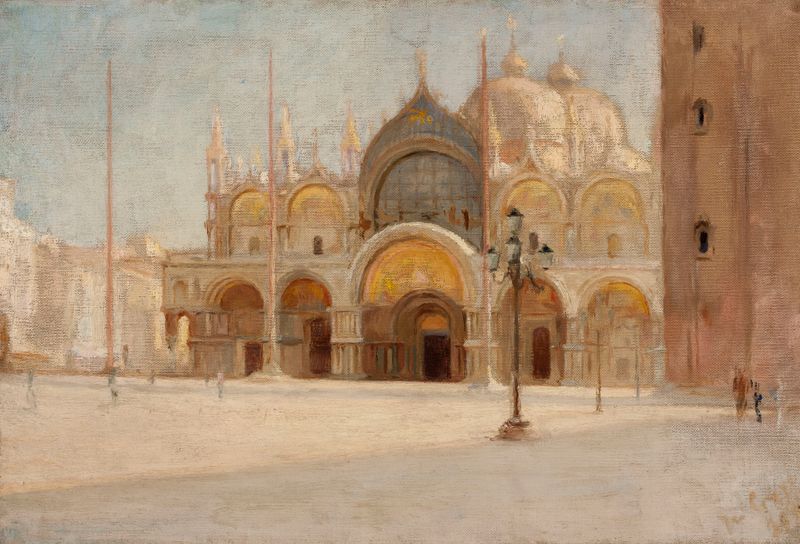
St Mark’s Square in Venice
Jan Ciągliński
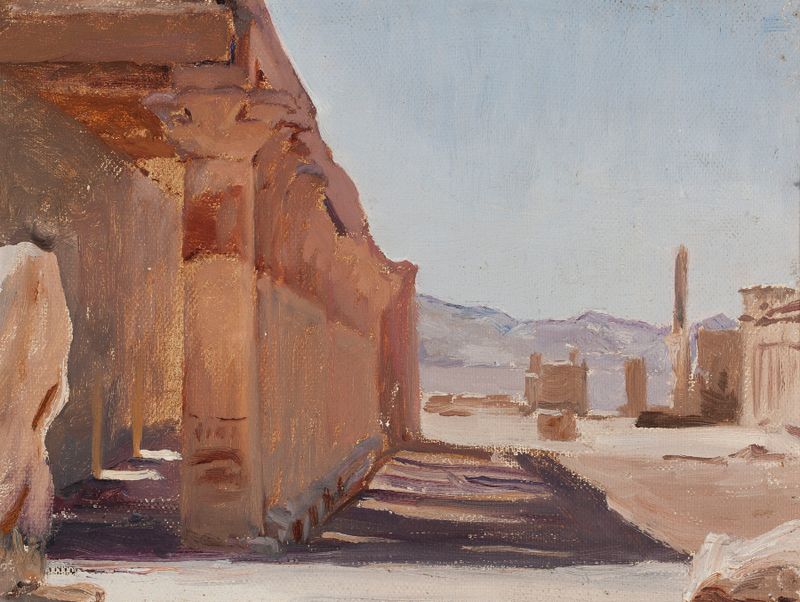
Temple. From the journey to Egypt
Jan Ciągliński
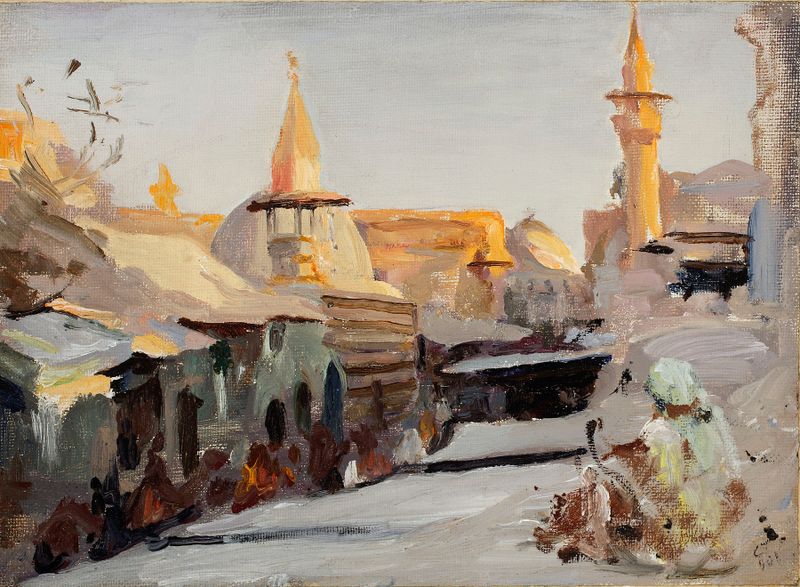
Street in Damascus. From the journey to Palestine
Jan Ciągliński
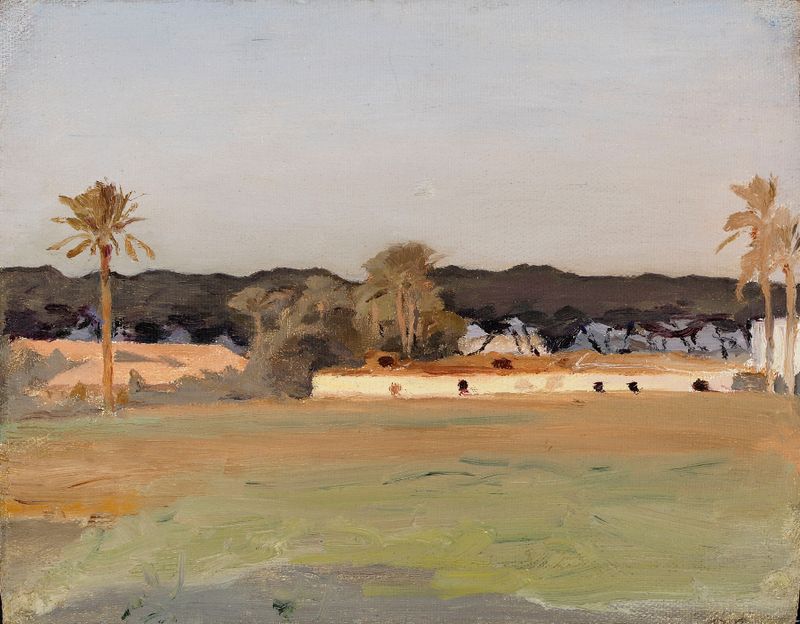
Evening. From the journey to Egypt
Jan Ciągliński
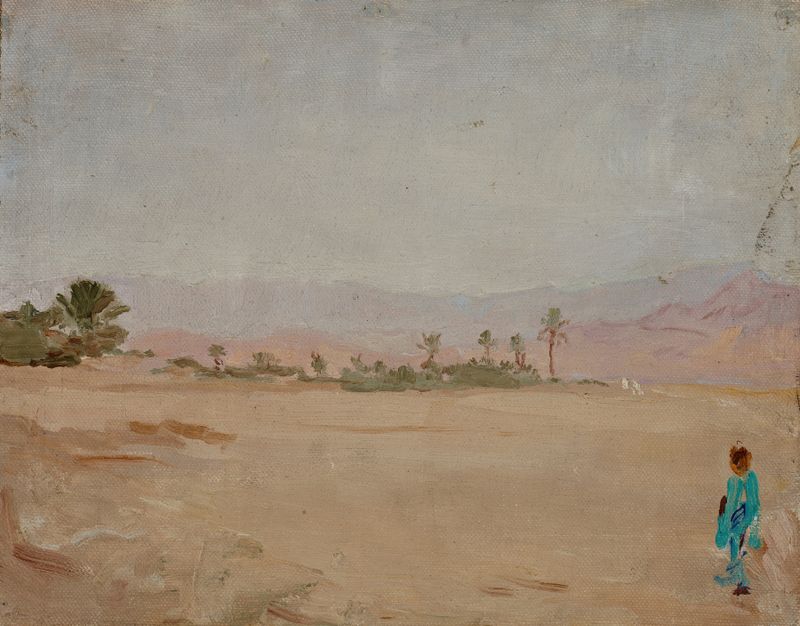
Sahara (Desert)
Jan Ciągliński
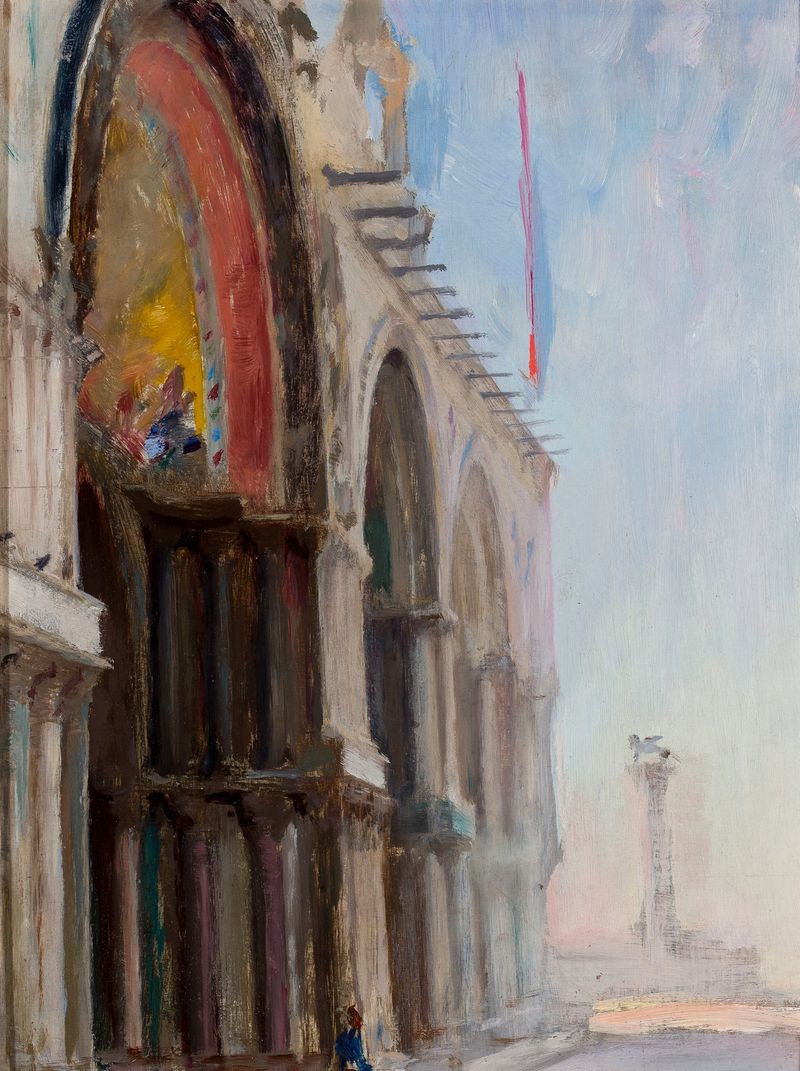
Venice – San Marco. From the journey to Italy
Jan Ciągliński
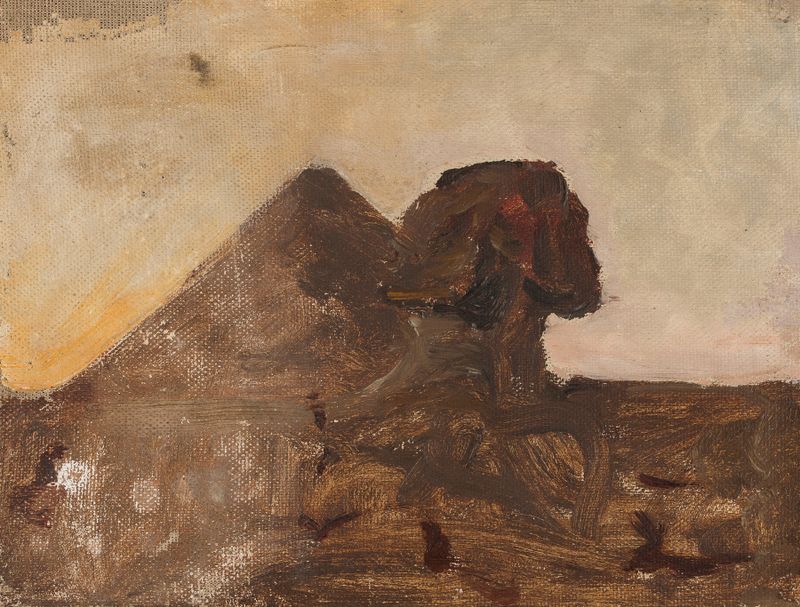
Evening in the desert – Sphinx and pyramid. From the journey to Egypt
Jan Ciągliński
More Architecture Art
Browse all →
The statue of Liberty
Frédéric Auguste Bartholdi

View of Houses in Delft, Known as ‘The Little Street’
Johannes Vermeer

View of Houses in Delft, Known as ‘The Little Street’
Johannes Vermeer

The Cathedral in Rouen. The portal, Grey Weather
Claude Monet

The yellow house
Vincent van Gogh

The Church in Auvers-sur-Oise, View from the Chevet
Vincent van Gogh