
Samuel Mather (1674-1733) — History & Facts
When did color learn to lie? The brushstrokes of the past whisper truths that flicker like candlelight, revealing more than just surface beauty. Look closely at the figure’s attire; the sumptuous fabric of the coat, rich in deep blues and greens, captures light, suggesting a wealth not just of material but of knowledge and status. The artist's meticulous attention to detail in the lace collar invites your gaze, guiding it along the curve of the neck to the thoughtful expression that rests upon Mather's face. The background, rendered in muted shades, accentuates the focal point of the portrait, creating a harmonious balance between figure and setting while maintaining a sense of movement through gentle brushwork. Hidden in the elegance of Mather’s pose is a tension between public persona and private life—a dialogue between the responsibilities of an esteemed figure and the solitude that often accompanies leadership.
The slight tilt of his head and the positioning of his hands suggest a man caught in reflection, perhaps wrestling with the demands placed upon him by society. Here lies an intricate play between authority and vulnerability, where the viewer is invited to ponder the unseen burdens of the subject. The portrait emerged in the 19th century, a time when portraiture rekindled its significance in a rapidly changing art world. The artist, though unidentified, likely sought to immortalize Mather’s legacy amidst evolving artistic movements and the societal shifts of post-colonial America.
During this period, traditional portraiture was both an homage to the past and a conversation with the present, reflecting the complex interplay of identity, status, and perception.
More Artworks by Unidentified artist
Browse all →
Self-portrait with a Bandaged Ear and Pipe
Unidentified artist

Feast in the House of Levi
Unidentified artist
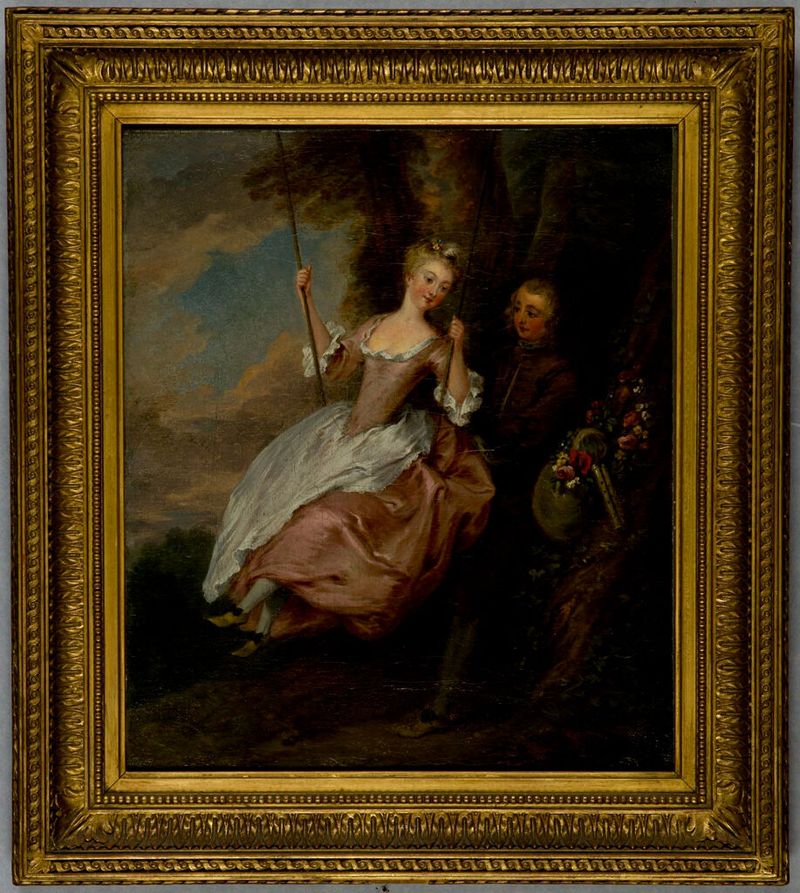
The Swing
Unidentified artist

Geoffrey Chaucer (1340?-1400)
Unidentified artist

Portrait of Michelangelo after the "Strozzi" original in the Uffizi Gallery
Unidentified artist
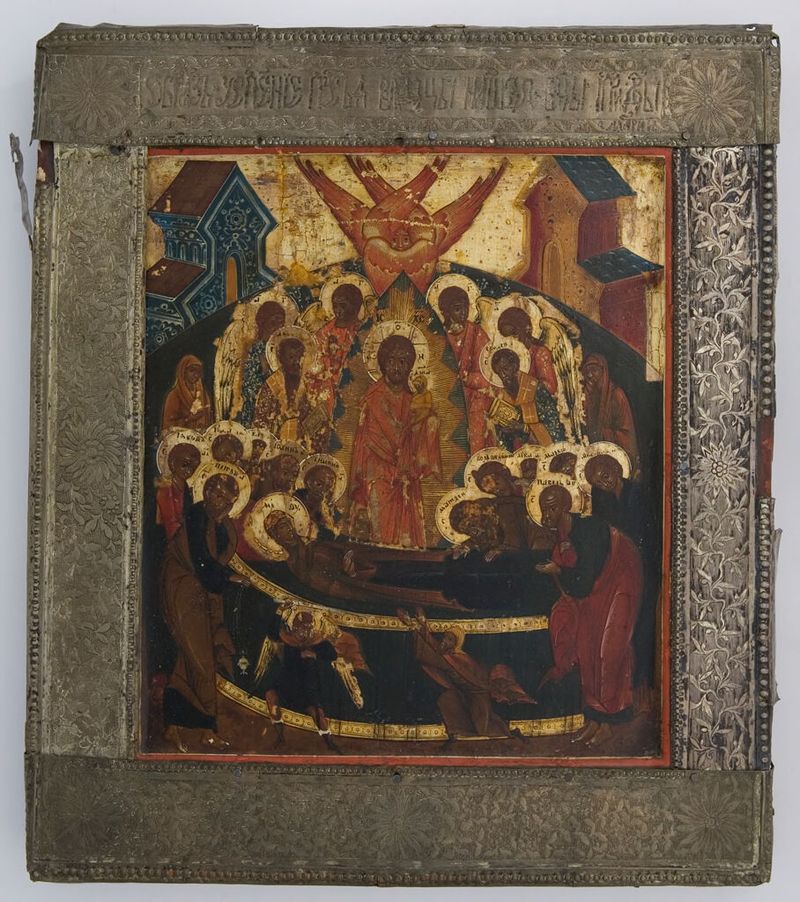
Dormition of the Virgin
Unidentified artist

Charles I (after a van Dyck painting in the Staatliche Museen, Gemaldegalerie, Dresden)
Unidentified artist

Madonna and Child
Unidentified artist

John Winthrop, the Younger (1606-1676)
Unidentified artist

Crucifix with the Virgin and Saint John the Evangelist, Christ the Redeemer, and a Praying Woman
Unidentified artist
More Portrait Art
Browse all →
Las meninas
Diego Velázquez
Self-portrait with a Bandaged Ear and Pipe
Unidentified artist

Girl with a Pearl Earring
Johannes Vermeer

The Sampling Officials of the Amsterdam Drapers’ Guild, Known as ‘The Syndics’
Rembrandt van Rijn

The Hundred Guilder Print: the man seen on the back in the lower left corner
Rembrandt van Rijn

Portrait of Dr Gachet
Vincent van Gogh