
San Marco — History & Facts
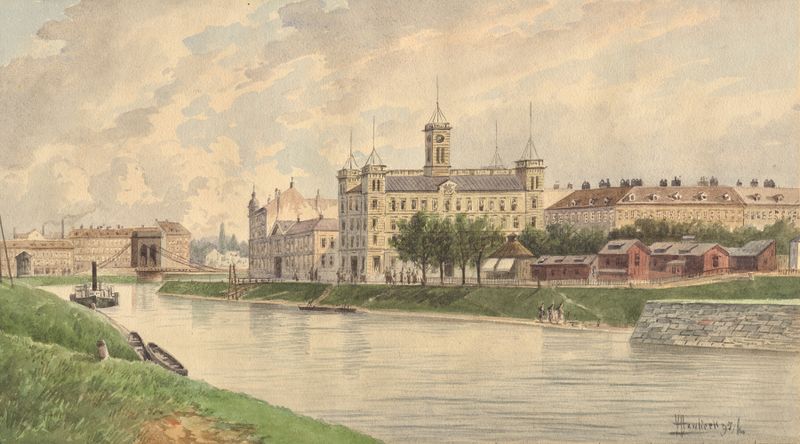
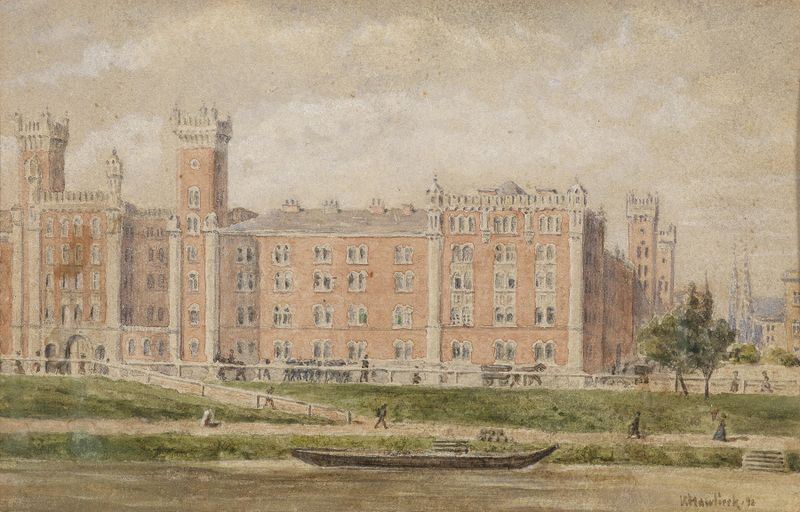
In the stillness of a moment, underneath layers of vibrant color, a tension simmers, caught between calm and chaos, beauty and violence. Look to the center, where striking hues of indigo and gold collide, creating a vivid sky that seems to pulse with energy. Notice how the architecture of San Marco rises majestically, its intricate details illuminated by the golden light of a setting sun. The brushstrokes are both fluid and abrupt, suggesting movement that hints at a story just beyond the frame, an unspoken strife lurking beneath the surface of serene beauty. Yet, it is in the shadows that deeper meanings emerge.
The juxtaposition of light and dark captures a profound emotional tension — the city’s splendor stands resilient amid potential turmoil. The sharp angles of the structures contrast with the flowing lines that weave through the landscape, echoing a struggle between stability and chaos. Each detail, from the ornate columns to the vibrant figures below, resonates with the history of conflict and peace, suggesting that even the most beautiful places carry the weight of their past. Vincenz Havlicek painted this piece in 1896, during a period of both personal reflection and transition in the art world.
Living in Vienna, he was influenced by the evolving styles of Impressionism and Symbolism, exploring how art could reflect complex human experiences. Amidst the backdrop of a continent on the brink of change, San Marco emerged as a testament to the interplay between tranquility and the violence inherent in history.
More Artworks by Vincenz Havlicek
Browse all →



More Architecture Art
Browse all →
The statue of Liberty
Frédéric Auguste Bartholdi

View of Houses in Delft, Known as ‘The Little Street’
Johannes Vermeer

View of Houses in Delft, Known as ‘The Little Street’
Johannes Vermeer

The Cathedral in Rouen. The portal, Grey Weather
Claude Monet

The yellow house
Vincent van Gogh

The Church in Auvers-sur-Oise, View from the Chevet
Vincent van Gogh