
Sant Ghur in the Carnatic — History & Facts
Who listens when art speaks of silence? In Sant Ghur in the Carnatic, the stillness envelops the viewer, whispering the hidden revolutions of the heart and mind. Focus on the muted palette, where earthy tones merge with tender blues. The composition draws you to the solitary figure, poised in contemplation, silhouetted against an expansive landscape that seems to breathe around him. Notice how the light falls softly, highlighting the contours of his form while casting shadows that suggest both introspection and yearning.
Each brushstroke evokes a sense of place, grounding the figure in the vibrant yet quiet atmosphere of the Carnatic region. Beneath the surface lies a rich tapestry of contrasts. The vastness of the landscape looms over the figure, hinting at the weight of solitude, while the delicate details of the surroundings suggest a connection to nature and a longing for freedom. This juxtaposition invites reflection on the complexities of identity and belonging amid the silence of transformation.
The landscape itself becomes a character, embodying the tensions of the unseen revolutions that stir within. Samuel Davis painted this work during a period of cultural exploration and change, likely influenced by his travels in the late 18th century, as he documented the beauty of India through a European lens. At this time, the world of art was beginning to embrace diverse influences, and Davis's works reflect the merging of colonial narratives with the landscapes they depict, marking an important moment in the evolution of both his career and the broader art historical context.
More Artworks by Samuel Davis
Browse all →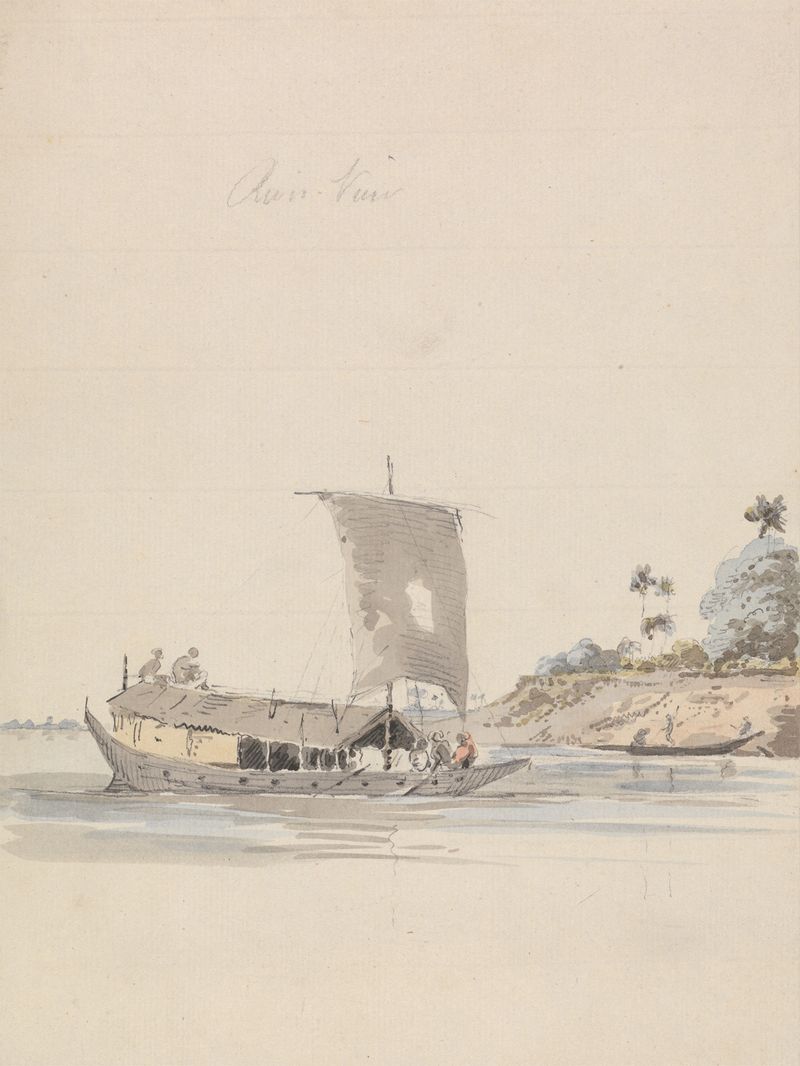
River View with a Junk (near Rajmahal)
Samuel Davis
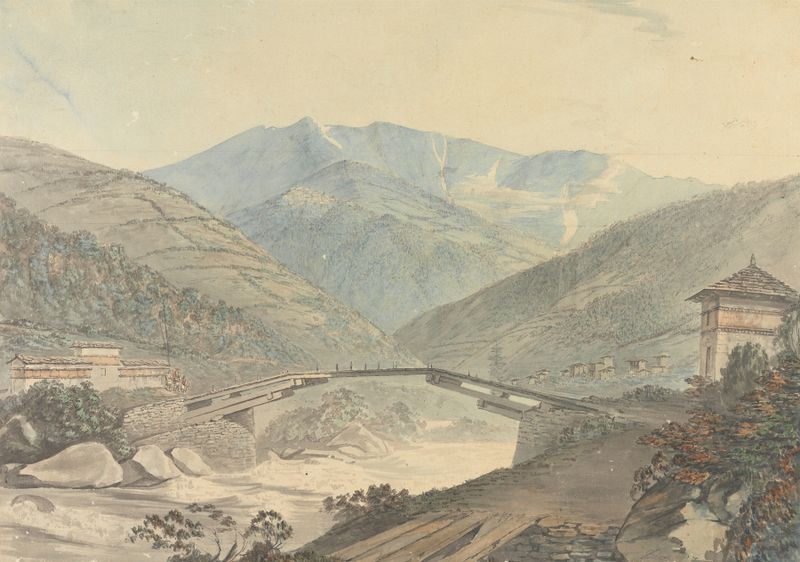
View near Tassisudon [Tashicho Dzong] in Bhutan
Samuel Davis
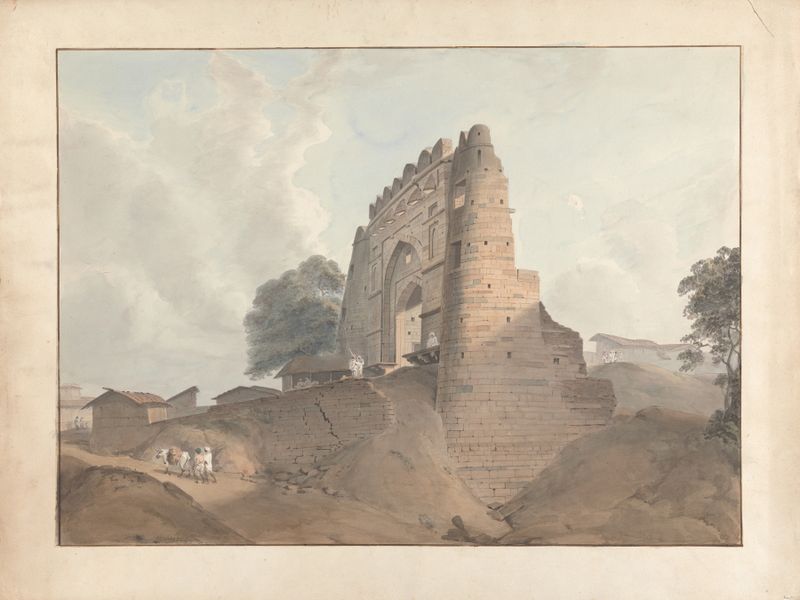
Gate of the Old Fort at Old Benares
Samuel Davis
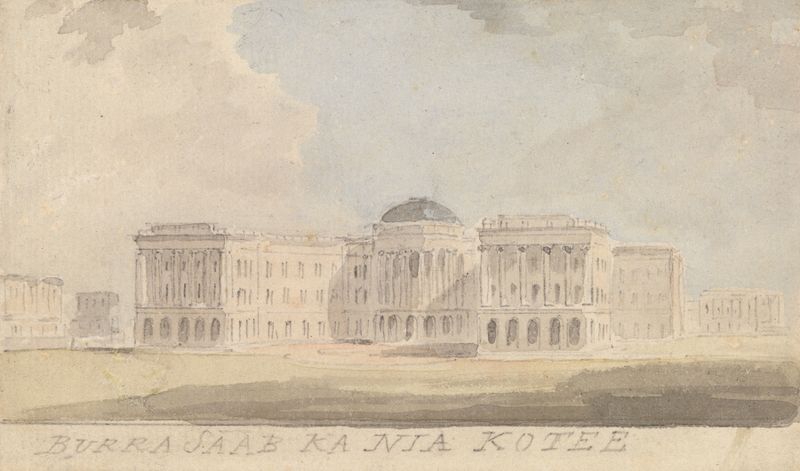
New Government House at Calcutta
Samuel Davis
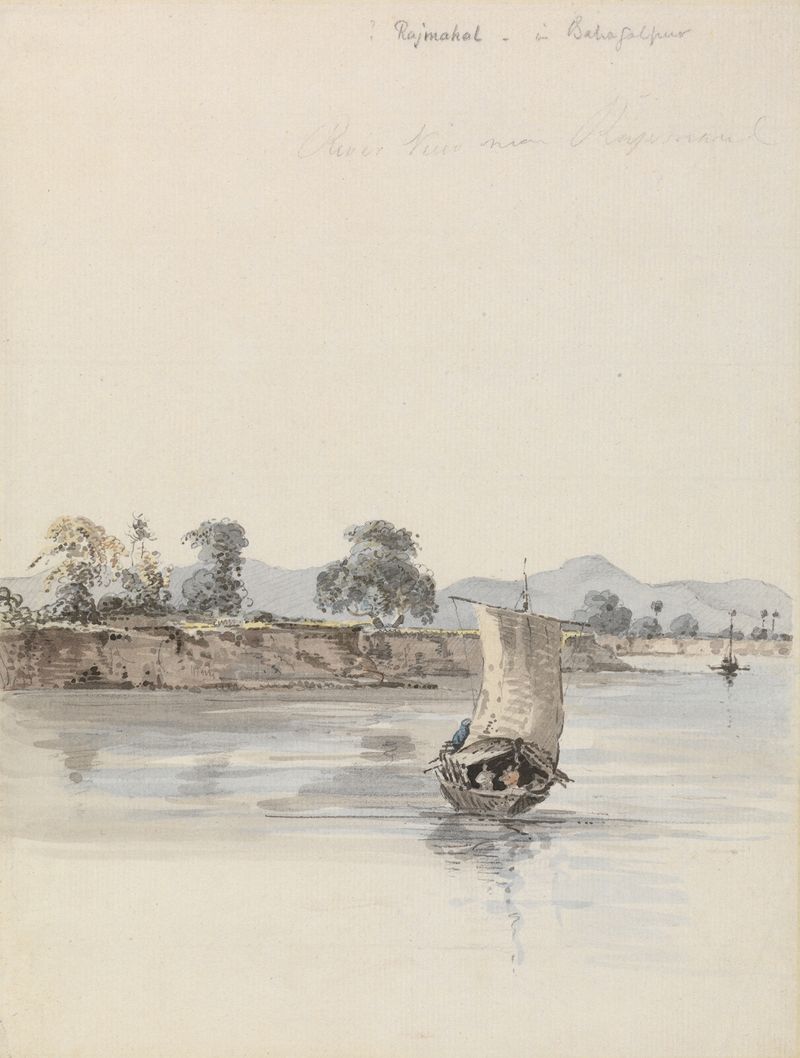
River View near Rajmahal
Samuel Davis
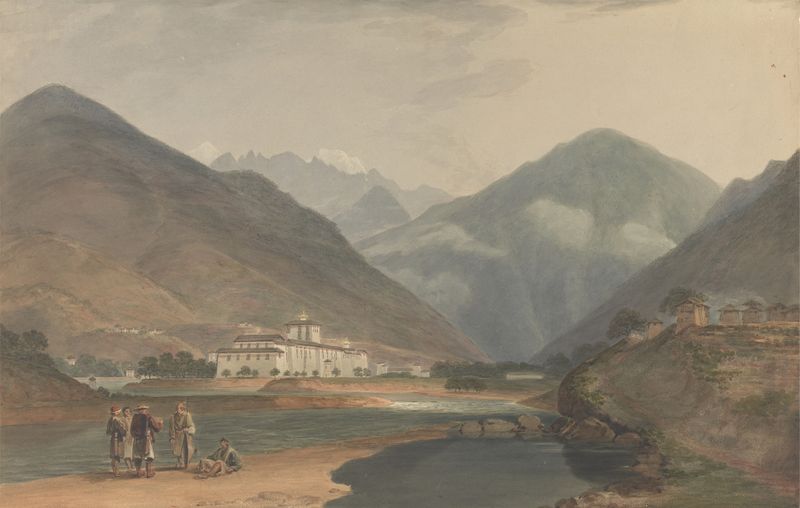
The Former Winter Capital of Bhutan at Punakha Dzong
Samuel Davis
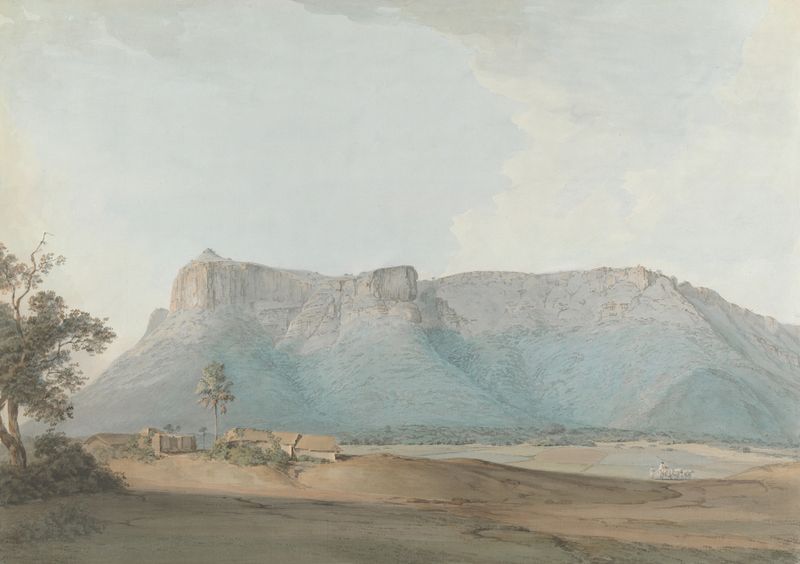
Rhotas from Akberpore
Samuel Davis
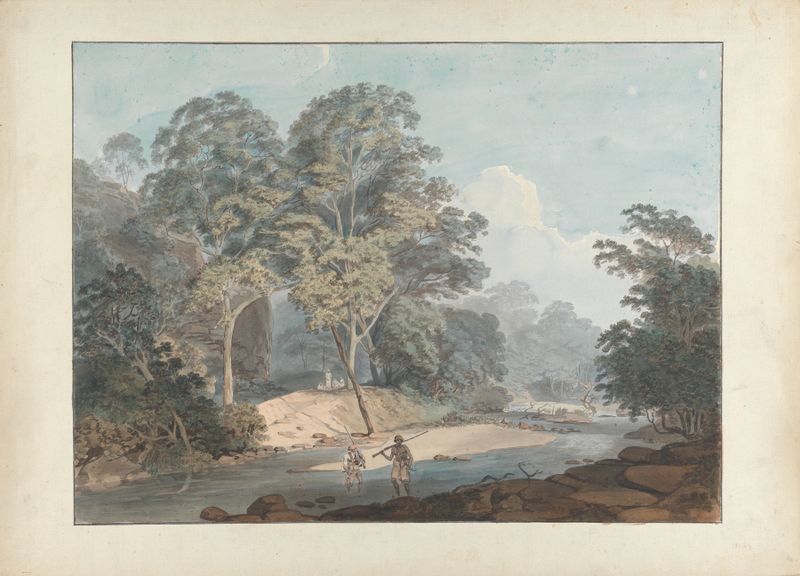
Rocky River Scene with Sepoys
Samuel Davis
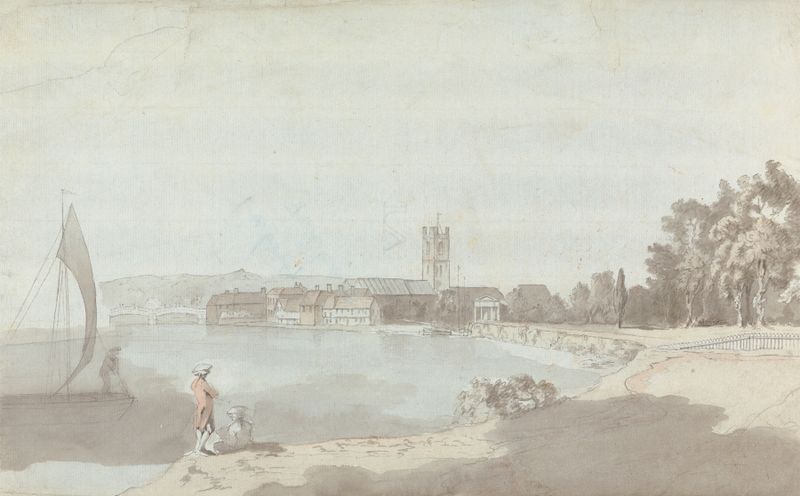
West Country Town by a River
Samuel Davis
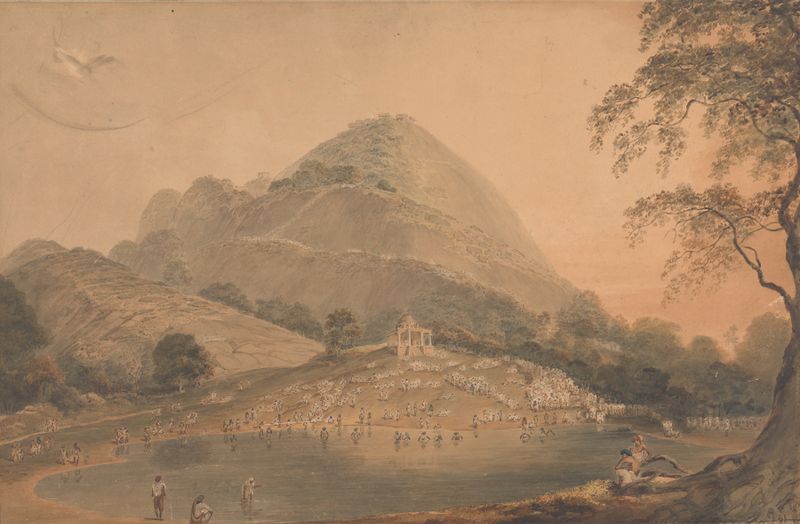
The Annual Resort of Hindoos to Mundar Hill near Bhagulpore [Bhagalpur]
Samuel Davis





