Discover insights about this artwork
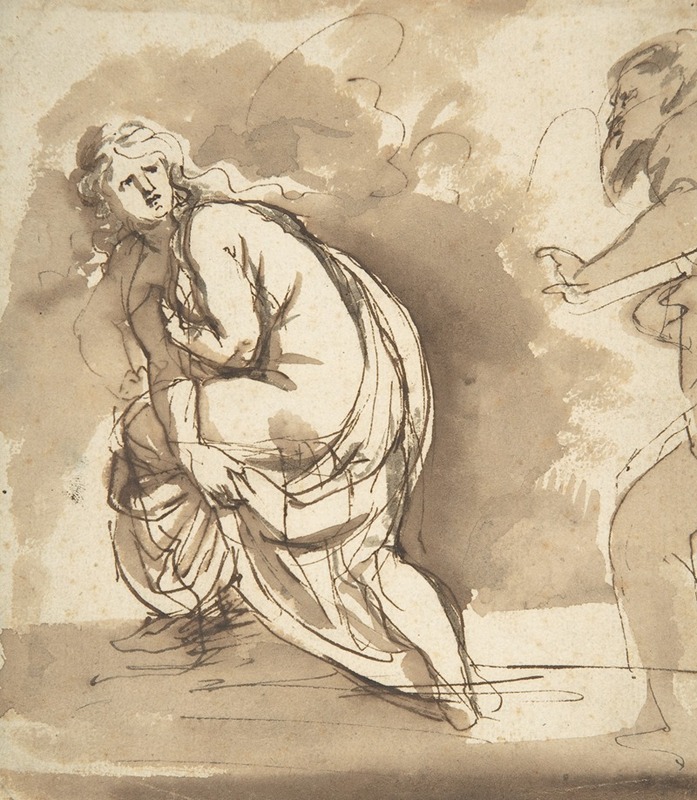
Satyr and Nymph — History & Facts
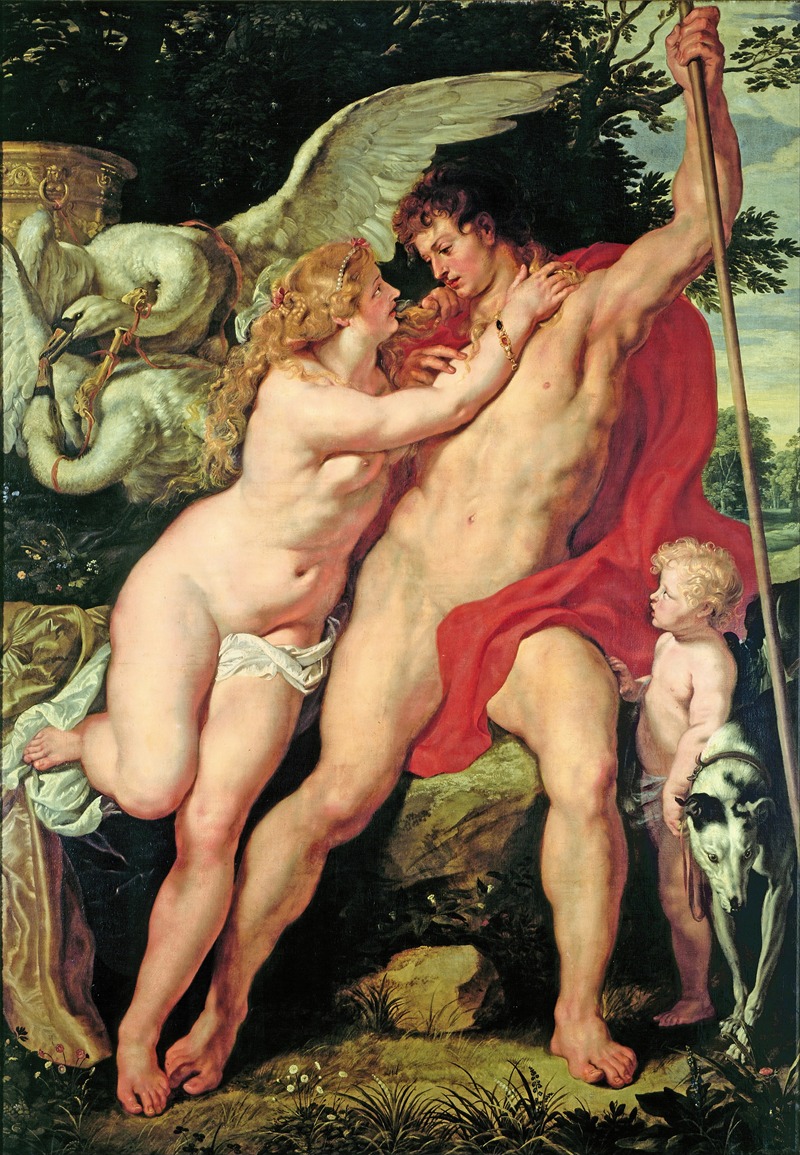
In Satyr and Nymph, Gerard van Honthorst presents a vibrant scene filled with lush greens and warm earth tones. The figures of the satyr and nymph are depicted in a playful embrace, surrounded by foliage and soft light. The satyr, with his goat-like features, contrasts with the delicate beauty of the nymph.
This dynamic interaction draws the viewer into a world of myth and nature. The painting is executed in oil on canvas, a common medium during the Baroque period. Honthorst's use of chiaroscuro highlights the figures, creating a dramatic effect that enhances the emotional intensity of the scene. The composition is balanced, with the figures positioned centrally against a backdrop of rich greenery.
The approximate dimensions of the work are 100 x 130 cm, making it a substantial piece. Gerard van Honthorst was a prominent Dutch painter known for his contributions to the Baroque style. This work, created in the 1620s, reflects the artist's fascination with mythological themes and the human form. An interesting fact about this painting is that it showcases Honthorst's mastery of light and shadow, a technique that was influenced by his time in Italy.
The painting is currently housed in the Museo del Prado, where it continues to attract art enthusiasts.
More Artworks by Gerard van Honthorst
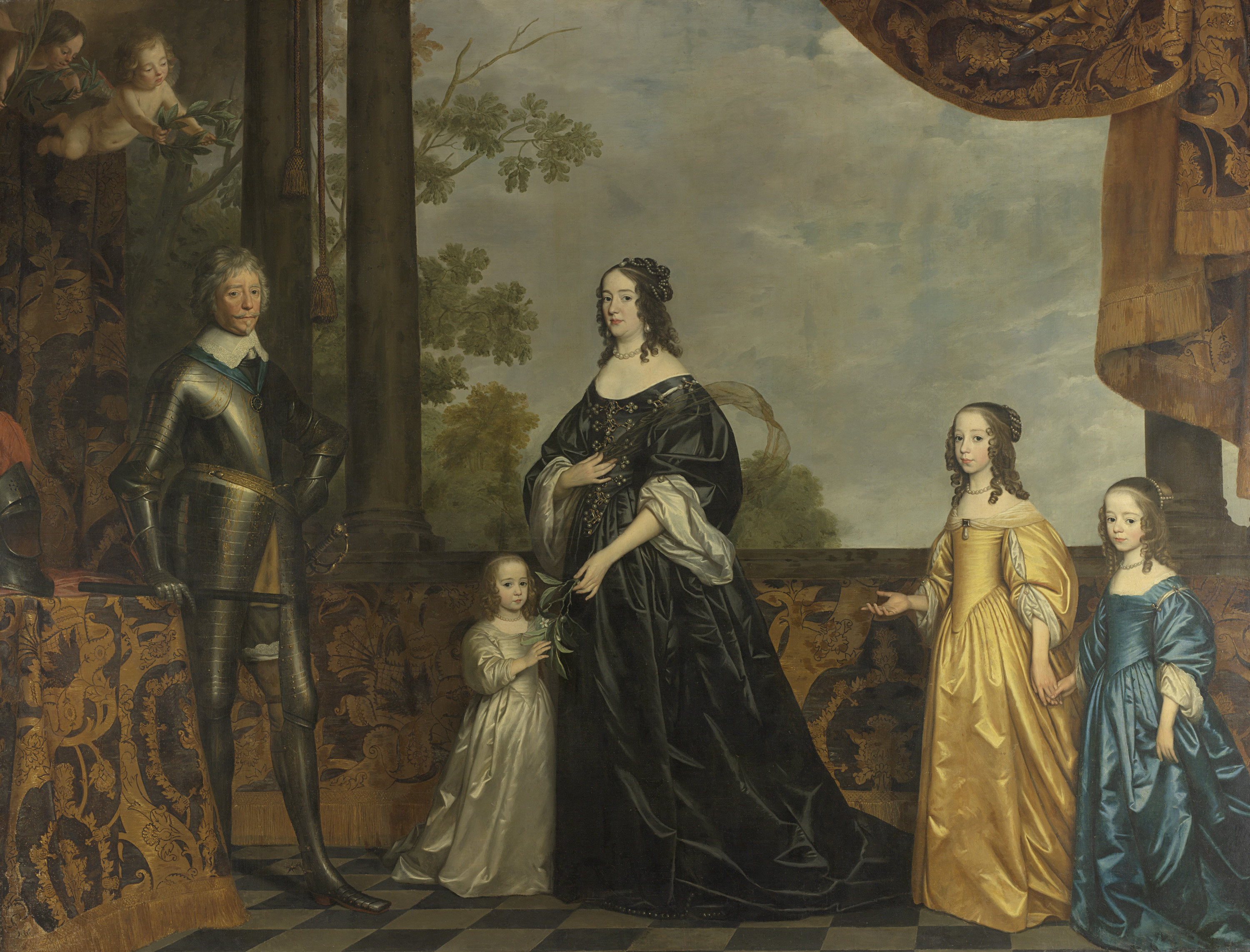
Frederick Henry, his Consort Amalia of Solms, and their Three Youngest Daughters
Gerard van Honthorst
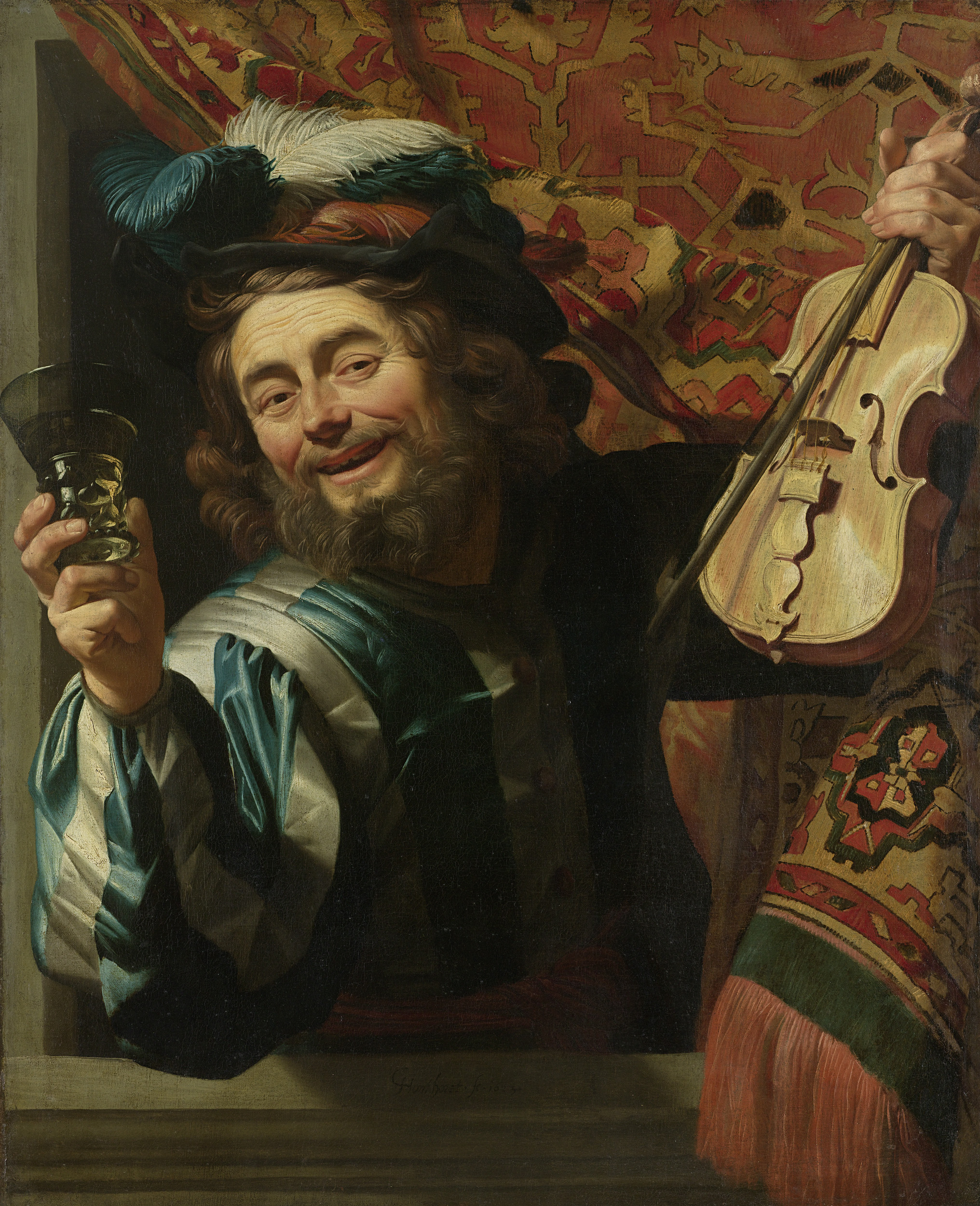
The Merry Fiddler
Gerard van Honthorst
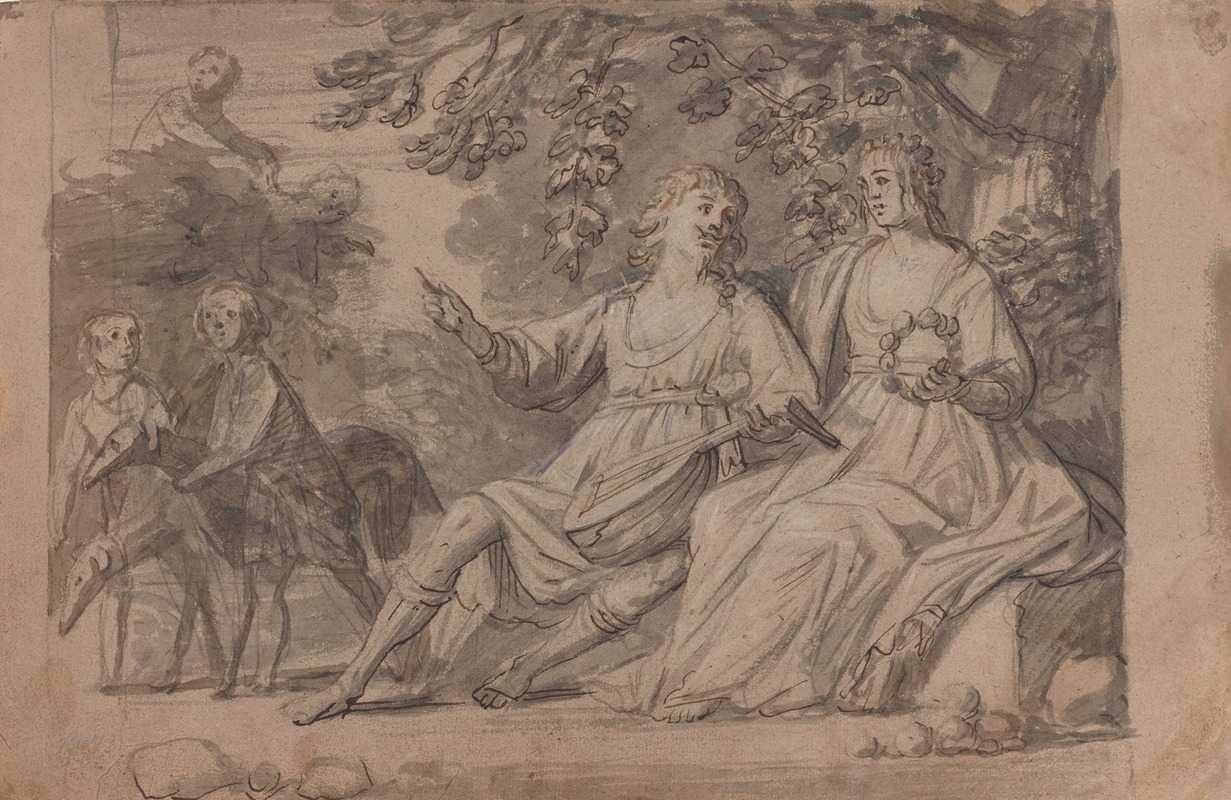
Pastoral scene of a man and a woman
Gerard van Honthorst
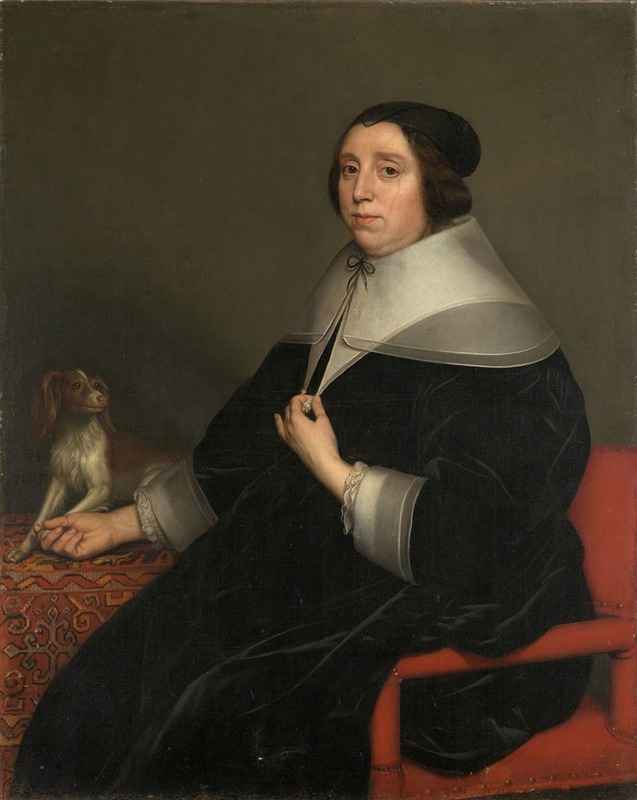
Portrait of a Woman
Gerard van Honthorst
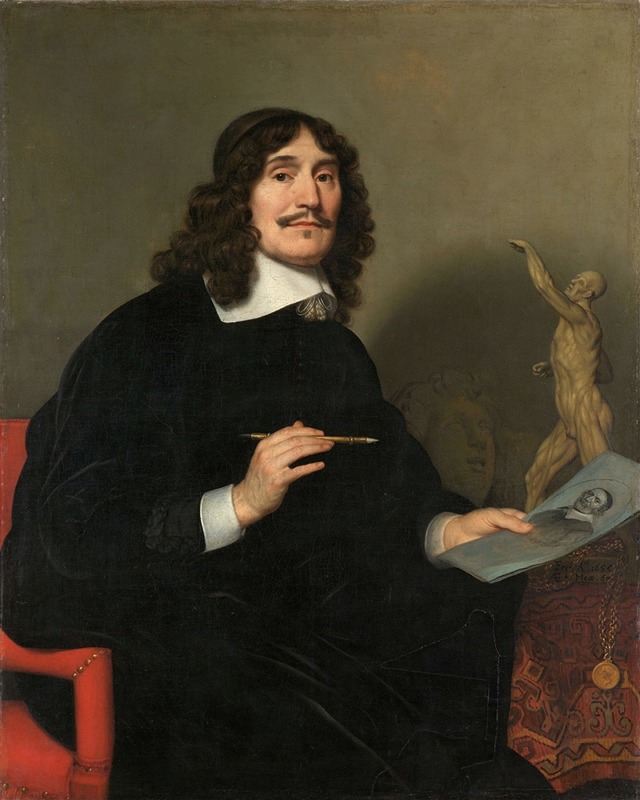
Portrait of an Artist
Gerard van Honthorst
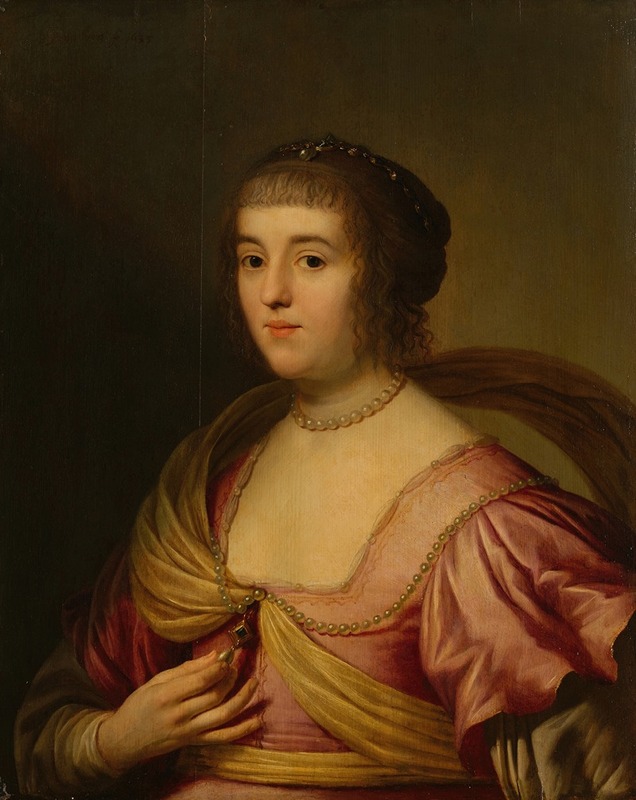
Portrait of Amalia van Solms
Gerard van Honthorst
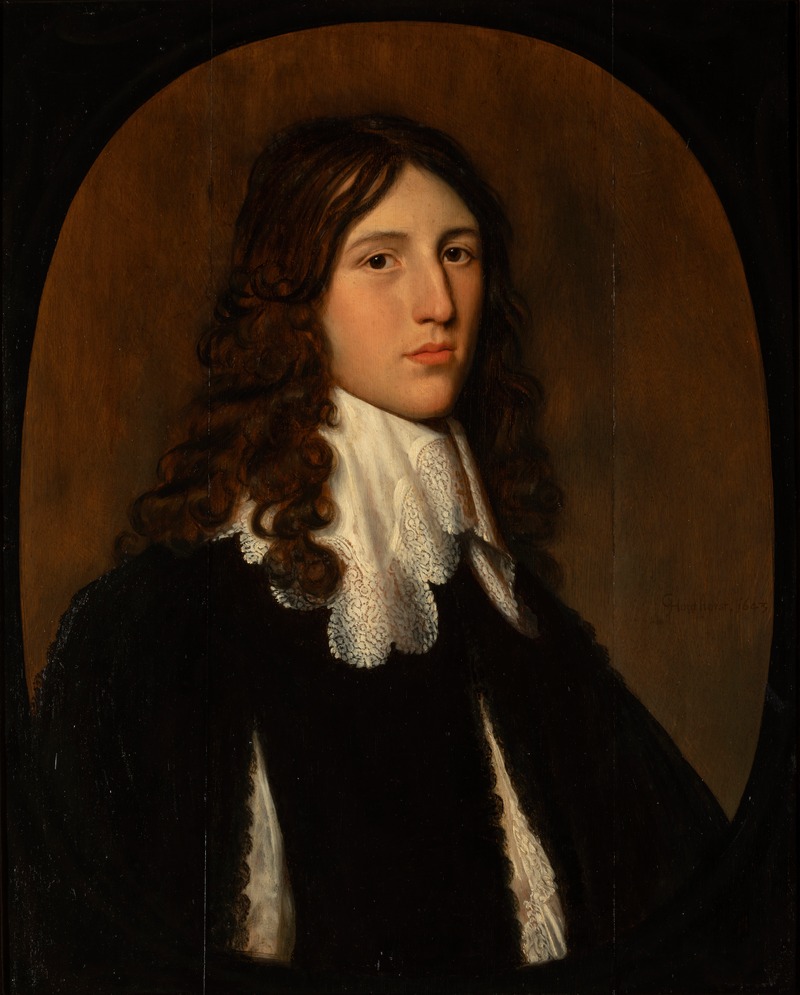
Portrait of Willem van Beveren (1624-1672)
Gerard van Honthorst
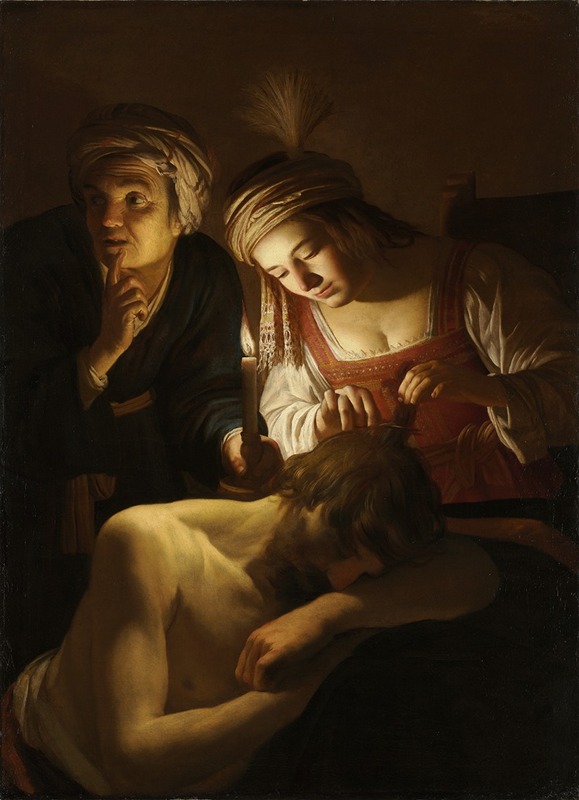
Samson and Delilah
Gerard van Honthorst
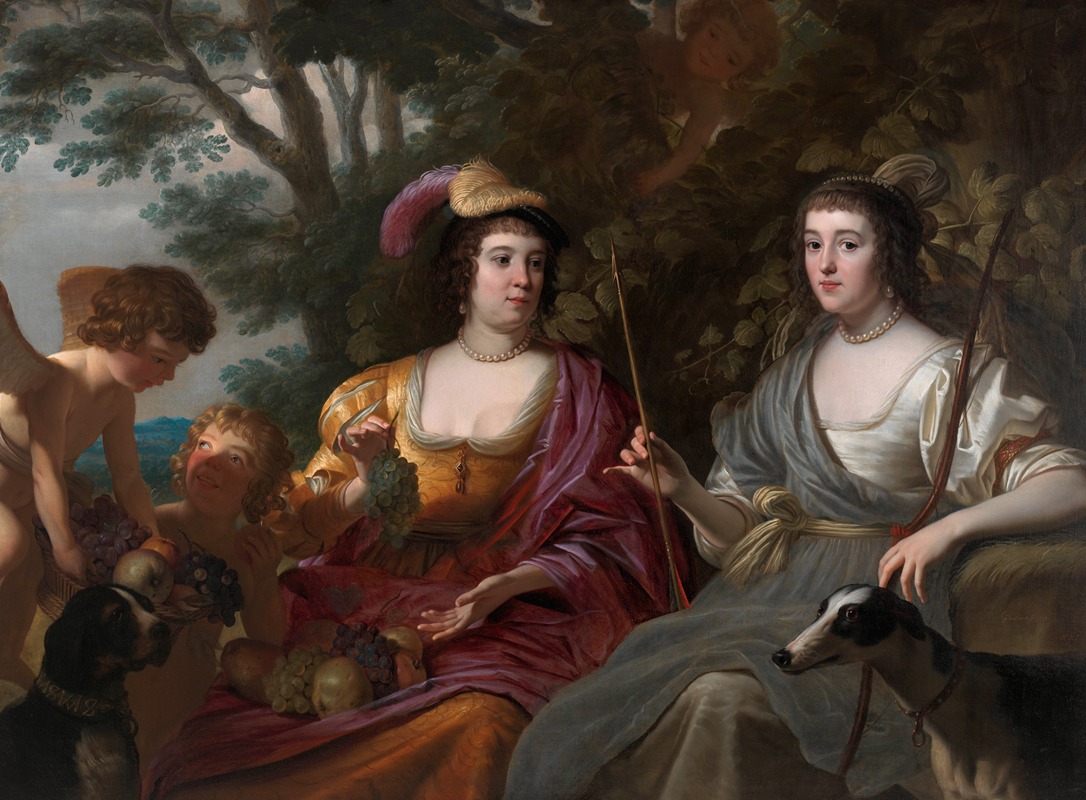
Double Portrait of Amalia van Solms and Charlotte de La Trémoïlle
Gerard van Honthorst
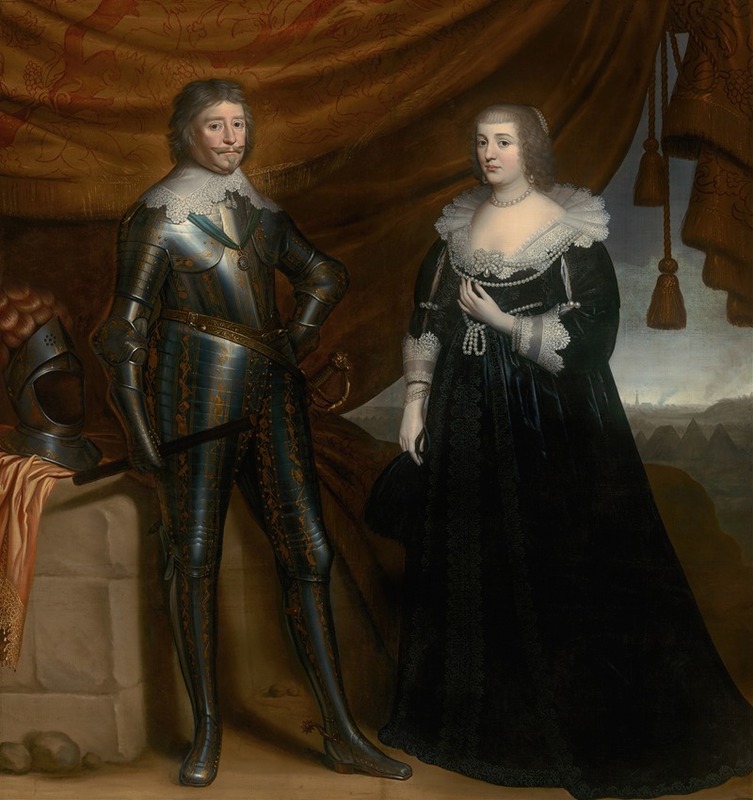
Double Portrait of Frederik Hendrik (1584- 1647) and Amalia of Solms-Braunfels (1602- 1675)
Gerard van Honthorst