Satyr speelt op een lier — History & Facts
In the soft glow of Beham’s masterful brushwork, beauty unfurls like a whispered secret, inviting the viewer to explore its delicate layers. Begin your journey by focusing on the satyr, poised in the center of the canvas, gracefully strumming a lyre. Notice the intricate detailing of his muscular form, every curve and shadow brought to life by the gentle interplay of light and dark. The rich earth tones of his skin contrast beautifully with the vibrant greens and golds surrounding him, suggesting both harmony and a nature-infused melancholy.
Each stroke reveals the artist’s expertise, capturing not only the physicality of the figure but also the ethereal quality of the moment. As you delve deeper, consider the tension between the satyr’s playful demeanor and the solitude that envelops him. His enchanting music seems to transcend the viewer’s space, drawing the listener into a realm where beauty dwells amid the shadows of the wild. The surrounding foliage, lush and wild, mirrors the duality of nature—offering both allure and the reminder of underlying chaos.
The serene expression on the satyr's face suggests an introspective moment, prompting thoughts of beauty as a fleeting, yet profound, experience. Hans Sebald Beham painted this work circa 1510 to 1550 during a time of remarkable change in the world of art, embracing the Renaissance's humanistic ideals. Born in Nuremberg, he was influenced by the burgeoning exploration of classical themes and figures, which marked a shift in the approach to beauty and expression in art. This piece reflects his mastery of engraving and painting, showcasing the interplay of myth and reality that characterized his oeuvre, amidst a backdrop of evolving artistic perspectives in 16th-century Europe.
More Artworks by Hans Sebald Beham
Browse all →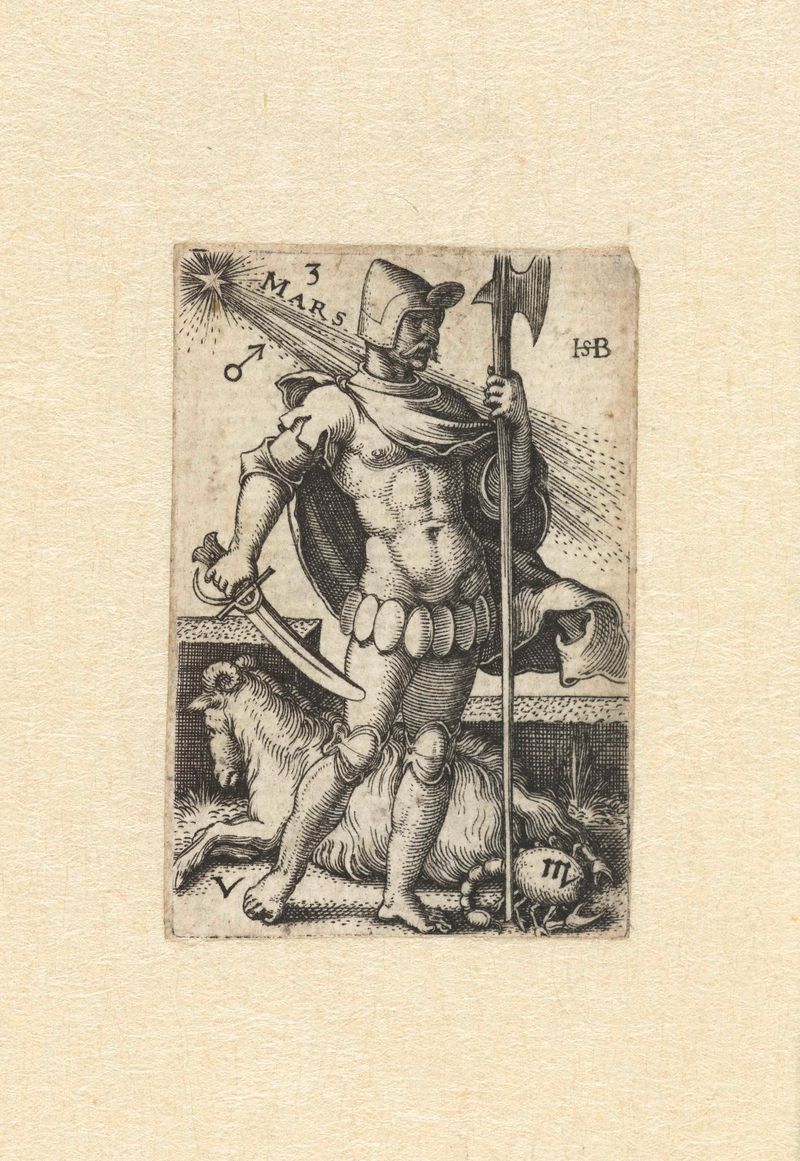
Mars met sterrenbeelden Ram en Schorpioen
Hans Sebald Beham

Achilles in gevecht met Hector
Hans Sebald Beham
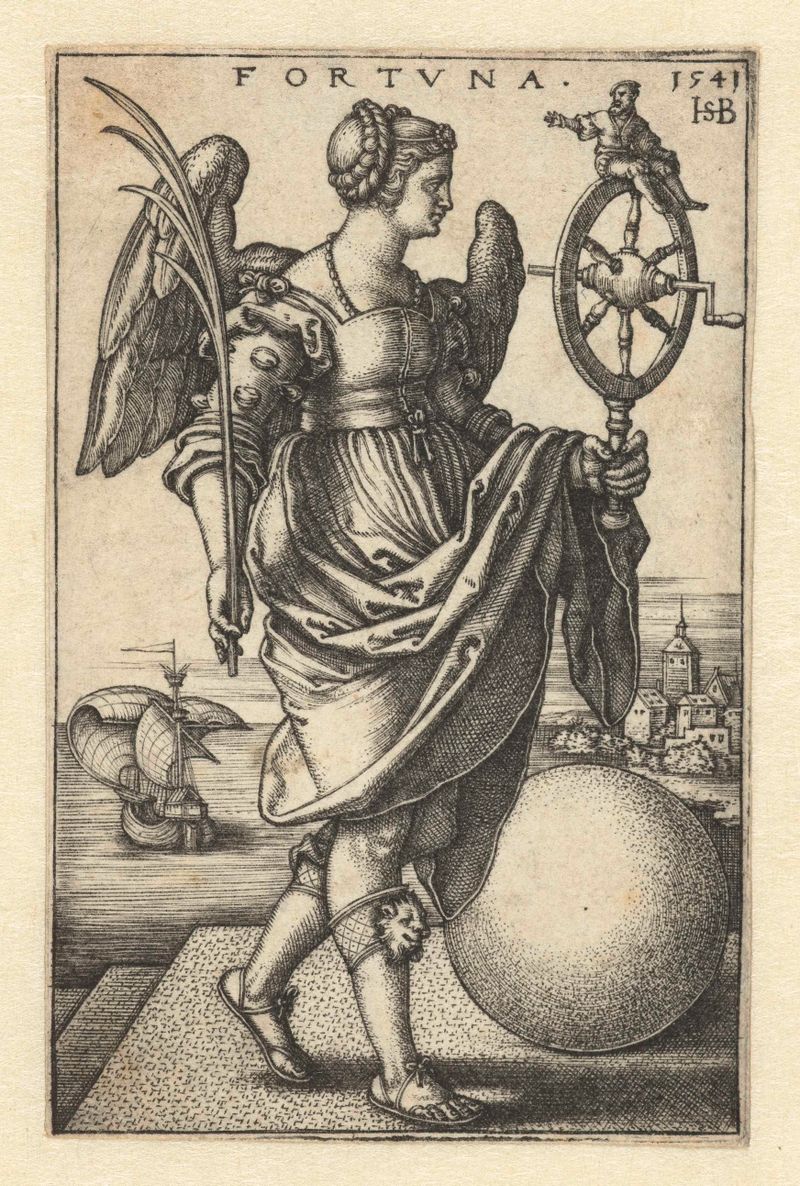
Fortuna
Hans Sebald Beham

Hercules worstelt met Antaeus
Hans Sebald Beham

Twee muzikanten met schalmey en doedelzak
Hans Sebald Beham

Voorzichtigheid (Prudentia)
Hans Sebald Beham

Hercules in gevecht met de Trojanen
Hans Sebald Beham
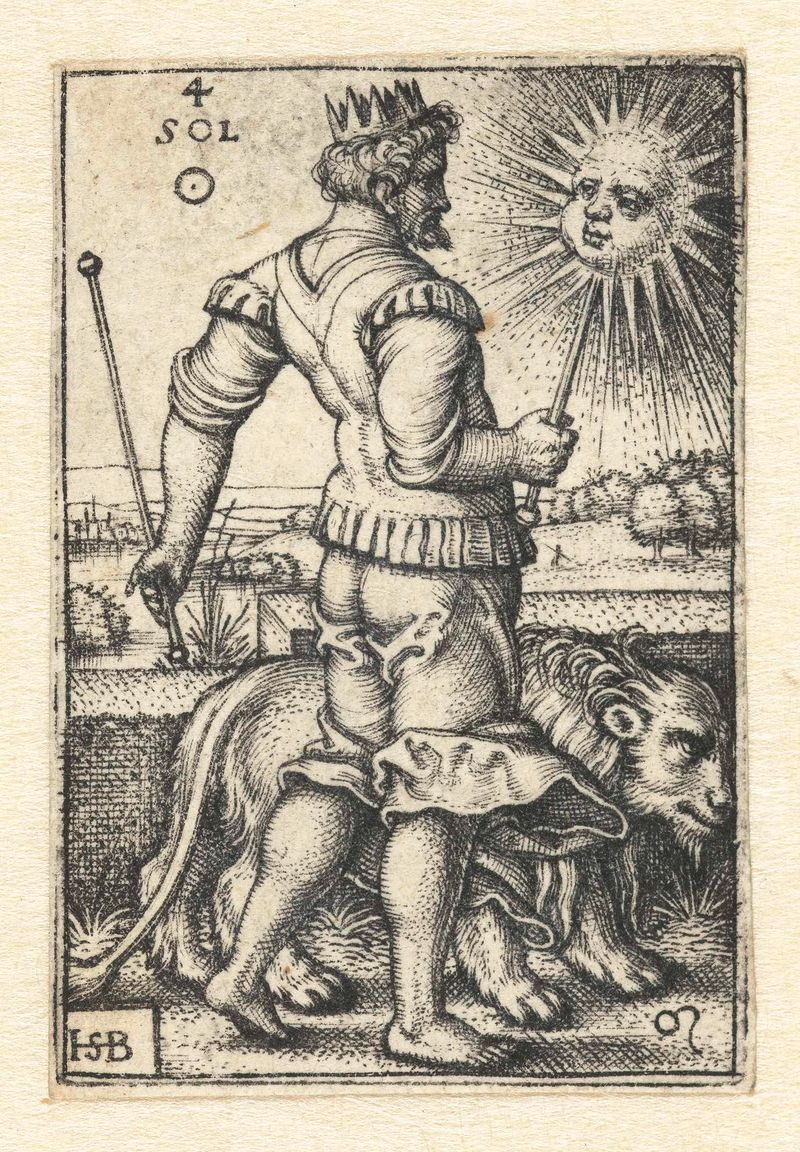
Apollo (Sol) met sterrenbeeld Leeuw
Hans Sebald Beham
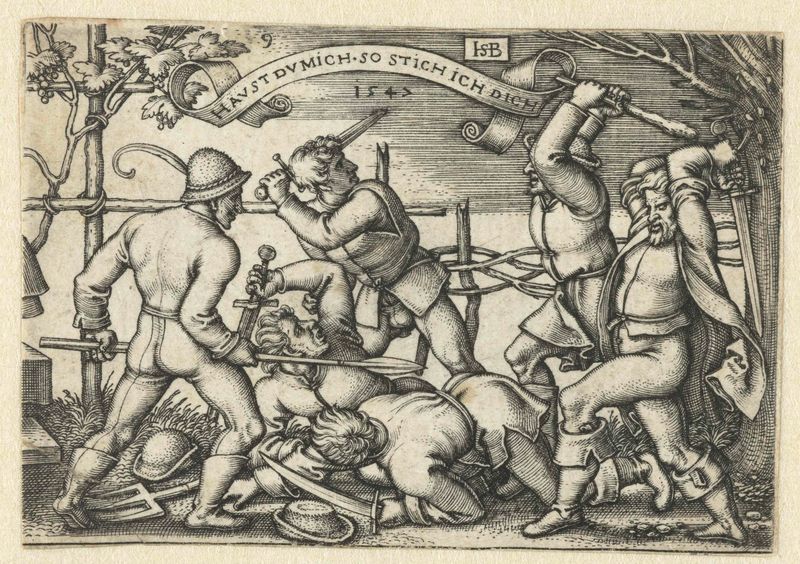
Vechtende boeren met zwaarden
Hans Sebald Beham
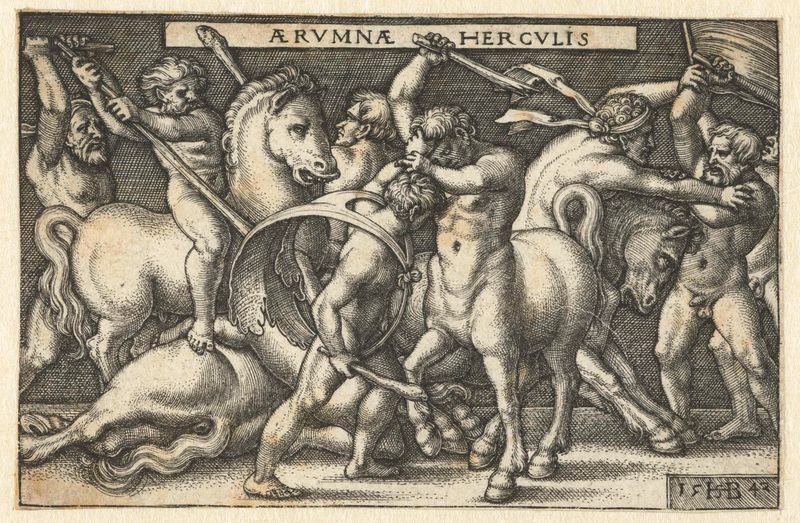
Hercules in gevecht met centaurs
Hans Sebald Beham