Saucer-dish with hunting scene, lotus scrolls and auspicious symbols — History & Facts
Can beauty exist without sorrow? In the delicate curves and vibrant imagery of a saucer-dish created around the turn of the 18th century, one might ponder this very question, reflecting on the fragility of existence woven into art. Focus on the central hunting scene—two figures engaged in a chase, their forms gracefully painted against a backdrop of swirling lotus scrolls. Notice the interplay of colors; the rich blues and greens dance with subtle gold accents that catch the light, celebrating the intricate details of nature. Each brushstroke reveals a meticulous hand, invoking both a sense of movement and a moment frozen in time, inviting the viewer to linger. The juxtaposition of the dynamic hunting scene and the serene lotus motifs suggests a deeper narrative about the cycle of life and death.
The auspicious symbols encircling the dish evoke prosperity and good fortune, yet they also underscore the transience of such blessings. This delicate balance illuminates the tension between joy and loss, creating an emotional resonance that transcends the object itself. Created by an unknown artisan during the early 18th century, this saucer-dish reflects a period of rich artistic production in China, where porcelain became a sought-after medium. The era was marked by a flourishing trade, with western influences beginning to seep into traditional motifs.
Amidst this vibrant backdrop, the artist’s craftsmanship stands as a testament to both skill and the complex interplay of human experience.
More Artworks by Unknown Artist
Browse all →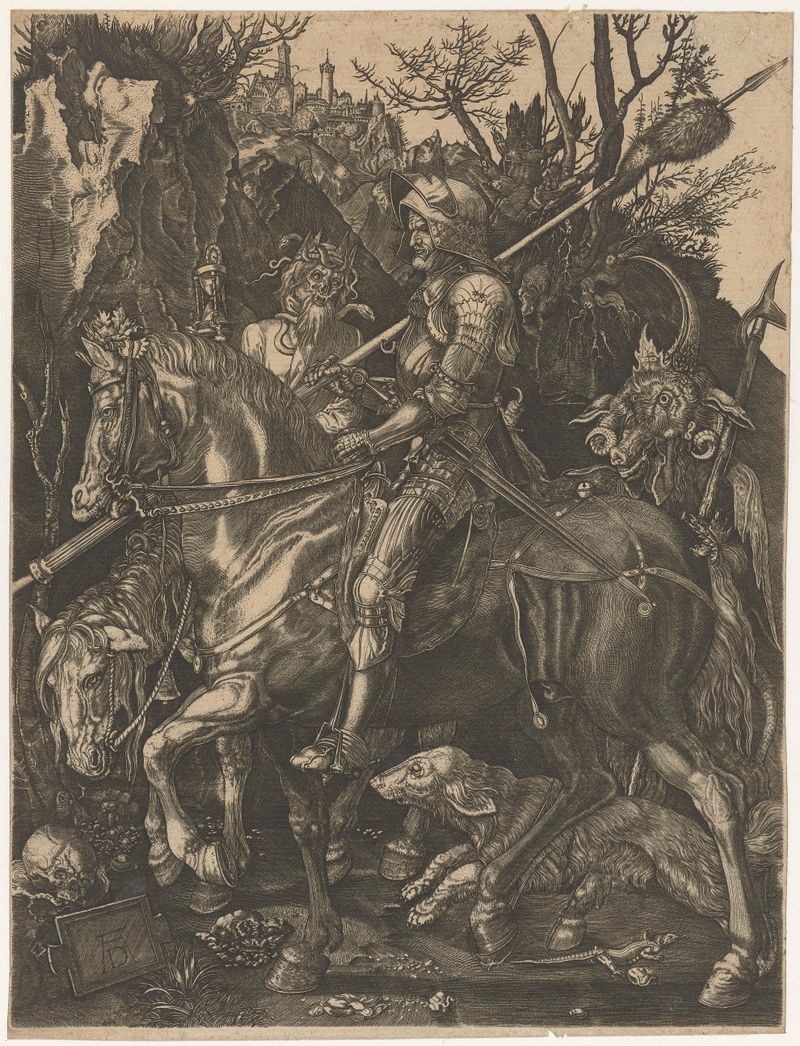
Ridder, Dood en Duivel
Unknown Artist
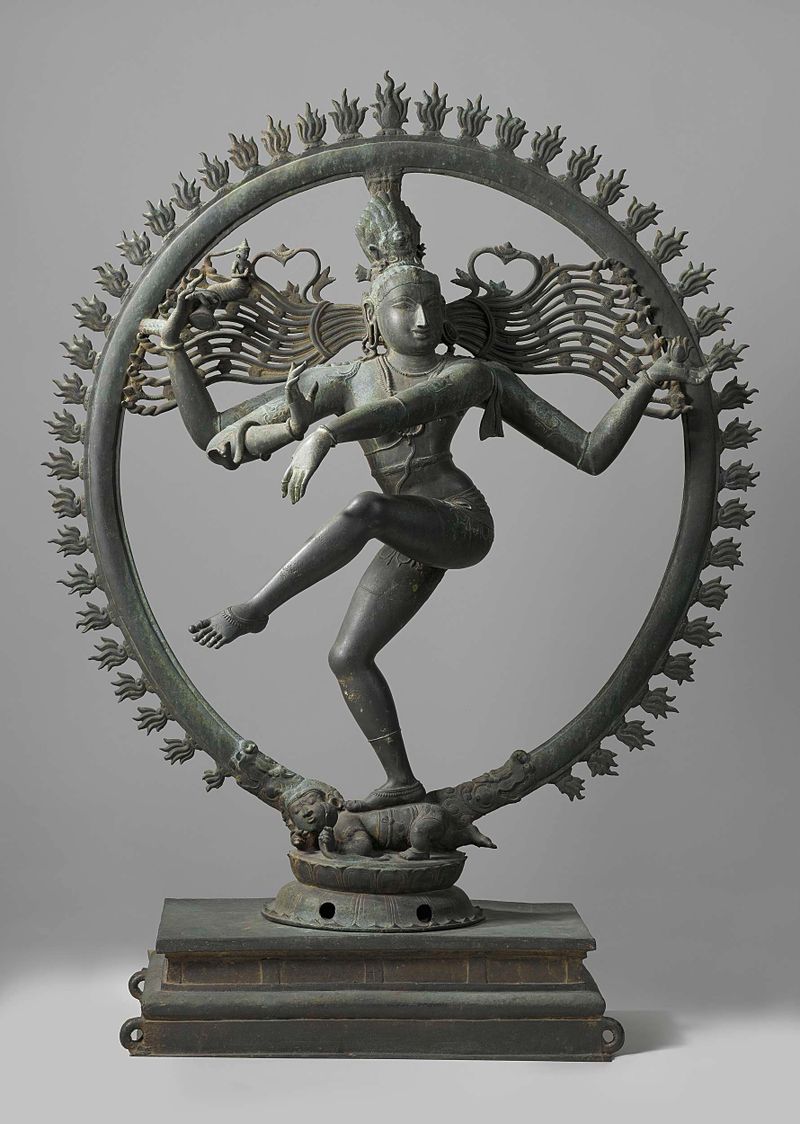
Shiva Nataraja
Unknown Artist
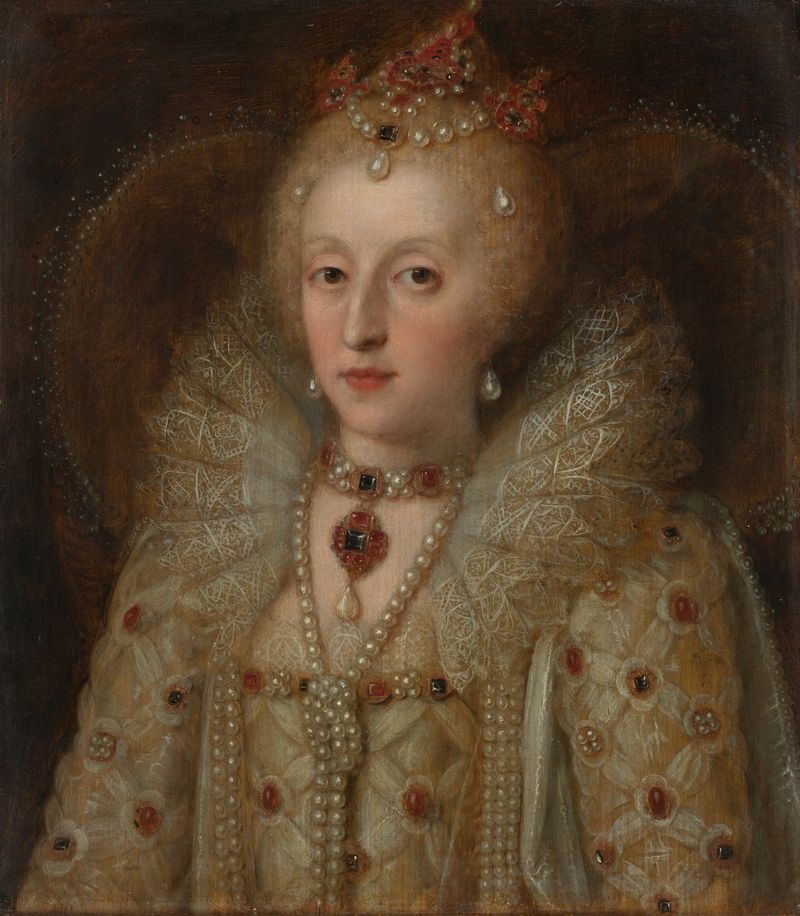
Portrait of Elizabeth I, Queen of England
Unknown Artist
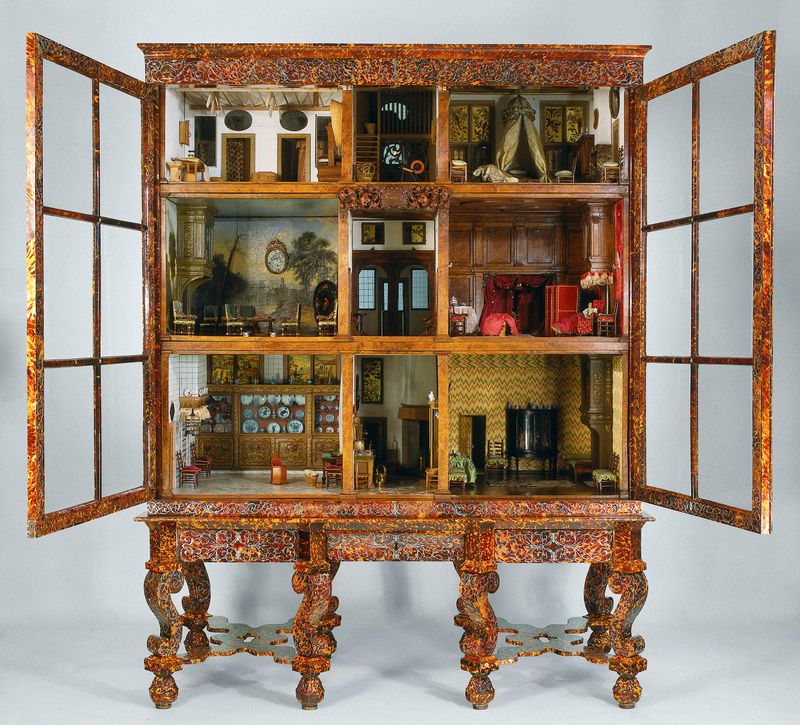
Dolls’ house of Petronella Oortman
Unknown Artist
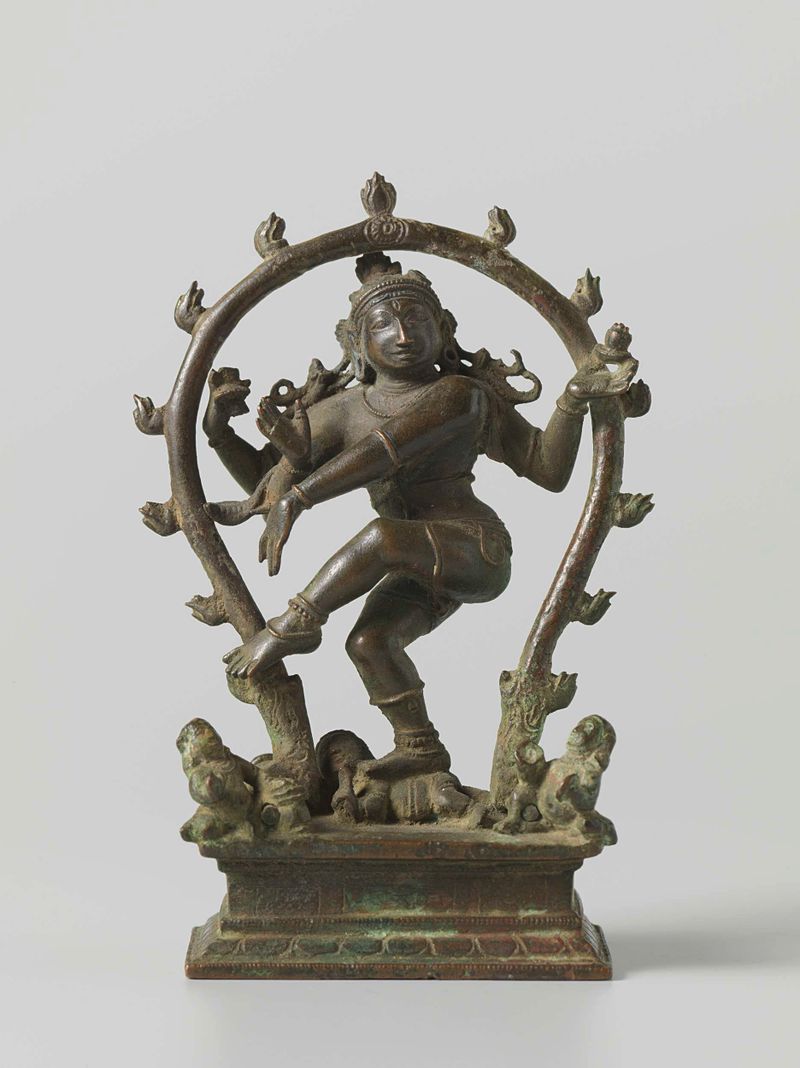
Shiva Nataraja
Unknown Artist

The Tale of Genji
Unknown Artist

The Tale of Genji
Unknown Artist
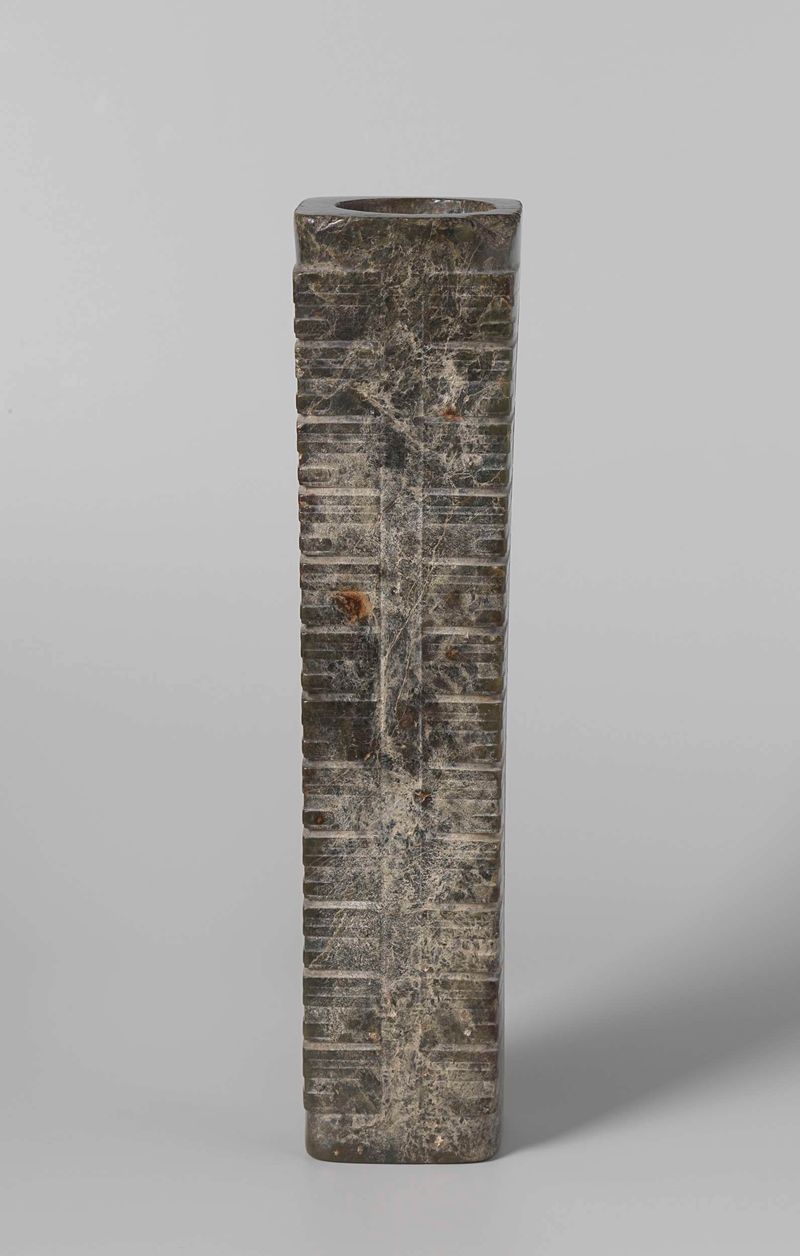
Cong
Unknown Artist
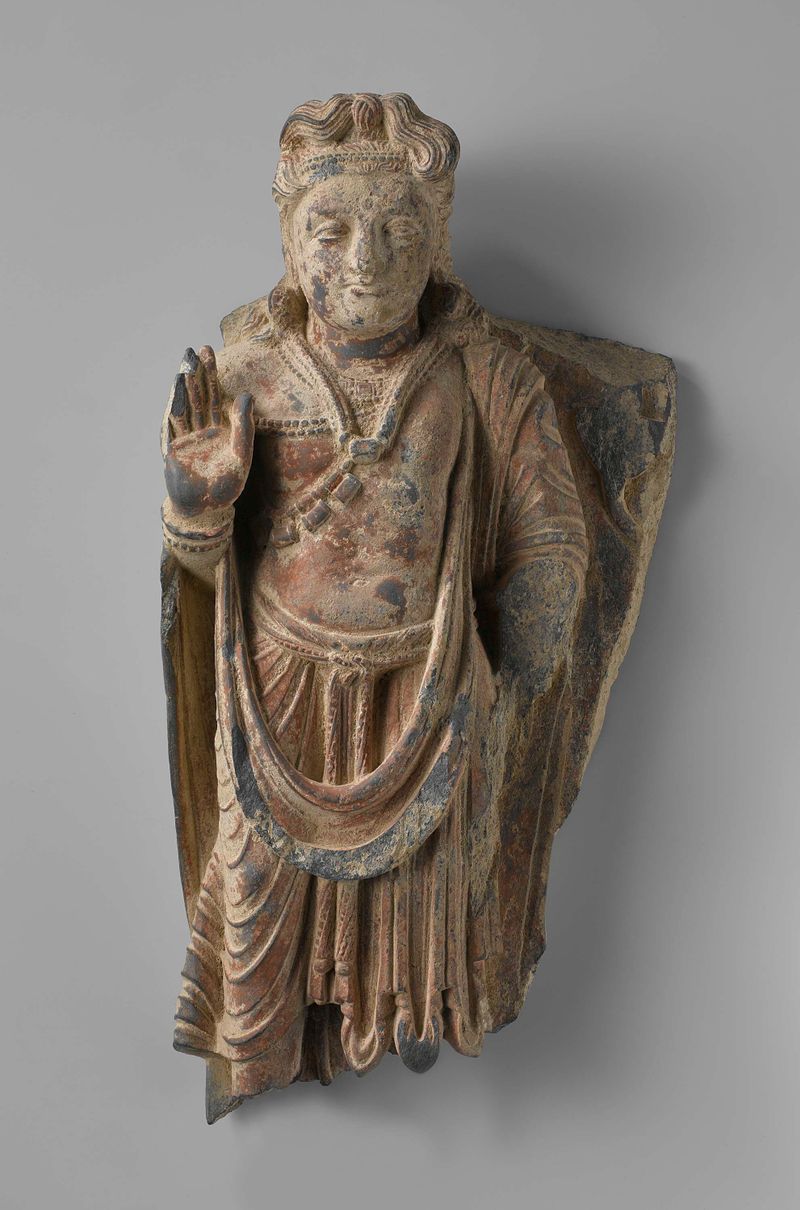
The bodhisattva Maitreya
Unknown Artist
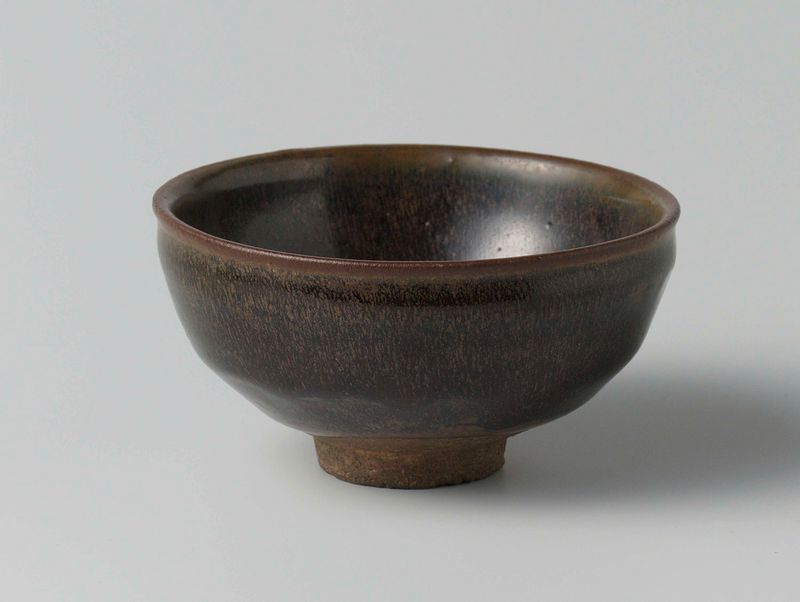
Teabowl with a 'hare's fur' glaze
Unknown Artist