Scene on Lake Maggiore — History & Facts
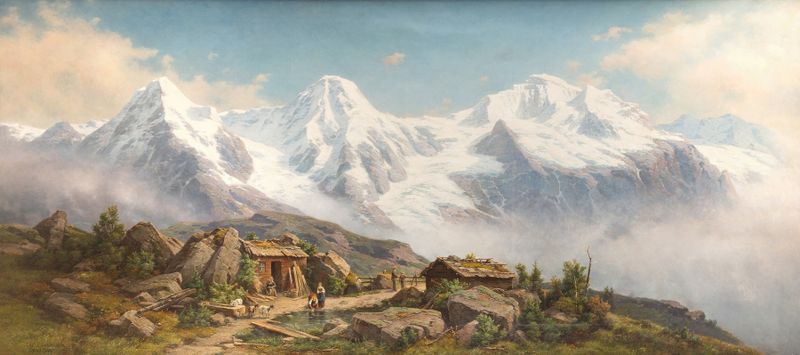
In the gentle embrace of stillness, serenity unfurls, inviting contemplation and reflection. The unspoken truths of nature echo through the tranquil beauty of a lakeside scene, revealing layers of emotion beneath its calm surface. Look to the left at the shimmering water, where soft ripples hint at the presence of a gentle breeze, dancing over the lake's surface. The horizon is a delicate blend of greens and blues, with the lush foliage reflecting in the pristine waters.
Notice how the light falls upon the trees, creating a dappled effect that draws your gaze towards the distant mountains, their majestic presence softened by a veil of mist. Each brushstroke is deliberate, weaving depth into the composition and offering a sense of harmony that envelops the viewer. Within this peaceful landscape, interpretations abound. The stillness may evoke personal memories of moments spent by the water, a cathartic release from life's complexities.
Contrasting the vividness of the natural world, the untouched areas hint at the vulnerability of solitude, urging one to confront the emotions that arise in quiet moments. The juxtaposition of light and shadow reveals an inner dialogue, where serenity can coexist with melancholy, suggesting that stillness often conceals deeper waters of feeling. During the late 19th century, while creating this work, the artist found himself immersed in an evolving artistic landscape, embracing the ideals of Romanticism. Lindlar painted this piece amid an era marked by a growing appreciation for nature, captured through a desire to evoke emotion and introspection.
At this time, artists were exploring how to convey the sublime beauty of the natural world, making it a pivotal moment in art history.