Scheldedorp — History & Facts
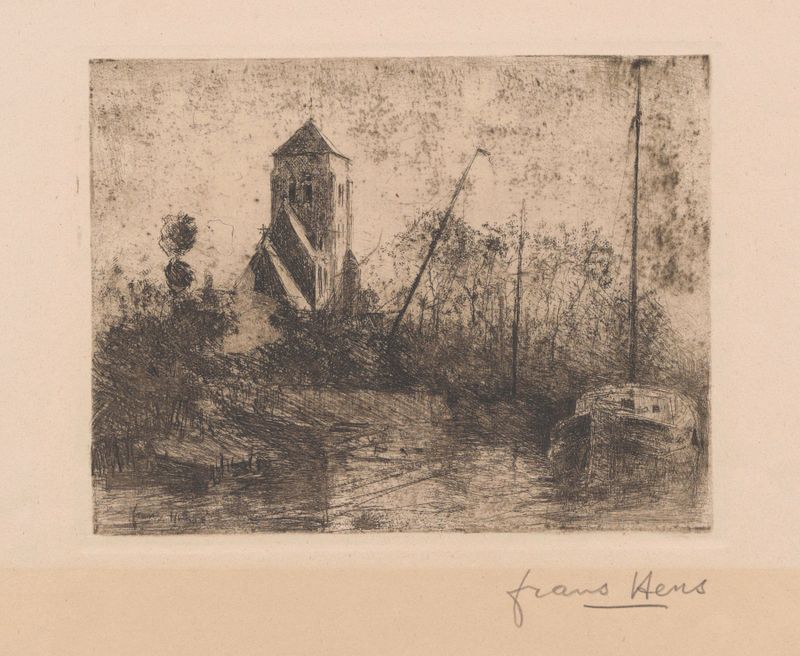
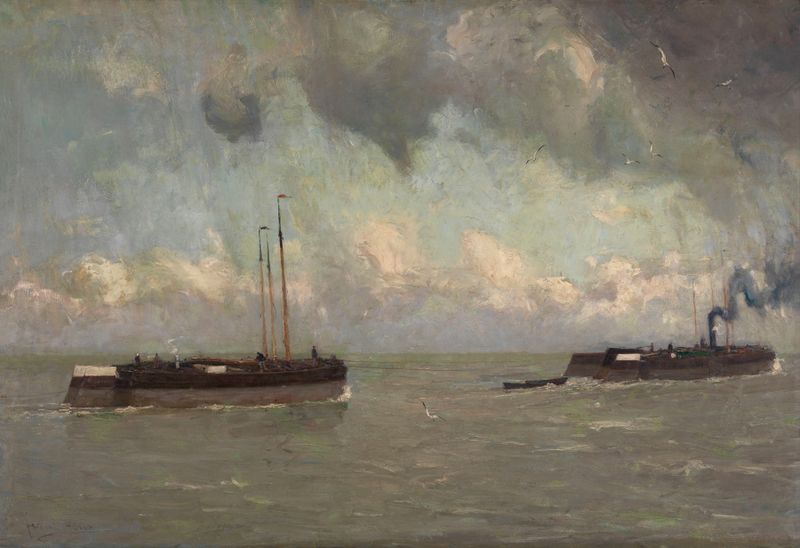
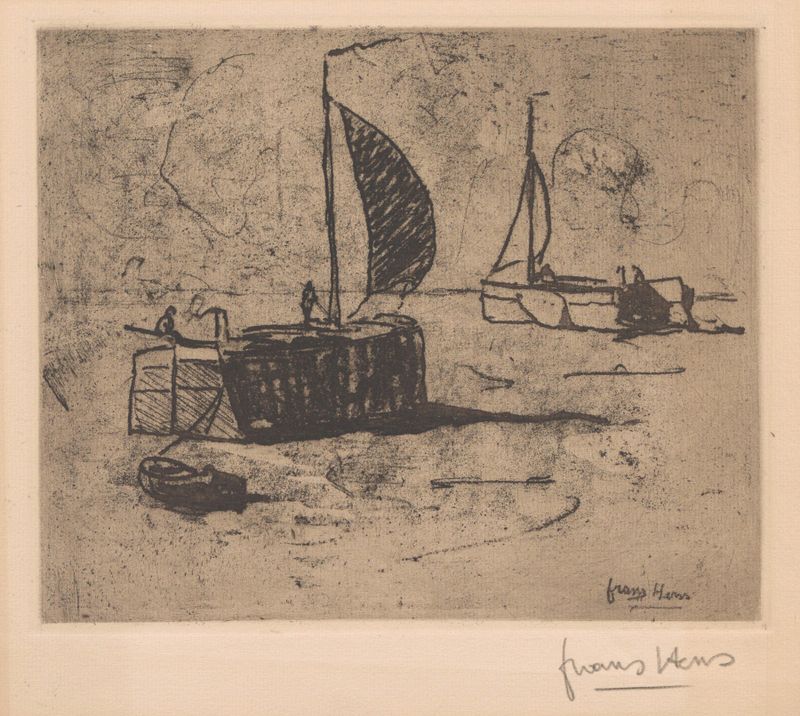
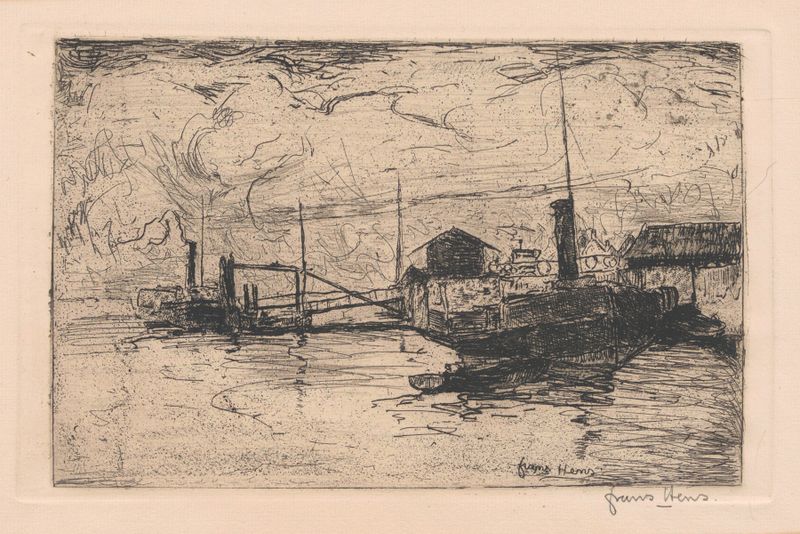
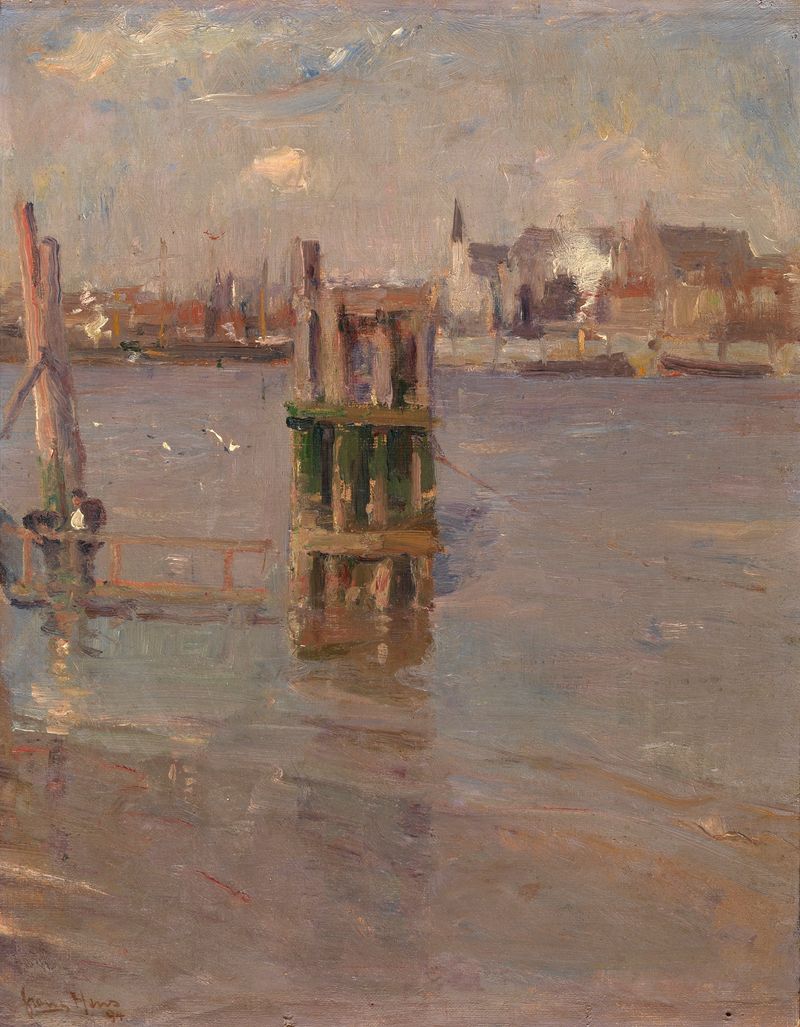
Within the quiet embrace of nostalgia, memories linger like whispers from a distant past, yearning for recognition. Look to the foreground where small boats bob gently on the water, their reflections shimmering like delicate brushstrokes on a jeweled surface. The hues of blue and green captivate, infused with touches of golden light that suggest the warmth of late afternoon. Notice how the angular rooftops of the village rise sharply against the soft, undulating backdrop of gentle hills; it is a contrast of man-made order and nature’s fluidity.
Each element harmonizes, inviting the viewer to wander through both the scene and the memories it evokes. Yet, the artwork unfolds deeper meanings beneath its serene surface. The boats, tethered yet adrift, mirror the tension between stability and freedom, while the silhouettes of townsfolk evoke a sense of community intertwined with an undercurrent of isolation. There is a gentle melancholy in the way the landscape cradles this village—a reminder that time drifts, carrying with it both cherished moments and the inevitable passage of life.
Thus, Scheldedorp becomes a meditation on belonging and transience, inviting introspection about what has been lost or preserved in memory. Frans Hens painted Scheldedorp in 1894, during a period marked by a burgeoning interest in realism and a deep engagement with the Dutch landscape. Living in the Netherlands amid the late 19th-century artistic revival, Hens was inspired by his surroundings—drawing from both nature and the daily lives of the people within it. This work reflects a moment where art served not just as representation, but as a vessel for emotional resonance, capturing the essence of a rapidly modernizing world.