Scherven van borden uit V.O.C.-schip de 'Witte Leeuw' — History & Facts
In the midst of chaos, fragments find their voice, whispering stories of loss and endurance. This artwork offers a glimpse into the tumultuous nature of existence, where every broken piece reflects a deeper truth. Look closely at the chaotic assembly of shards strewn across the canvas. The sharp lines and jagged edges of the porcelain tell a story of destruction, yet they are rendered with an unexpected elegance.
Notice how the interplay of light accentuates the delicate hues — muted blues and soft whites mingle with dark shadows, forming a poignant contrast that compels the viewer to contemplate the remnants of a greater whole. Within this disarray lies a sense of longing, as each fragment embodies the spirit of a time long past. The chaotic arrangement hints at a larger narrative, perhaps a shipwreck or the aftermath of a voyage gone awry. The juxtaposition of beauty and ruin evokes an emotional tension, inviting us to reflect on what is lost and what remains, encouraging a meditation on resilience amid despair. The artist, whose identity remains unknown, created this piece before 1613, likely influenced by the turbulent maritime history of the Dutch East India Company.
During this period, exploration and trade were rife with peril, and the remnants of a ship like the Witte Leeuw would have symbolized both adventure and tragedy. This artwork, steeped in historical weight, captures the essence of a world on the brink of transformation, encapsulating the chaos that defined an era.
More Artworks by Unknown Artist
Browse all →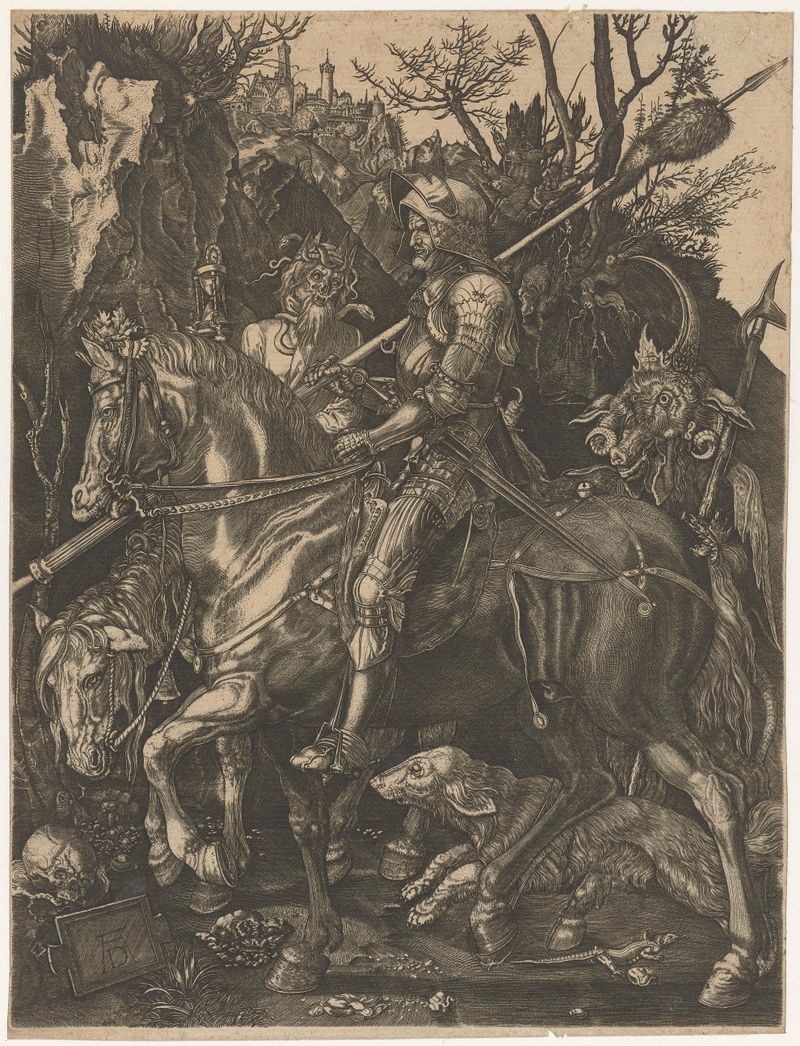
Ridder, Dood en Duivel
Unknown Artist
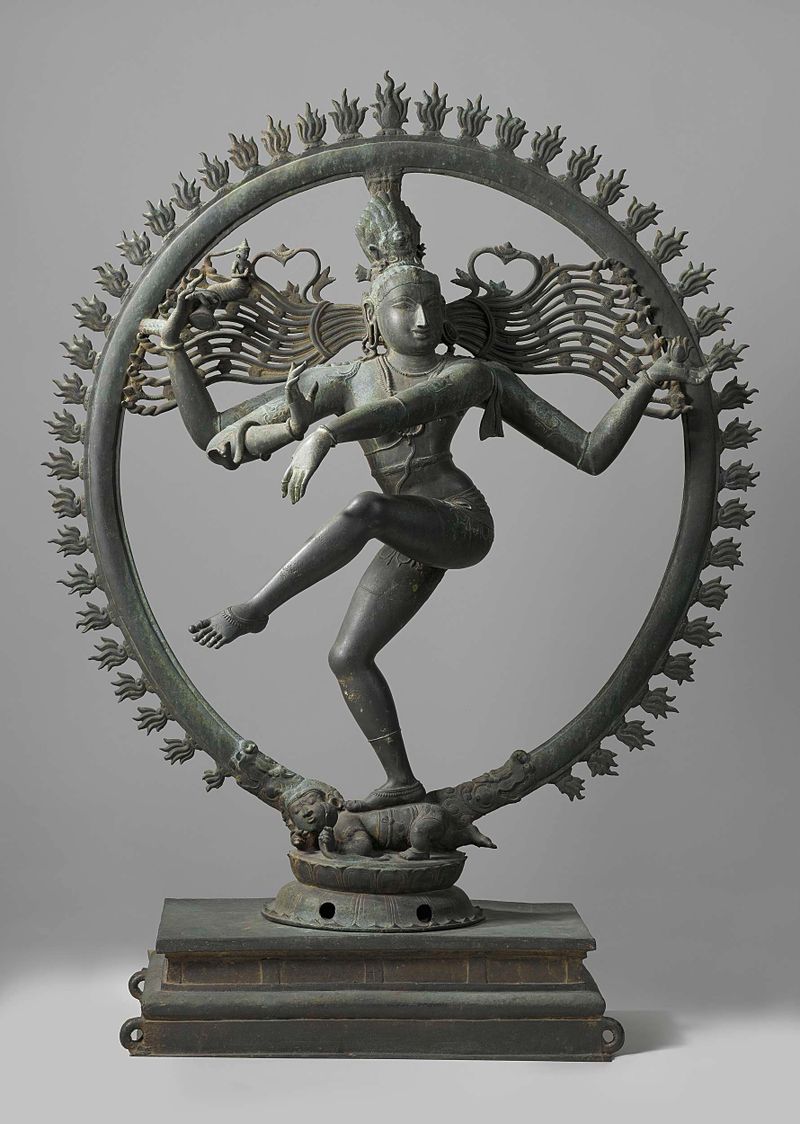
Shiva Nataraja
Unknown Artist
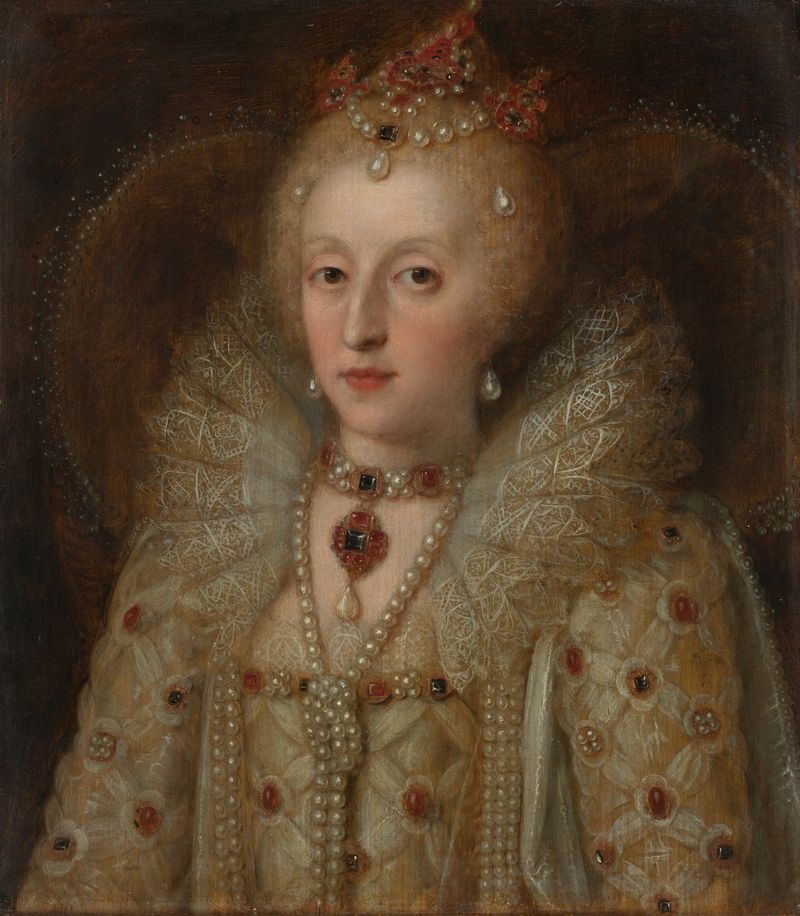
Portrait of Elizabeth I, Queen of England
Unknown Artist
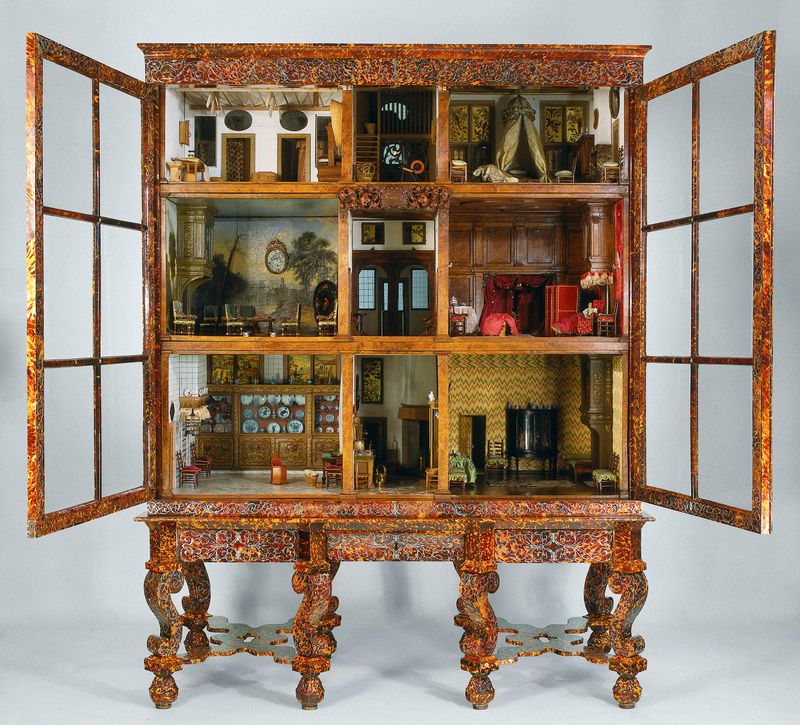
Dolls’ house of Petronella Oortman
Unknown Artist
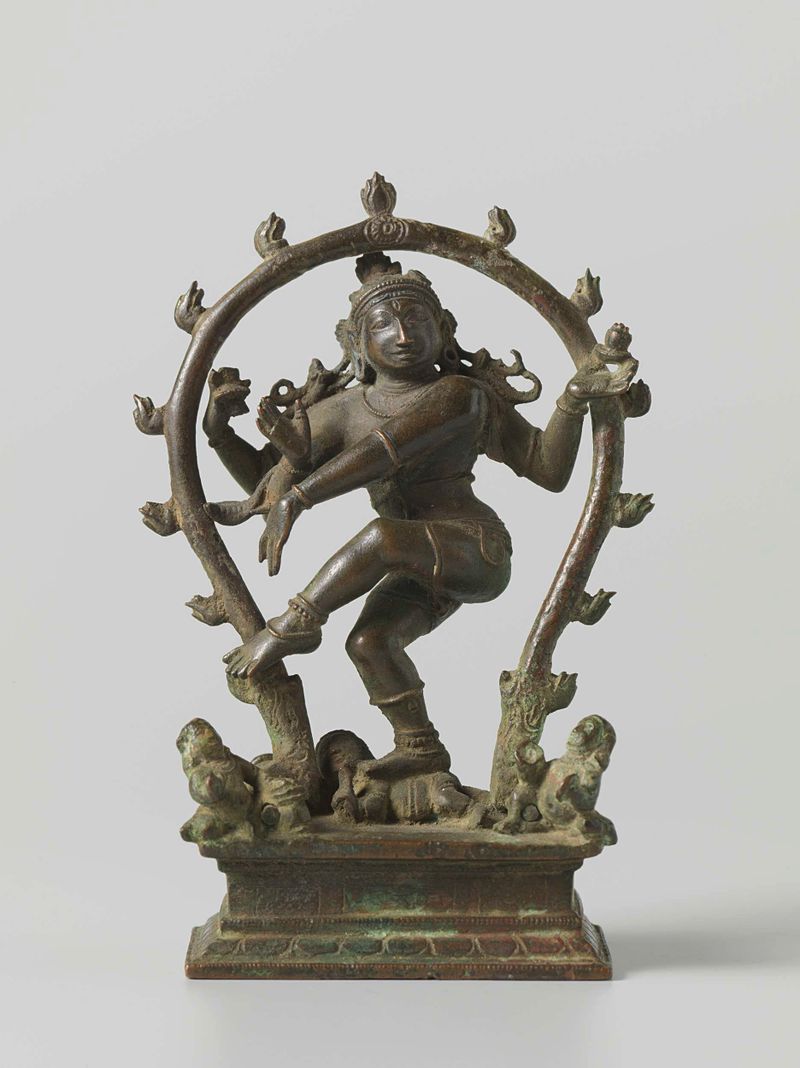
Shiva Nataraja
Unknown Artist

The Tale of Genji
Unknown Artist

The Tale of Genji
Unknown Artist

Cong
Unknown Artist
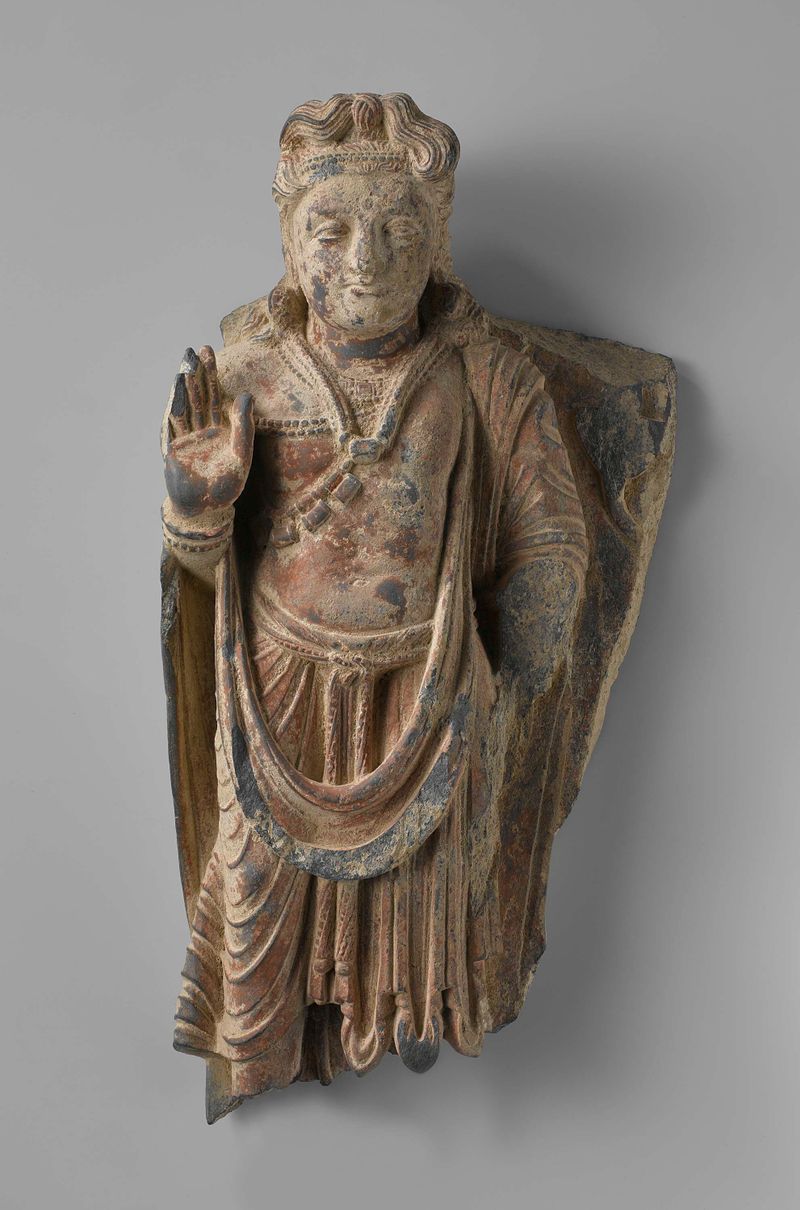
The bodhisattva Maitreya
Unknown Artist

Teabowl with a 'hare's fur' glaze
Unknown Artist