
Scherven van borden uit V.O.C.-schip de 'Witte Leeuw' — History & Facts
In the depths of history, fragments whisper untold tales, each shard an echo of destiny’s intricate tapestry. What stories lie behind these remnants, cast aside yet imbued with the weight of their past? Look closely at the scattered pieces that form the composition. Notice how they are arranged, each fragment drawing the eye in a gentle spiral—like a vortex pulling you into a forgotten world.
The muted colors create a somber palette, accentuated by the interplay of light and shadow, inviting contemplation. The textures of the broken plates contrast with the smoothness of the canvas, emphasizing the chaos of destruction and loss. Each chipped edge holds a silent narrative, suggesting not only the fragility of material existence but also the endurance of memory. The juxtaposition of the plates speaks to the intersection of human ambition and nature’s unforgiving hand.
As you examine the details, consider how these remnants reflect broader themes of exploration and the fateful encounters that shaped maritime history. Created before 1613, this work emerges from an era when the Dutch East India Company was expanding its maritime influence. The unknown artist, perhaps a mariner or a local craftsman, captured the remnants of the Witte Leeuw, a vessel that once traversed the tumultuous seas. At this time, the art world was rich with maritime themes, paralleling the expansion of trade and the stories of adventure and tragedy that accompanied it.
More Artworks by Unknown Artist

The Ideal City
Unknown Artist

Ridder, Dood en Duivel
Unknown Artist

Shiva Nataraja
Unknown Artist
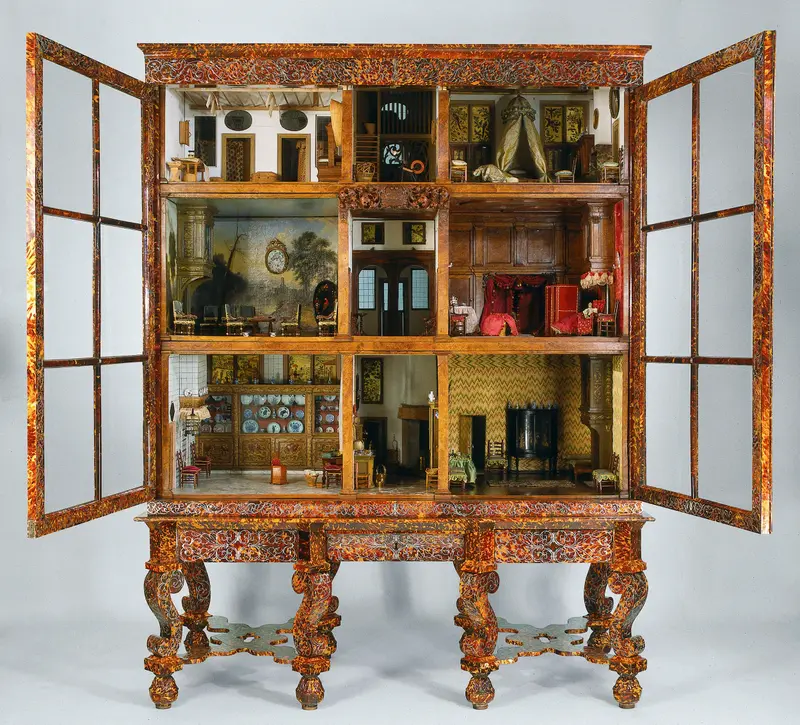
Dolls’ house of Petronella Oortman
Unknown Artist
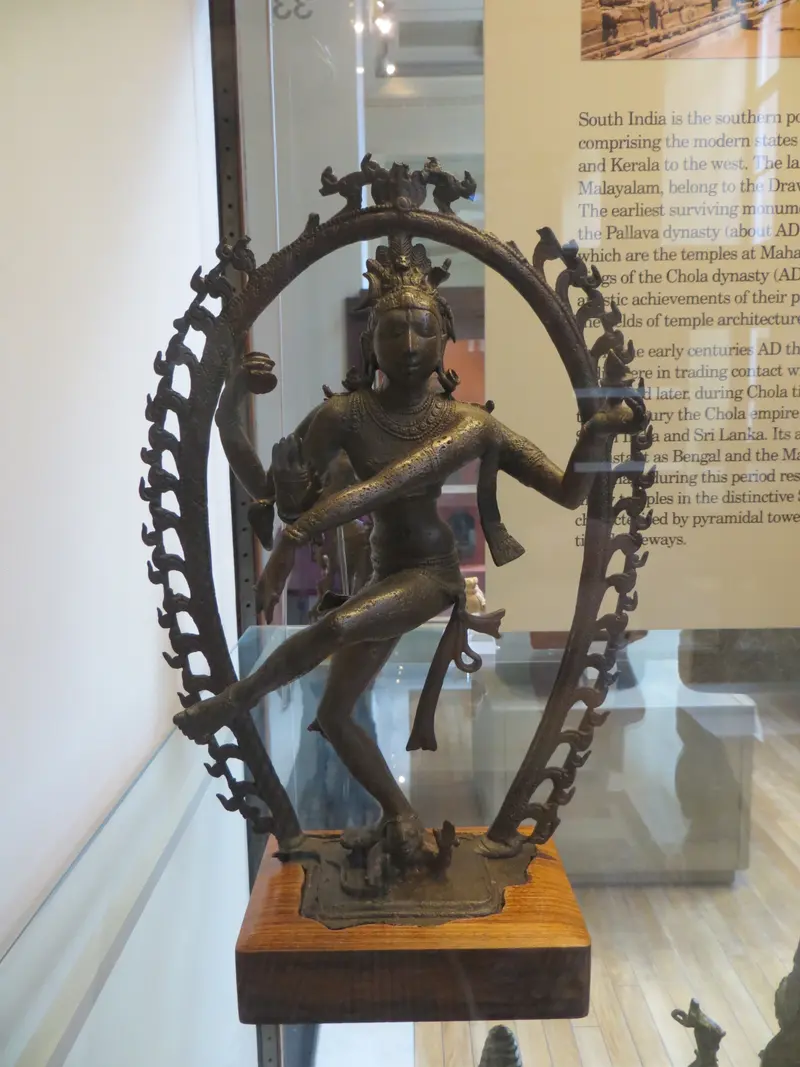
Shiva Nataraja
Unknown Artist
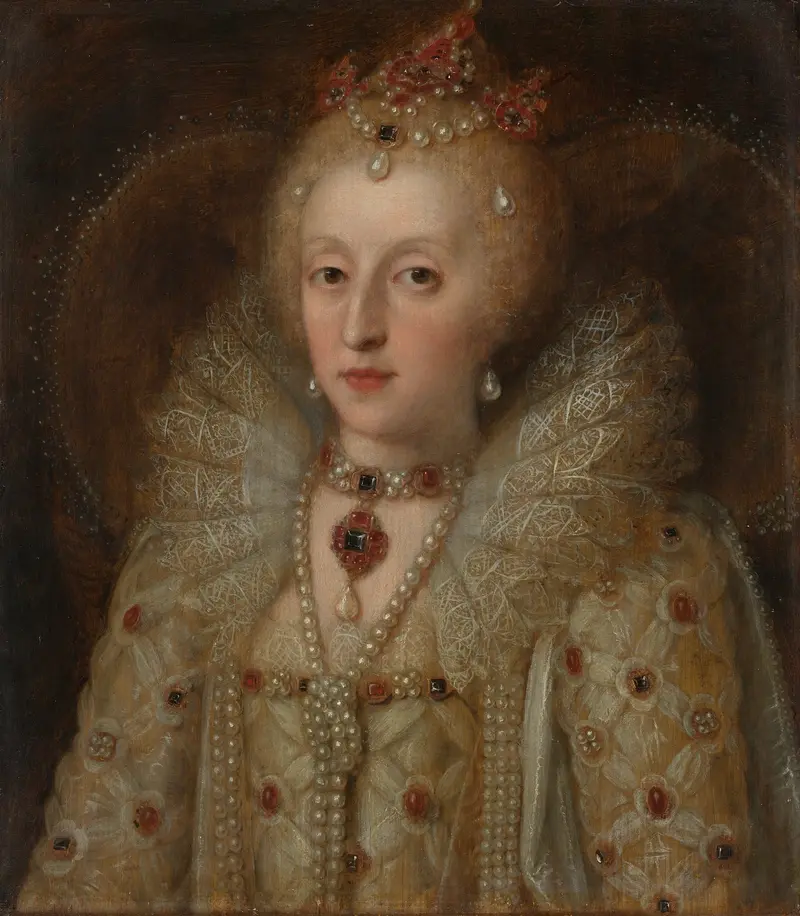
Portrait of Elizabeth I, Queen of England
Unknown Artist
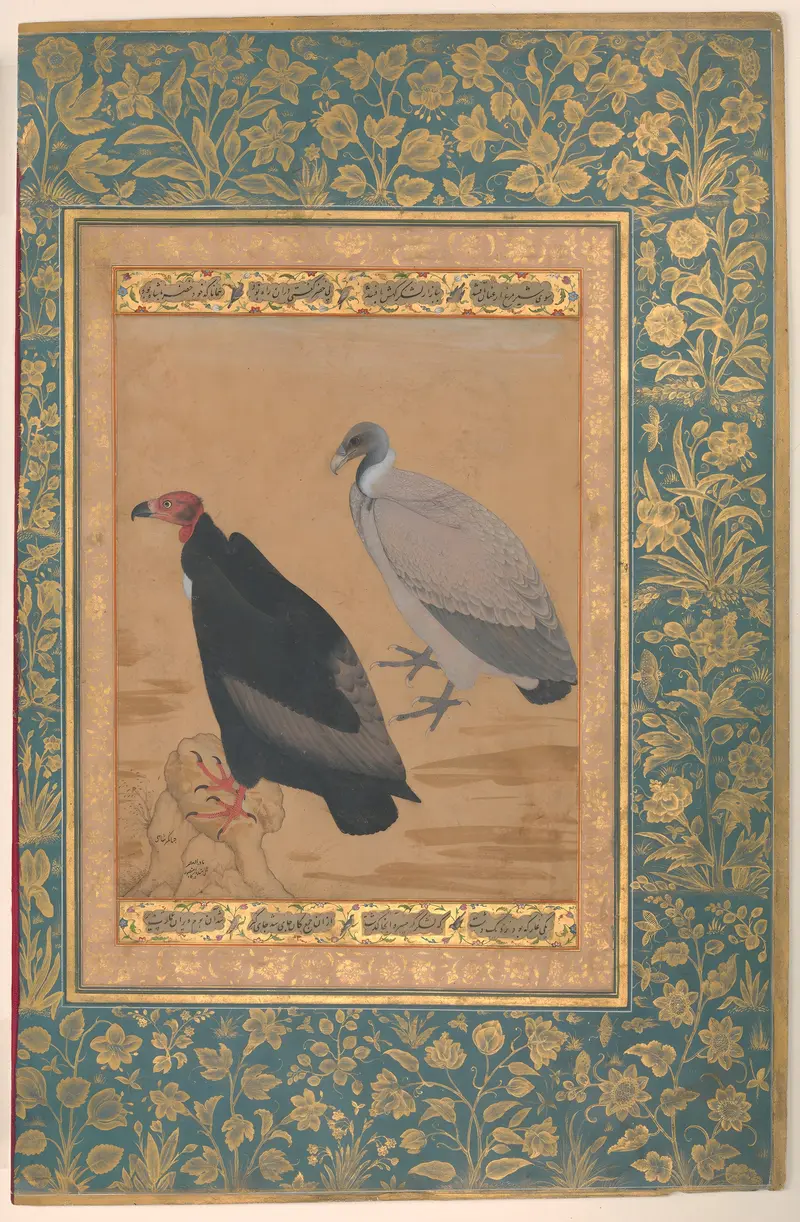
"Red-Headed Vulture and Long-Billed Vulture", Folio from the Shah Jahan Album
Unknown Artist

The Tale of Genji
Unknown Artist
Cong
Unknown Artist
The Tale of Genji
Unknown Artist





