
Scherven van een bord uit V.O.C.-schip de 'Witte leeuw' — History & Facts
In the quiet aftermath of conflict, fragments of shattered beauty tell stories of violence and loss. Each piece of pottery, once part of a harmonious whole, now stands as a testament to the tumult that birthed it. Look closely at the jagged edges and vibrant glazes of the ceramic shards, each piece glinting under the light with remnants of its former glory. The careful arrangement of colors tells of a skilled hand, a masterful craftsmanship now fragmented.
The juxtaposition of the delicate patterns against the raw, broken forms evokes a sense of nostalgia and sorrow, inviting the viewer to ponder the moments that preceded this destruction. Within this collection of brokenness lies profound meaning. The shards symbolize the fragility of existence and the inevitable violence that might shatter even the most beautiful creations. Each fragment holds the weight of history, hinting at the lives intertwined with the ship and its journeys, ultimately reflecting the transient nature of beauty and harmony amidst chaos.
The viewer is left confronted with the paradox of creation and destruction, a silent acknowledgment of the bond between artistry and violence. This artwork, attributed to an unknown artist before 1613, emerged from the tumultuous period of the Dutch East India Company’s maritime expeditions. At this time, Europe was marked by intense competition for trade and territorial dominance, resulting in both cultural exchanges and violent confrontations. The artist, likely influenced by the events surrounding the VOC’s voyages, captured a poignant moment that resonates with the legacy of conflict and the fragility of human endeavor.
More Artworks by Unknown Artist
Browse all →
Ridder, Dood en Duivel
Unknown Artist
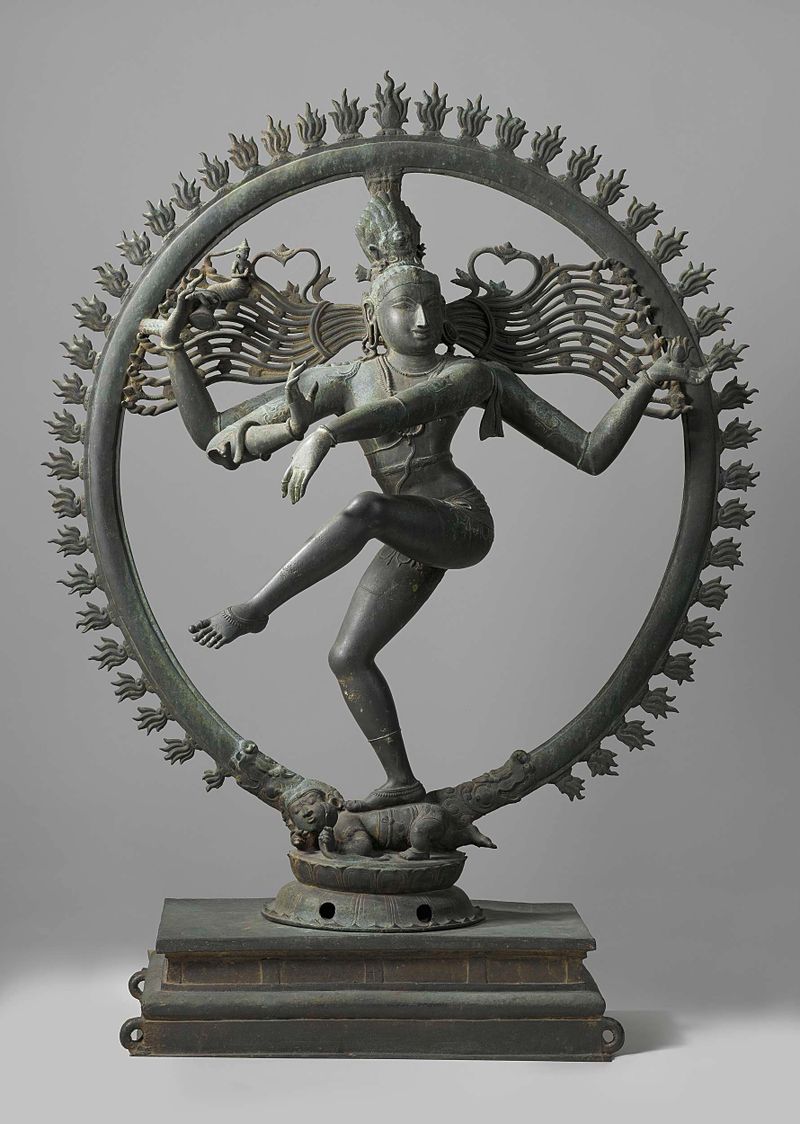
Shiva Nataraja
Unknown Artist
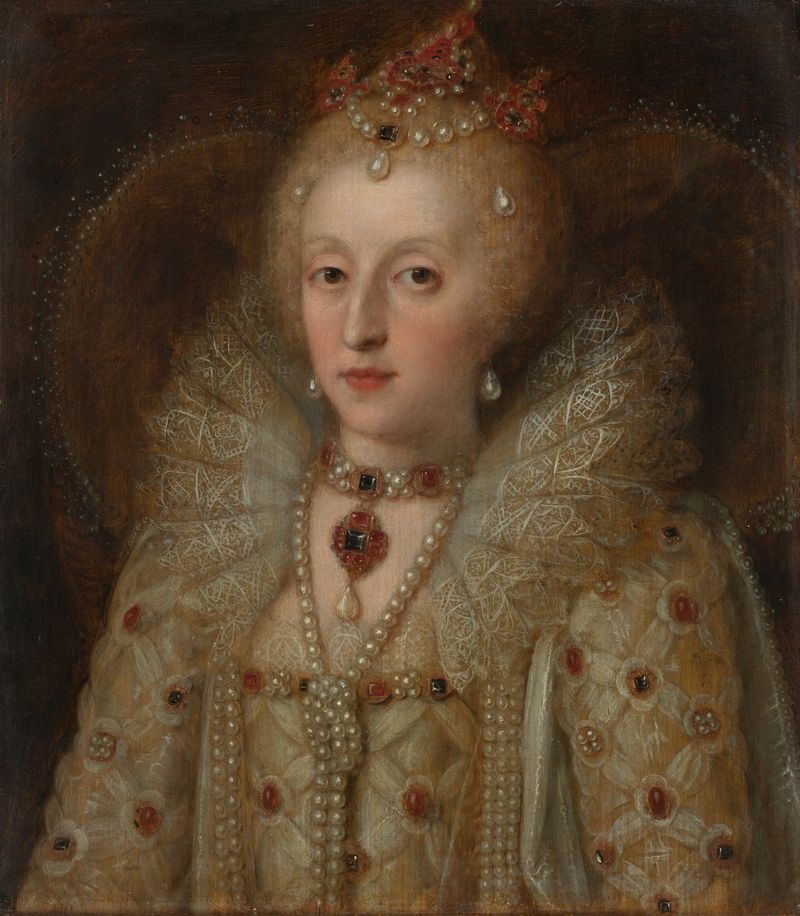
Portrait of Elizabeth I, Queen of England
Unknown Artist
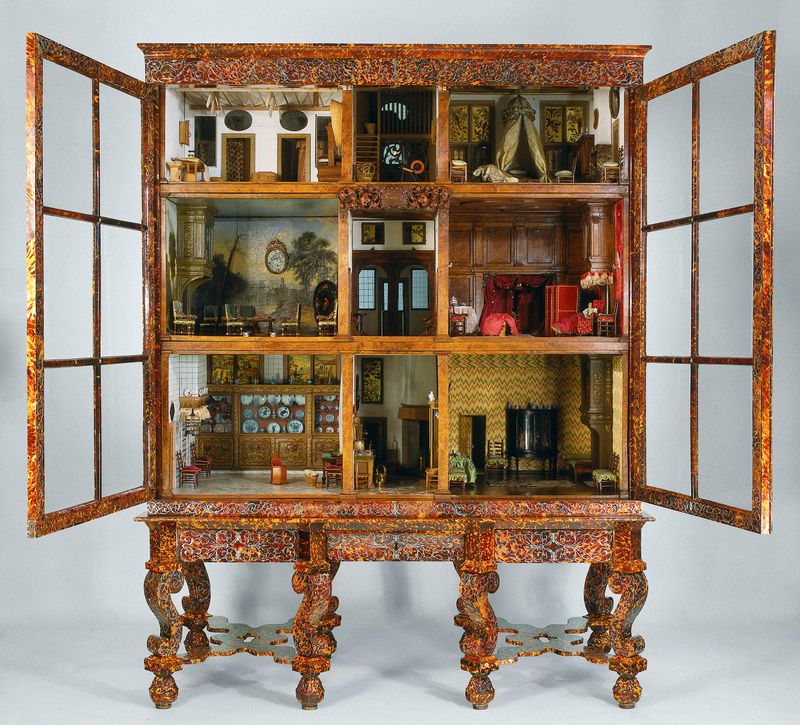
Dolls’ house of Petronella Oortman
Unknown Artist
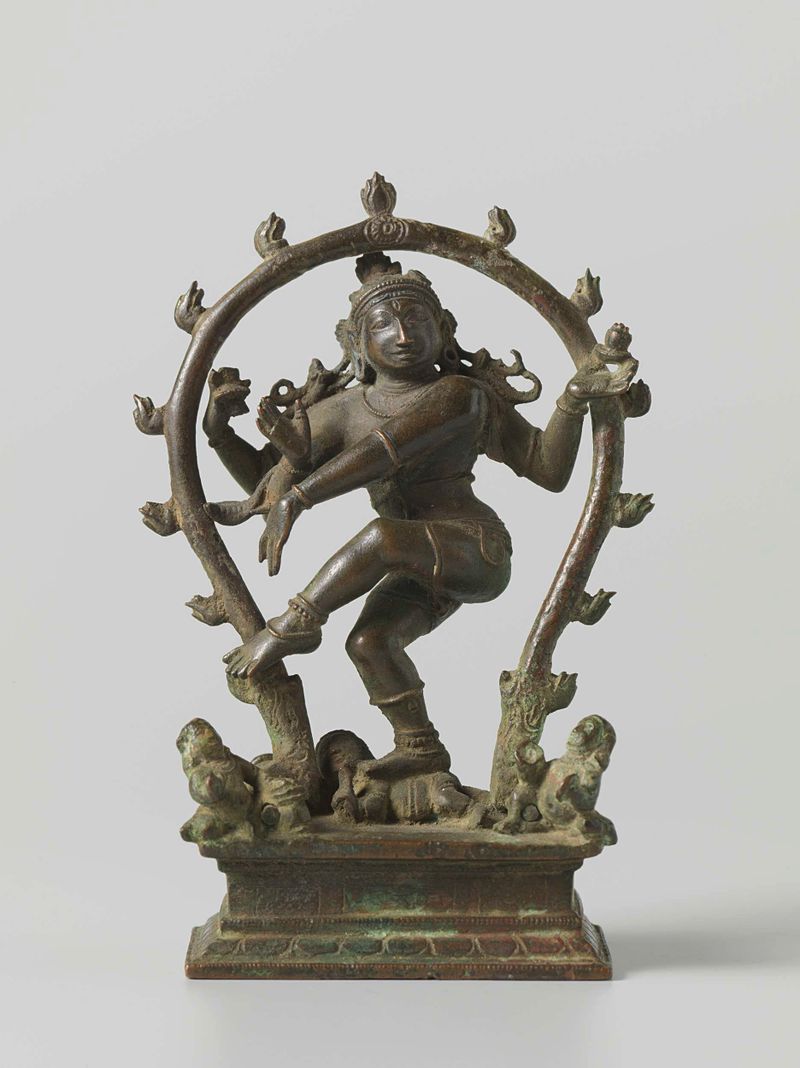
Shiva Nataraja
Unknown Artist

The Tale of Genji
Unknown Artist

The Tale of Genji
Unknown Artist

Cong
Unknown Artist
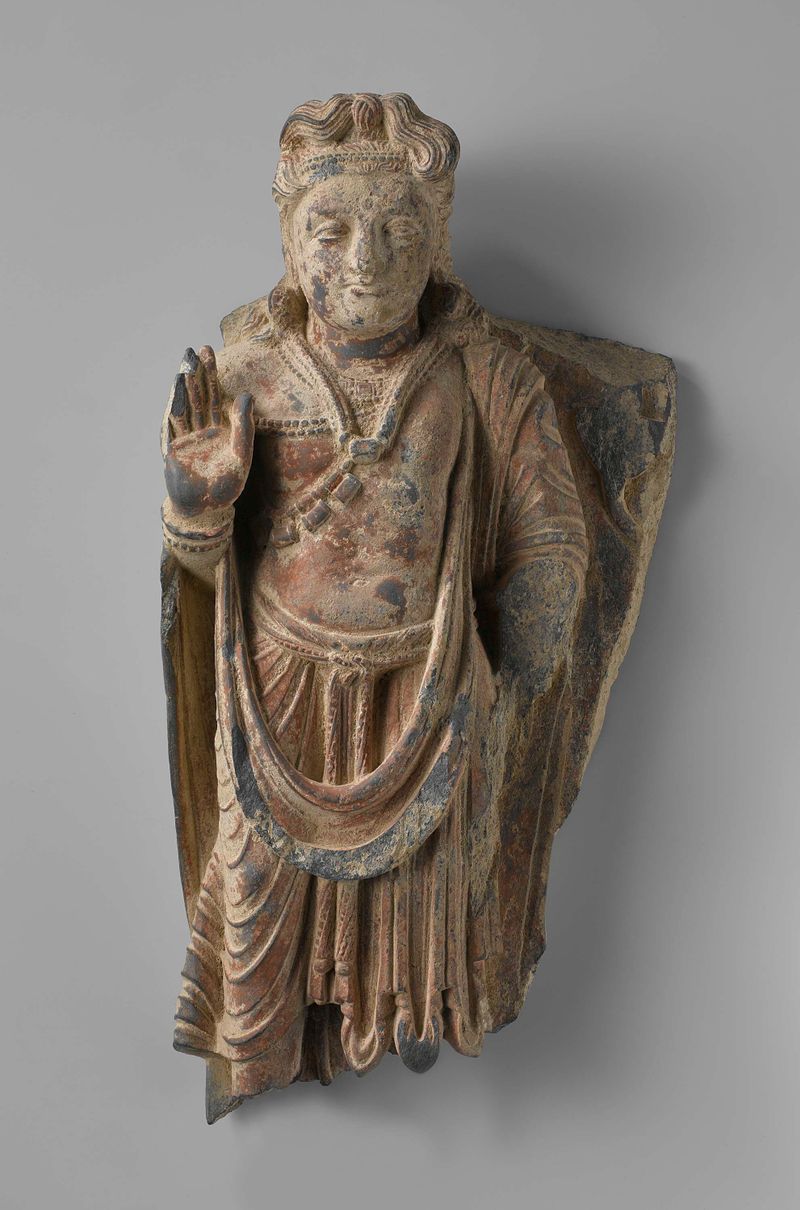
The bodhisattva Maitreya
Unknown Artist

Teabowl with a 'hare's fur' glaze
Unknown Artist
More Historical Art
Browse all →
The Night Watch Militia Company of District II under the Command of Captain Frans Banninck Cocq
Rembrandt van Rijn

Lincoln Memorial
Henry Bacon

The Third of May 1808
Francisco de Goya

Isaac and Rebecca, Known as ‘The Jewish Bride’
Rembrandt van Rijn

The Charge of the Mamelukes (1814)
Francisco de Goya

De vier ruiters van de apocalyps
Albrecht Dürer