
Schloss Arberg — History & Facts
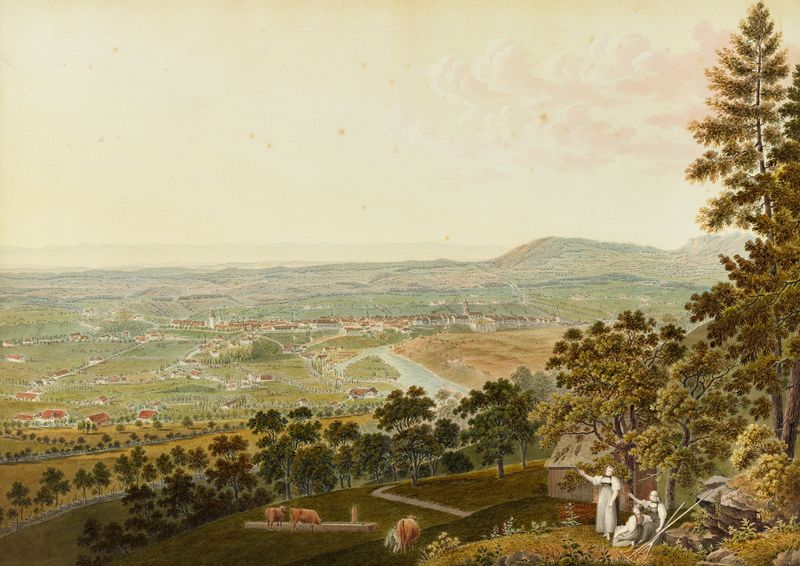
Did the painter know this moment would outlive them? In the delicate strokes of Schloss Arberg, a whisper of legacy lingers, challenging us to consider the enduring power of artistry. Look to the center of the canvas, where a stately castle emerges against a backdrop of soft blues and greens. The meticulous attention to detail in the stonework draws the eye, each brick seeming to hold a story of its own. Notice how the light gently bathes the structure, illuminating the turreted rooftops while casting subtle shadows that hint at the passage of time.
The composition balances grandeur with tranquility, inviting contemplation of both the fortress and its surroundings. Yet, beyond the physical beauty lies a deeper narrative. The juxtaposition of the castle’s solidity against the fluidity of the surrounding landscape evokes a tension between permanence and impermanence. Look closely at the wisps of clouds above, suggesting the transient nature of life, contrasting the steadfastness of the manmade edifice.
This interplay speaks to the artist's understanding of legacy: while the castle stands as a monument, the fleeting sky reminds us of our own temporality. Jakob Samuel Weibel painted Schloss Arberg during a time when Romanticism flourished in Europe, a movement deeply engaged with nature and history. Working in the 19th century, Weibel was influenced by the picturesque ideals of his contemporaries, aiming to capture both the majesty of the built environment and the ephemeral beauty of the natural world. His work reflects a period where the tension between human achievement and the great expanse of nature was both celebrated and quietly questioned.
More Artworks by Jakob Samuel Weibel
Browse all →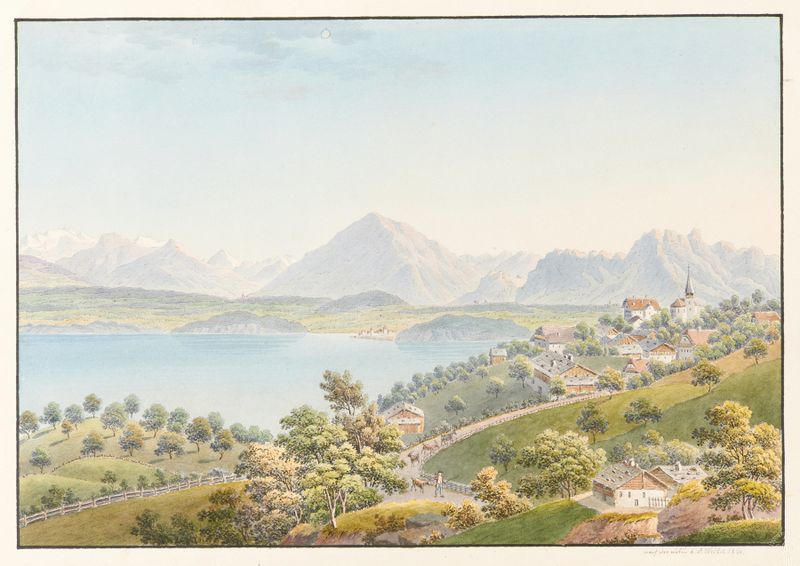
Vue dessiné depuis le Village de Sigriswil, audessus du Lac de Thoune
Jakob Samuel Weibel
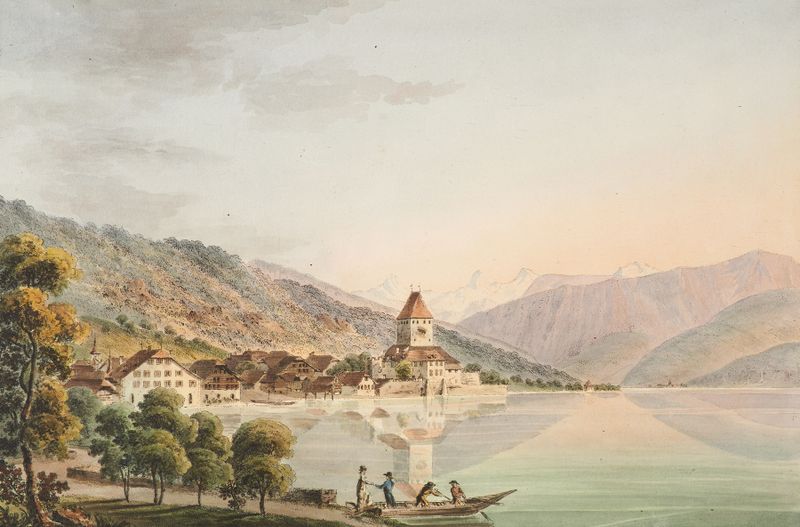
Vûe du Chateau d’Oberhofen au Lac de Thoune
Jakob Samuel Weibel
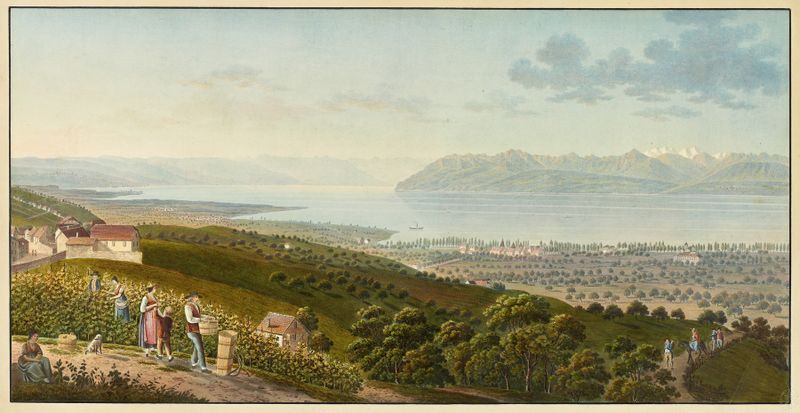
Vue genérale du Lac de Geneve
Jakob Samuel Weibel
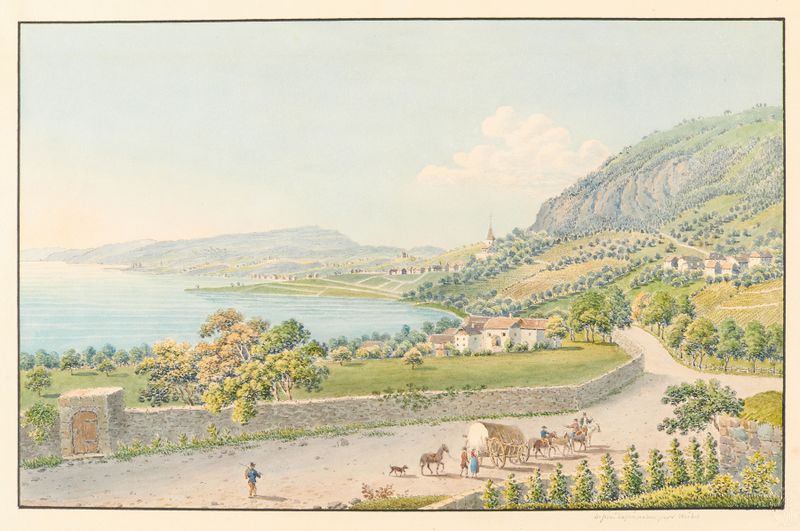
Vue des environs de Montreux et de Clarens
Jakob Samuel Weibel
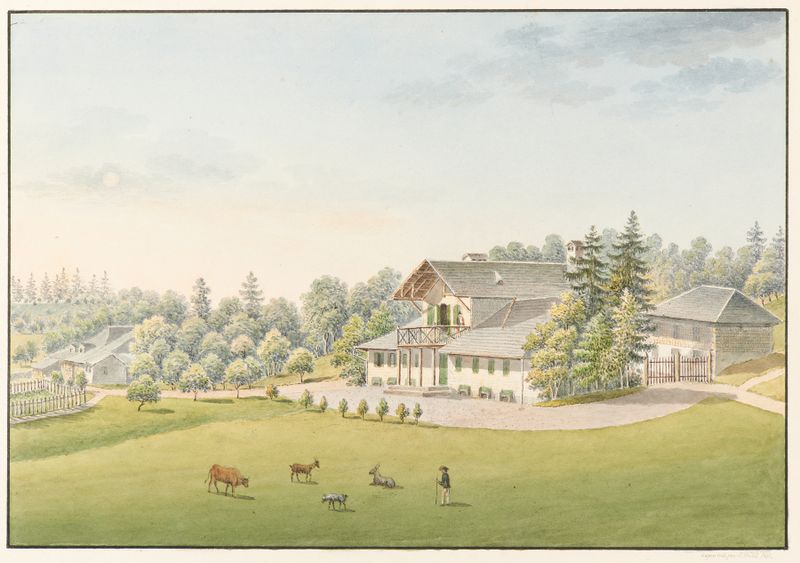
Vue du nouveau Châlet de Vernand
Jakob Samuel Weibel
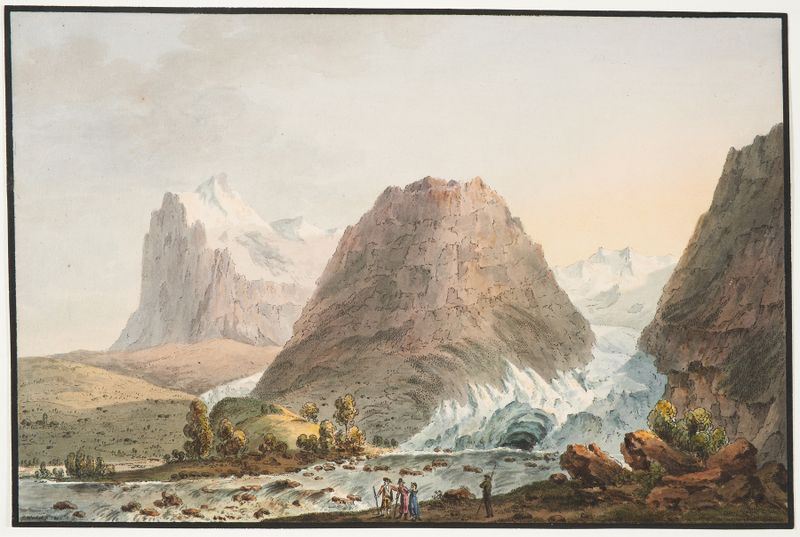
Vûe des Glacieres de Grindelwald
Jakob Samuel Weibel
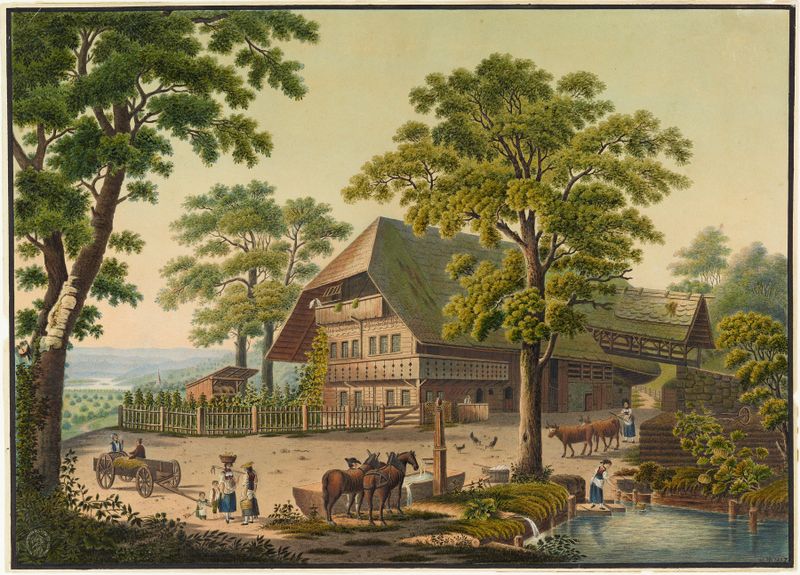
Maison de paysan près Wichtrach
Jakob Samuel Weibel
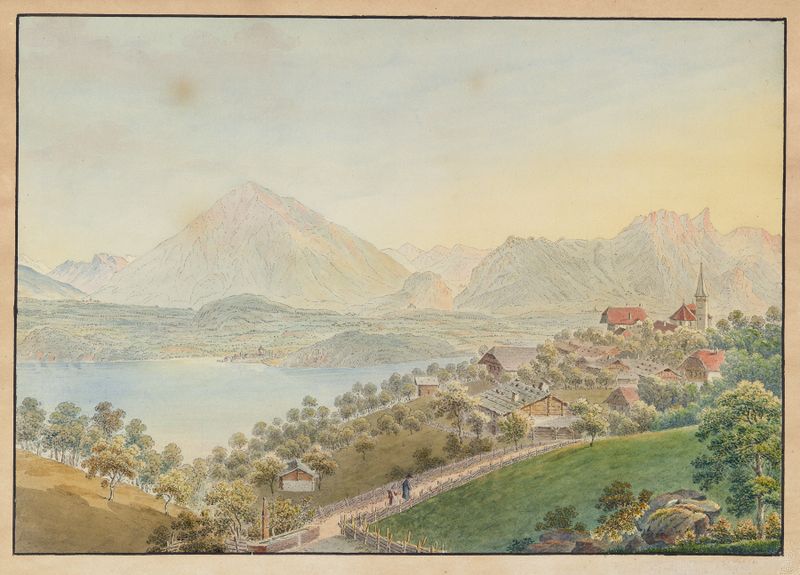
Ansicht von Sigriswil mit Niesen und Thunersee
Jakob Samuel Weibel
Ansicht Berns und der Aare vom Gurten aus
Jakob Samuel Weibel

Lausanne Ville capitale du Canton de Vaud
Jakob Samuel Weibel
More Architecture Art
Browse all →
The statue of Liberty
Frédéric Auguste Bartholdi

View of Houses in Delft, Known as ‘The Little Street’
Johannes Vermeer

View of Houses in Delft, Known as ‘The Little Street’
Johannes Vermeer

The Cathedral in Rouen. The portal, Grey Weather
Claude Monet

The yellow house
Vincent van Gogh

The Church in Auvers-sur-Oise, View from the Chevet
Vincent van Gogh