Schlossansicht — History & Facts
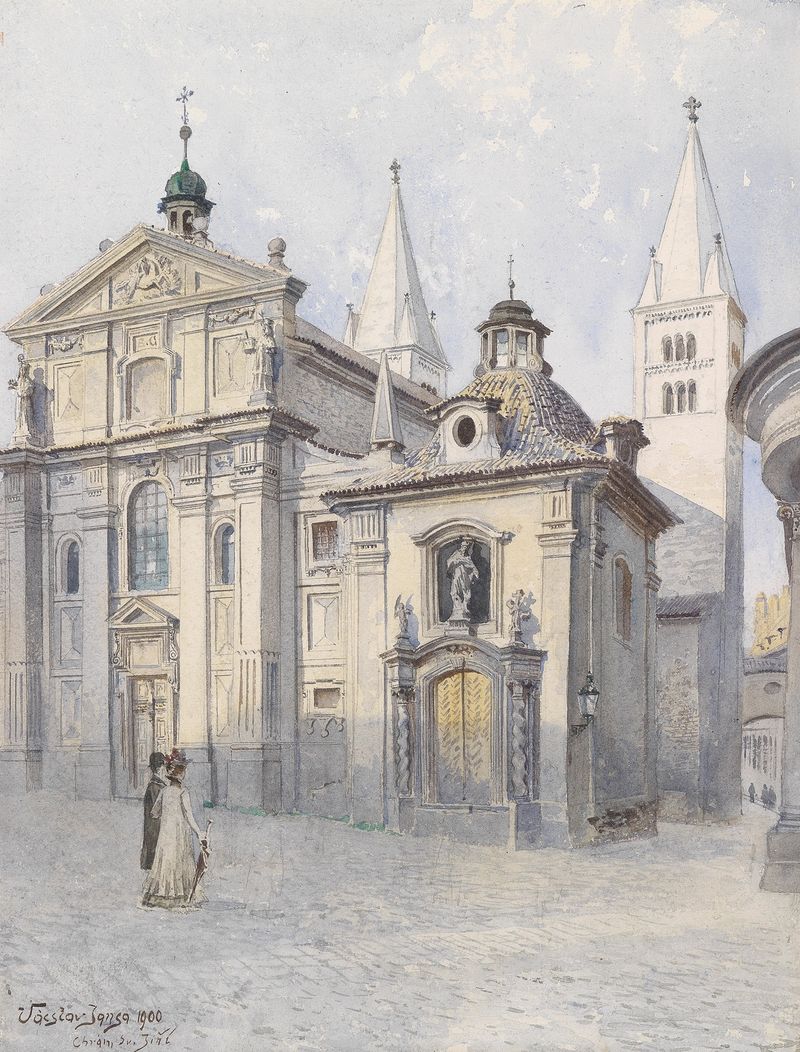
In the stillness of an unguarded moment, chaos whispers through the layers of perception, waiting to be unveiled. Look to the left at the majestic fortress, its stone façade rising dramatically against a tumultuous sky. The swirling clouds above seem to dance in unrest, their hues shifting from deep grays to muted blues, casting an ethereal light over the landscape. The sharp contrast between the solidity of the castle and the fluidity of the atmosphere invites contemplation.
Notice how the brushstrokes mimic the winds, creating a sense of movement that belies the stillness of the structure below. As you journey deeper into the canvas, the interplay of light and shadow reveals hidden stories. The stark outlines of the castle suggest strength and permanence, yet the surrounding chaos hints at vulnerability. Here, the calm façade juxtaposes against the wildness of nature, symbolizing the uncontainable forces that lurk beneath the surface.
Each element is a poignant reminder of the fragile balance between stability and turmoil. Václav Jansa created Schlossansicht during a period of artistic exploration in the late 19th century, likely influenced by the tensions of a rapidly changing Europe. Living in Bohemia, he was part of a movement that sought to reconcile the traditional with the modern, capturing both the beauty and the chaos that defined his reality. This painting serves as a testament to the artist's contemplative engagement with the world around him.