
Schnitter Tod — History & Facts
In Schnitter Tod, Walter Crane presents a striking scene filled with vibrant colors. The painting features a skeletal figure, often interpreted as Death, surrounded by lush, overgrown vegetation. This juxtaposition of life and death creates a haunting atmosphere.
The use of greens and browns emphasizes the natural world, while the pale figure stands out dramatically against it. The technical execution of Schnitter Tod showcases Crane's skill in blending detailed figures with rich landscapes. The brushwork is fluid, allowing for a sense of movement within the foliage. The colors are applied in layers, giving depth and texture to the scene.
Viewers can appreciate the intricate details in the skeletal figure's clothing and the surrounding flora. Walter Crane was a prominent figure in the Arts and Crafts movement, known for his illustrations and decorative arts. Schnitter Tod reflects his interest in themes of mortality and nature, common in Symbolist art. An interesting fact about this work is that it draws inspiration from German folklore, particularly the figure of the Grim Reaper.
This connection adds a layer of cultural significance to the painting.
More Artworks by Walter Crane

Oranges and Lemons
Walter Crane
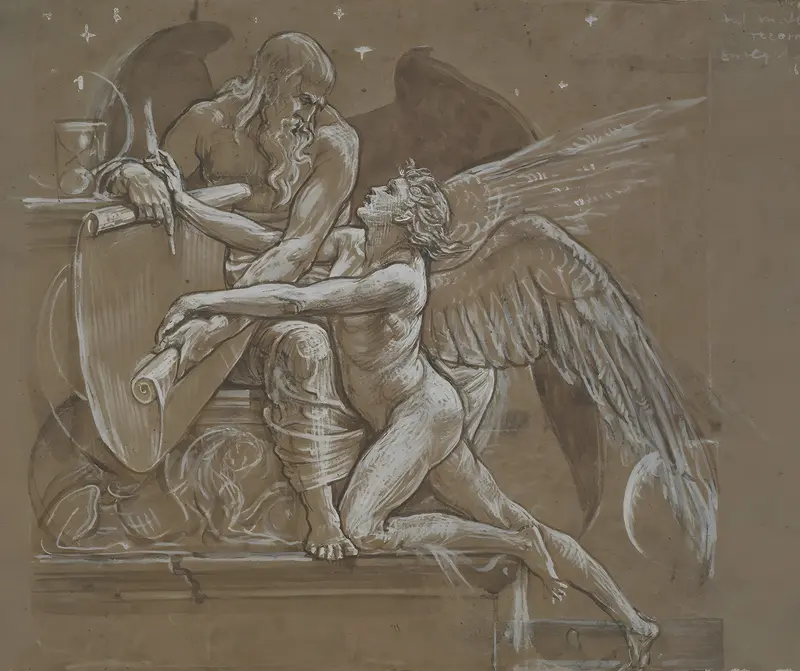
The Roll of Fate, England
Walter Crane
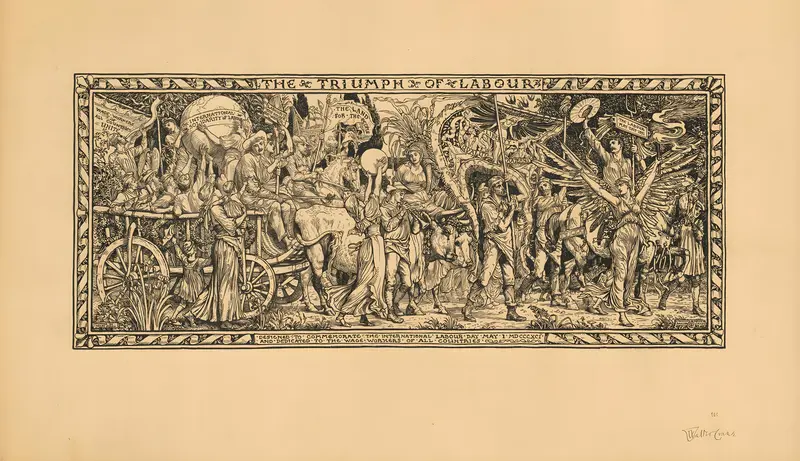
The Triumph of Labour. Designed to commemorate The International Labour Day
Walter Crane
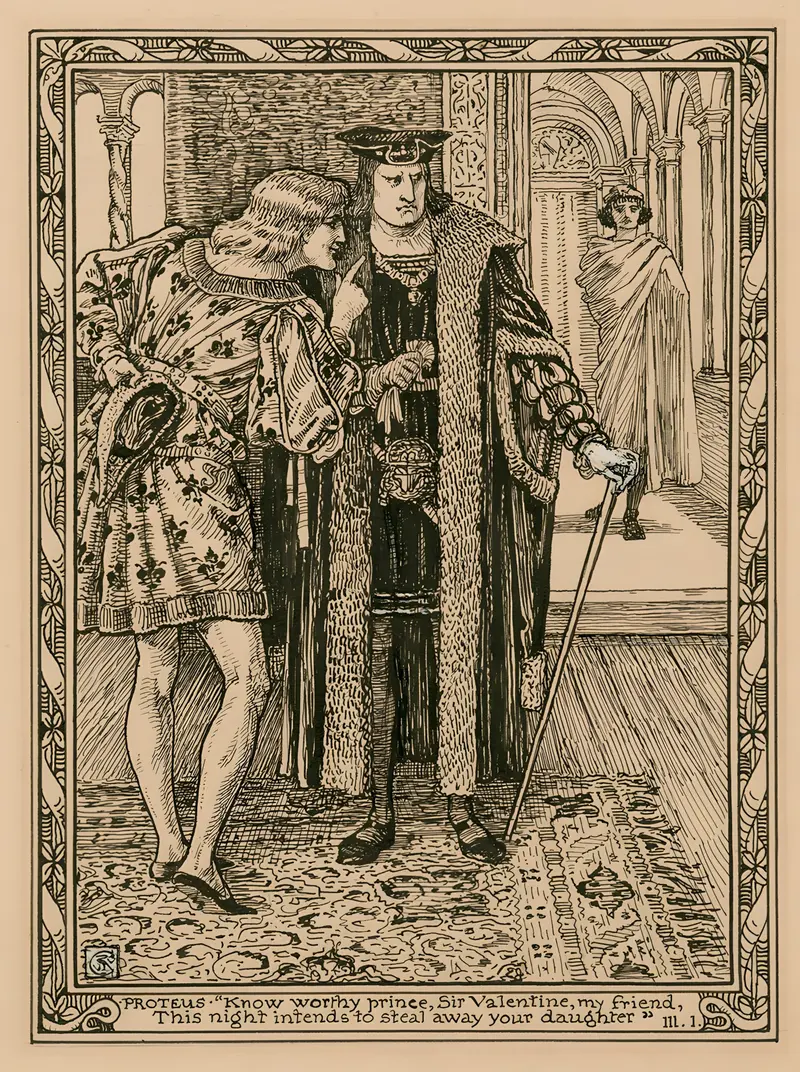
Proteus; ‘Know worthy prince, Sir Valentine, my friend, this night intends to steal away your daughter’, III, 1
Walter Crane
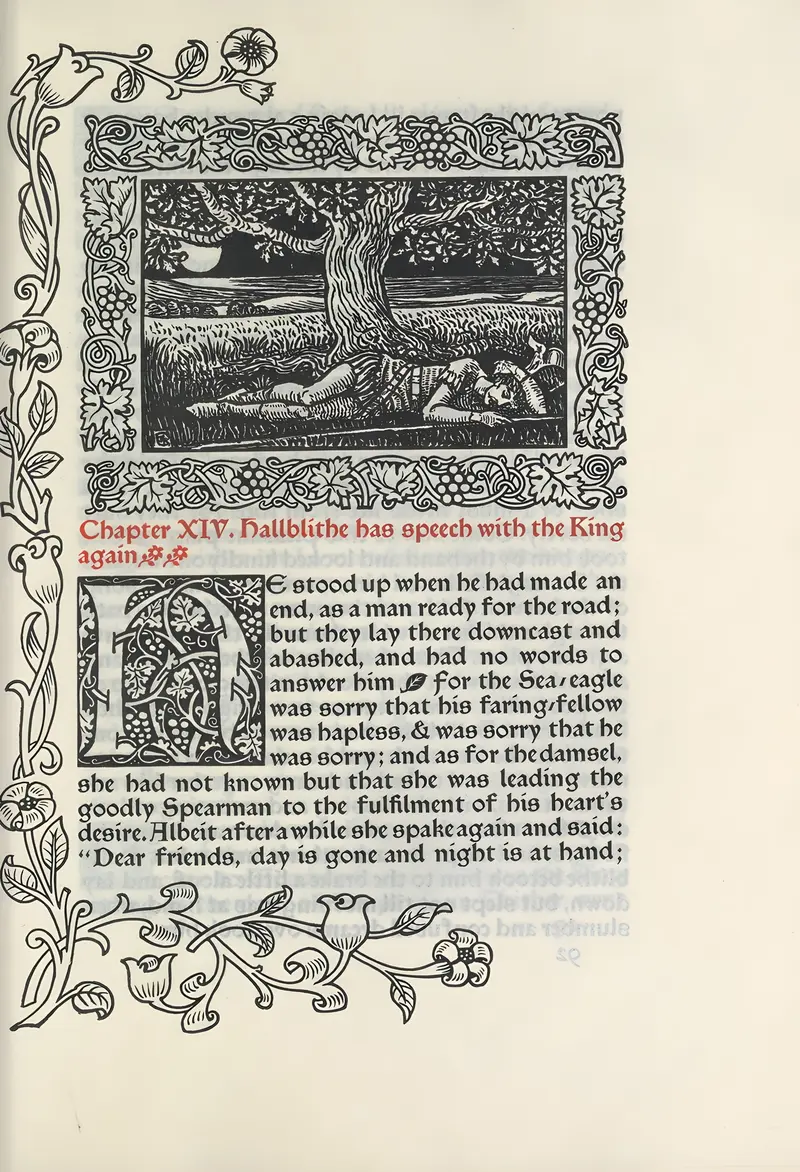
Chapter XIV. Hallblithe has speech with the King again
Walter Crane
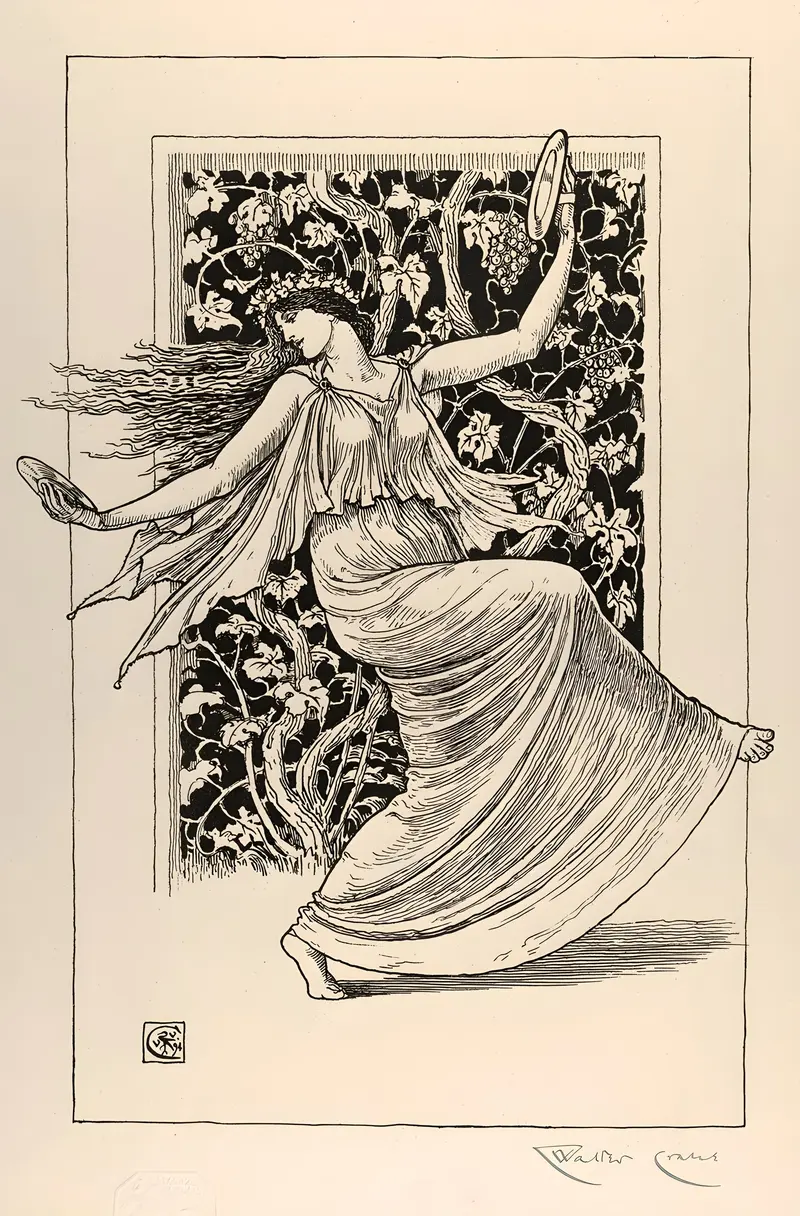
Dancing Nymph
Walter Crane
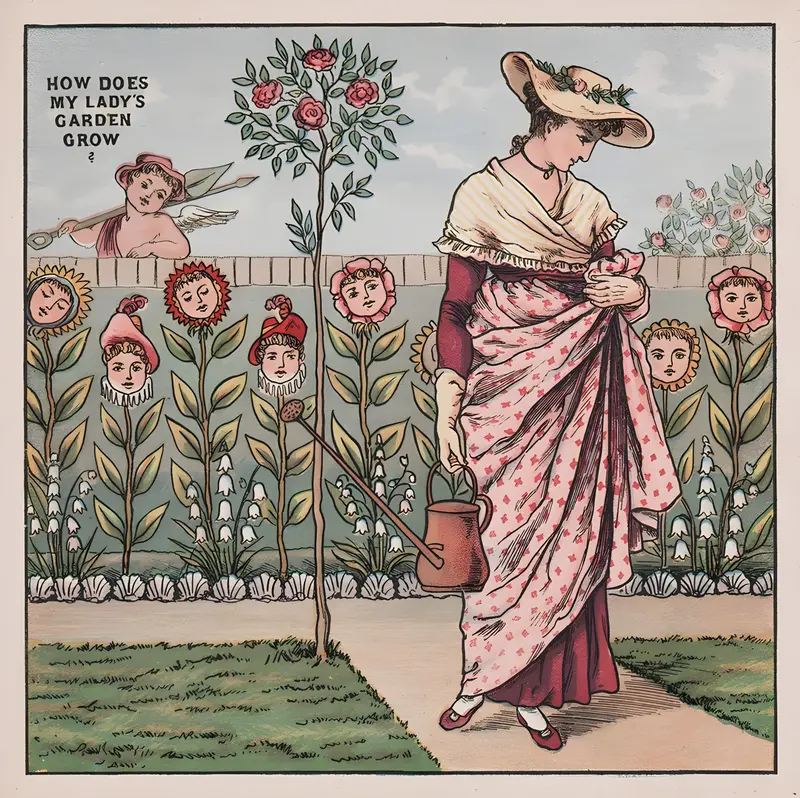
How does my lady’s garden grow
Walter Crane
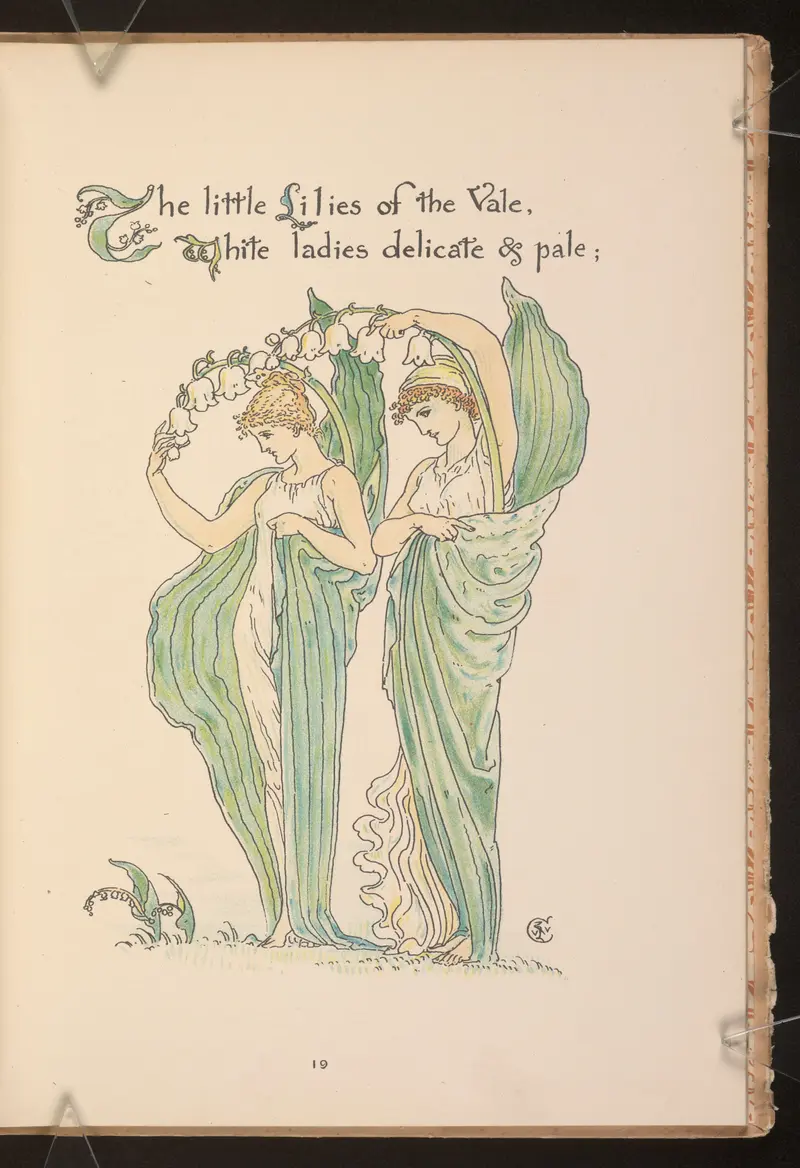
Flora’s feast; A masque of flowers Pl.19
Walter Crane
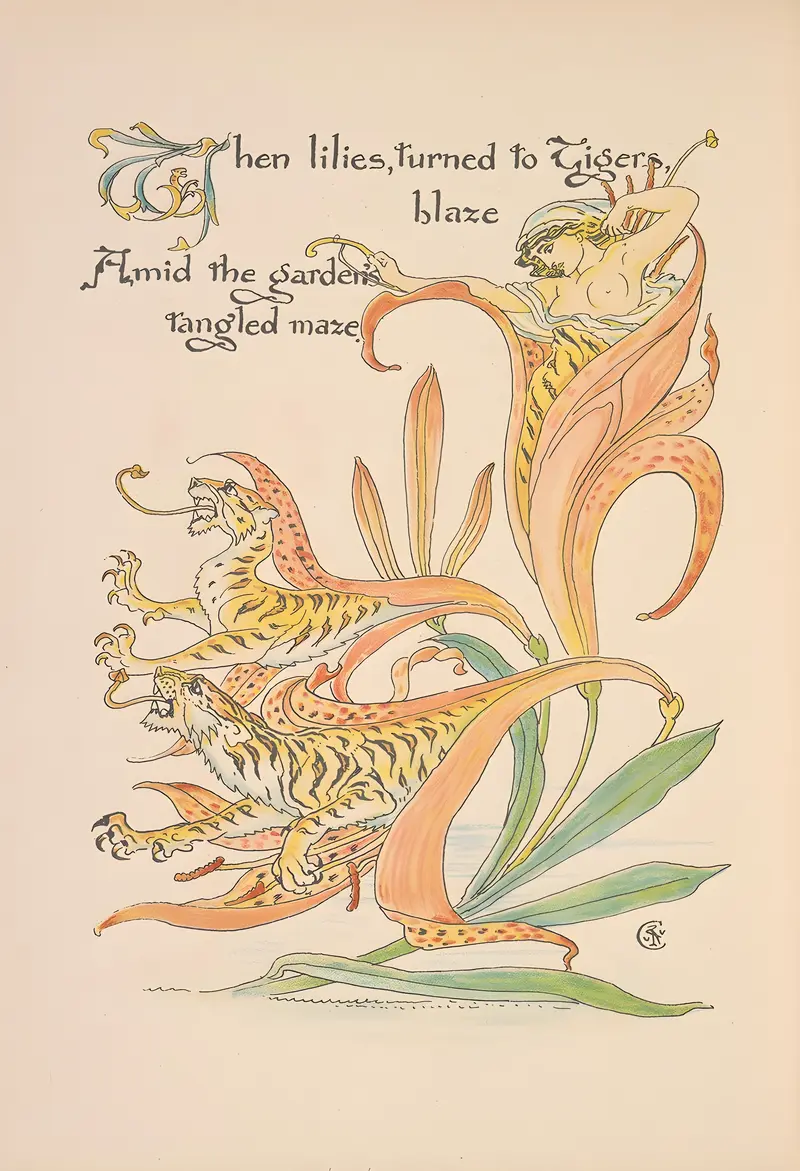
Flora’s feast; A masque of flowers Pl.34
Walter Crane
Flora’s feast; A masque of flowers Pl.29
Walter Crane





