
Schreckhorn, Eismeer — History & Facts
In the breathtaking expanse of ice and rock, longing is captured amid the cold. Here, the sublime meets solitude, allowing the viewer to reflect on the relentless pursuit of beauty in nature, even when it seems unattainable. Look to the left at the towering, craggy forms of the Schreckhorn, their jagged peaks piercing the sky, while the shimmering blues and whites of the glacier stretch dramatically across the canvas. Notice how the light subtly dances on the icy surface, highlighting the textures that Sargent masterfully painted, a testament to his skillful brushwork.
The palette of cool tones evokes a sense of chill, yet there’s warmth in the golden rays that manage to break through, illuminating the vastness and inviting contemplation. Within this stark landscape lies a profound emotional contrast: the grandeur of nature juxtaposed with the isolation it can instill. Each shadow hides a whisper of longing, as the viewer is drawn into the beauty that offers both awe and a sense of distance. The elemental forces of ice and rock embody the struggle for connection to something greater, hinting at the innate desire for understanding and belonging in a world that feels so immense. In 1870, Eismeer was painted during a period when John Singer Sargent was honing his artistic prowess in Paris.
While the Impressionist movement flourished, Sargent was influenced by the techniques of his contemporaries, yet remained unique in his approach to capturing landscapes. This work reflects both his fascination with nature and an emerging desire to convey deep emotion through his art, a theme that would resonate throughout his career.
More Artworks by John Singer Sargent
Browse all →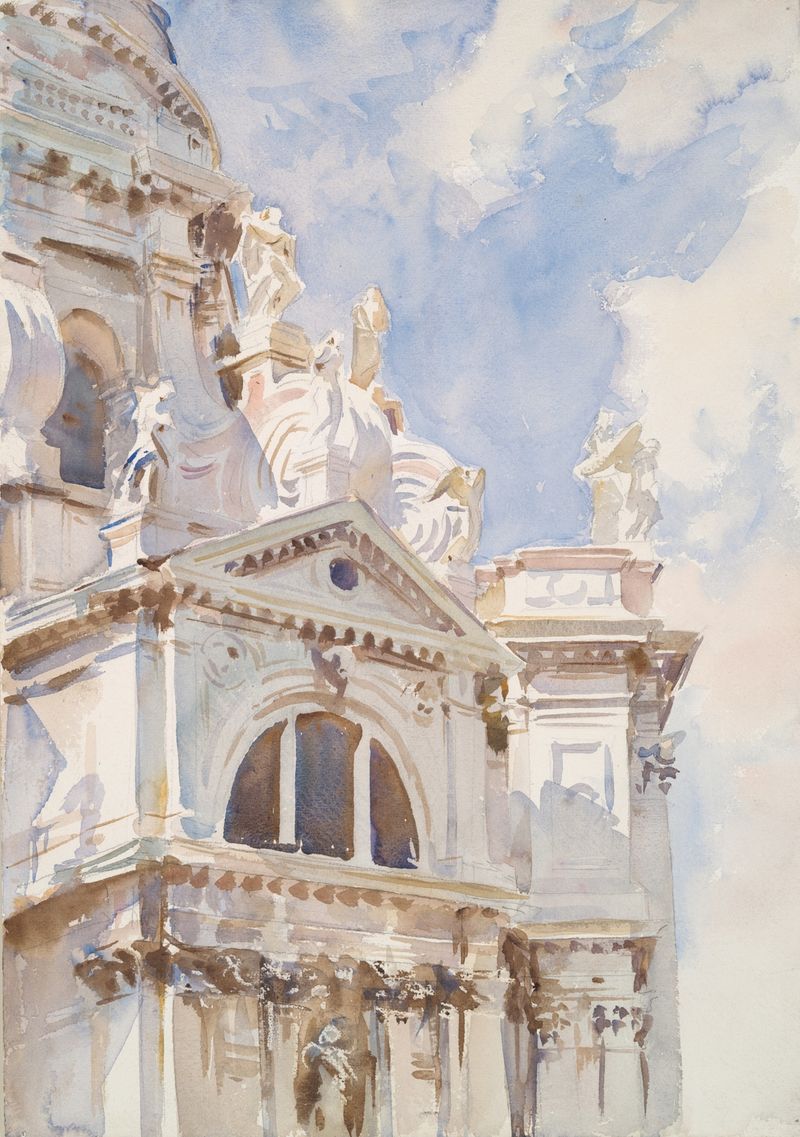
The Salute, Venice
John Singer Sargent

Mrs. Charles Deering (Marion Denison Whipple)
John Singer Sargent
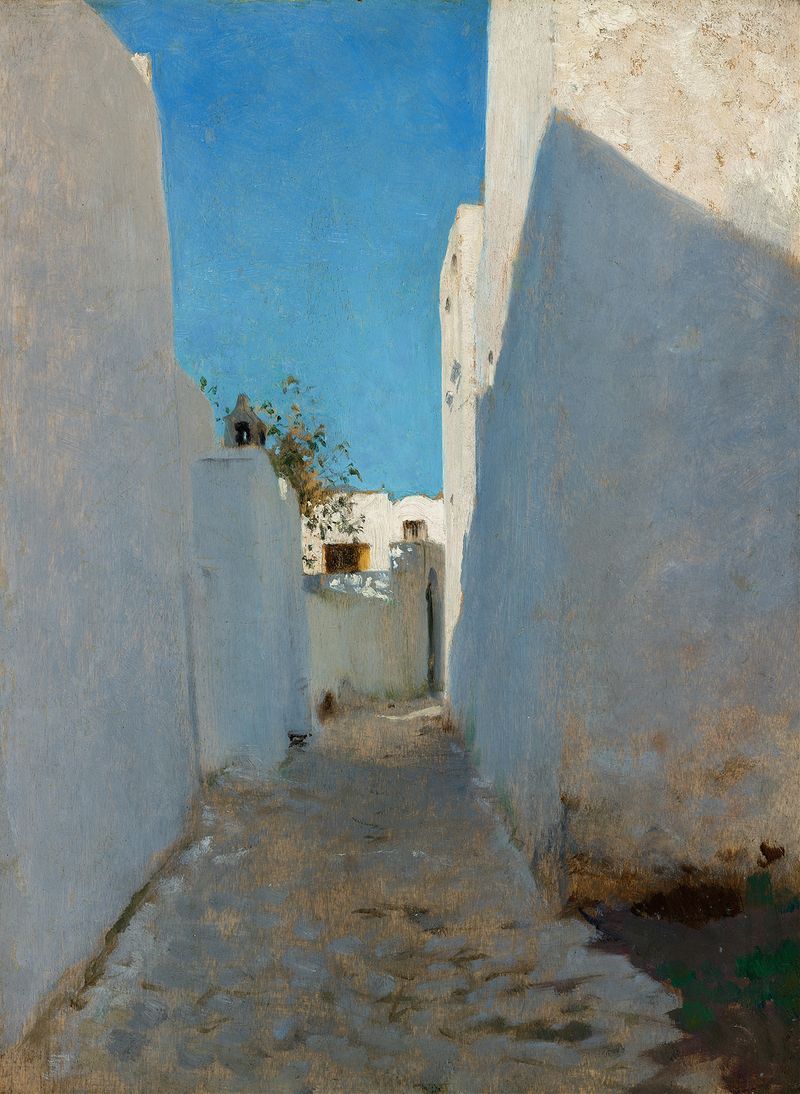
A Moroccan Street Scene
John Singer Sargent
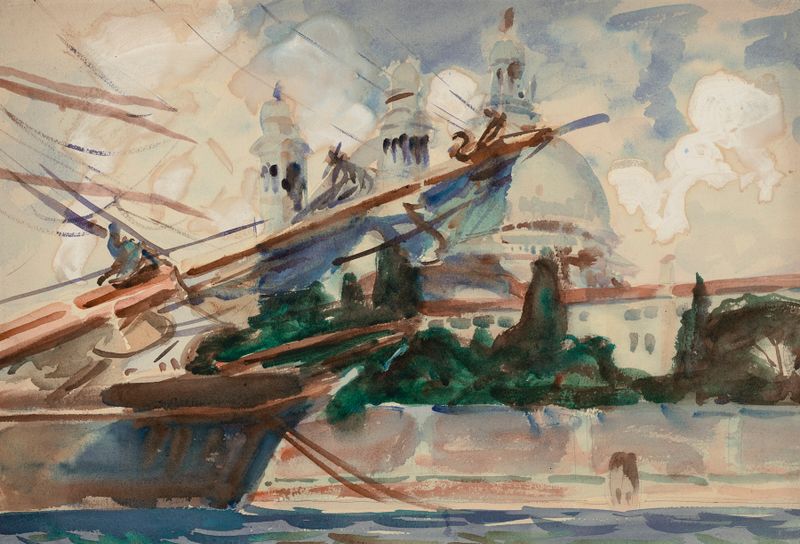
The Salute, Venice
John Singer Sargent
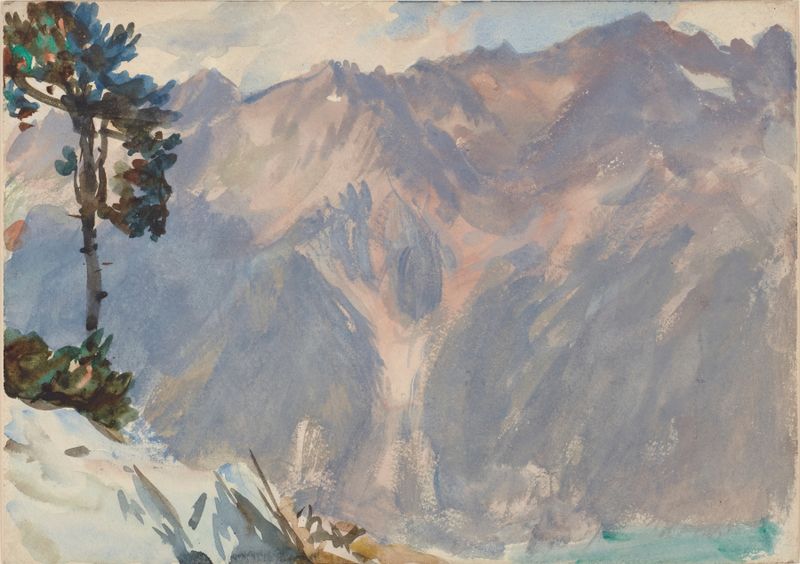
Tyrol
John Singer Sargent
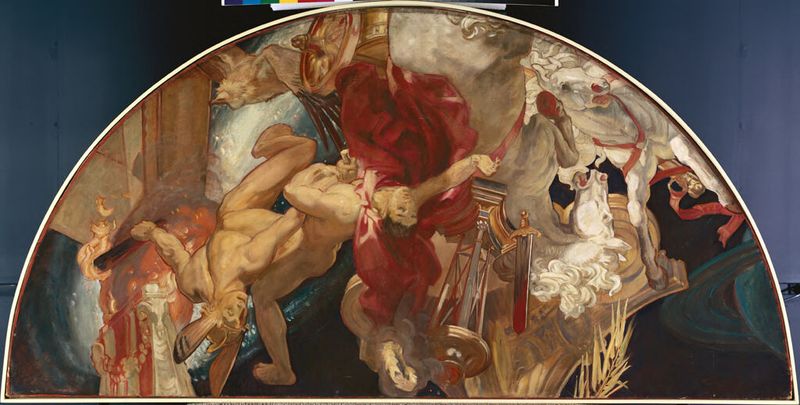
Study for "Gog and Magog," for the Boston Public Library
John Singer Sargent
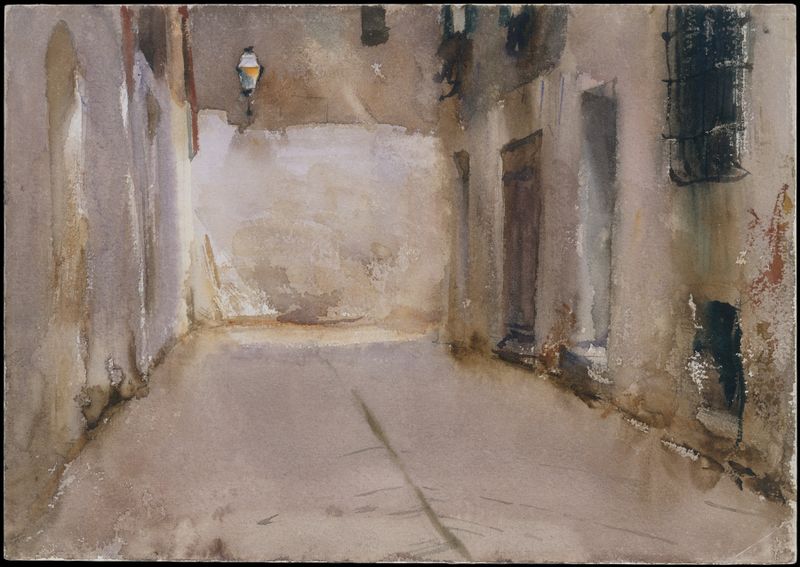
Venice
John Singer Sargent
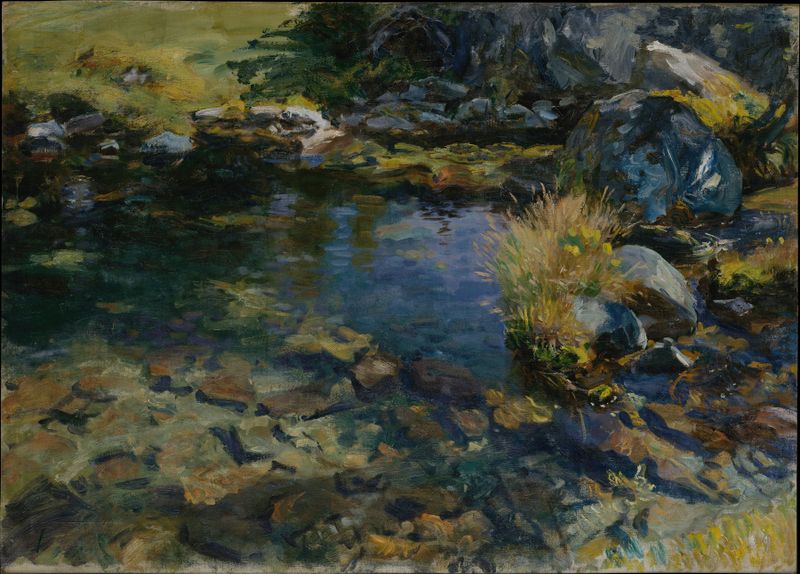
Alpine Pool
John Singer Sargent
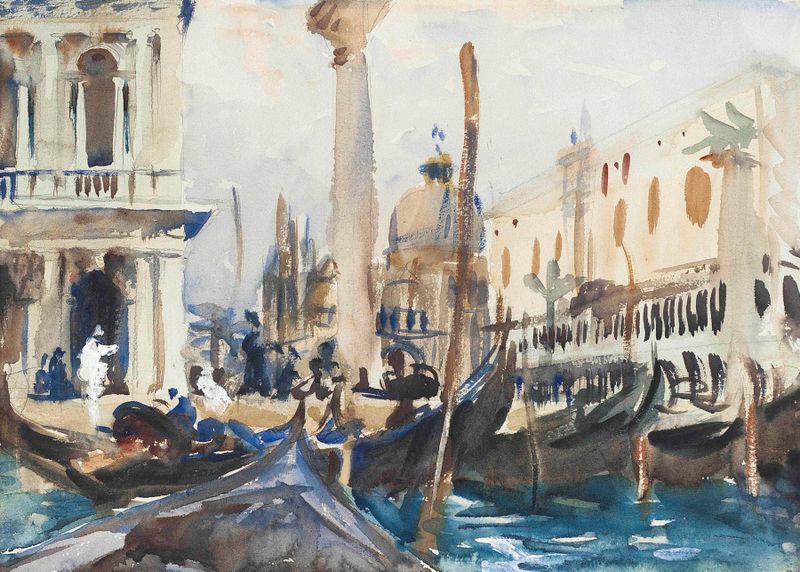
The Piazzetta with Gondolas
John Singer Sargent
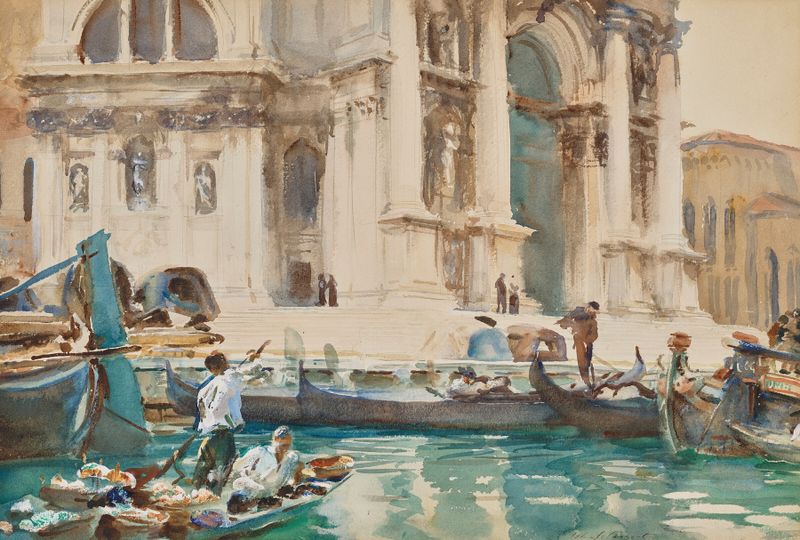
The Façade of La Salute, Venice
John Singer Sargent





