
Scierie près de Lauffen — History & Facts
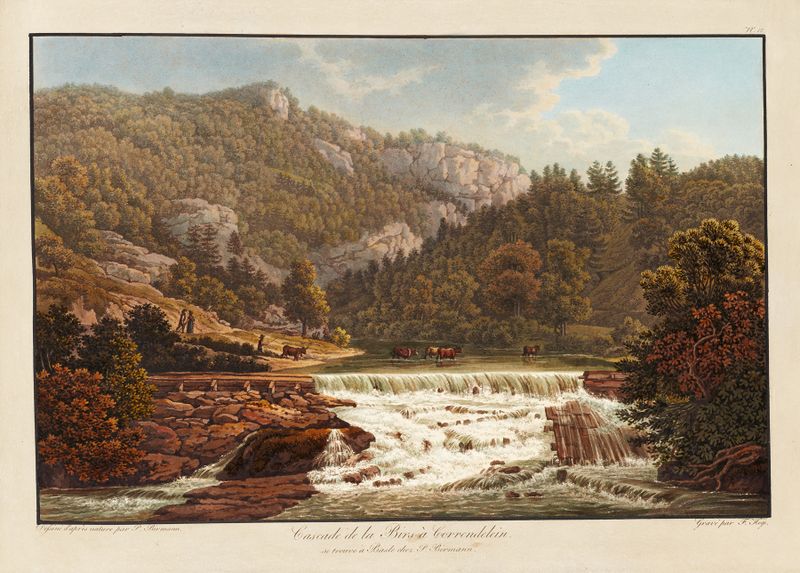
In the quiet spaces of art, we find the flicker of hope, waiting to breathe life into our weary souls. Look to the center of the canvas where towering trees, draped in rich greens and browns, create a natural cathedral, their trunks a testament to endurance. Notice how the light filters through the foliage, casting dappled shadows that dance upon the forest floor. The fluid brushstrokes reveal a sense of movement, as if the trees themselves sway gently in the wind, while the soft palette evokes a tranquil atmosphere, inviting us to linger in this serene moment. Delve deeper, and you’ll uncover contrasts that pulse beneath the surface: the juxtaposition of the organic vitality of the trees against the starkness of human presence in this lumberyard setting hints at the tension between nature and industry.
Each log, meticulously rendered, symbolizes not just resourcefulness but also a quiet lament for what is lost in the exchange. Here, within this delicate balance, lies a profound connection to the cycle of life—a sense of renewal amidst the encroaching shadows of deforestation. Created during a time of burgeoning industrialization, the artist captured this scene with an acute awareness of both beauty and fragility. Birmann painted Scierie près de Lauffen, likely in the early 19th century, as Europe grappled with the swift changes in its landscapes.
The work reflects his deep appreciation for nature's splendor, while subtly critiquing the forces that threaten to dismantle it, a sentiment that resonates deeply in today’s world.
More Artworks by Peter Birmann
Browse all →
View from the Isteinerklotz up the Rhine toward Basel
Peter Birmann

Sursee und Umgebung mit Sempachersee und Alpen
Peter Birmann
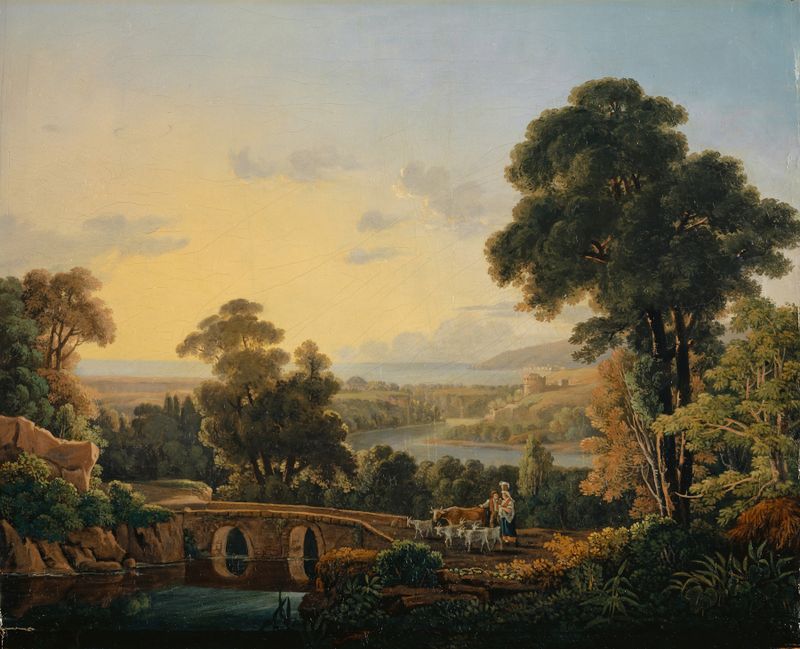
Hilly Landscape with River and Bridge
Peter Birmann
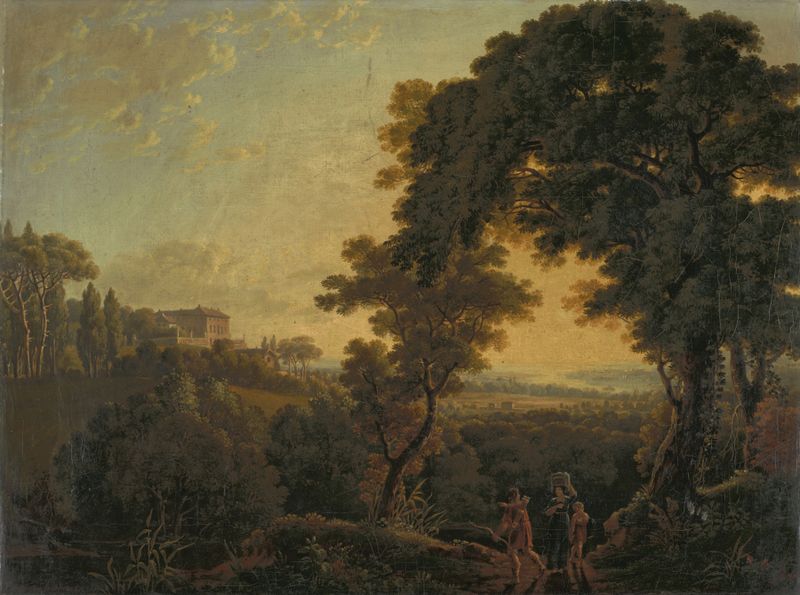
Italian Landscape, Lake Nemi
Peter Birmann

View from the Muttenz Quarry toward Basel
Peter Birmann

Entrée du Val de Moutier
Peter Birmann
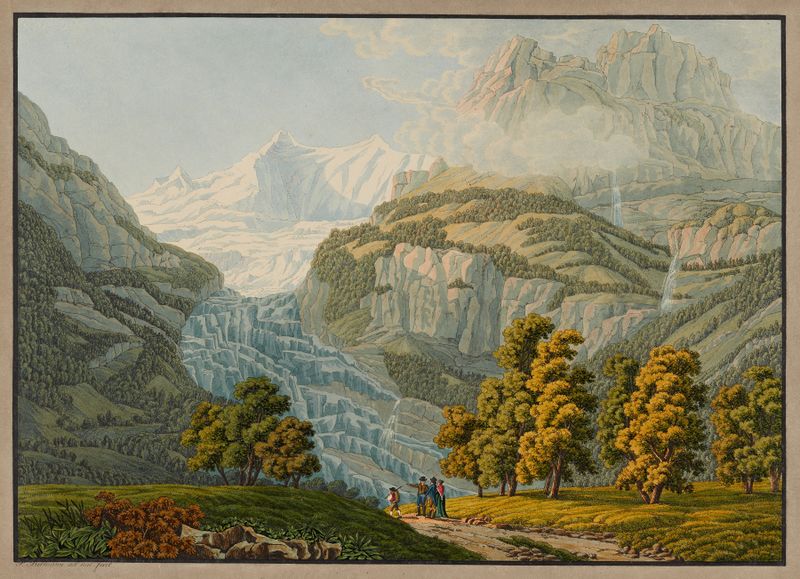
Le Glacier inférieur du Grindelwald, dans le Canton de Berne
Peter Birmann
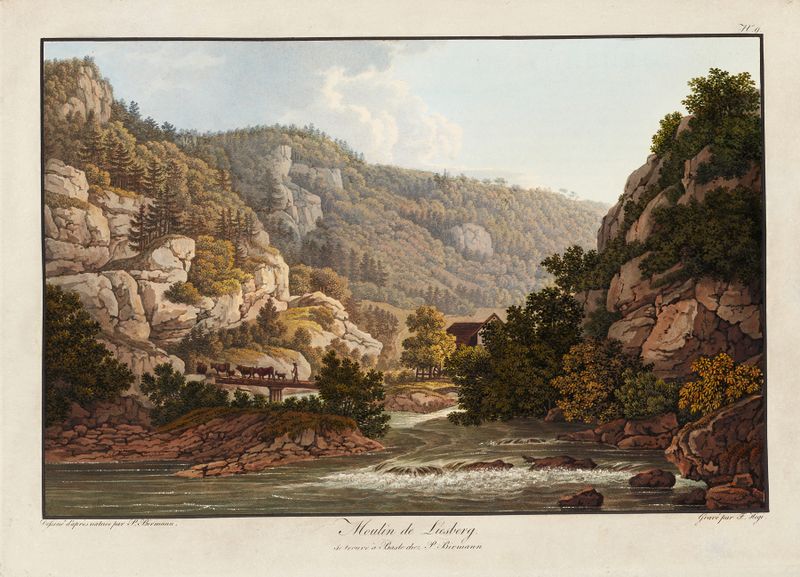
Moulin de Liesberg
Peter Birmann

Blick vom Muttenzer Steinbruch auf Basel (‘Environs de Bâle. prise sur la Carriere de Muttentz’)
Peter Birmann
Cascade de la Birs à Correndelein
Peter Birmann





