Sücka, Liechtenstein — History & Facts
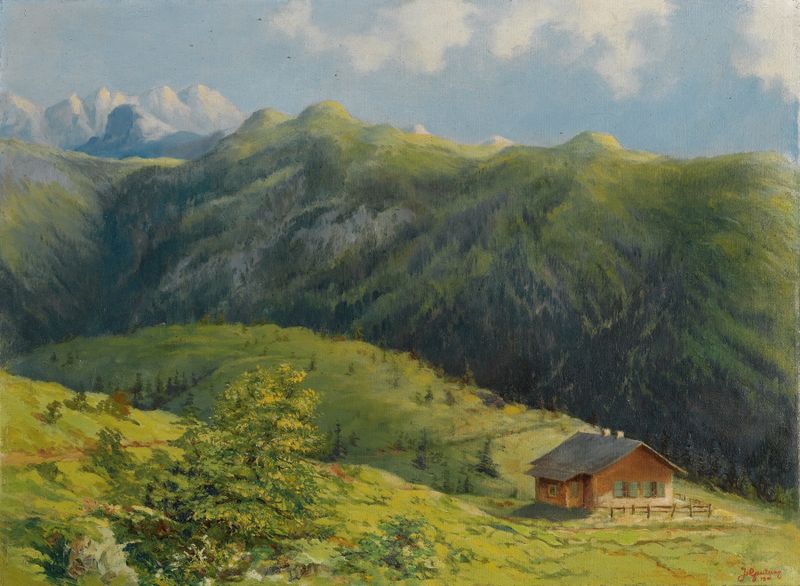
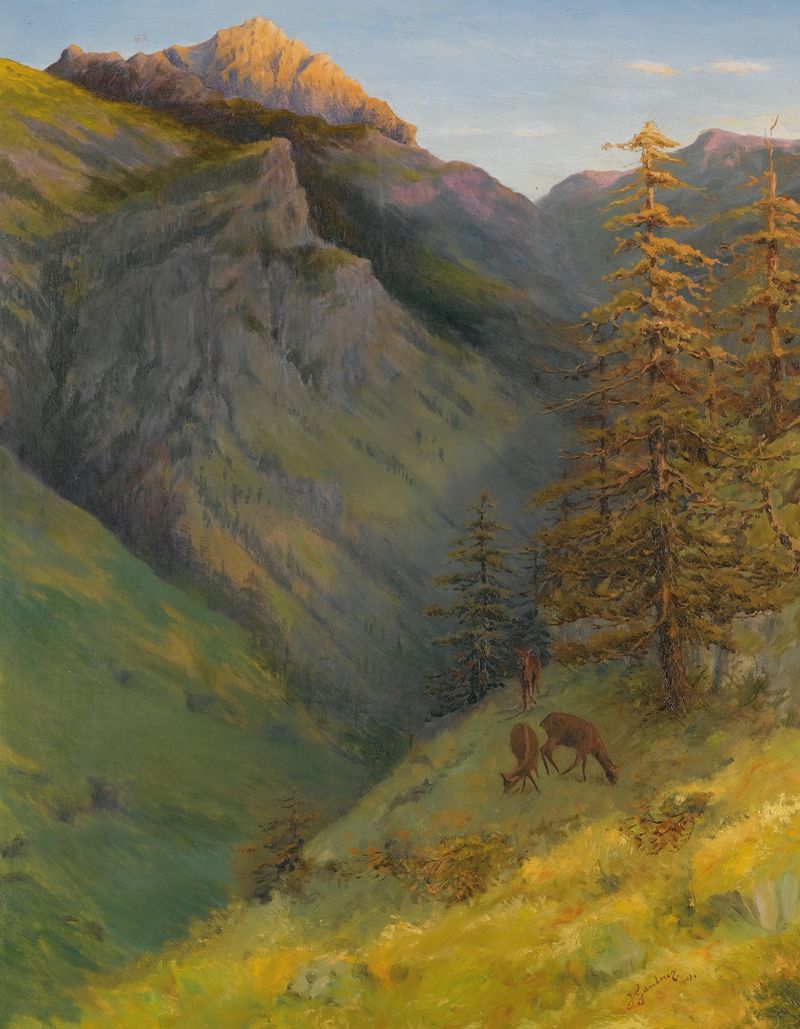
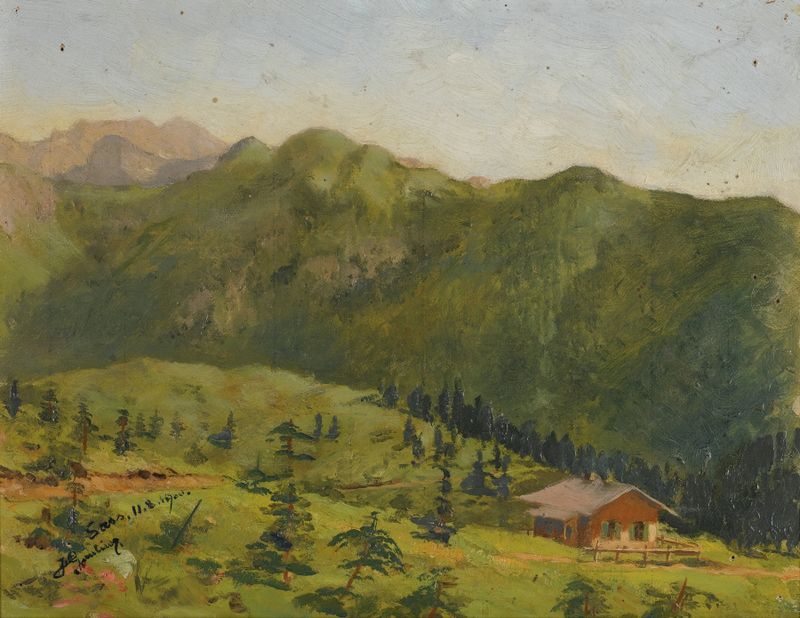
In the delicate strokes of Hans Gantner’s work, the fragility of existence is laid bare, inviting contemplation on the ephemeral nature of life. Look to the center of the canvas, where a lone figure stands amidst swirling hues that blend into a dreamlike landscape. Notice how the colors shift from soft pastels to deeper, muted tones, creating a poignant sense of isolation. The brushwork is both precise and fluid, capturing the figure’s delicate posture, which suggests vulnerability—an unguarded moment suspended in time.
Gantner uses light subtly, casting a gentle glow that enhances the figure's ethereal presence, reinforcing the theme of fragility. As you explore further, observe the surrounding elements—both nature and abstraction. The flowing lines suggest movement, yet they are anchored in stillness, reflecting the tension between chaos and tranquility. Each brushstroke seems to whisper secrets of the human experience, evoking feelings of melancholy and introspection.
This contrast between the figure’s solitary stance and the vibrant movement of the background underscores a universal truth: even in solitude, life is a dynamic interplay of joy and sorrow. In 1901, Gantner painted this piece during a transformative period in Europe, where artists were increasingly exploring emotional depth through their work. Living in Liechtenstein amidst a backdrop of change, he sought to express the fragility of the human condition while grappling with personal and artistic challenges. This era marked a departure from traditional forms, paving the way for modern expressionism—an evolution evident in the profound sensitivity of his brushwork.