The Augustenberg From The Malbuntal Valley — History & Facts
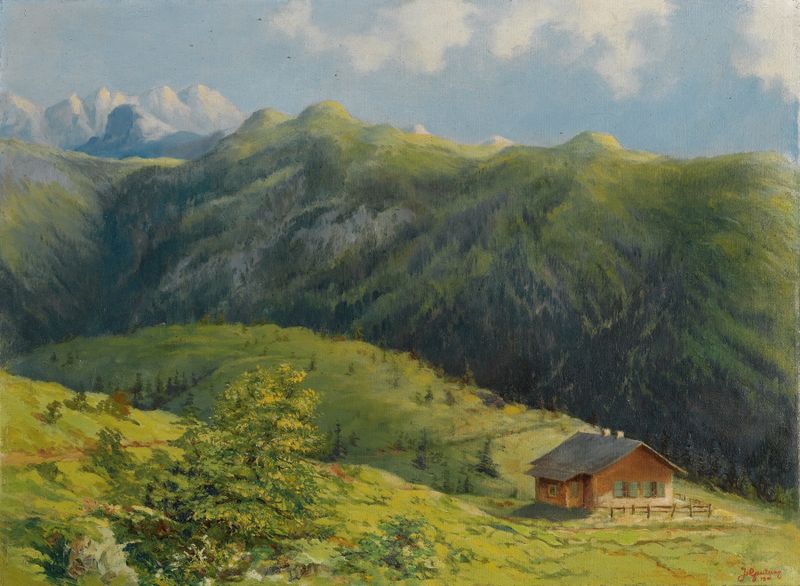
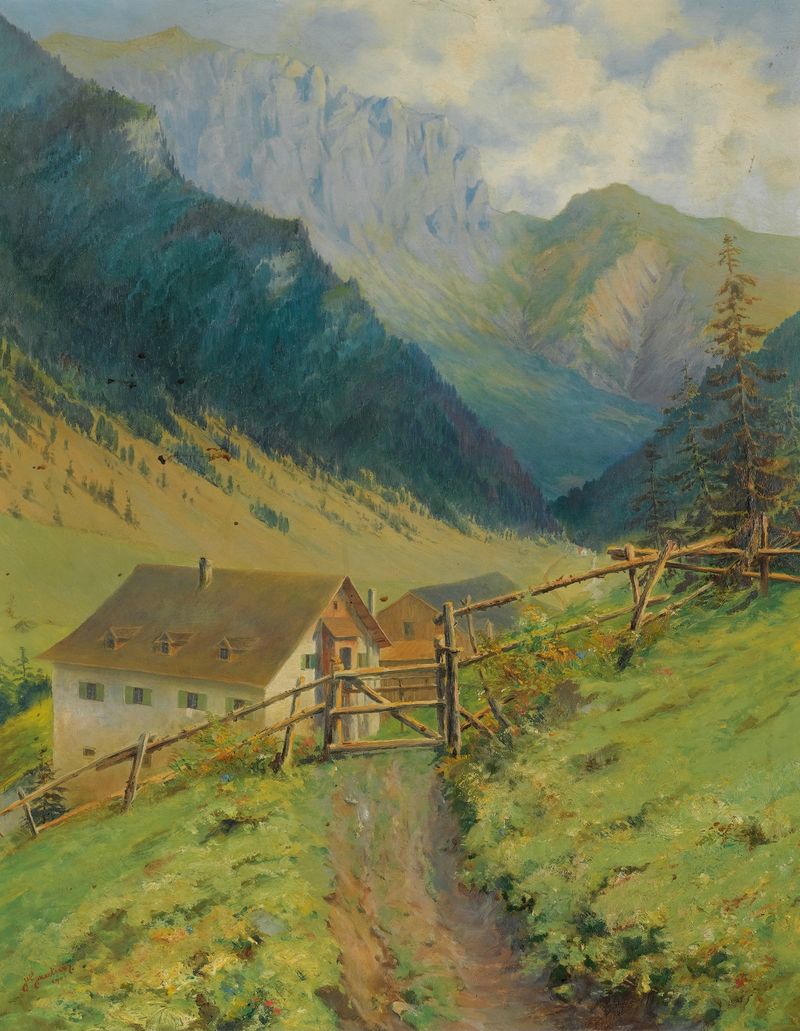
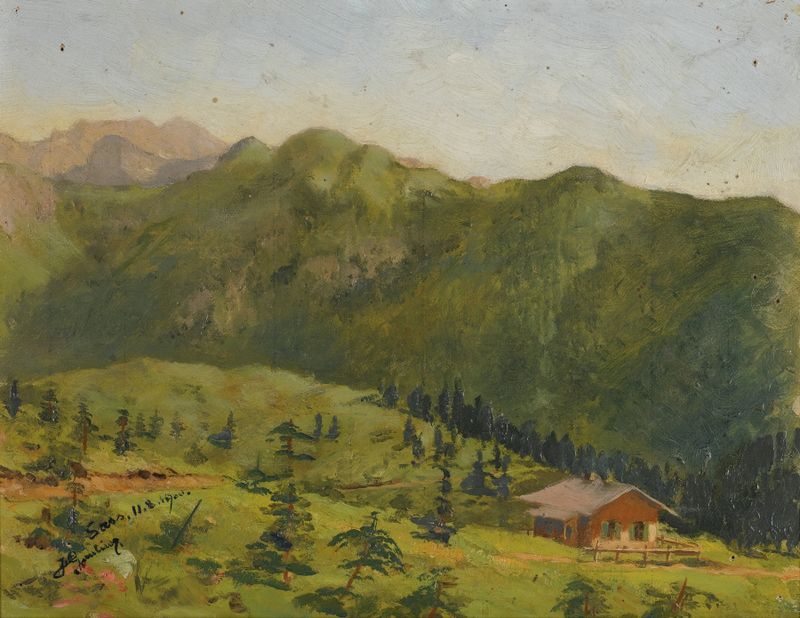
Can paint confess what words never could? In the delicate strokes and gentle hues of this artwork, the fragility of nature is laid bare, whispering truths that resonate deeply within the viewer. Look to the left at the soft contours of the distant mountains, each brushstroke a caress of the landscape, inviting you to traverse the serene slopes. Notice how the pallid sunlight highlights the textures of the grassy valley, with dappled shadows hinting at the passage of time. The palette is a symphony of muted greens and browns, evoking a sense of calm yet underscoring the transient beauty of the scene. This artwork encapsulates the emotional tension between permanence and impermanence.
The gentle, flowing lines of the valley suggest a timeless rhythm of nature, while the fading light carries an ephemeral quality, reminding us of the fleeting moments we often take for granted. The juxtaposition of the robust mountains against the soft valley evokes a sense of protection and vulnerability, amplifying the fragility of life itself. Created in 1901, this piece emerged during a transformative period in European art, marked by a shift towards Impressionism and a growing appreciation for the natural world. Gantner, working in the tranquility of the Malbuntal Valley, sought to capture the subtle beauty of his surroundings, reflecting a personal connection to the landscape amid the tumultuous societal changes of his time.