
Scène uit de Romeinse geschiedenis — History & Facts
Who listens when art speaks of silence? In Scène uit de Romeinse geschiedenis, a haunting stillness envelops the figures, urging viewers to delve deeper into their unspoken emotions. Look to the center of the composition, where a solemn assembly of characters engages in a quiet yet intense dialogue. The artist employs a muted palette of ochres and greys, allowing the subtle interplay of light and shadow to breathe life into their expressions. Notice how delicate brushwork captures the intricate details of draped fabrics, lending a tactile quality to their garments while enhancing the scene's gravity. Beneath the surface, the figures convey a profound melancholy, hinting at the weight of history and the burden of choices made.
The contrast between the characters’ stoic postures and their expressive faces suggests a narrative ripe with tension—a moment caught between decision and regret. Here, the echoes of ancient Rome resonate, bridging the past with a collective sense of nostalgia and loss, inviting contemplation on the nature of power and its fleeting legacy. Charles Le Brun created this piece during a transformative period in France, specifically between 1629 and 1690. As a leading figure in the Baroque movement, he was deeply involved in establishing the royal art academy, and his work reflected the political and artistic ambitions of his time.
This painting not only reveals his mastery of composition but also underscores the era's fascination with the moral complexities of historical storytelling.
More Artworks by Charles Le Brun
Browse all →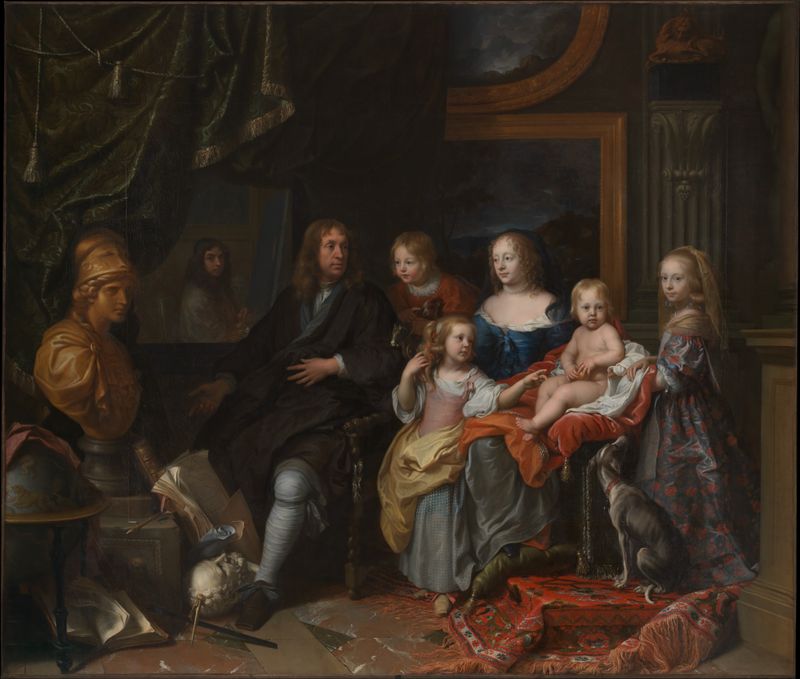

More Historical Art
Browse all →
The Night Watch Militia Company of District II under the Command of Captain Frans Banninck Cocq
Rembrandt van Rijn

Lincoln Memorial
Henry Bacon

The Third of May 1808
Francisco de Goya

Isaac and Rebecca, Known as ‘The Jewish Bride’
Rembrandt van Rijn

The Charge of the Mamelukes (1814)
Francisco de Goya

De vier ruiters van de apocalyps
Albrecht Dürer