
Scotland — History & Facts
When did color learn to lie? The vibrant hues of Scotland stir a longing that echoes through the valleys and hills, evoking a deep yearning for connection and the ephemeral beauty of the landscape. Look to the left at the bold strokes of green, where the artist’s brush captures the lushness of the Scottish hills. The interplay of light and shadow creates a dynamic landscape defined by its texture, pulling the eye through undulating forms. Notice how the sky transitions from a brooding gray to whispers of blue, hinting at a fleeting moment in time, while the scattered clouds seem to carry secrets of the land, inviting viewers to explore deeper. Beneath the surface, the painting reveals an emotional tension between the serene beauty of the landscape and an underlying sense of nostalgia.
The rugged contours suggest a wildness, while the gentle play of light illuminates the desire for solace. In this work, Sargent captures not just a place but a feeling—a longing for home in the ever-changing elements of nature, where every brushstroke resonates with an unfulfilled quest for belonging. In 1897, John Singer Sargent painted Scotland during a period of artistic exploration and personal reflection. Having achieved success in portraiture, he sought inspiration in the landscapes of his travels.
This era marked a shift toward impressionistic techniques, influenced by the post-impressionist movement, as Sargent delved into capturing the essence of his surroundings with a fresh, vibrant perspective.
More Artworks by John Singer Sargent
Browse all →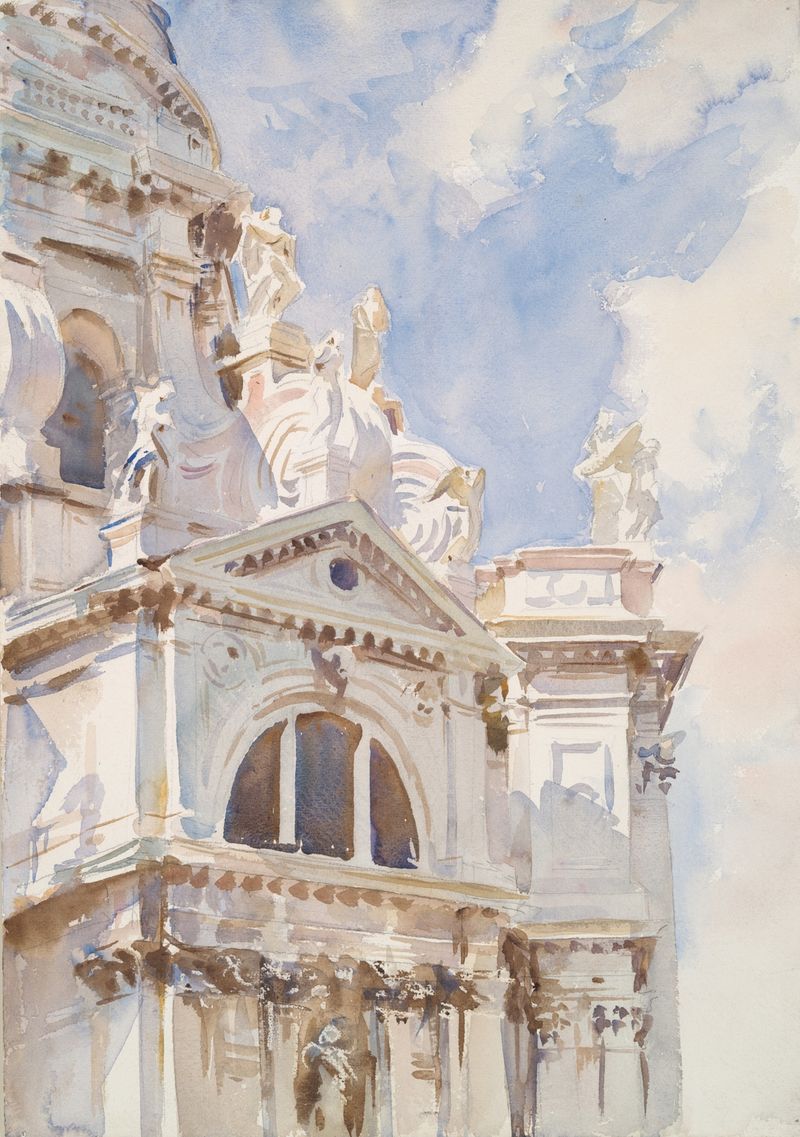
The Salute, Venice
John Singer Sargent

Mrs. Charles Deering (Marion Denison Whipple)
John Singer Sargent
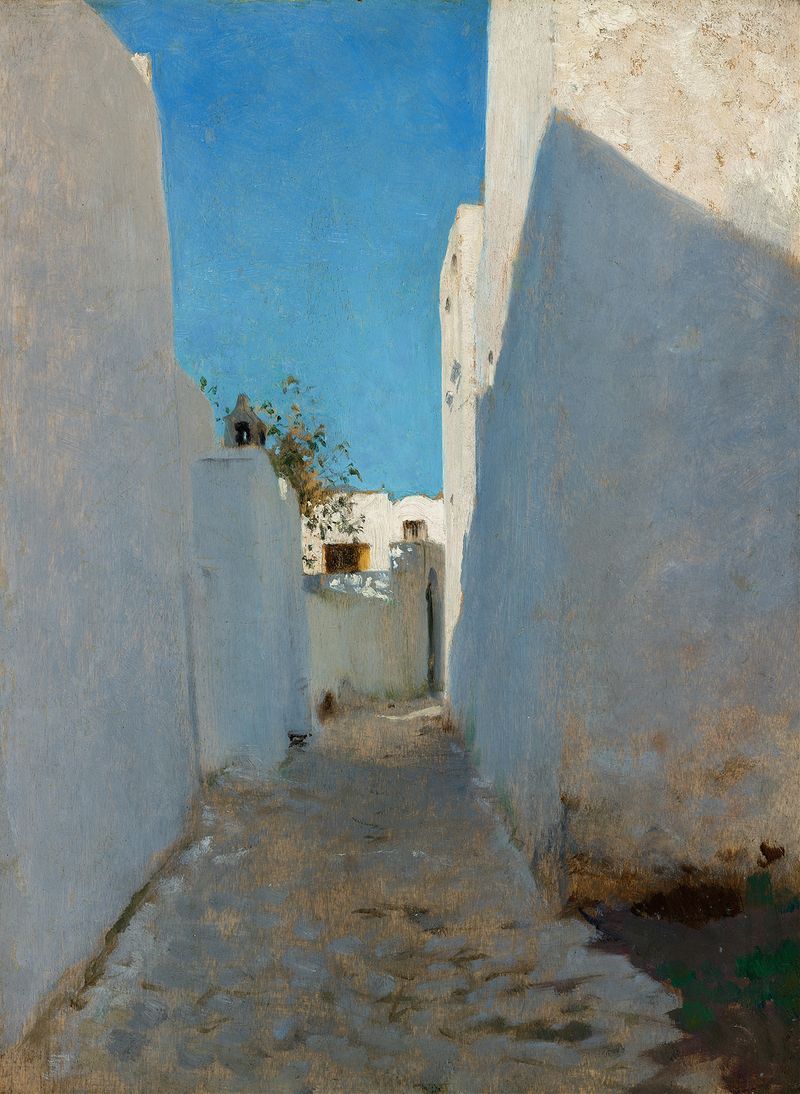
A Moroccan Street Scene
John Singer Sargent
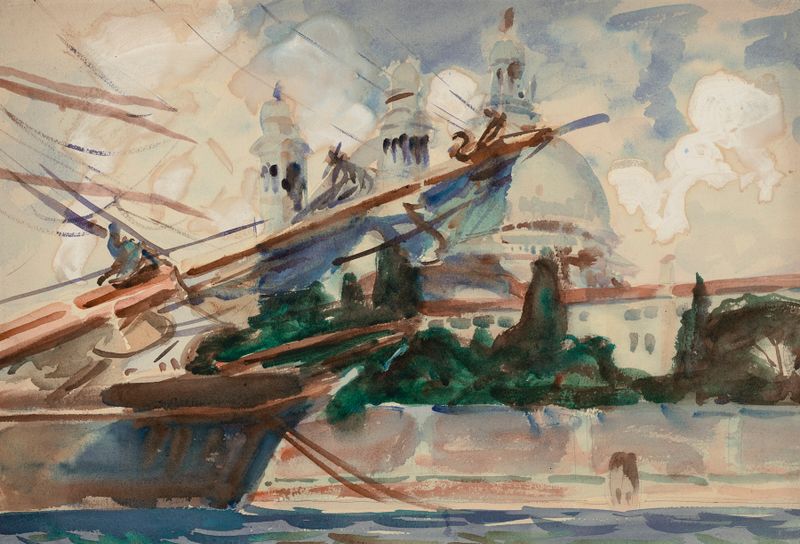
The Salute, Venice
John Singer Sargent
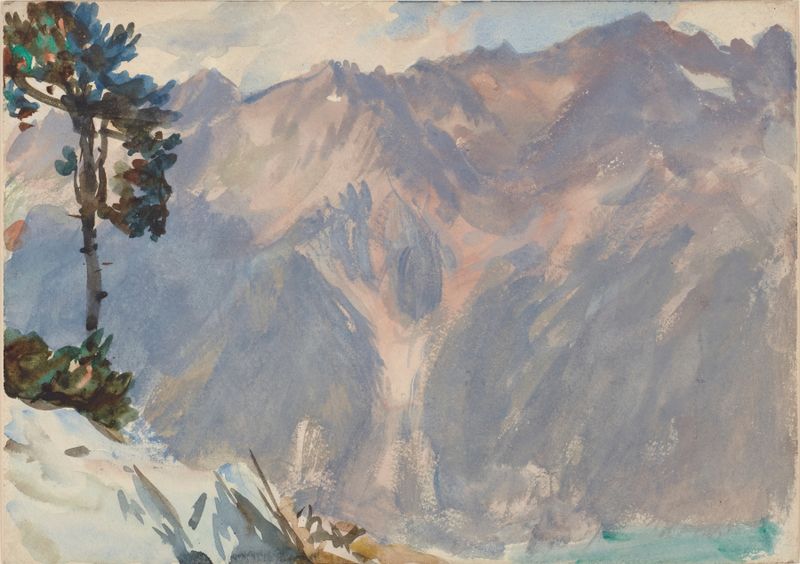
Tyrol
John Singer Sargent
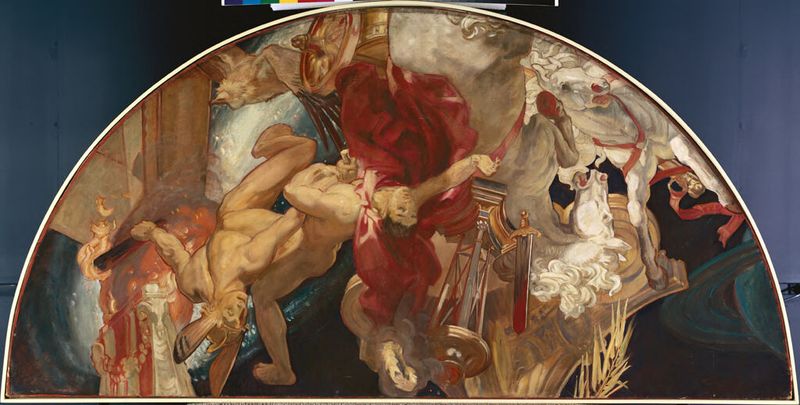
Study for "Gog and Magog," for the Boston Public Library
John Singer Sargent
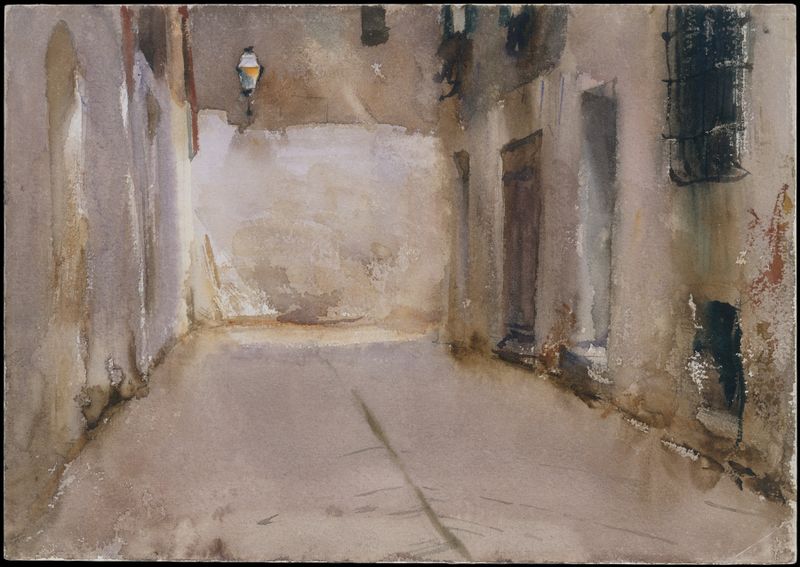
Venice
John Singer Sargent
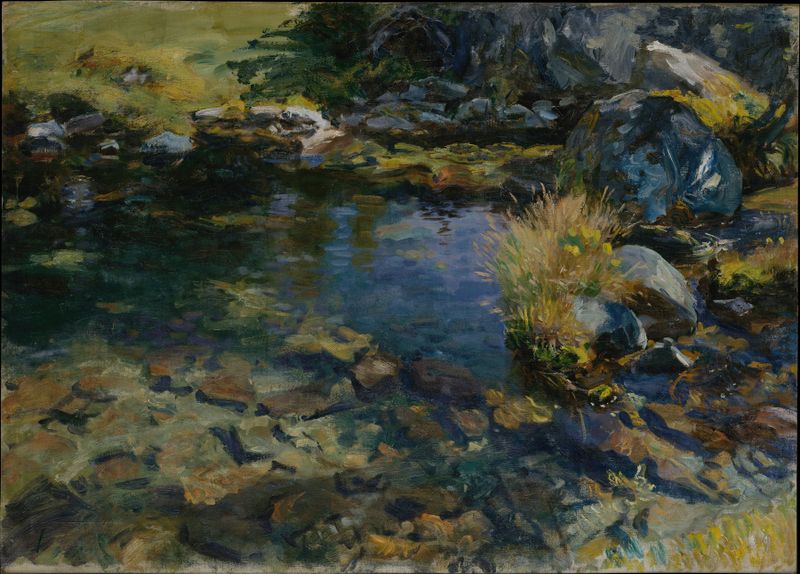
Alpine Pool
John Singer Sargent
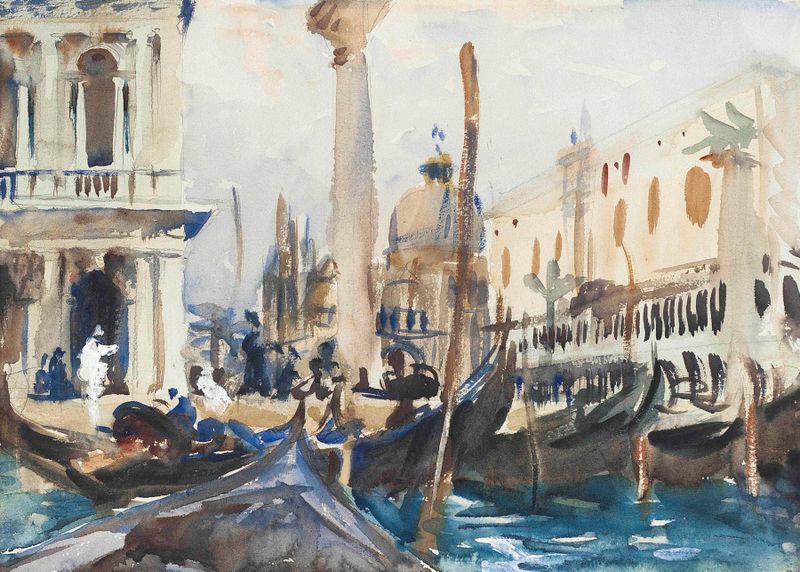
The Piazzetta with Gondolas
John Singer Sargent
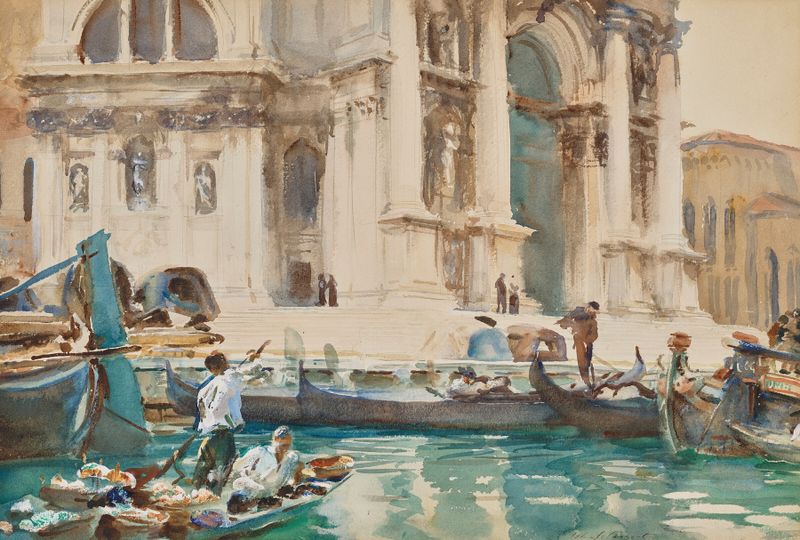
The Façade of La Salute, Venice
John Singer Sargent





