
Sea View — History & Facts
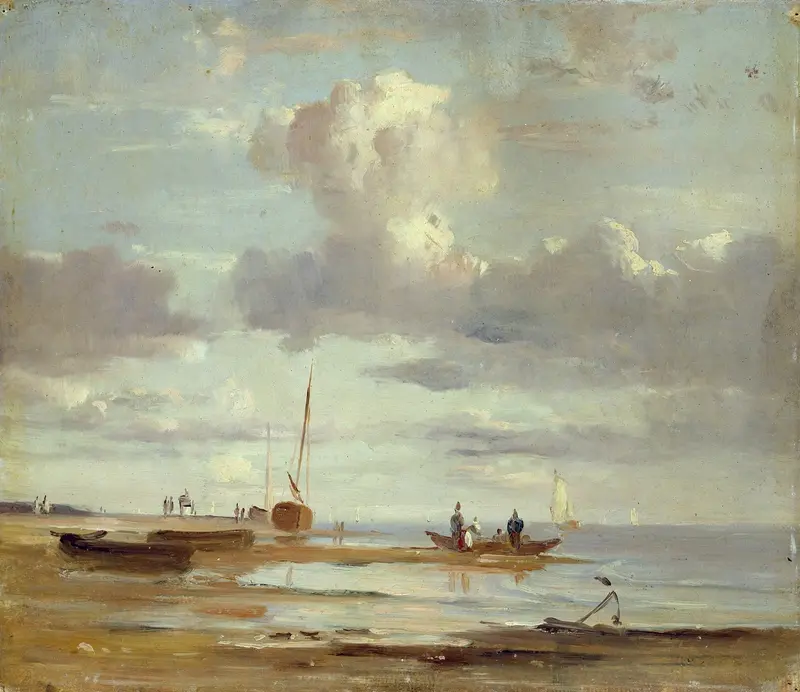
The first thing that draws the eye in Sea View is the way the sky seems to outgrow the frame, its billowing clouds dwarfing the ships and figures below. The artist, Adolf Friedrich Vollmer, sets the stage at the water’s edge, where the stillness of the tide mirrors the calm, golden light that bathes the scene. Every element serves a purpose: the cluster of boats at left, their sails catching the last warmth of the sun, signals the end of a working day, while the larger vessel at right, with its shadowed hull and taut rigging, stands as a silent witness to the routine drama of coastal life.
The low horizon gives the sky the leading role, inviting the viewer to linger in the hush before evening. Painted in 1837, this work belongs to a tradition that flourished in nineteenth-century northern Europe, when maritime scenes were prized both as records of commerce and as meditations on nature’s vastness. Collectors and merchants alike commissioned such works to celebrate the prosperity and reach of their ports, but artists also found in these views a way to explore changing light and atmosphere. Sea View is now part of the Hermitage collection in St.
Petersburg, a reminder of how these images traveled far from the harbors they depicted. History has kept few traces of this painting’s early journey, but the quiet clarity of its vision remains—inviting us to step onto the shore and look out, as if for the first time.
More Artworks by Adolf Friedrich Vollmer
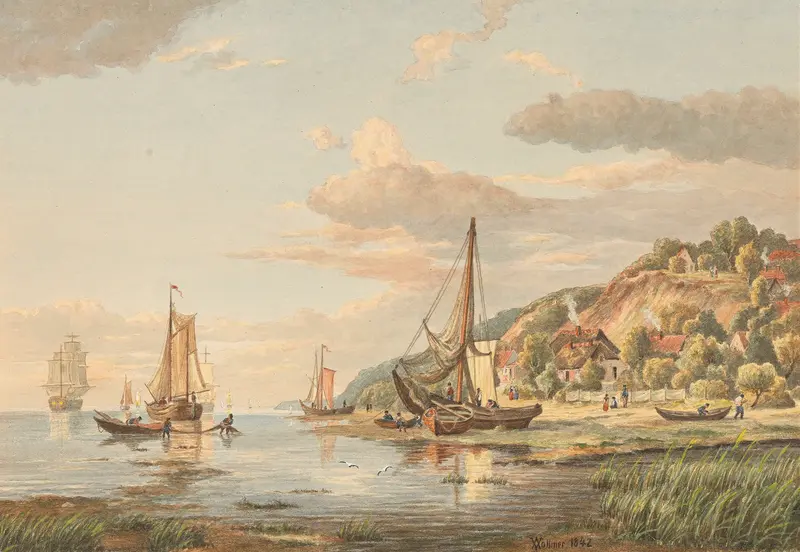
Die Elbe bei Blankenese
Adolf Friedrich Vollmer
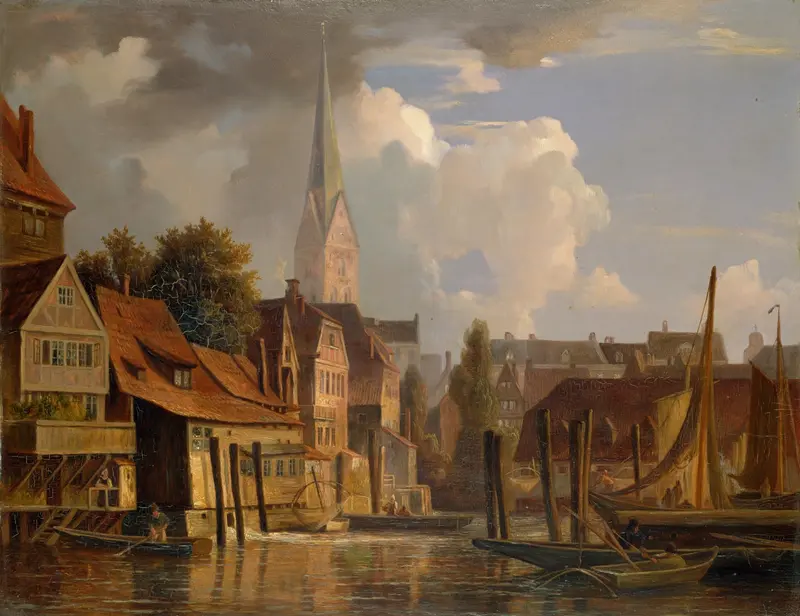
Die Kleine Alster
Adolf Friedrich Vollmer
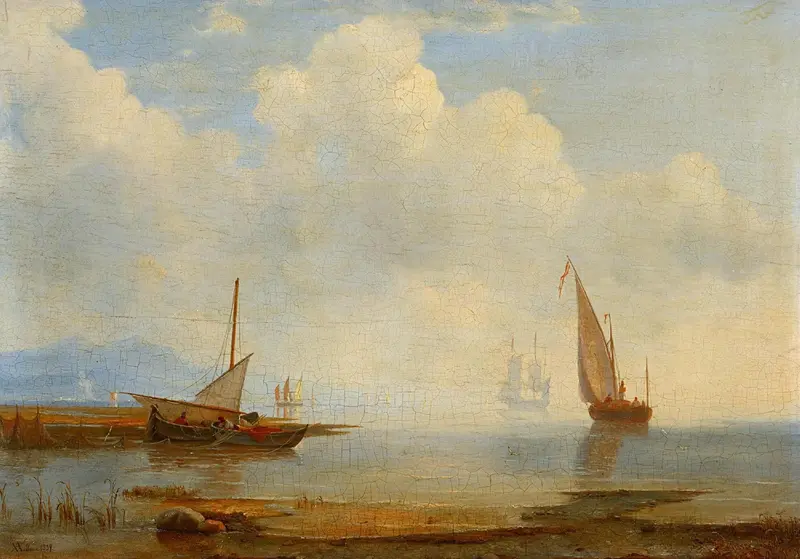
Schiffe vor südlicher Landschaft
Adolf Friedrich Vollmer
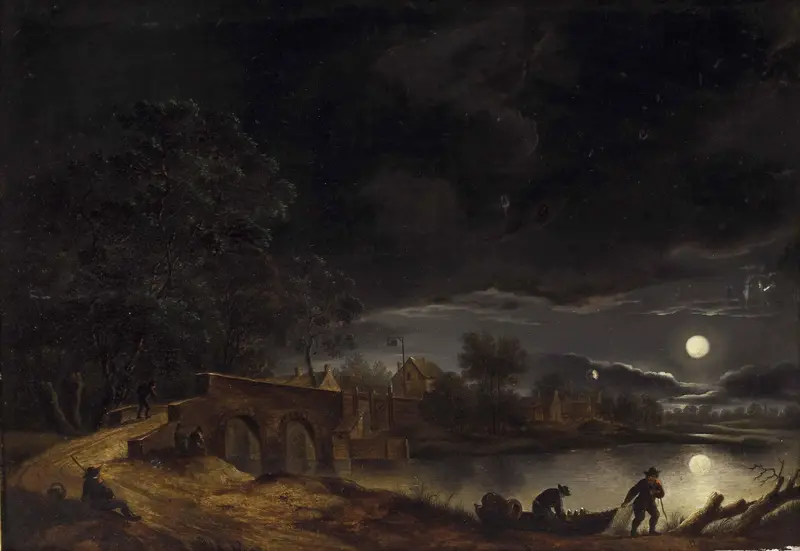
AF Vollmer Vollmond über Dorf am Fluss mit Brücke und Personenstaffage
Adolf Friedrich Vollmer
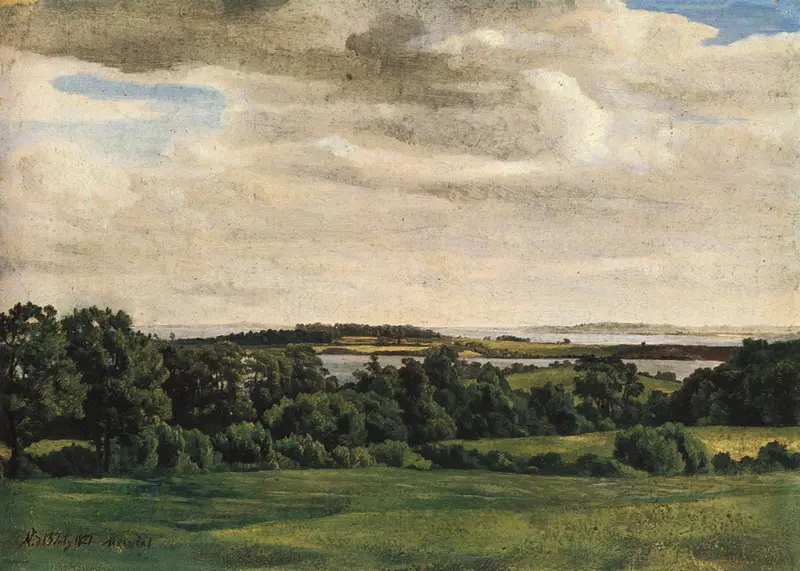
AF Vollmer Holsteinische Landschaft
Adolf Friedrich Vollmer
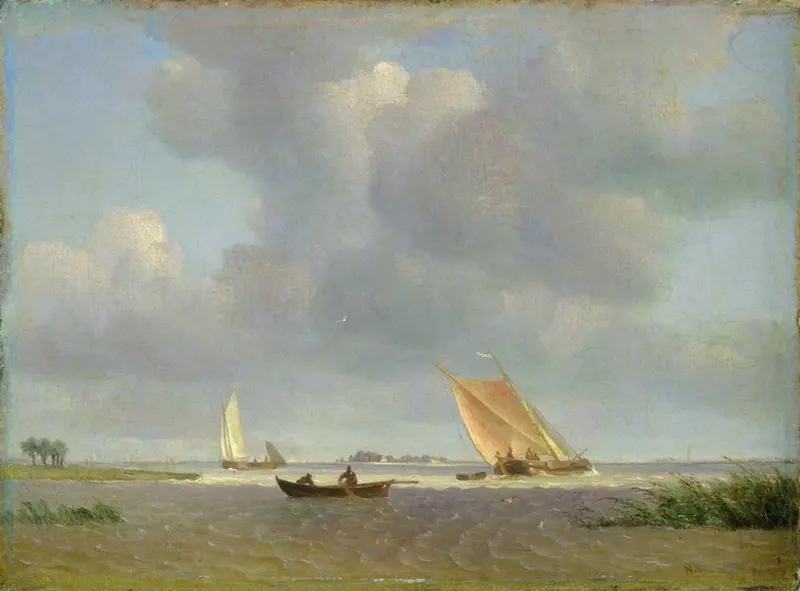
AF Vollmer, Die Elbe bei Blankenese (Frische Brise auf der Elbe) um 1830.c.III
Adolf Friedrich Vollmer
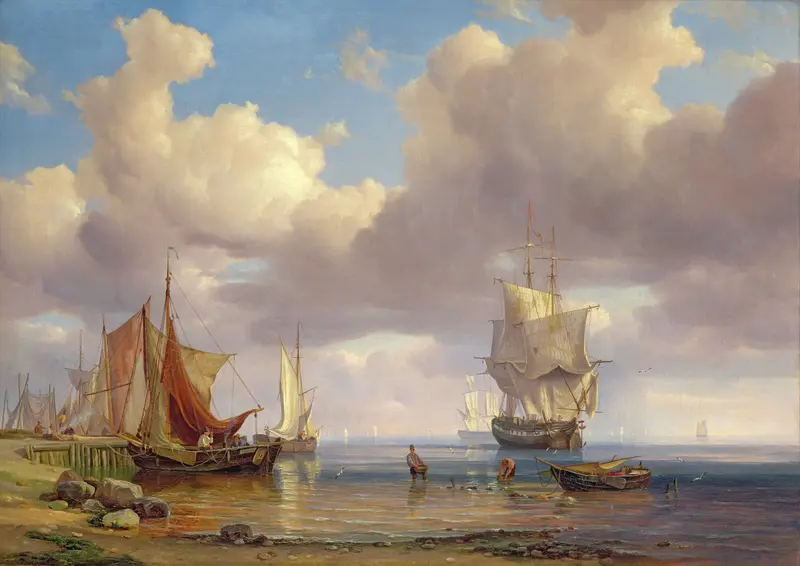
Calm Sea
Adolf Friedrich Vollmer
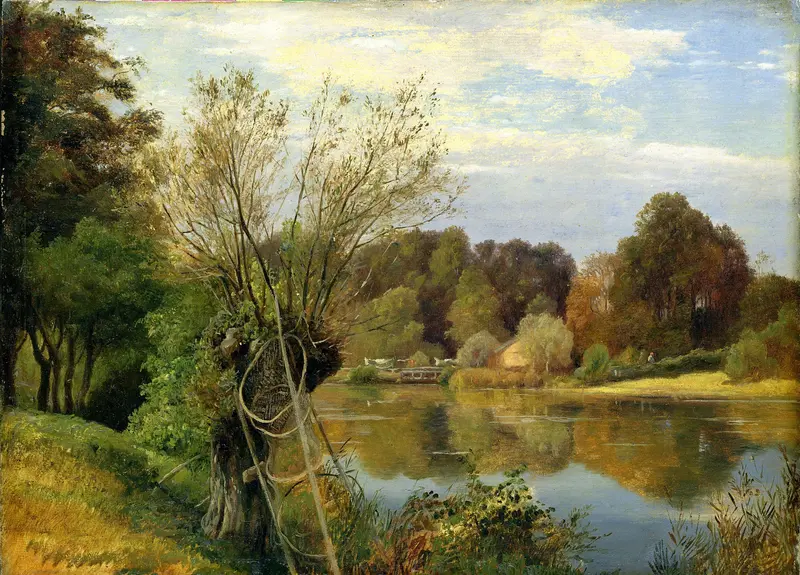
Bei der Aumühle
Adolf Friedrich Vollmer
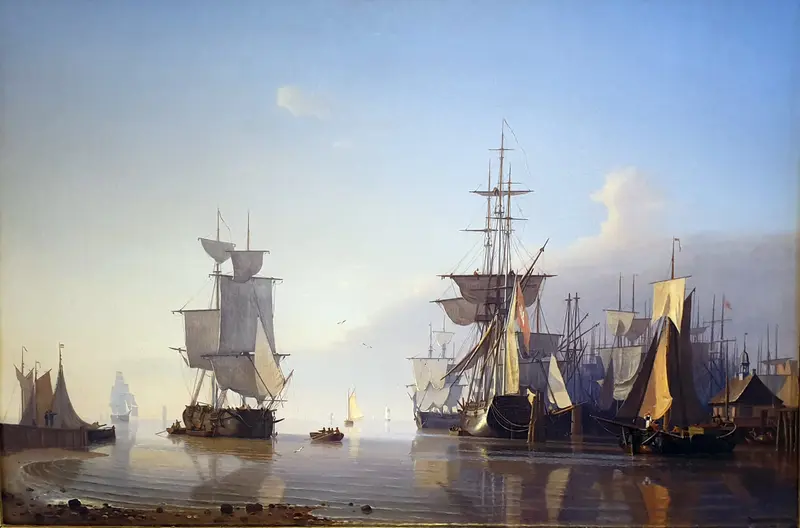
Navy with sailing ships
Adolf Friedrich Vollmer
The Elbe at Blankenese
Adolf Friedrich Vollmer





