
The Elbe at Blankenese — History & Facts
The first thing that draws the eye in The Elbe at Blankenese is the sheer expanse of sky, dwarfing the figures and boats below. The clouds seem to drift with a gentle but unstoppable momentum, their soft, luminous forms reflected in the shallow water at the river’s edge. The painter has chosen a moment of calm, when the river is a mirror and the bustle of daily life is reduced to silhouettes: a handful of people, a cluster of moored boats, and the faint suggestion of distant sails.
The low horizon gives the sky the leading role, inviting the viewer to linger in the shifting light and subtle color—pale blues, warm ochres, and muted greys—that set a mood of quiet anticipation. Works like this, from the hand of Adolf Friedrich Vollmer, belong to a tradition of 19th-century landscape painting that sought to capture not just a place but a way of seeing. In an era when river scenes were prized by collectors for their sense of place and tranquility, artists often painted en plein air to seize the fleeting effects of weather and light. The Elbe, a vital artery for trade and travel, appears here as both a working river and a stage for contemplation.
History has kept few traces of this specific painting’s journey—its presence today in the collections of kunstkopie.ch and the Bridgeman Art Library is a reminder of how such quiet scenes, once everyday sights, now invite us to pause and look again.
More Artworks by Adolf Friedrich Vollmer
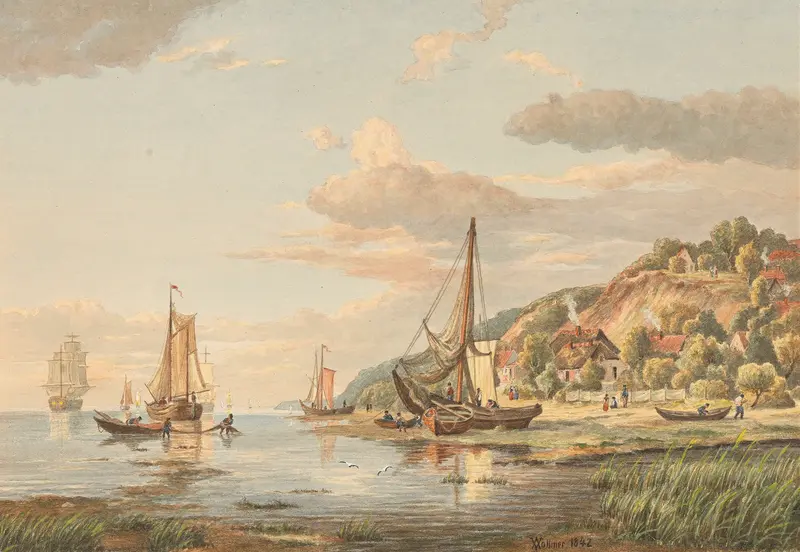
Die Elbe bei Blankenese
Adolf Friedrich Vollmer
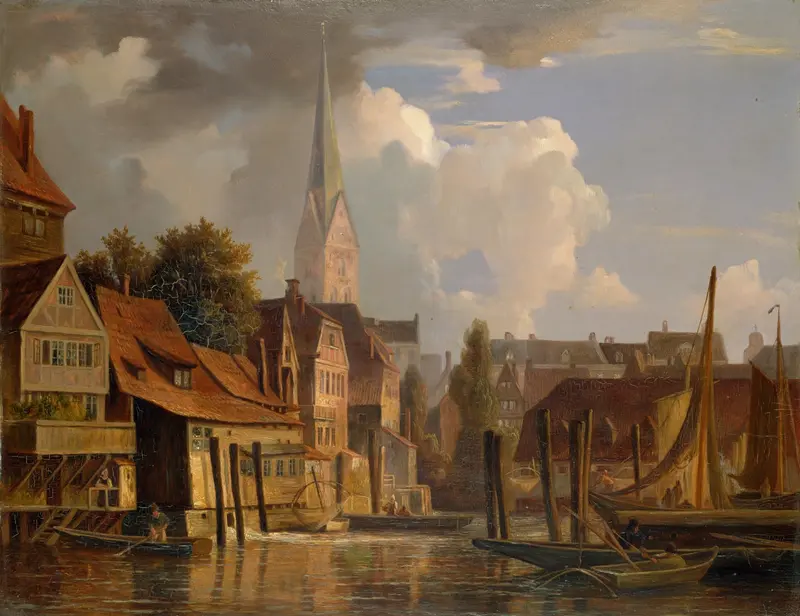
Die Kleine Alster
Adolf Friedrich Vollmer
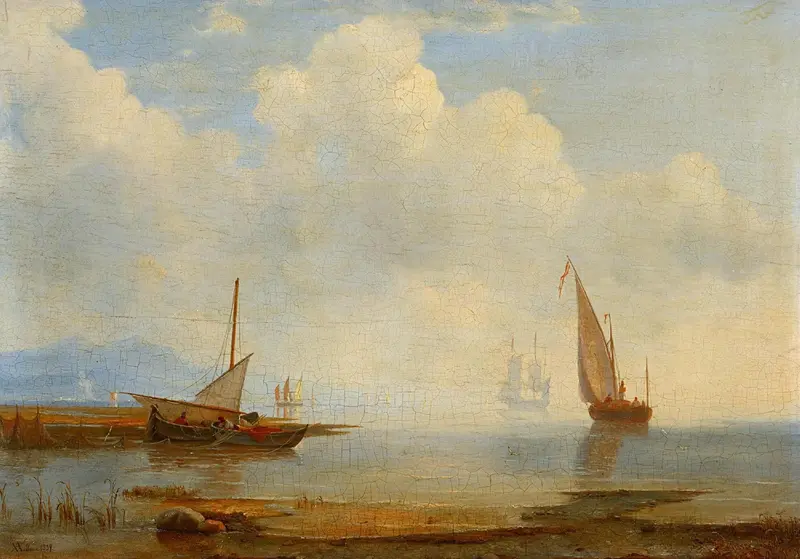
Schiffe vor südlicher Landschaft
Adolf Friedrich Vollmer
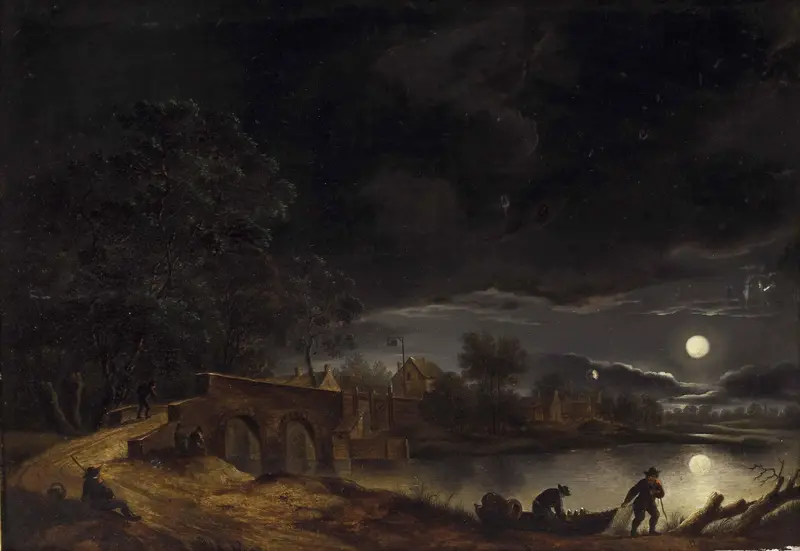
AF Vollmer Vollmond über Dorf am Fluss mit Brücke und Personenstaffage
Adolf Friedrich Vollmer
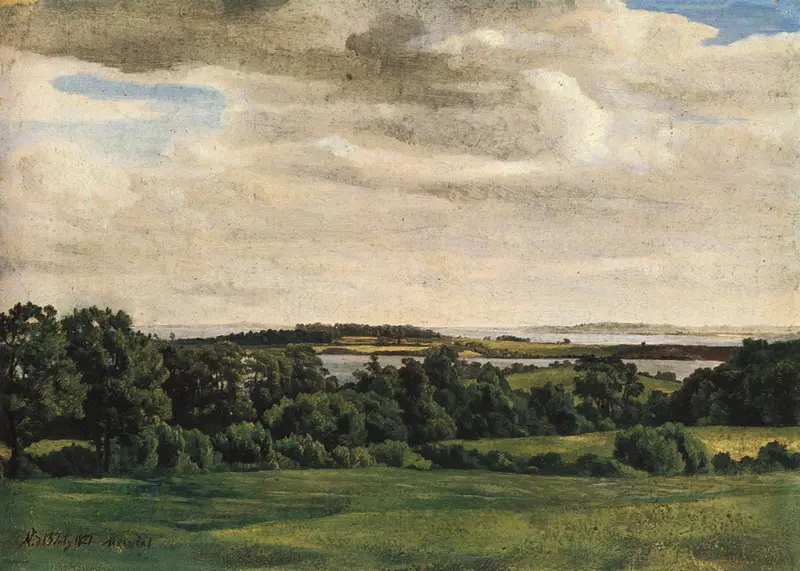
AF Vollmer Holsteinische Landschaft
Adolf Friedrich Vollmer
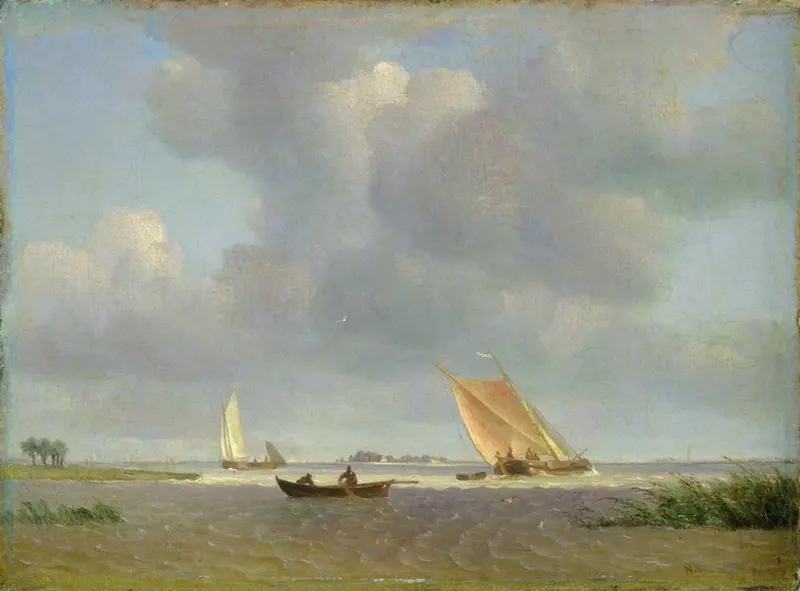
AF Vollmer, Die Elbe bei Blankenese (Frische Brise auf der Elbe) um 1830.c.III
Adolf Friedrich Vollmer
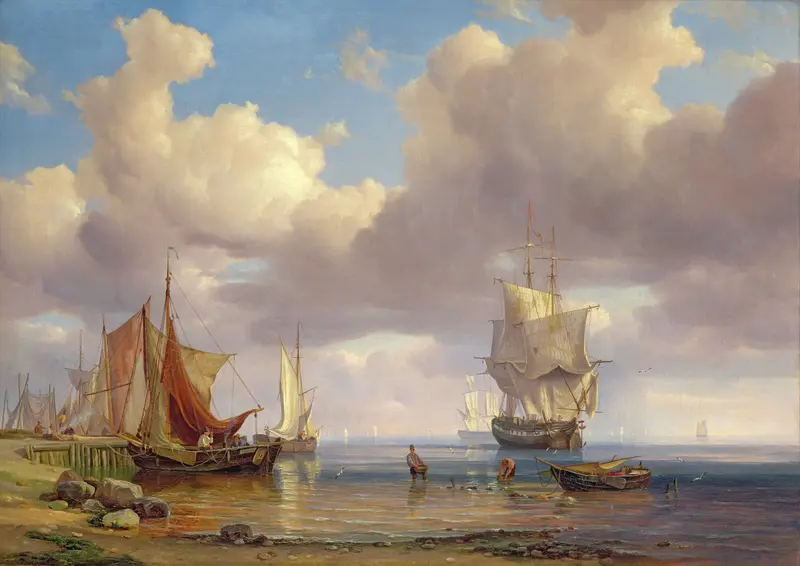
Calm Sea
Adolf Friedrich Vollmer
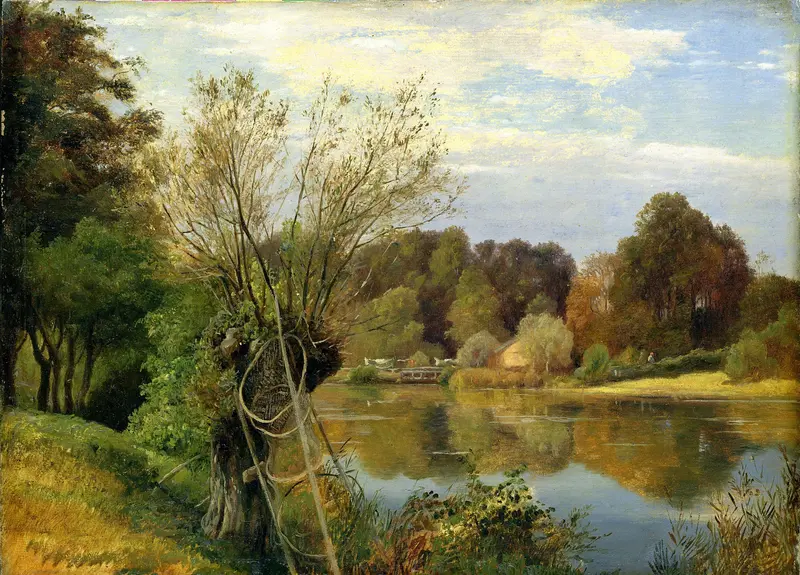
Bei der Aumühle
Adolf Friedrich Vollmer
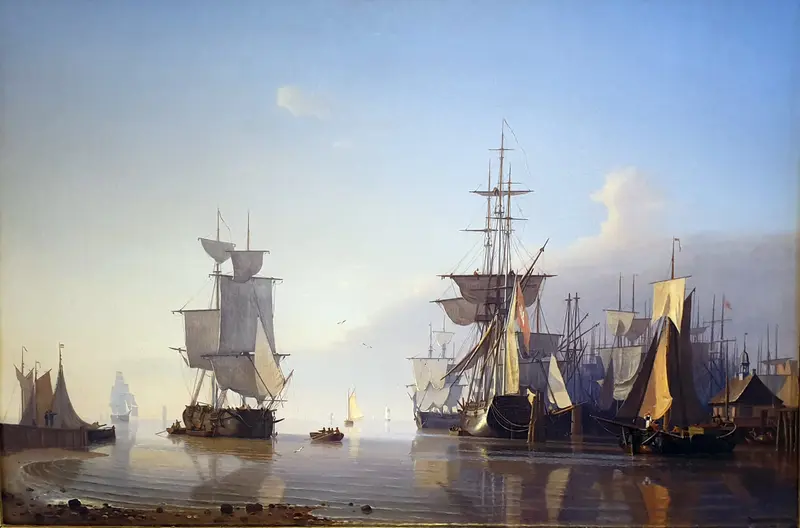
Navy with sailing ships
Adolf Friedrich Vollmer
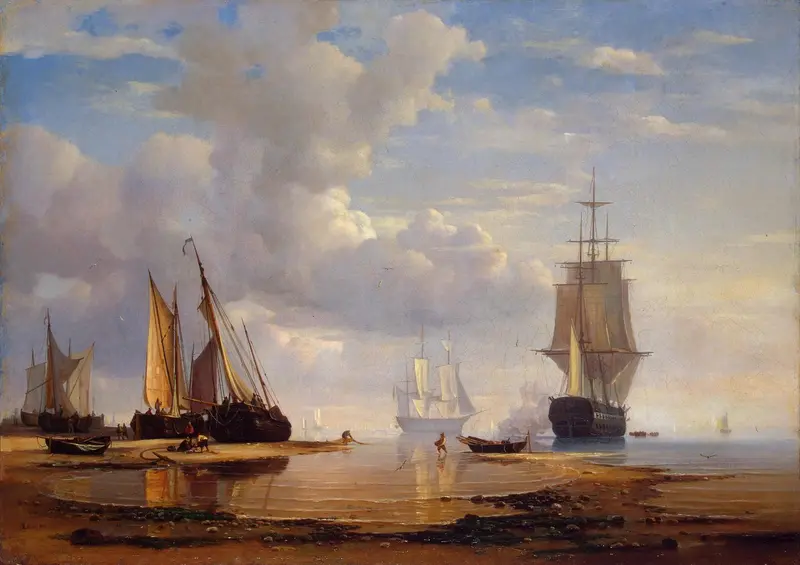
Sea View
Adolf Friedrich Vollmer
More Landscape Art

The Starry Night
Vincent van Gogh

View of Delft
Johannes Vermeer

Water Lilies
Claude Monet

The Grand Canal, Venice, looking north-west from the Ca' Corner to the Ca' Contarini degli Scrigni, with the campanile of Santa Maria della Carità
Canaletto

Windsor Castle
Canaletto

The Grand Canal looking North-East from the Palazzo Dolfin-Manin to the Rialto Bridge
Canaletto