
Seaforth House, Simonstown, Cape Of Good Hope, South Africa — History & Facts
What secret hides in the quiet of the canvas? There’s an unspoken destiny woven between the brushstrokes, a whisper of history waiting to be unearthed. Look to the foreground, where the sturdy façade of Seaforth House stands resolutely against the backdrop of a tranquil bay. Notice how the gentle waves glimmer in shades of azure, reflecting the soft pinks and creams of the evening sky. The meticulous detailing of the structure contrasts with the fluidity of the water, suggesting a harmony between man-made stability and nature’s ever-changing rhythms.
The crisp lines of the house command attention, while the subtle play of light captures a moment both serene and poignant. Hidden within this serene portrayal lies a tension between permanence and transience. The house, emblematic of human ambition and resilience, faces a fluid landscape that invites decay and renewal. The muted colors evoke a sense of nostalgia, as if the viewer is peering into a bygone era, longing for a connection to the past.
The surrounding flora hints at a vibrant life beyond the canvas, suggesting that while the edifice may endure, the world around it is in constant flux, tied to the currents of time. In 1836, Edward Duncan painted this piece in a period marked by exploration and burgeoning colonial aspirations in South Africa. Residing in Cape Town, he captured the essence of his surroundings amid the transformative tides of society. The artwork reflects both the architectural pride of the time and the artist’s keen observation of the natural beauty that surrounded him, illuminating a pivotal moment in the narrative of place and identity.
More Artworks by Edward Duncan
Browse all →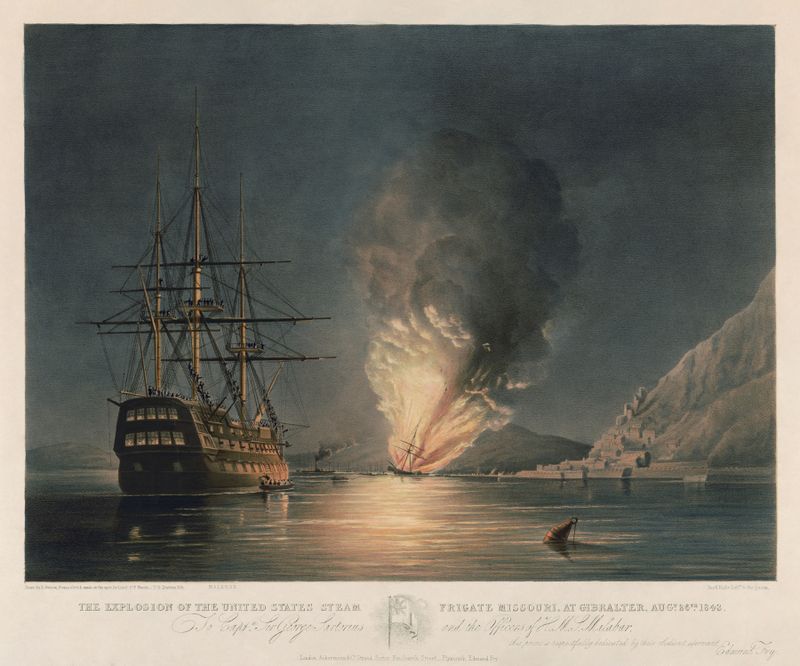
The Explosion of the United States Steam Frigate Missouri
Edward Duncan
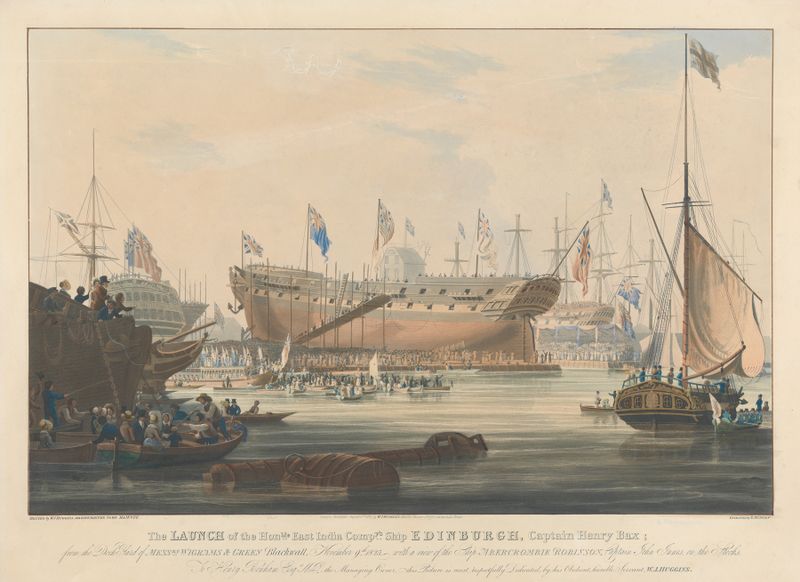
Launch of the ‘Edinburgh’, Blackwall, Nov. 9, 1825
Edward Duncan
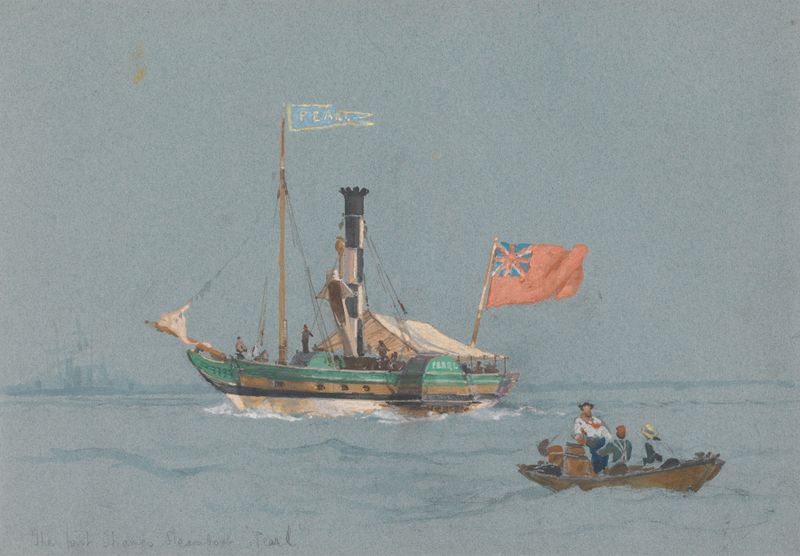
The First Thames Steamboat: Pearl
Edward Duncan
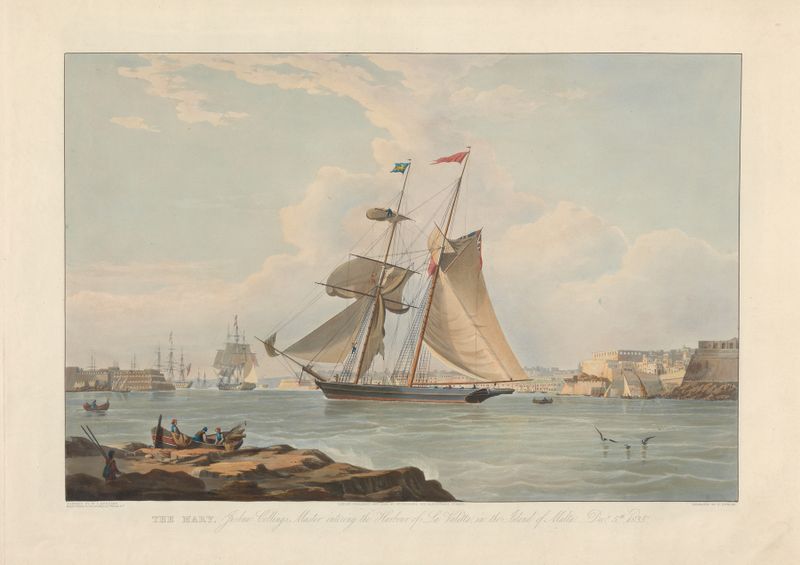
The Mary, Joshua Collings, Master, Entering the Harbour of La Valletta, in the Island of Malta, Dec. 5, 1835
Edward Duncan
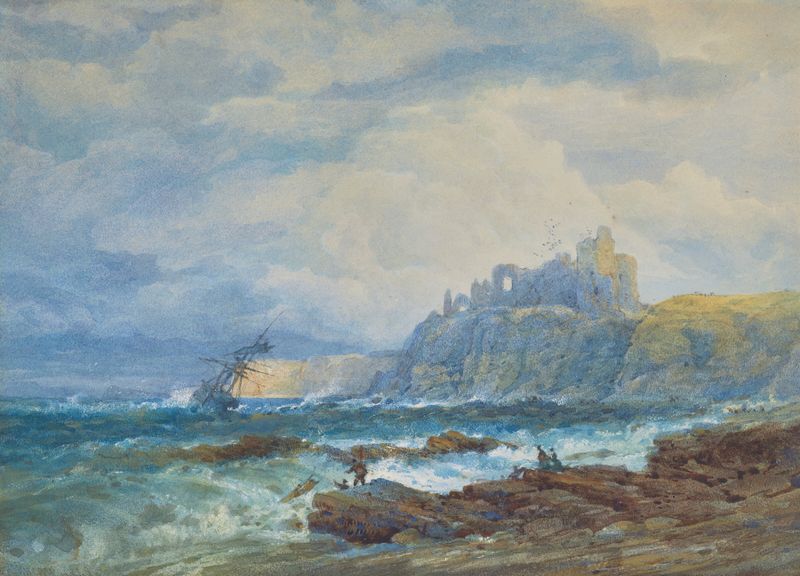
A ship in distress off Tantallon Castle, Scotland
Edward Duncan
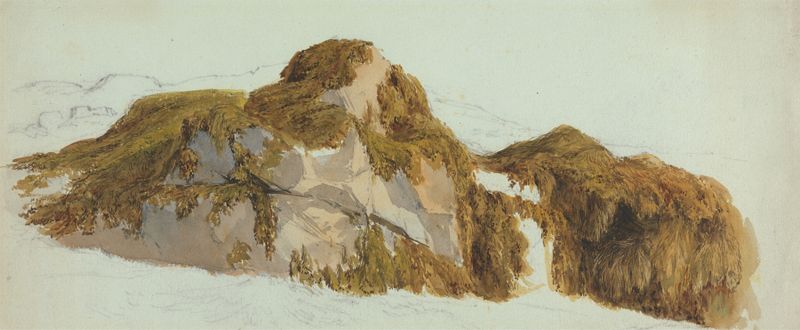
Study of Rocks Covered with Seaweed
Edward Duncan
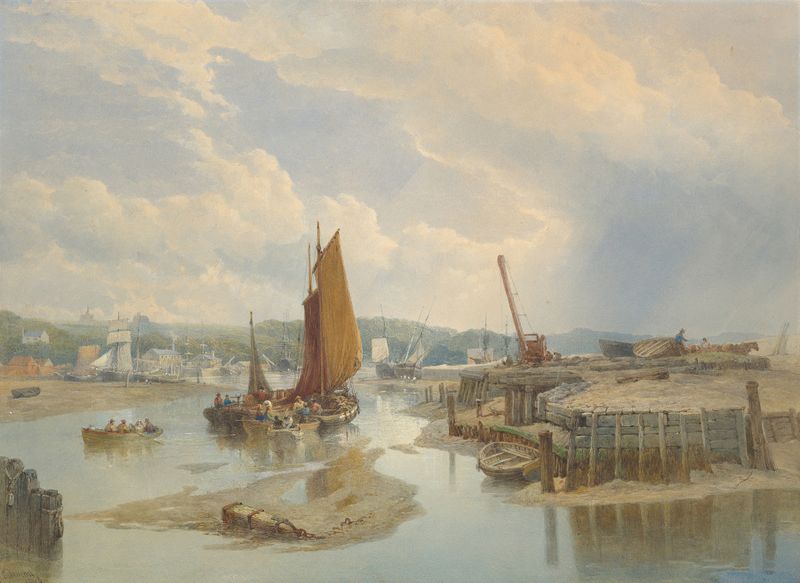
A Town on an Estuary at Low Tide
Edward Duncan
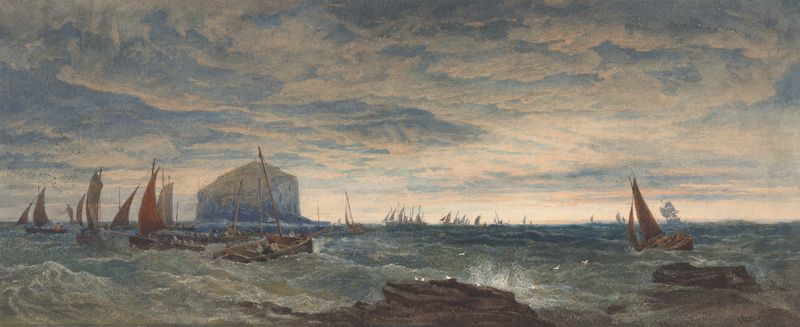
The Bass Rock at Dawn
Edward Duncan
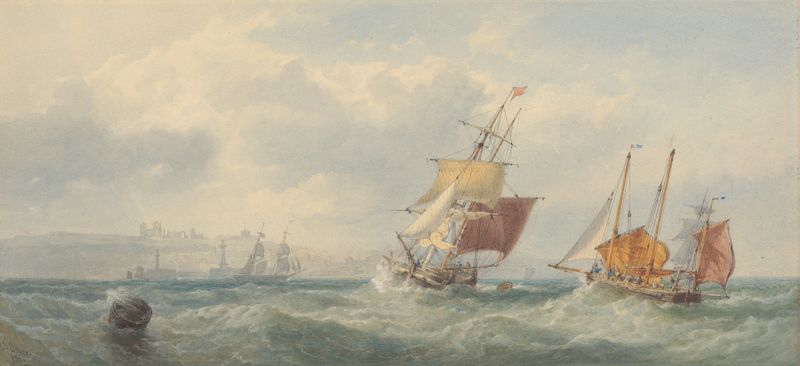
Off Whitby
Edward Duncan
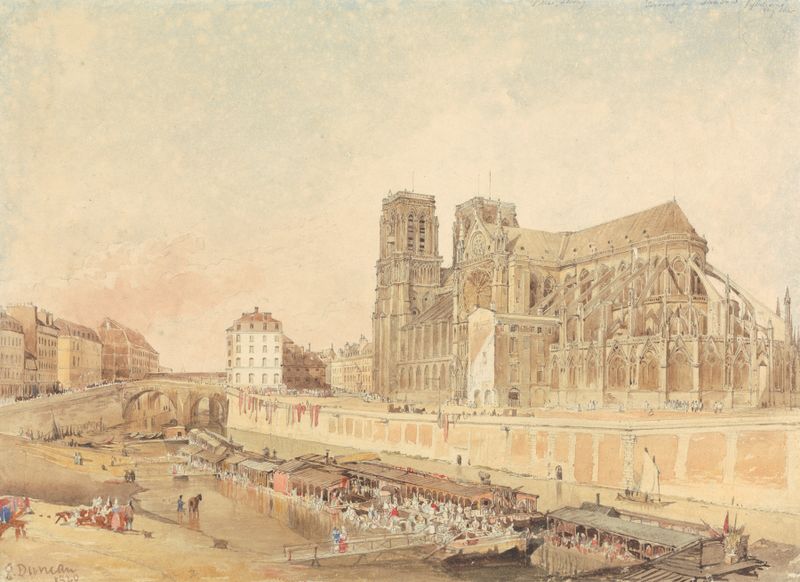
Notre Dame, Paris, from the Left Bank
Edward Duncan
More Architecture Art
Browse all →
The statue of Liberty
Frédéric Auguste Bartholdi

View of Houses in Delft, Known as ‘The Little Street’
Johannes Vermeer

View of Houses in Delft, Known as ‘The Little Street’
Johannes Vermeer

The Cathedral in Rouen. The portal, Grey Weather
Claude Monet

The yellow house
Vincent van Gogh

The Church in Auvers-sur-Oise, View from the Chevet
Vincent van Gogh