
Seascape — History & Facts
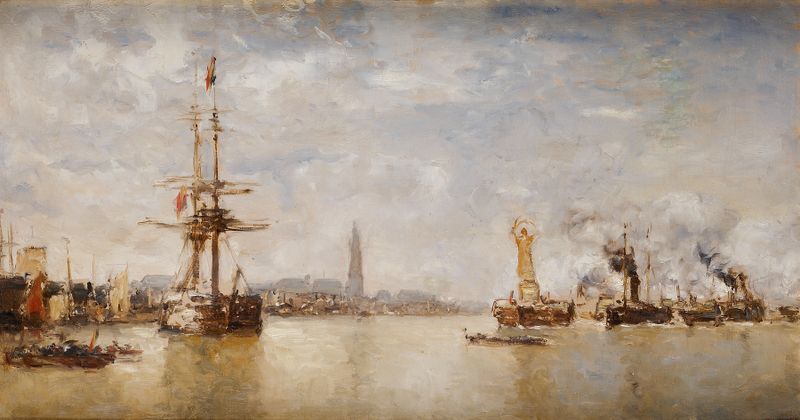
Who listens when art speaks of silence? In Seascape, the essence of betrayal lingers beneath the surface of gentle waves and muted colors. Here, the tranquility of the sea masks a deeper discord, inviting contemplation of what lies unsaid. Focus on the horizon, where soft blues blend seamlessly with muted grays, creating a sense of endlessness. The brushwork is delicate yet assertive, capturing the fluidity of water as it dances across the canvas.
Look closely at the wispy clouds; their ethereal forms evoke a tension, as if they are whispering secrets to the viewer. The interplay of light and shadow suggests a fleeting moment, both serene and foreboding, as it draws you further into the artist’s emotional landscape. Hidden in the calmness is a narrative of conflict. The stark contrast between the tranquil waves and the brooding sky hints at an internal struggle, a clash between hope and despair.
Each brushstroke reflects the artist’s contemplation of nature, yet it also serves as a metaphor for betrayal—the promise of beauty tinged with the potential for disappointment. The piece invites the viewer to ponder unspoken words and unacknowledged feelings, echoing the complexity of human relationships. In 1867, Paul Jean Clays painted this seascape while navigating his place within the French art world, which was undergoing a transformation with the rise of Impressionism. Living in a period where traditional techniques began to falter under the weight of new expressions, Clays sought to capture the fleeting moments of nature with his characteristic style.
This work embodies the tension of an artist straddling the old and the new, embodying both a longing for beauty and a deeper, hidden turmoil.
More Artworks by Paul Jean Clays
Browse all →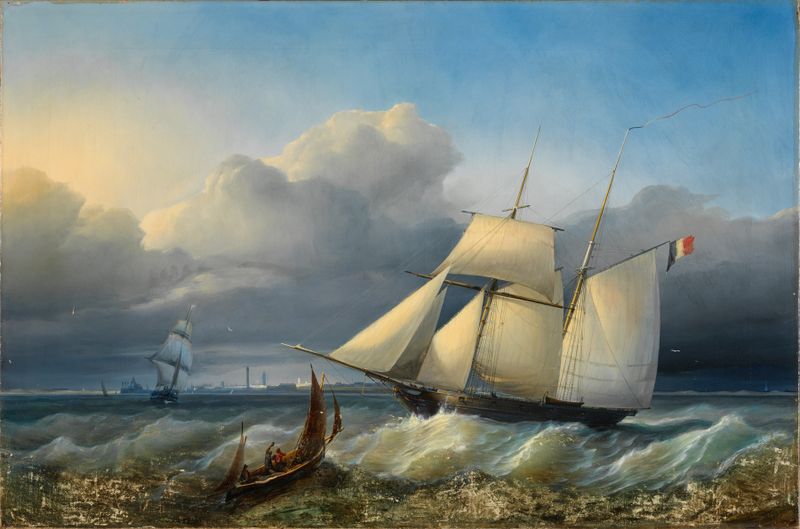
‘Louise Marie’ van de Koninklijke Belgische Marine, zeilend op de rede van Oostende
Paul Jean Clays
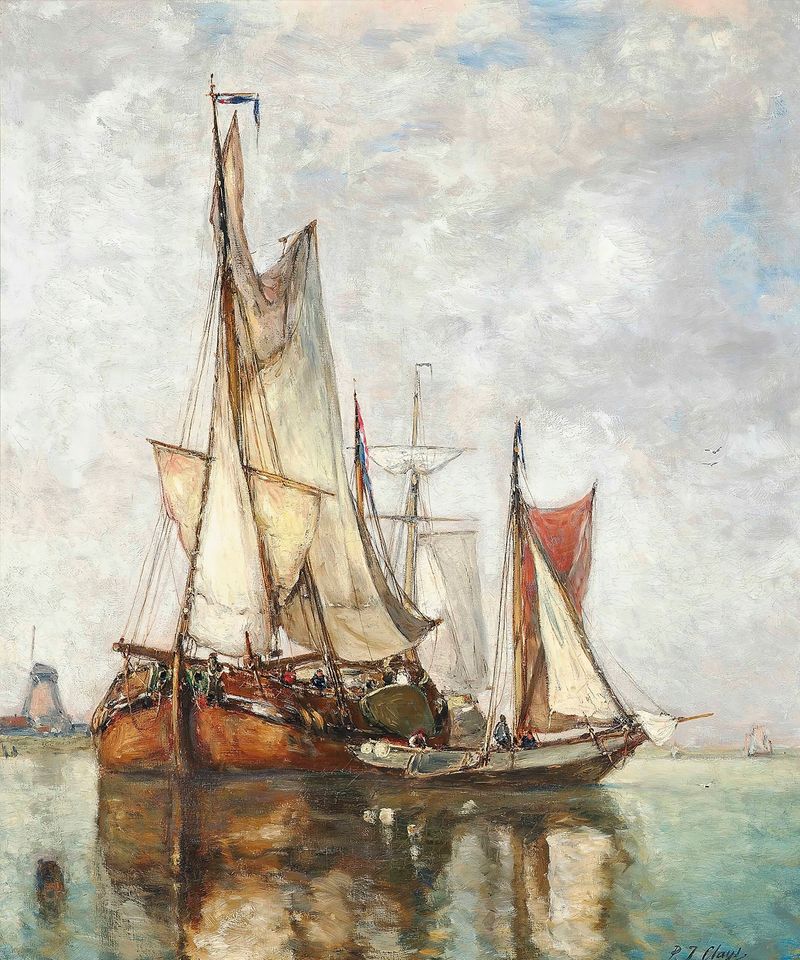
Barges Moored Before A Windmill
Paul Jean Clays
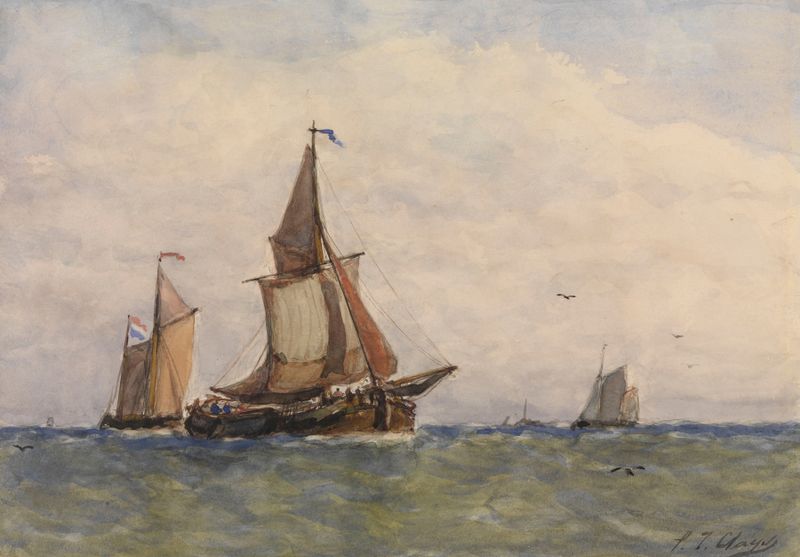
Seascape
Paul Jean Clays
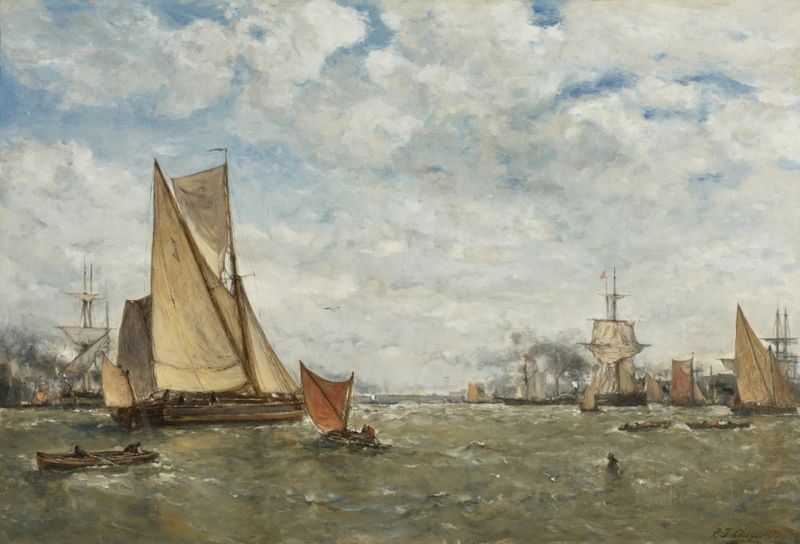
Boats in a Harbor
Paul Jean Clays
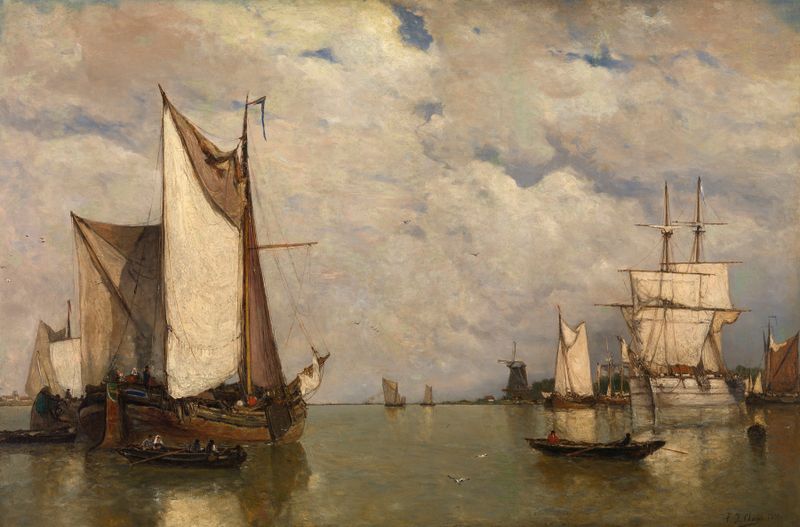
Calm before the Storm at Dordrecht
Paul Jean Clays
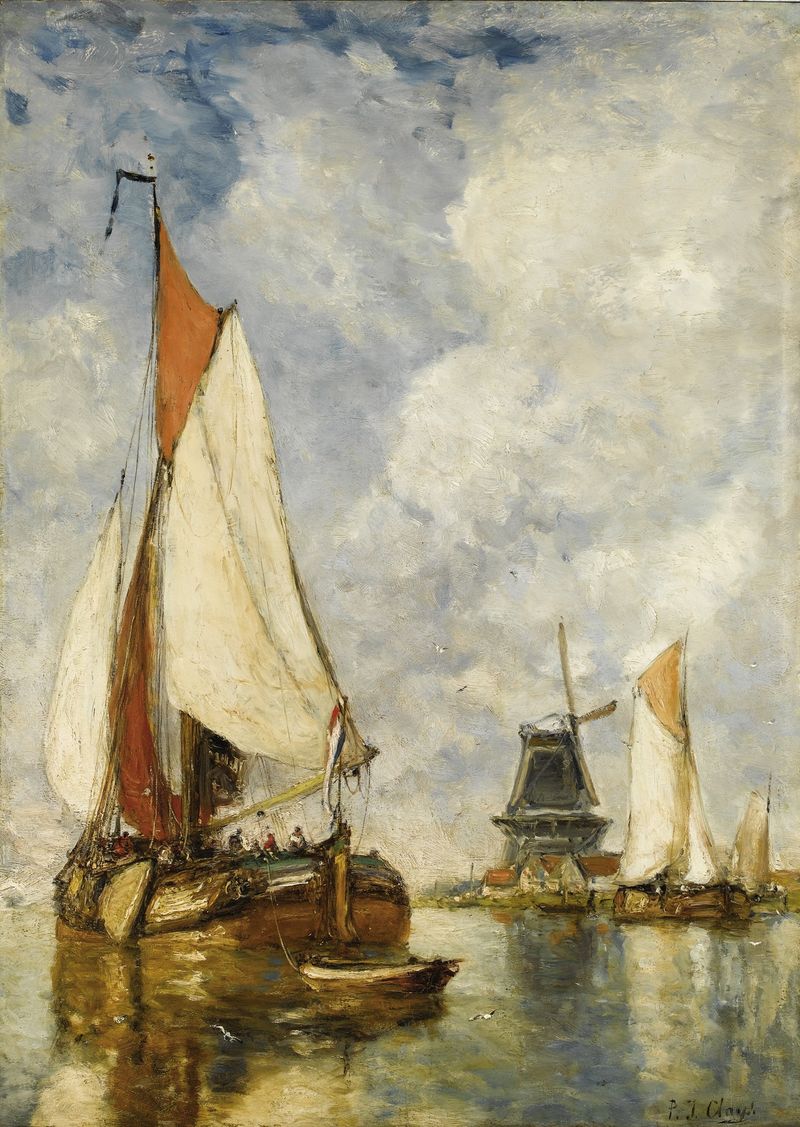
Moored Ships at Harbour
Paul Jean Clays
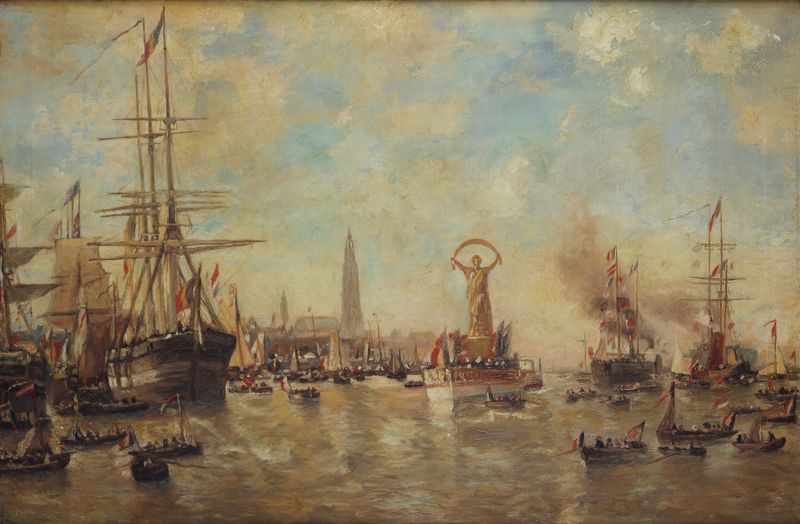
Feestelijkheden ter gelegenheid van de vrijmaking van de Schelde
Paul Jean Clays
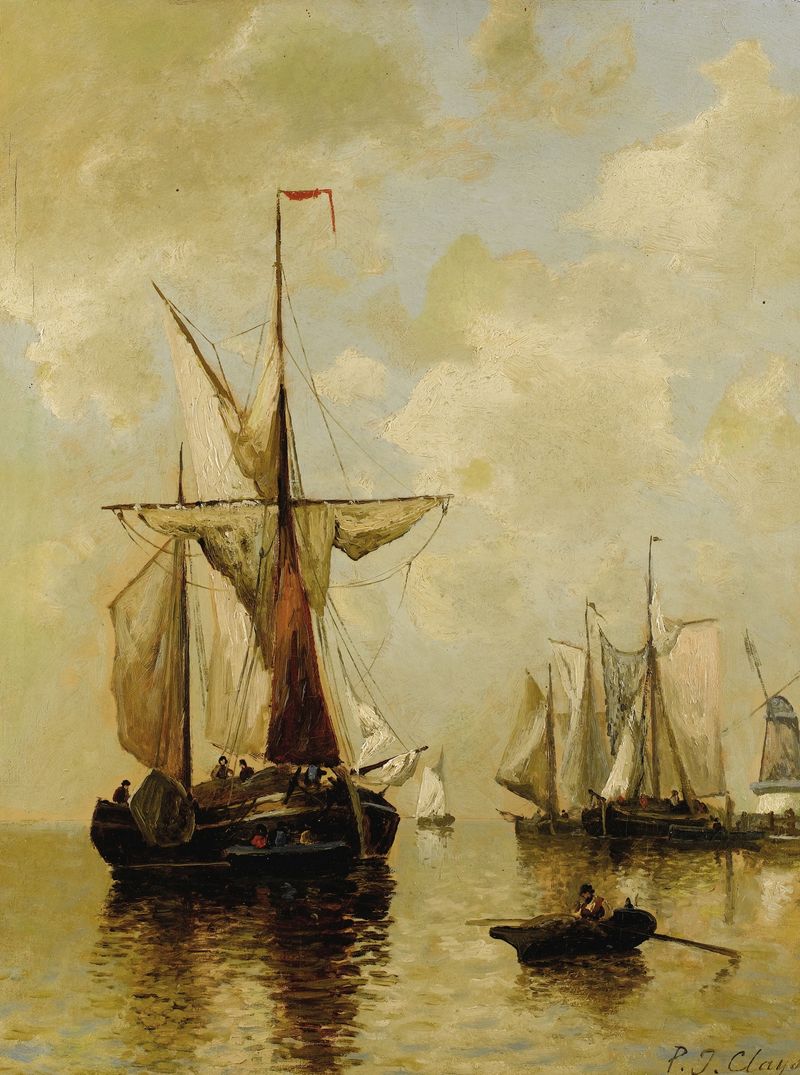
Fishing Boats in the Harbor
Paul Jean Clays
Feestelijkheden op de Schelde naar aanleiding van de afkoping van de Scheldetol (studie)
Paul Jean Clays





