
Feestelijkheden ter gelegenheid van de vrijmaking van de Schelde — History & Facts
It is in the flicker of movement within Feestelijkheden ter gelegenheid van de vrijmaking van de Schelde that we find both the joy of celebration and the weight of history, intricately entwined. The canvas breathes with life, pulsating with a sense of urgency that compels us to examine the dance of figures amidst the backdrop of a momentous occasion. Look to the center of the piece, where vibrant hues collide, capturing the essence of jubilant festivity. Notice the sharp contrasts—the cool blues of the water against the warm, golden lights illuminating the crowd.
Each brushstroke is deliberate, inviting your gaze across the canvas as if you were swept up in the very celebrations it depicts. The artist's use of light plays a crucial role, casting an ethereal glow that seems to animate the subjects, echoing the exhilaration of liberation. Yet, beneath the surface of gaiety lies a deeper narrative. The gathering is not merely a celebration; it is a reflection of a profound victory and the struggle for freedom.
The animated figures, while joyous, also embody a historical tension—their exuberance tinged with the remnants of past trials. Each character, lost in their own moment, juxtaposes the collective celebration with individual stories of hardship and resilience, reminding us that liberation often comes at a cost. In 1863, Paul Jean Clays painted this work during a time of socio-political change in Europe, particularly reflecting on the liberation of the Scheldt River. Living in Belgium, he was both influenced by and contributing to the rich tapestry of Romanticism and Realism.
The painting stands as a testament to the era's artistic movements, capturing not only the spirit of its time but also the artist's keen insight into the complexities of human emotion within collective experiences.
More Artworks by Paul Jean Clays
Browse all →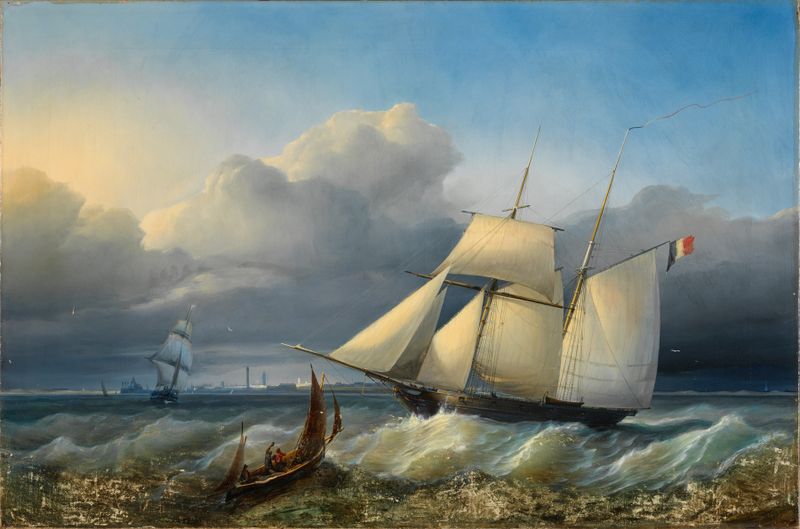
‘Louise Marie’ van de Koninklijke Belgische Marine, zeilend op de rede van Oostende
Paul Jean Clays
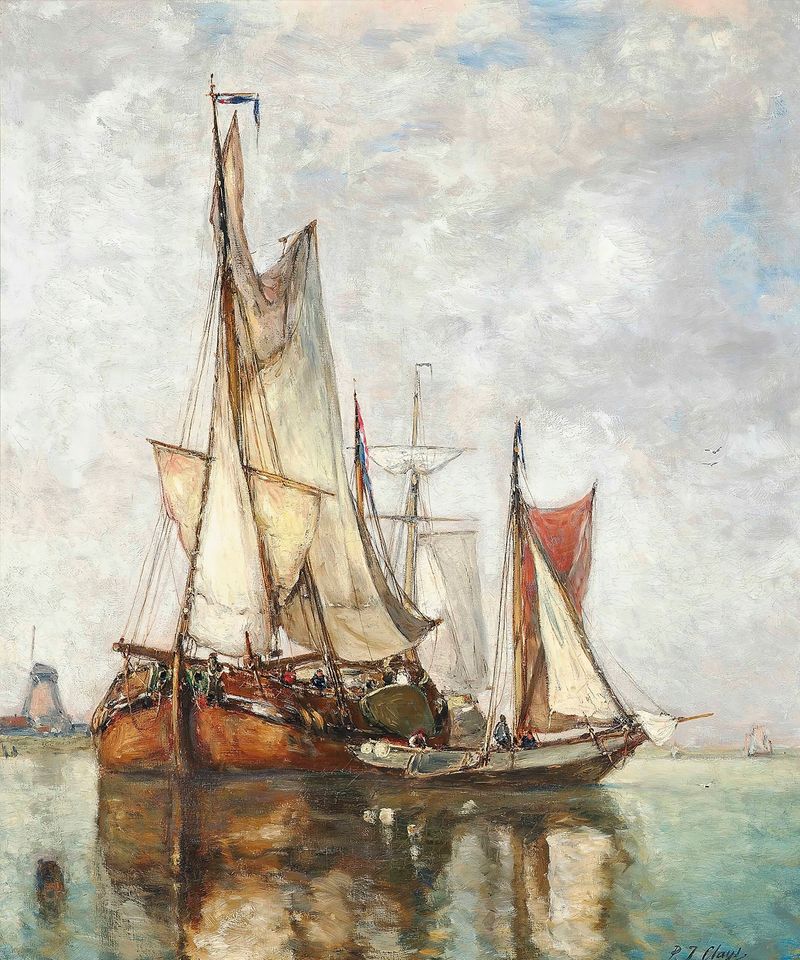
Barges Moored Before A Windmill
Paul Jean Clays
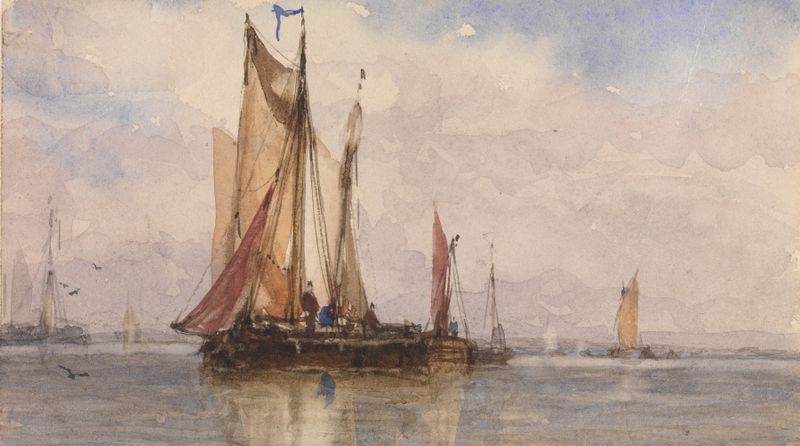
Seascape
Paul Jean Clays
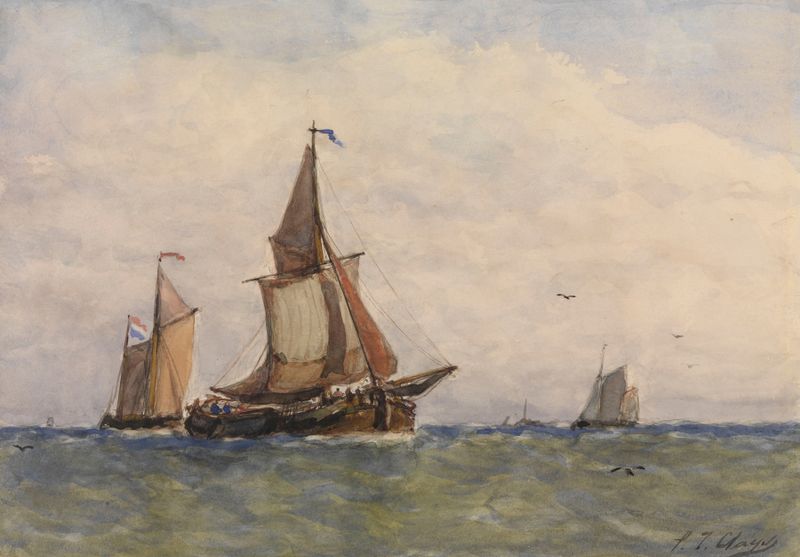
Seascape
Paul Jean Clays
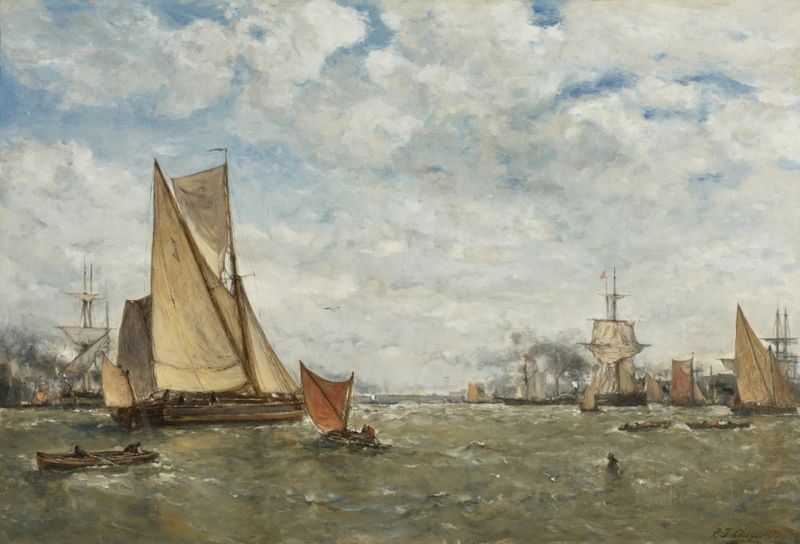
Boats in a Harbor
Paul Jean Clays
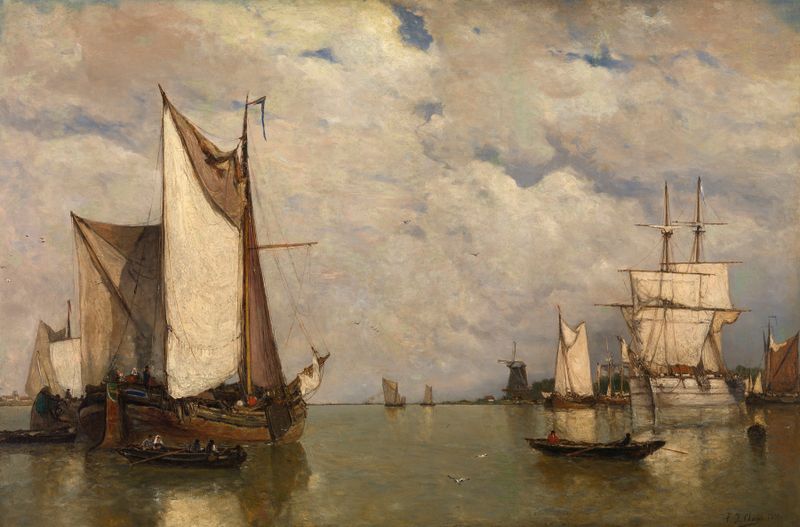
Calm before the Storm at Dordrecht
Paul Jean Clays
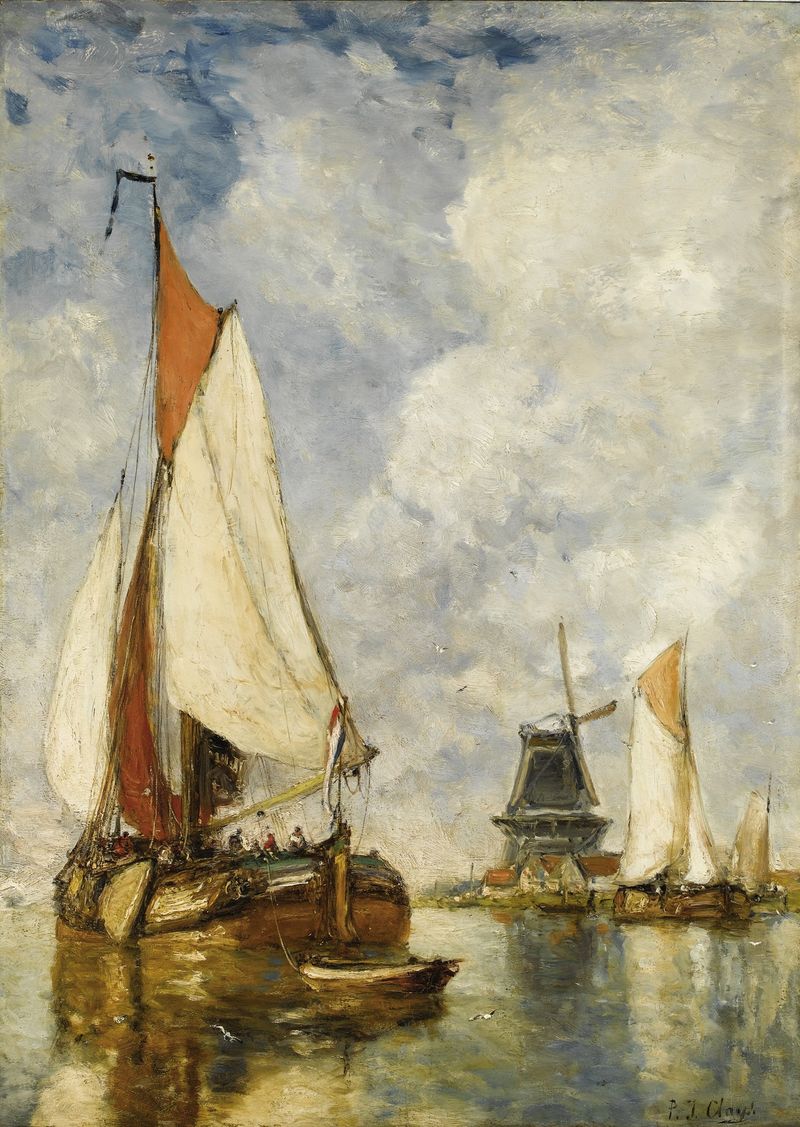
Moored Ships at Harbour
Paul Jean Clays
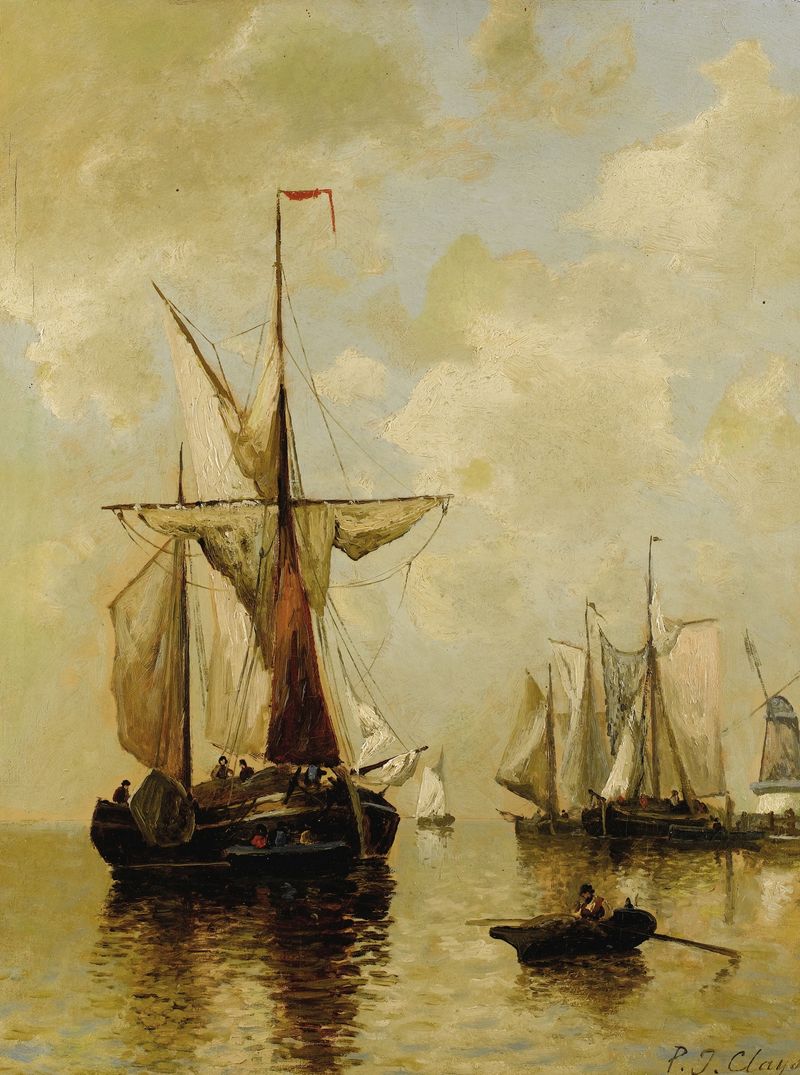
Fishing Boats in the Harbor
Paul Jean Clays
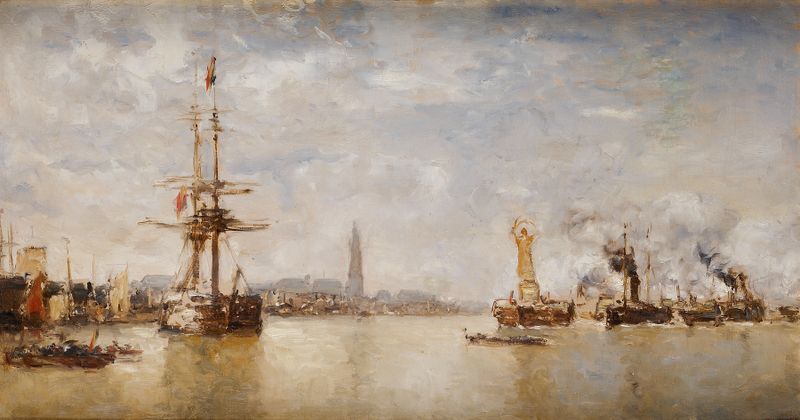
Feestelijkheden op de Schelde naar aanleiding van de afkoping van de Scheldetol (studie)
Paul Jean Clays
More Historical Art
Browse all →
The Night Watch Militia Company of District II under the Command of Captain Frans Banninck Cocq
Rembrandt van Rijn

Lincoln Memorial
Henry Bacon

The Third of May 1808
Francisco de Goya

Isaac and Rebecca, Known as ‘The Jewish Bride’
Rembrandt van Rijn

The Charge of the Mamelukes (1814)
Francisco de Goya

De vier ruiters van de apocalyps
Albrecht Dürer