
Seascape — History & Facts
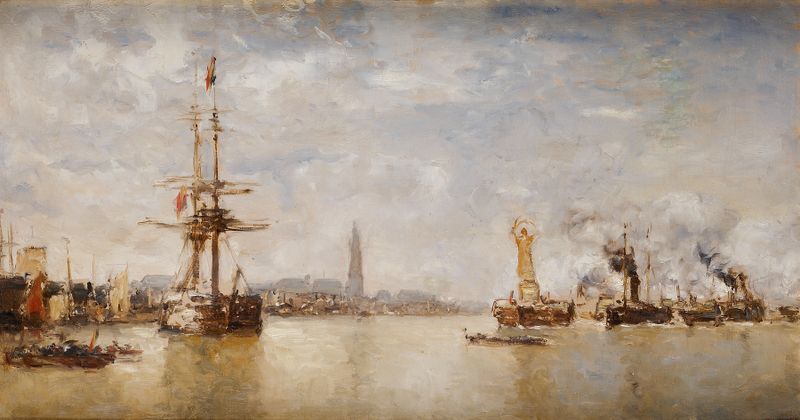
Can paint confess what words never could? In the depths of a canvas, beauty unfolds as waves collide, whispering secrets of the sea. Focus on the distant horizon where the sky bleeds into the water, a blend of cerulean and indigo. The brushstrokes capture the movement of the waves, each one a testament to the artist's skillful hand. Notice how the light dances across the surface, creating a shimmering effect that draws the eye toward the sun's reflection, as if inviting the viewer to step into this tranquil moment.
The composition breathes with an open expanse, evoking the boundless nature of the sea. Hidden within the undulating lines of blue and white lies a tension between calmness and chaos. The gentle swell of the waves suggests both beauty and peril, a reminder of nature's duality. A solitary boat, almost lost in the vastness, hints at human vulnerability amidst the grandeur of the ocean.
These subtle details weave a narrative that speaks to our relationship with the natural world, raising questions about our place within it. In 1870, the artist created this piece in the context of a burgeoning appreciation for landscape painting in France. Clays, influenced by the Romantic movement and the rise of plein air painting, sought to capture the emotional essence of nature. During this period, artists were exploring new techniques that emphasized light and atmosphere, marking a significant evolution in the art world that would have a lasting impact.
More Artworks by Paul Jean Clays
Browse all →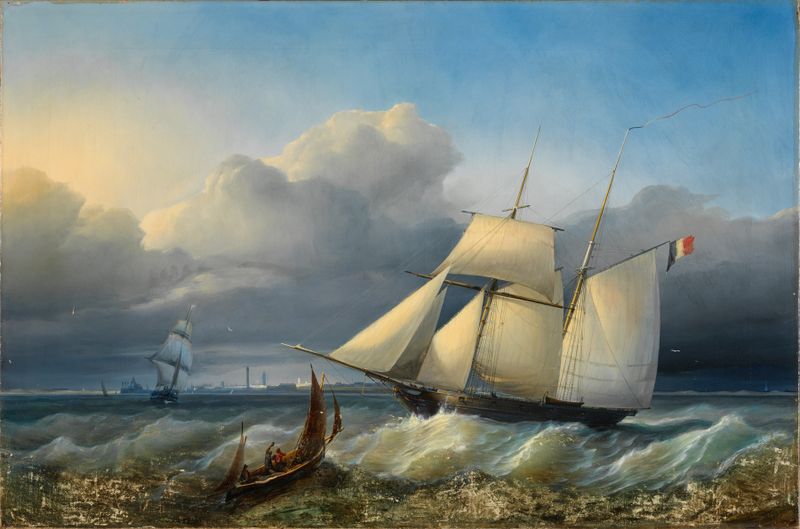
‘Louise Marie’ van de Koninklijke Belgische Marine, zeilend op de rede van Oostende
Paul Jean Clays
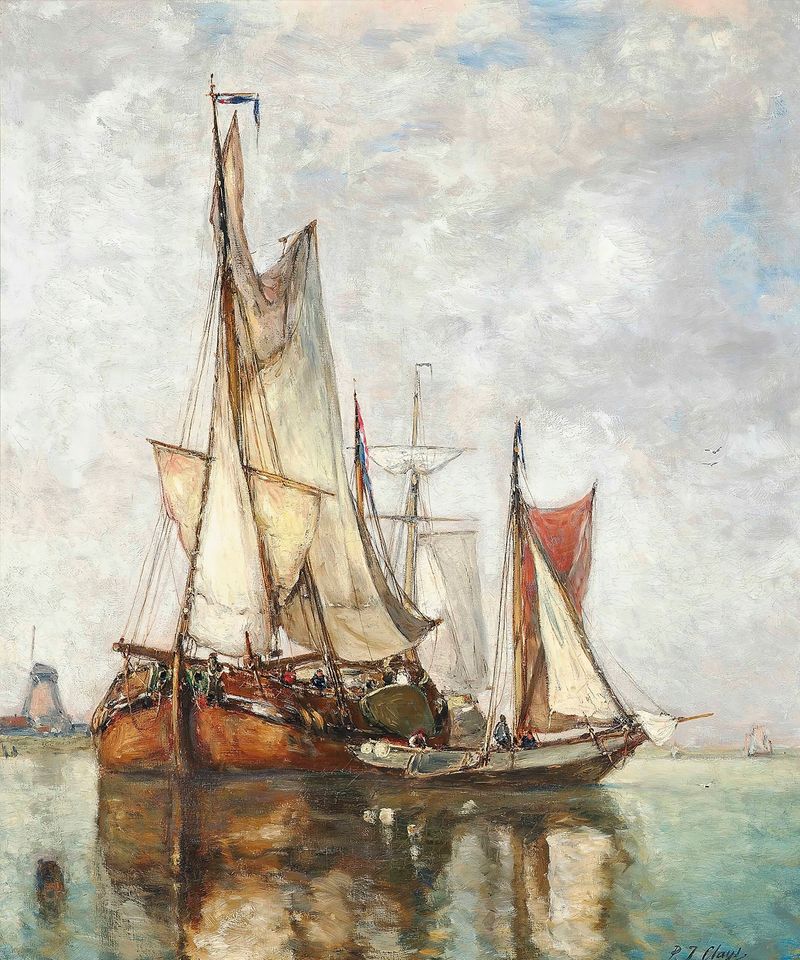
Barges Moored Before A Windmill
Paul Jean Clays
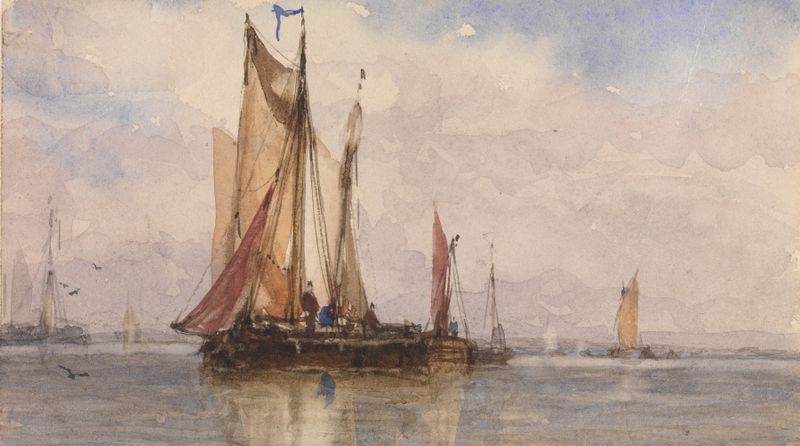
Seascape
Paul Jean Clays
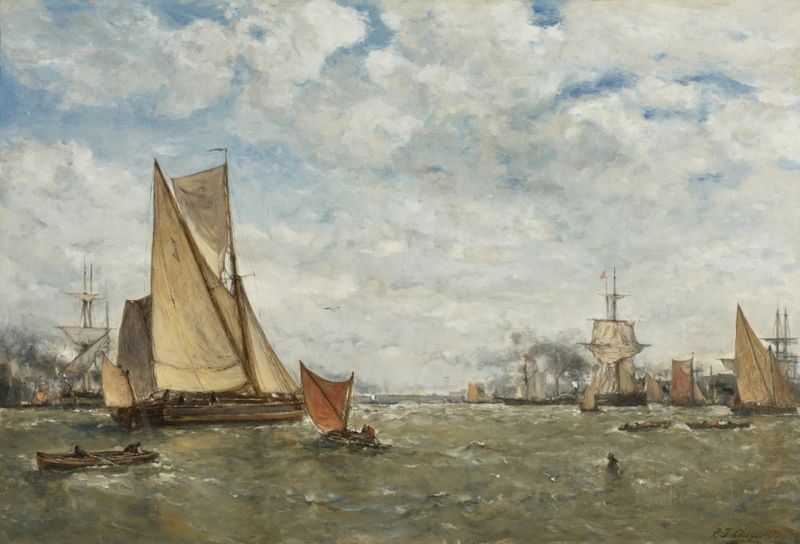
Boats in a Harbor
Paul Jean Clays
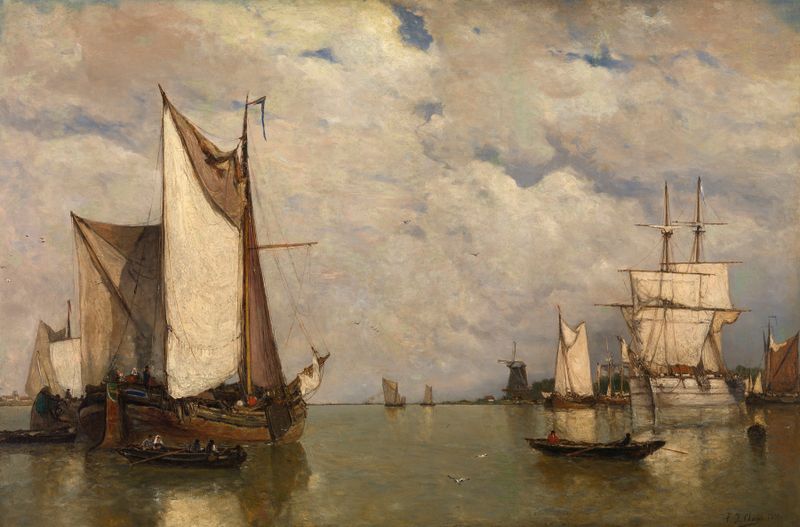
Calm before the Storm at Dordrecht
Paul Jean Clays
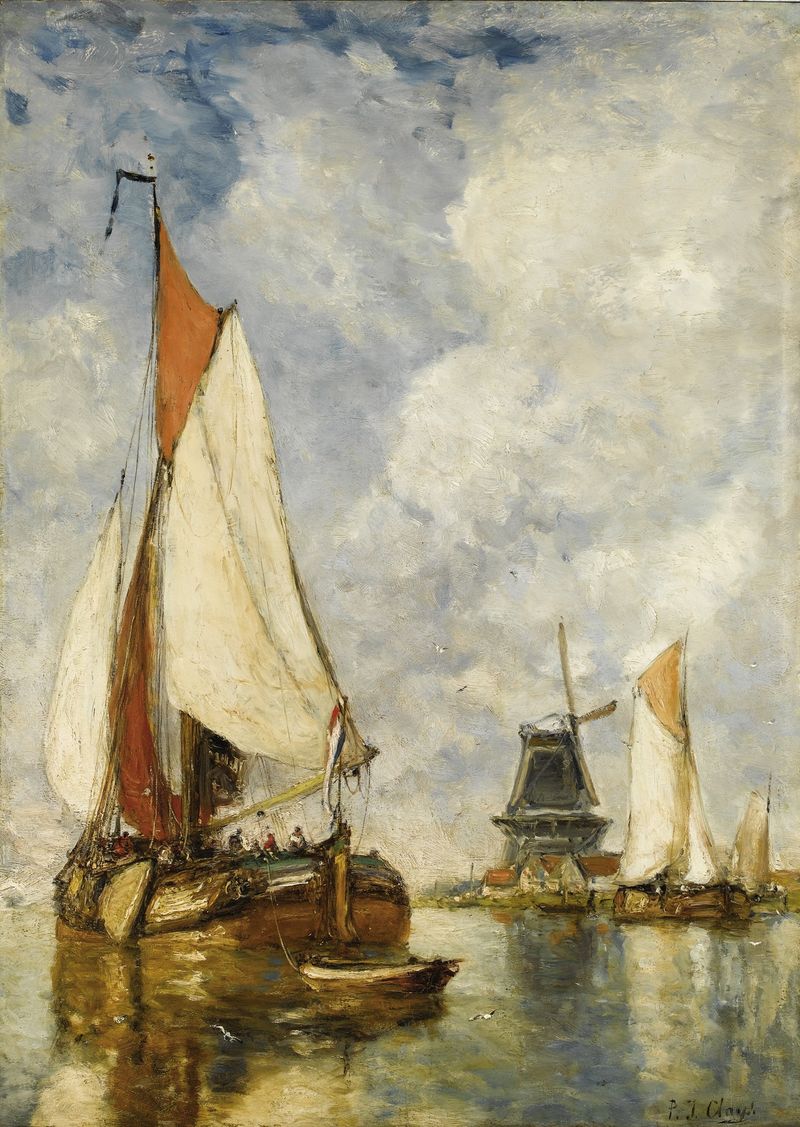
Moored Ships at Harbour
Paul Jean Clays
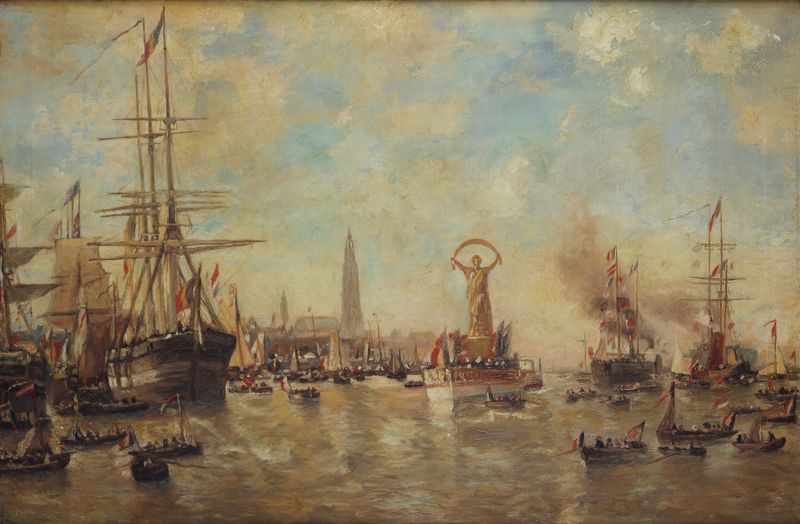
Feestelijkheden ter gelegenheid van de vrijmaking van de Schelde
Paul Jean Clays
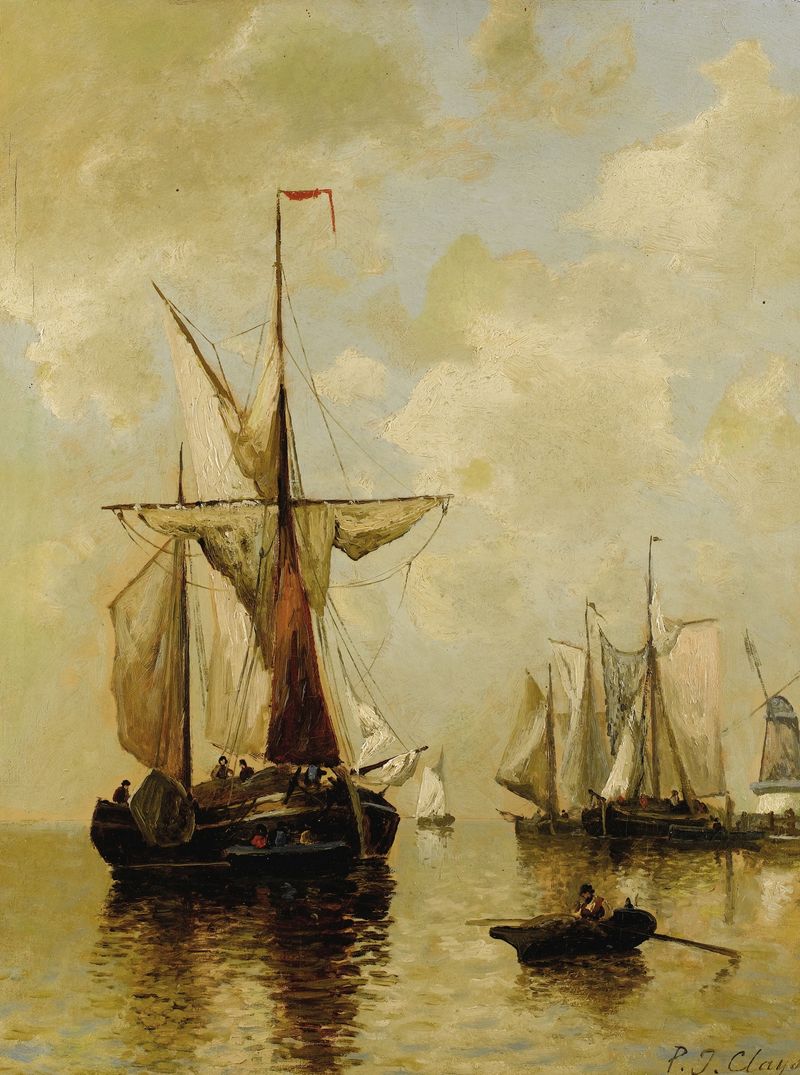
Fishing Boats in the Harbor
Paul Jean Clays
Feestelijkheden op de Schelde naar aanleiding van de afkoping van de Scheldetol (studie)
Paul Jean Clays





