Discover insights about this artwork
Seated Peasant — History & Facts
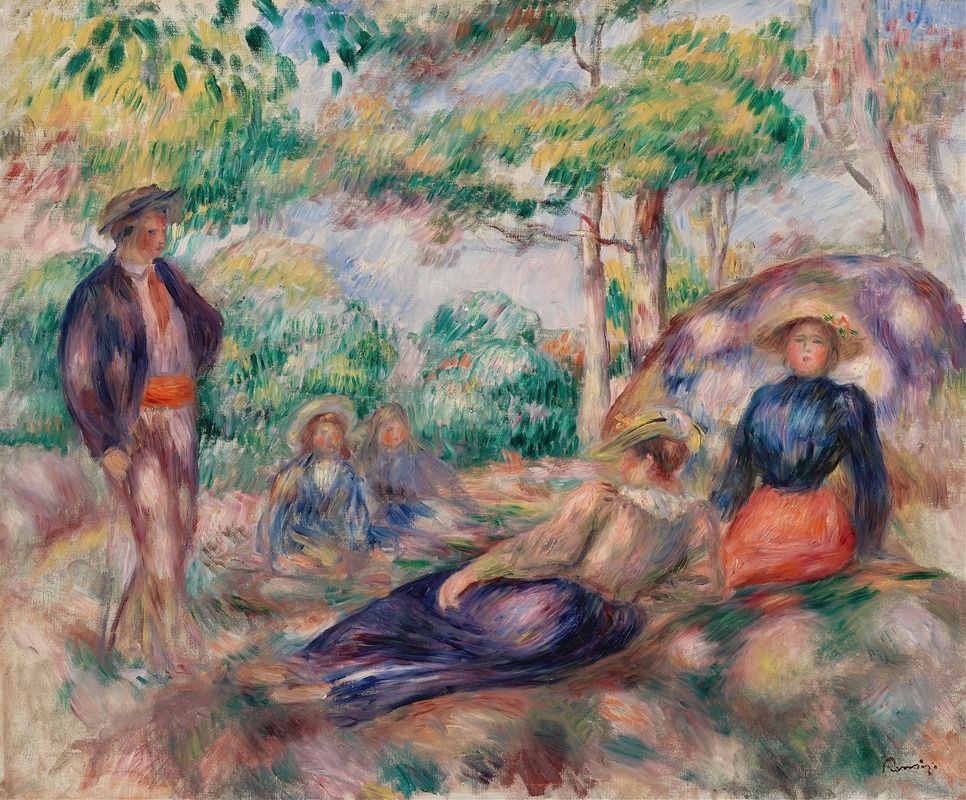
In Seated Peasant, Paul Cézanne presents a rural figure in a simple, yet intimate setting. The peasant is depicted seated, with a calm expression, surrounded by earthy tones that reflect the natural environment. The color palette consists of muted greens, browns, and ochres, creating a harmonious atmosphere.
Cézanne’s brushwork is visible, with short, deliberate strokes that add texture to the figure and background. The painting is executed in oil on canvas, a medium that allows for rich color application and layering. Cézanne’s technique involves building up color through small, distinct brushstrokes, which gives the work a sense of depth and dimension. The approximate dimensions of the painting are 65 x 81 cm, making it a moderate-sized piece that invites close viewing.
The composition is balanced, with the figure centrally placed, drawing the viewer's attention. Paul Cézanne, a key figure in the transition from Impressionism to Post-Impressionism, often focused on the lives of ordinary people. Seated Peasant reflects his interest in rural life and the human condition. An interesting fact about this work is that it exemplifies Cézanne's innovative approach to form and color, which would later influence many modern artists.
This painting is currently housed in the Musee d'Orsay, a museum renowned for its extensive collection of Impressionist and Post-Impressionist masterpieces.
More Artworks by Paul Cézanne
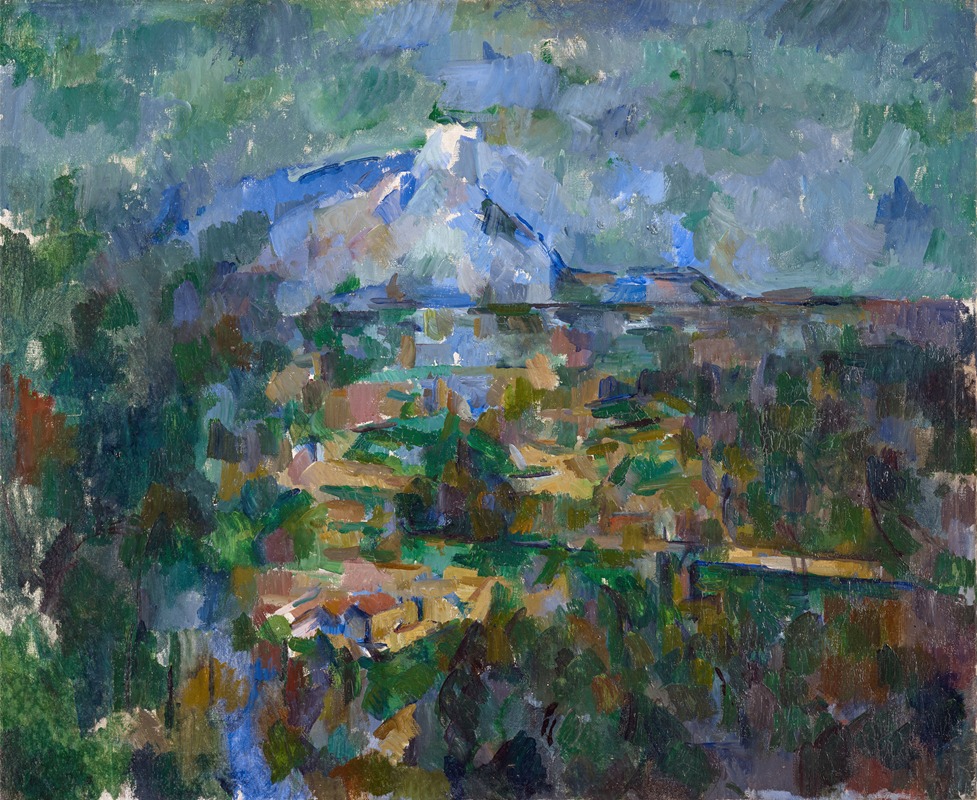
The Mont Sainte-Victoire Seen From Les Lauves
Paul Cézanne
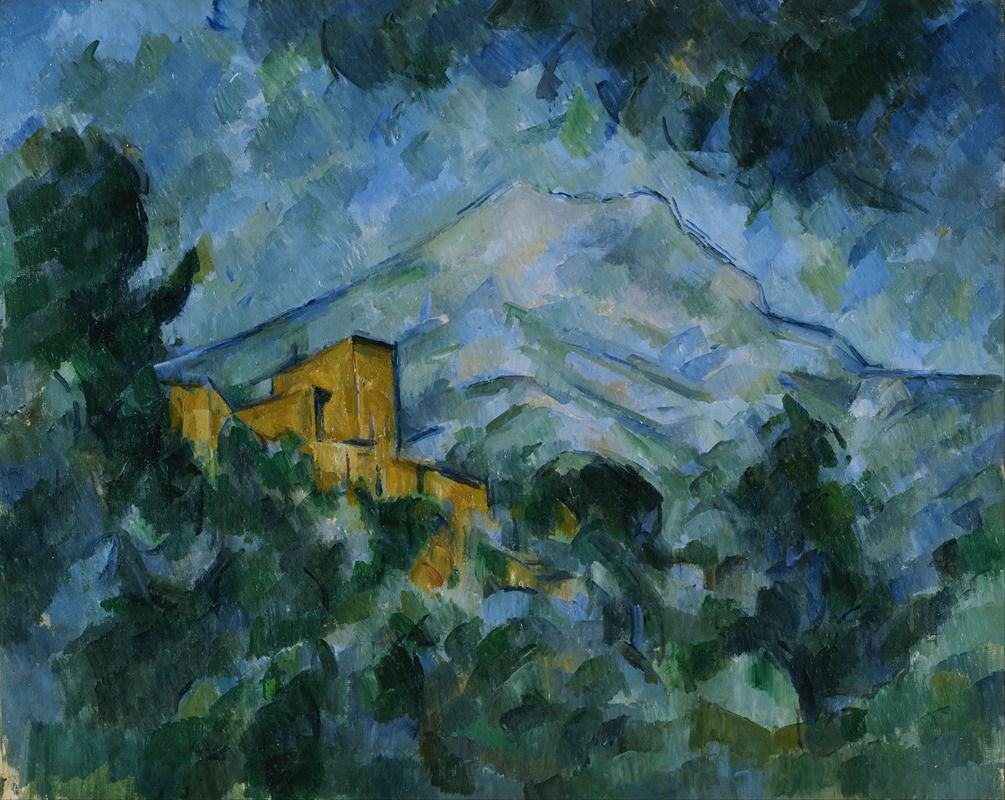
Mont Sainte-Victoire and Château Noir
Paul Cézanne
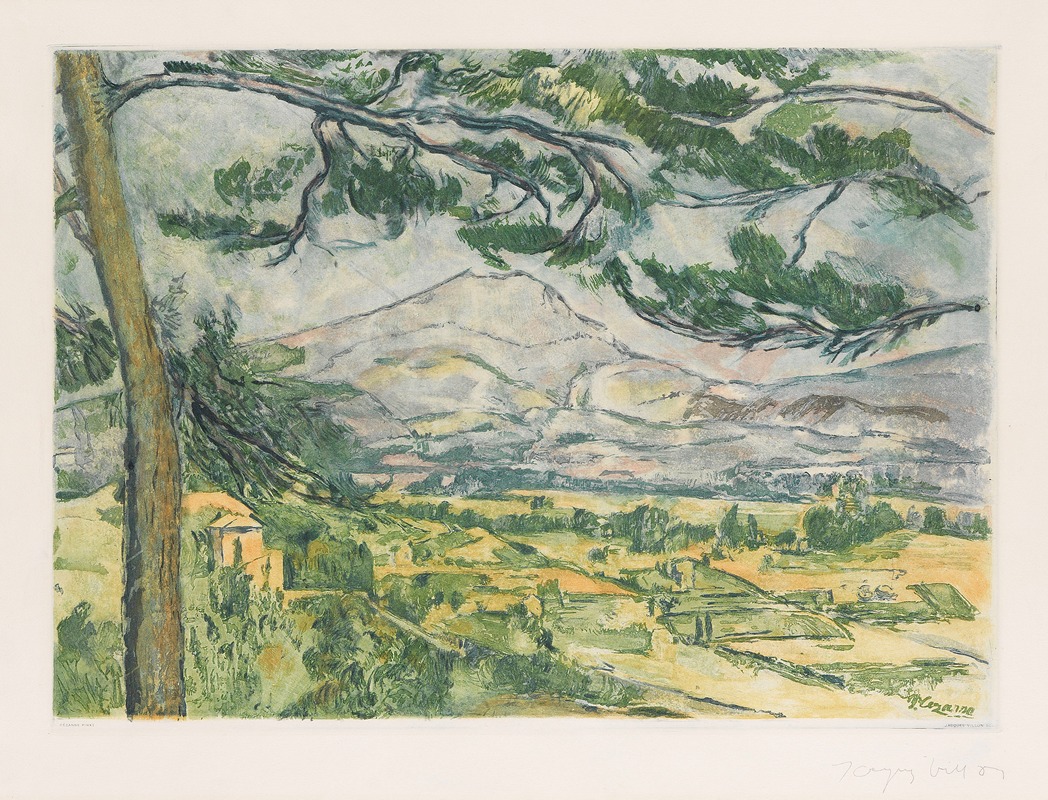
La Montagne Sainte-Victoire
Paul Cézanne
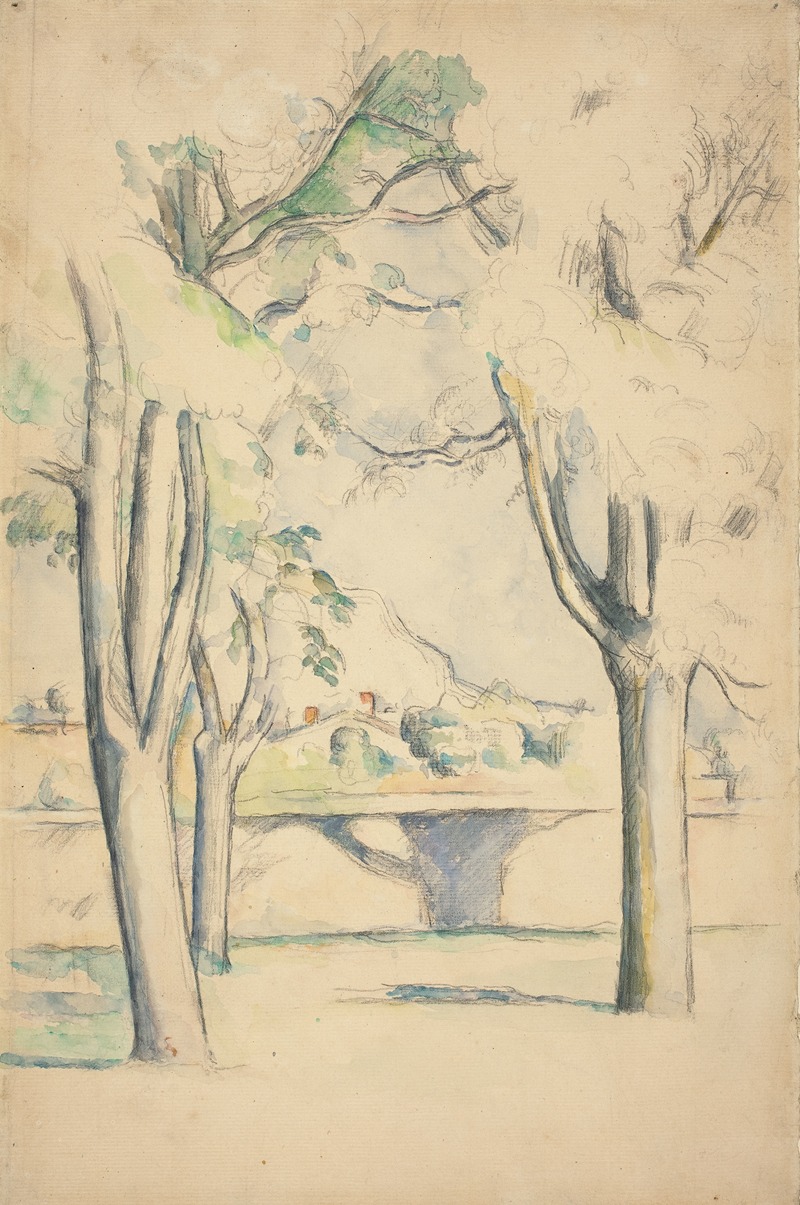
Mont Sainte-Victoire Seen beyond the Wall of the Jas de Bouffan
Paul Cézanne
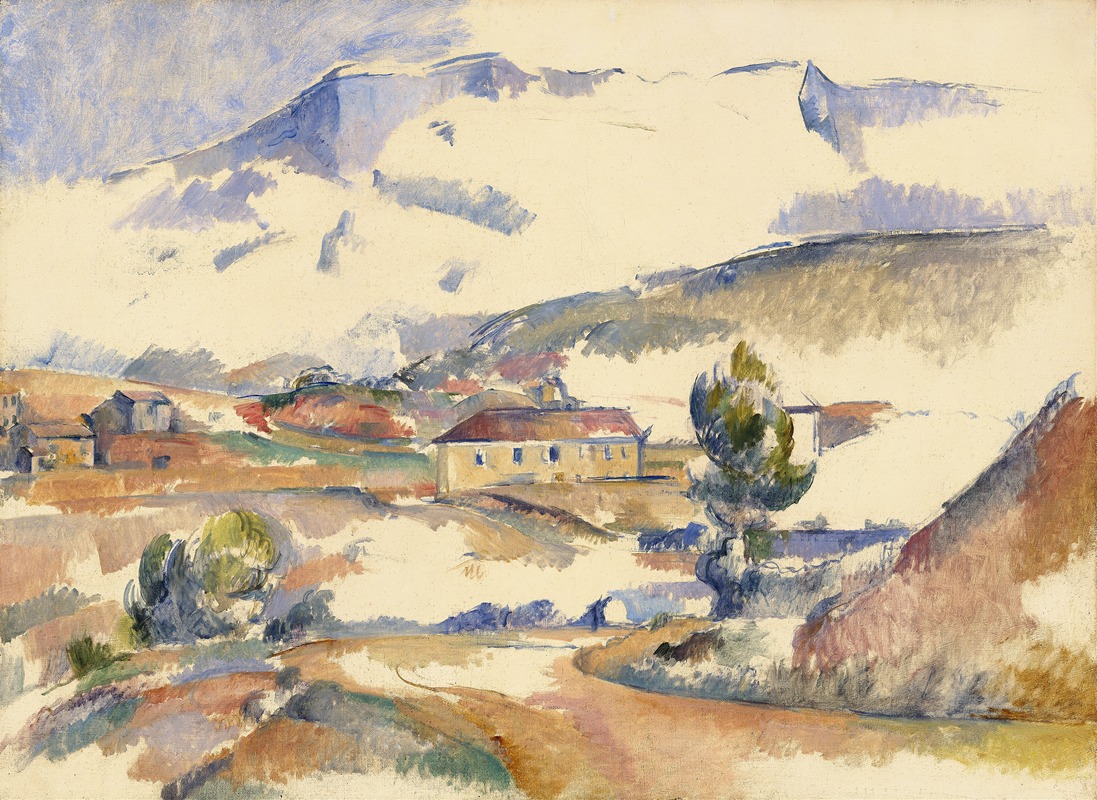
Montagne Sainte-Victoire,from near Gardanne
Paul Cézanne
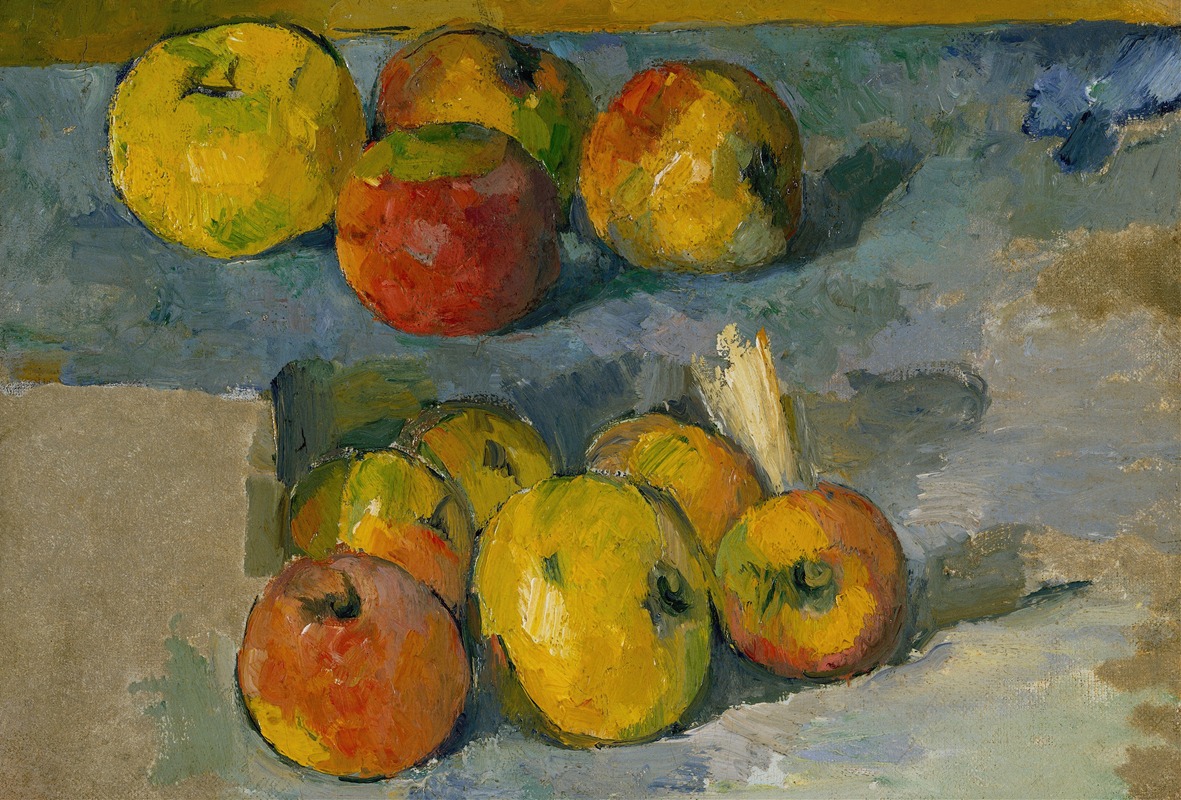
Apples
Paul Cézanne
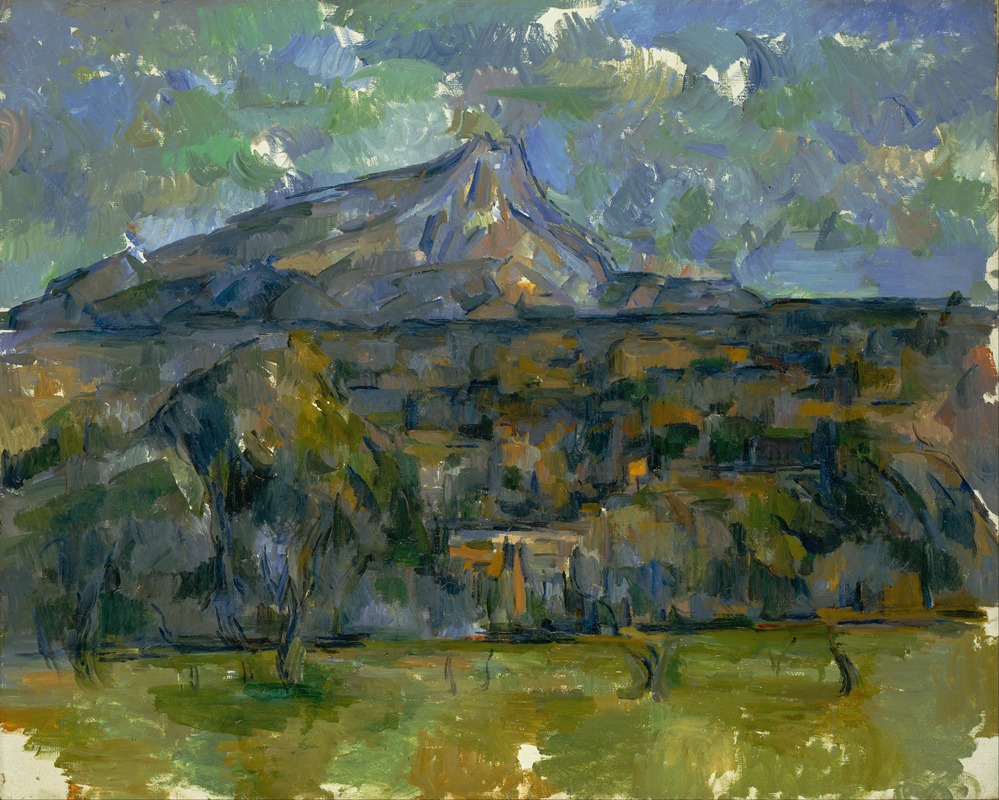
Mont Sainte-Victoire
Paul Cézanne
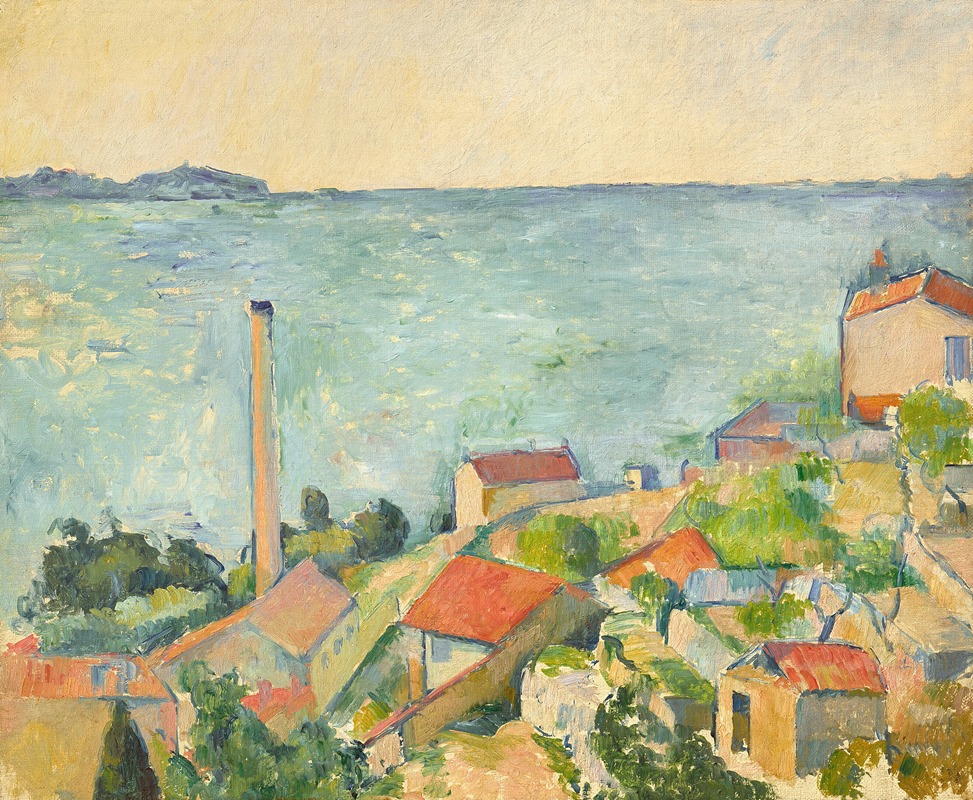
La mer à l’Estaque
Paul Cézanne
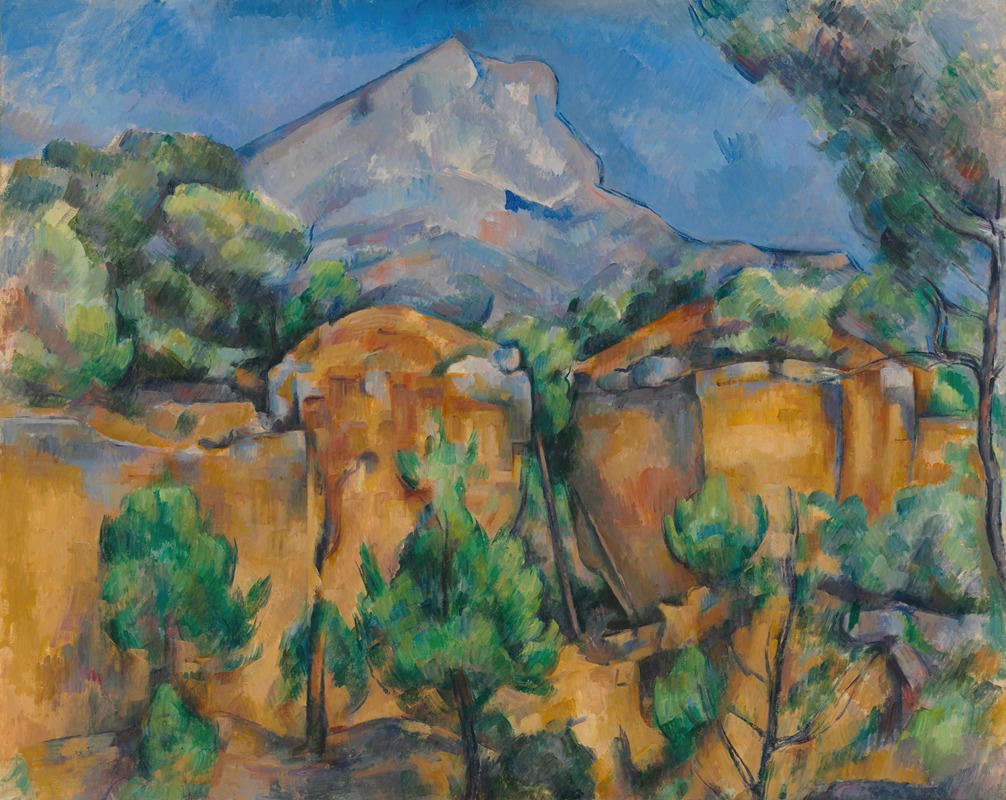
La Montagne Sainte-Victoire vue de la carrière Bibémus
Paul Cézanne
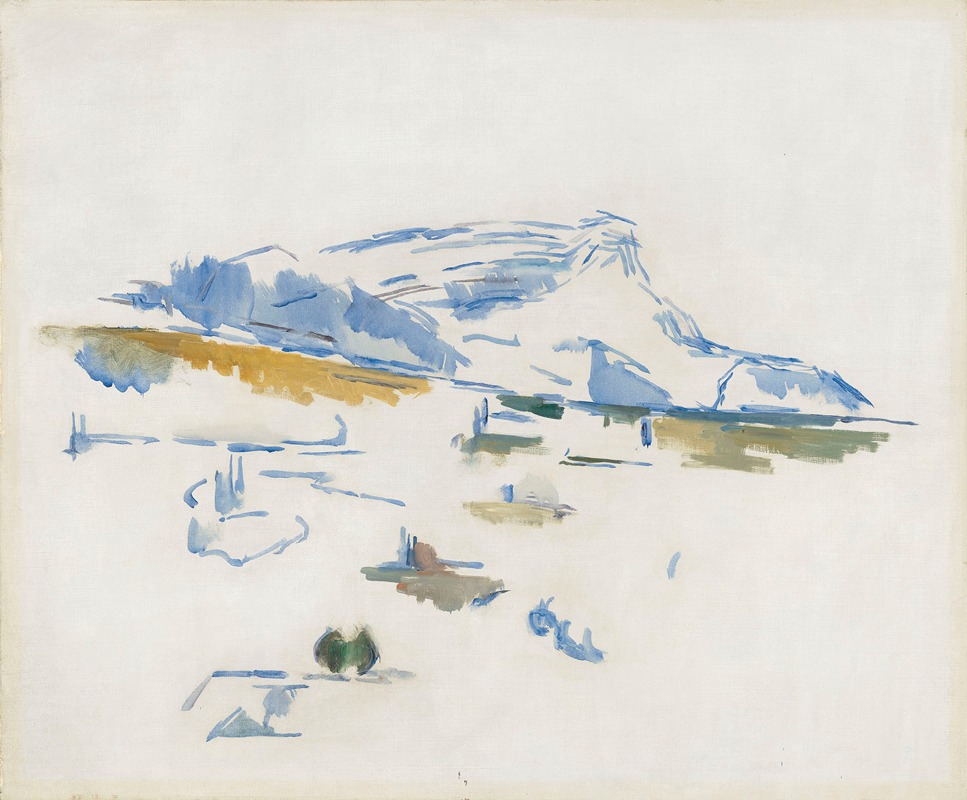
La Montagne Sainte-Victoire vue des Lauves
Paul Cézanne