
Segelkutter an der Kaimauer — History & Facts
The void of the ocean can be both terrifying and captivating, a reminder of nature's sublime power and the delicate balance of existence. Focus first on the bold strokes of blue and green forming the water, capturing its undulating movement as boats bob gently at the harbor's edge. Notice how the light dances on the surface, glistening with patches of white that suggest the playful touch of wind and wave. The warmth of the sun bathes the scene, contrasting with the cooler tones of the vessels, grounding the viewer with a sense of place and time. In the interplay of color and form, one sees a tension between tranquility and restlessness.
The boats appear tethered yet restless, poised on the cusp of departure, evoking the fleeting nature of moments that bridge adventure and safety. The void surrounding these vessels speaks to a larger existential theme—an invitation to explore the unknown while remaining anchored in familiar harbors. Created between 1920 and 1925, this work emerged during a period when the artist was deeply engaged with the Fauvist movement, which championed bold color and expressive brushwork. Friesz was in Paris, navigating a vibrant art scene marked by experimentation and a desire for new forms of expression in a post-war world.
This piece reflects his evolving style and the cultural shifts of his time, where the void of uncertainty was both a backdrop and a catalyst for artistic exploration.
More Artworks by Emile Othon Friesz
Browse all →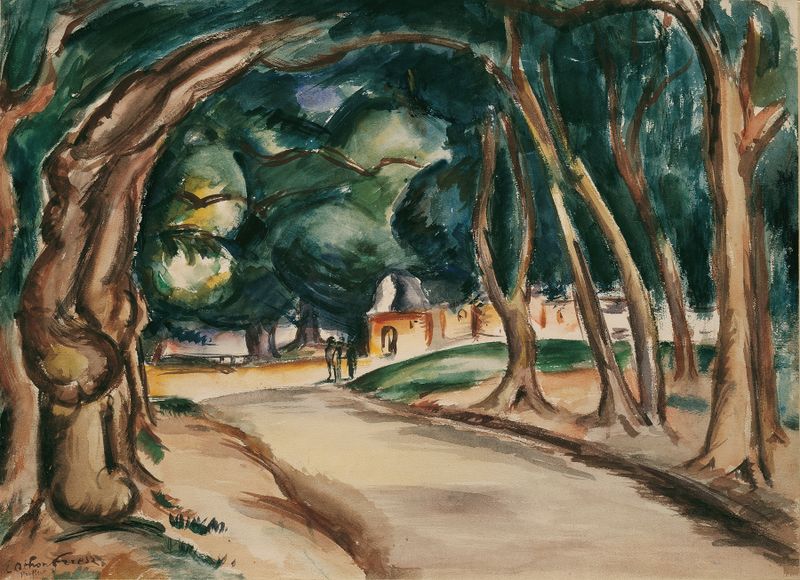
Allee
Emile Othon Friesz
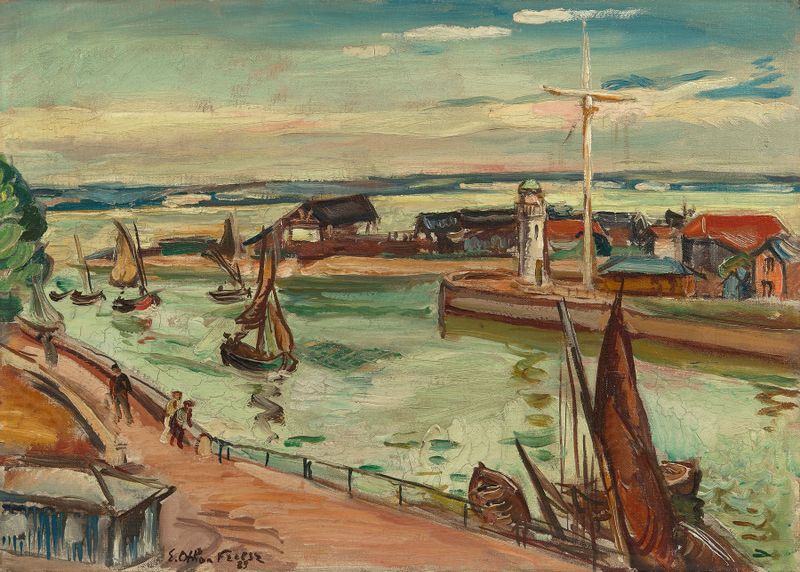
Sortie de port à Honfleur
Emile Othon Friesz
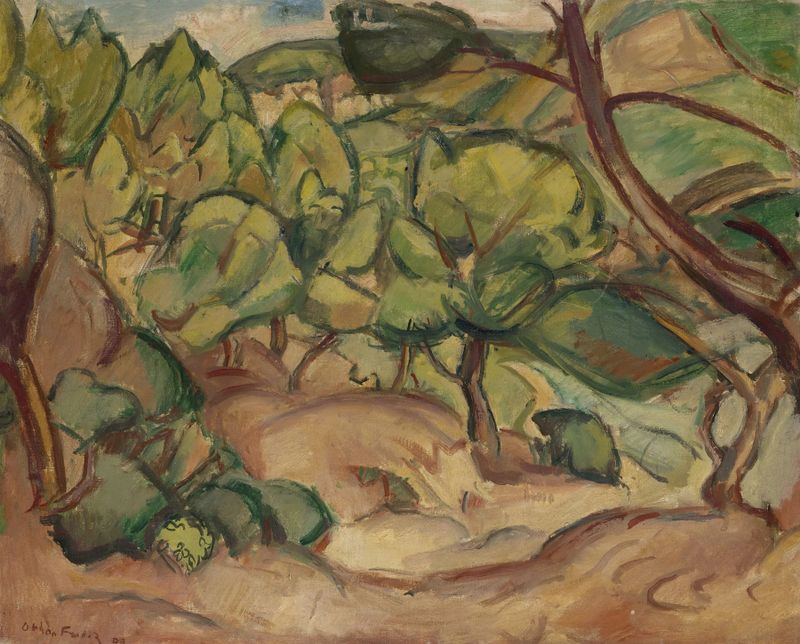
Dans les pins
Emile Othon Friesz
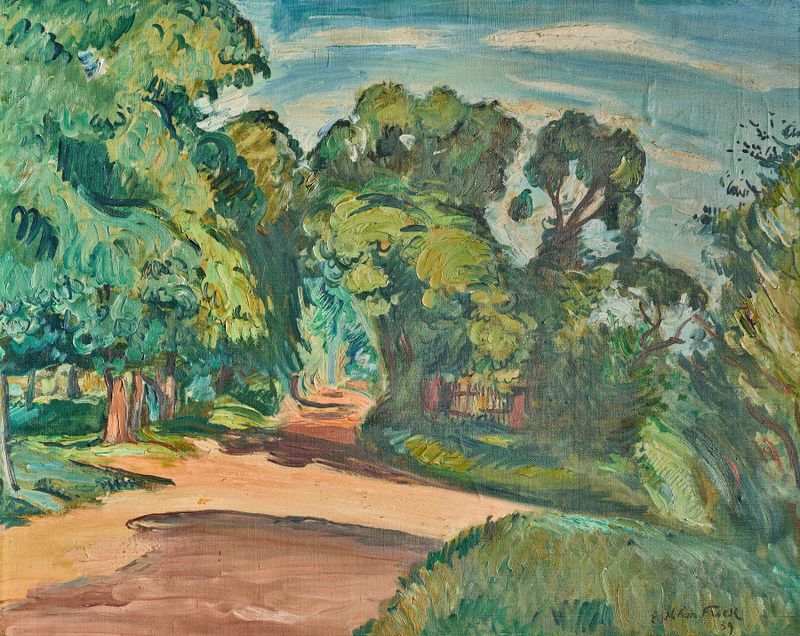
La croisée des chemins
Emile Othon Friesz
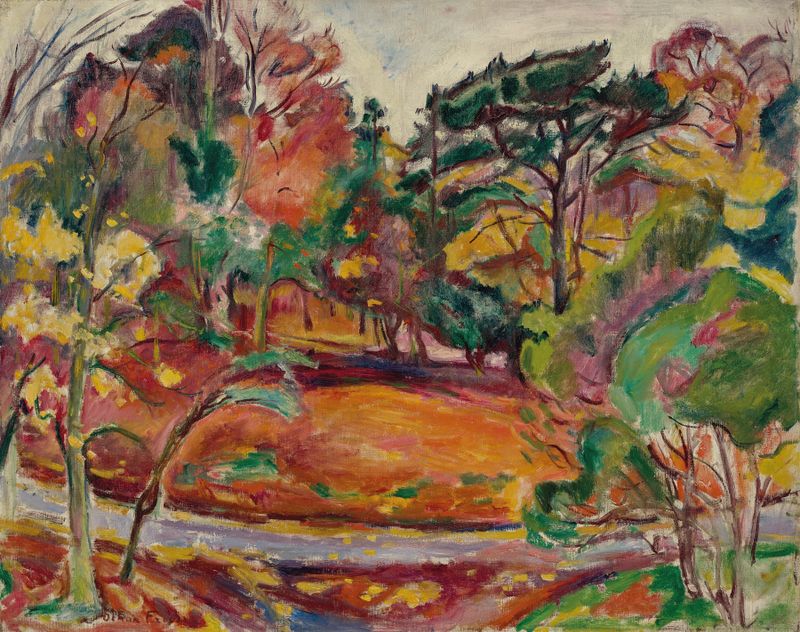
Automne à Honfleur, la Côte de Grâce
Emile Othon Friesz
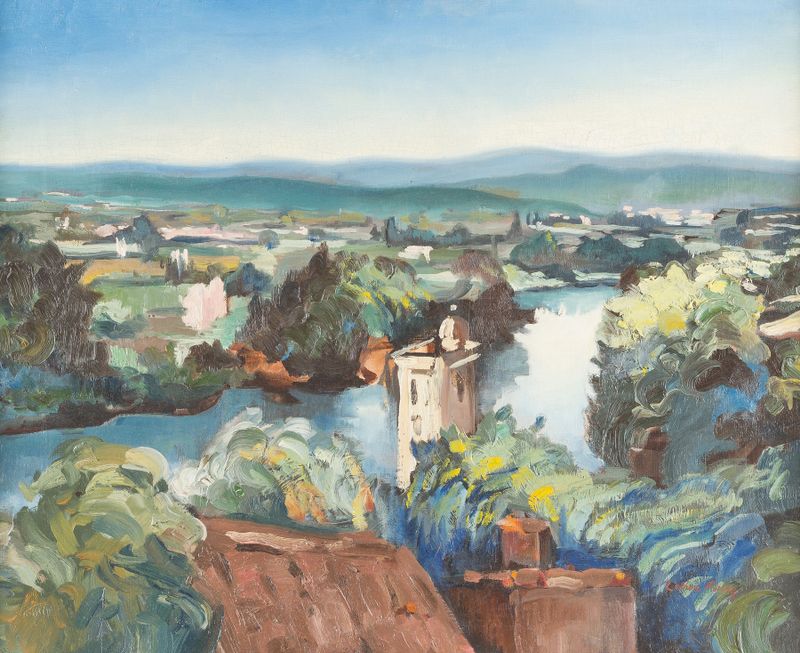
View to the horizon
Emile Othon Friesz
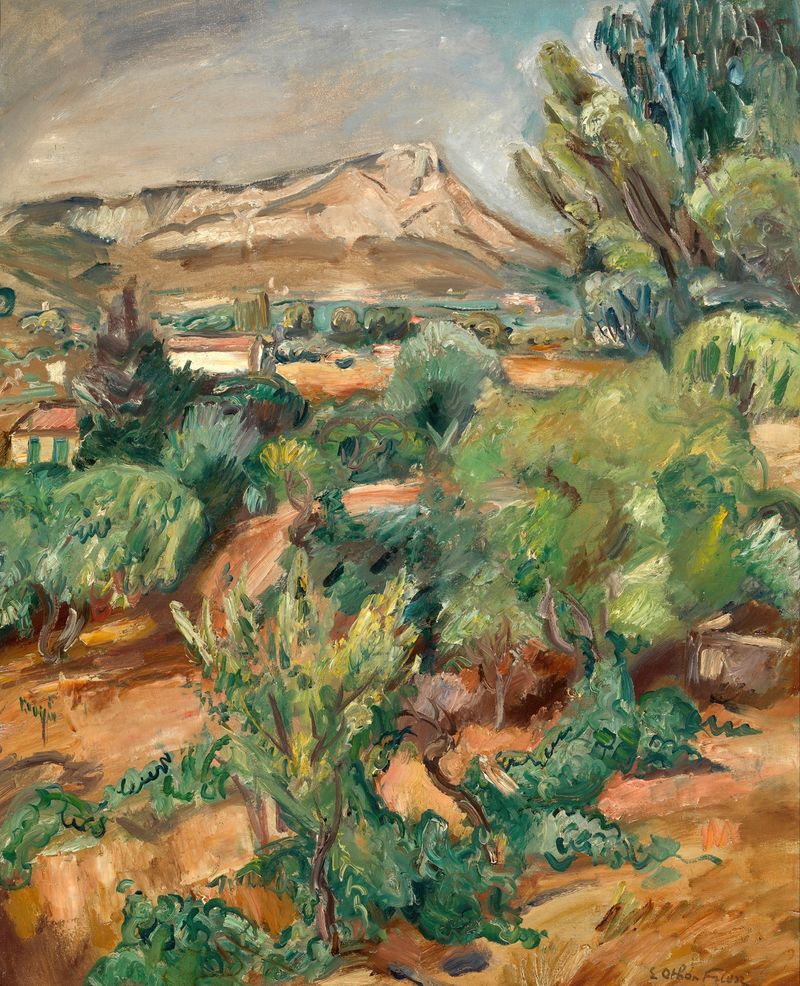
The Mountain Coudon Seen from Cap Brun
Emile Othon Friesz
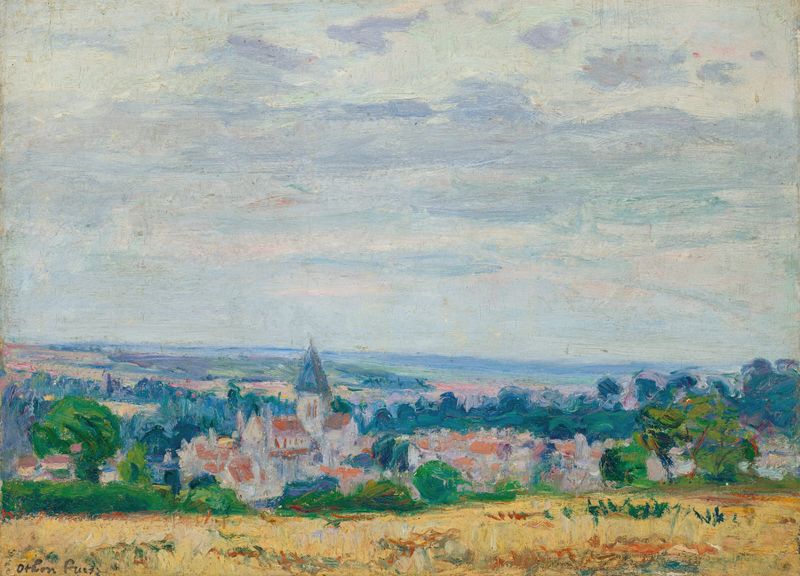
Falaise
Emile Othon Friesz
La Seine À Paris, La Tour Eiffel, Le Jour
Emile Othon Friesz
Falaise
Emile Othon Friesz





