
Self-portrait — History & Facts
Could a single brushstroke hold eternity? In a world where chaos often reigns, the act of capturing the self can feel like an act of defiance against the void. Look to the left at the stark lines that seem to clash with the gentle curves of the figure. The contrast between the dark, aggressive strokes and the lighter shades around the face creates an unsettling tension, almost as if the canvas is a battleground for the artist's emotions. Notice how the shadows linger beneath the brow, hinting at a vulnerability that wrestles with the boldness of the strokes employed.
This dichotomy draws you in, compelling you to explore the depths of despair and the flicker of hope nestled within the layers. The self-portrait speaks volumes about the internal struggle of identity and existence. The juxtaposition of sharp angles and soft highlights reflects not just the artist's visage but also a tumultuous narrative of violence—both external and internal. Each brushstroke seems to echo the pain of self-examination, a testament to the arduous journey of reconciling one’s own complexities.
The rawness of the emotions captured invites the viewer to confront their own shadows, and in doing so, reveals the universal struggle of self-acceptance. At the time this work was created, Arthur Blaschnik was navigating the throes of a rapidly changing artistic landscape. Though the exact date remains uncertain, his exploration of identity and social themes resonated with the broader movements of the era. It was a time steeped in introspection, as artists began to dismantle traditional forms, paving the way for personal expression in a chaotic world.
More Artworks by Arthur Blaschnik
Browse all →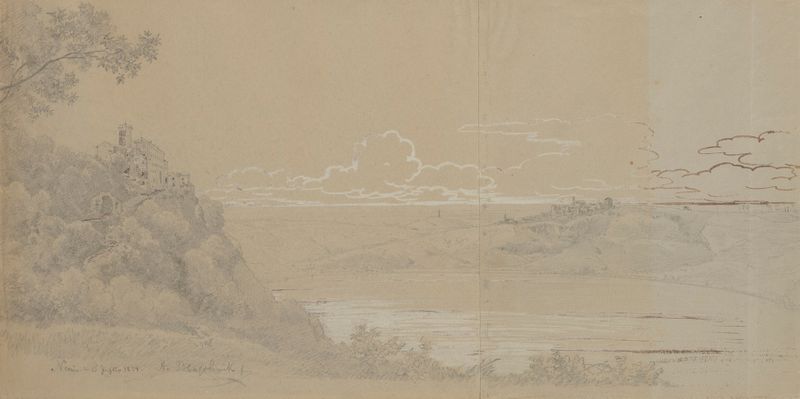
Palazzo Ruspoli by Lake Nemi, in the Distance the Town of Genzano di Roma
Arthur Blaschnik
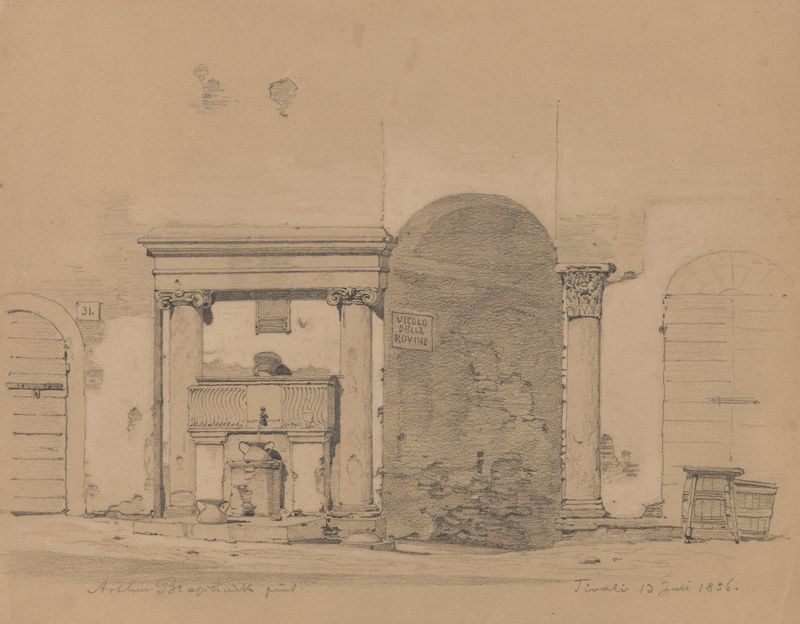
Gate Leading to Vicoli dei Grana near Piazza Palatina in Tivoli
Arthur Blaschnik
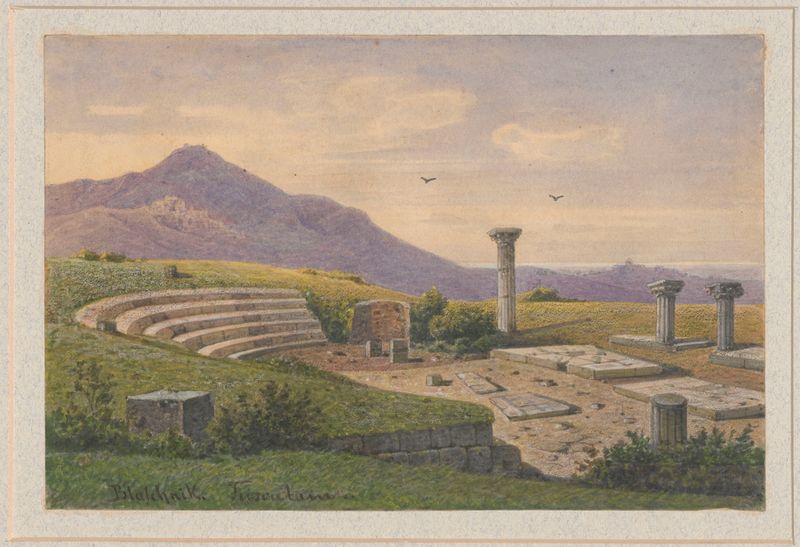
Amphitheatre in Tusculum
Arthur Blaschnik
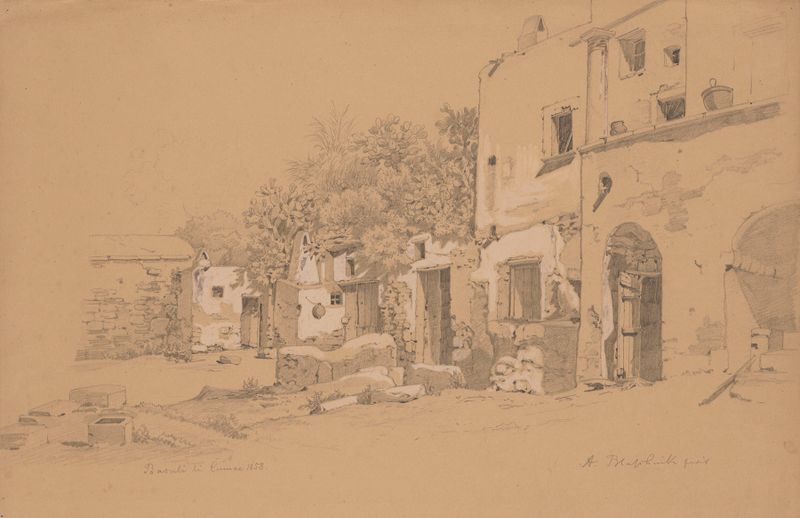
House and Outbuildings in Bacoli
Arthur Blaschnik
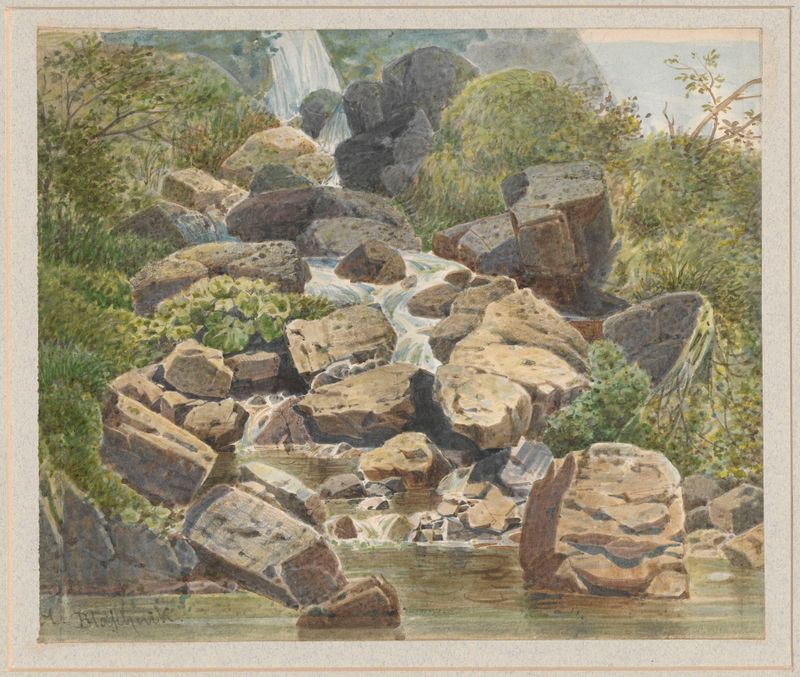
View of a small waterfall near Covigliaio, Tuscany
Arthur Blaschnik
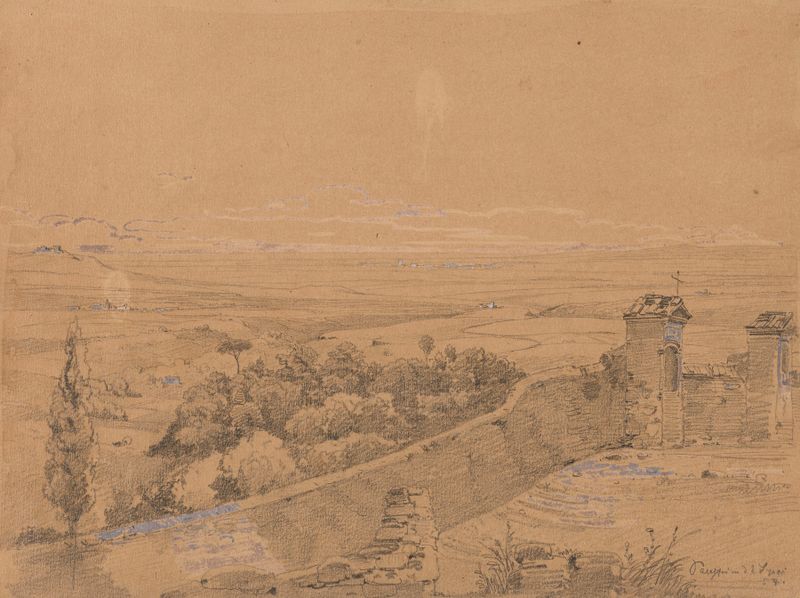
Landscape from the Vicinity of Palestrina
Arthur Blaschnik
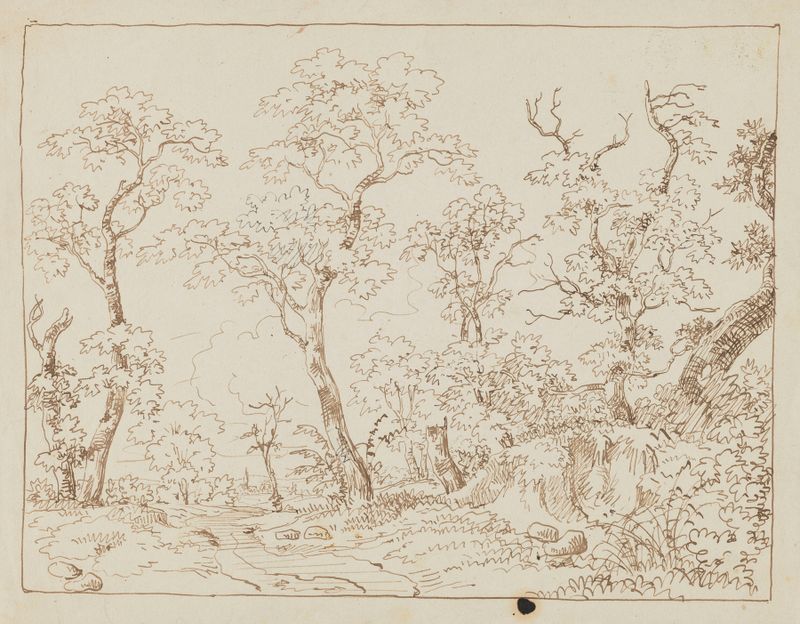
Studies of Trees, Landscape
Arthur Blaschnik
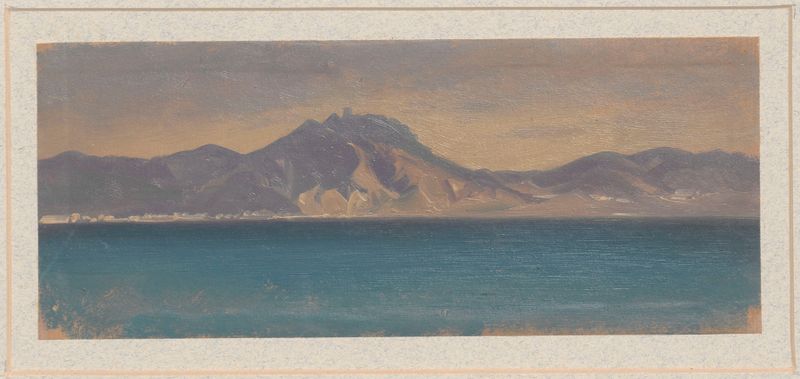
View of the Island of Capri
Arthur Blaschnik
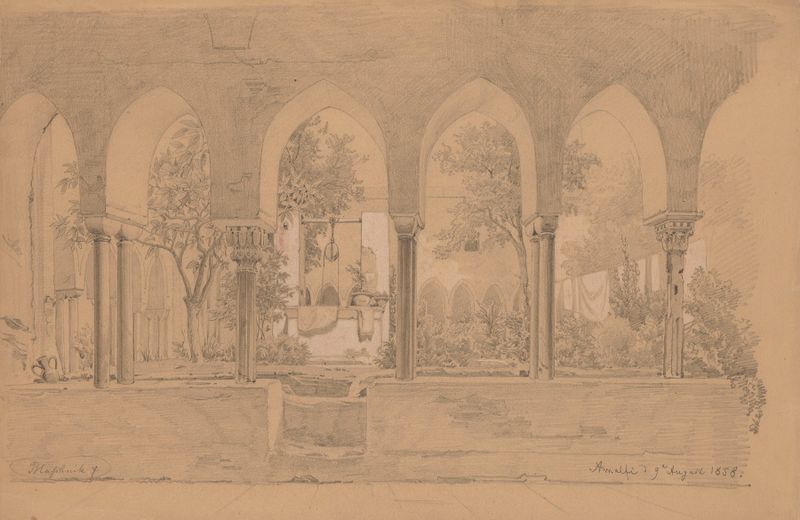
Cloister with Arcade Gallery in Amalfi
Arthur Blaschnik
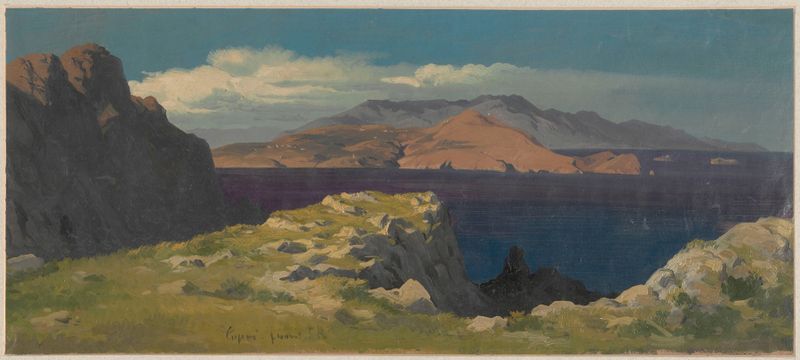
View of Capri
Arthur Blaschnik
More Portrait Art
Browse all →
Las meninas
Diego Velázquez

Self-portrait with a Bandaged Ear and Pipe
Unidentified artist

Girl with a Pearl Earring
Johannes Vermeer

The Sampling Officials of the Amsterdam Drapers’ Guild, Known as ‘The Syndics’
Rembrandt van Rijn

The Hundred Guilder Print: the man seen on the back in the lower left corner
Rembrandt van Rijn

Portrait of Dr Gachet
Vincent van Gogh