
Self-portrait in a cloak with a falling collar: bust — History & Facts
In the quiet depths of a canvas, the artist confronts his own identity, revealing a world where both beauty and violence coexist. Notice how the light cascades down from the left, caressing the smooth texture of the cloak while casting shadows that hint at deeper currents of emotion. Look closely at the falling collar — its delicate fabric contrasts sharply with the weight of the gaze that pierces through the viewer. Each brushstroke, masterfully layered, unfolds a narrative steeped in introspection, using earth tones and luminous highlights to evoke both warmth and turmoil. The somber expression reflects an inner strife, a battle raging beneath the surface of the serene façade.
The gaze is direct and penetrating, suggesting a confrontation with both the self and the audience. The interplay of light and dark not only highlights the physicality of the subject but also the violence of self-examination, as the artist grapples with his vulnerabilities and aspirations, forever caught in a cycle of creation and critique. Painting this work in 1631, Rembrandt was establishing himself in Amsterdam, a city pulsing with artistic innovation yet marked by social upheaval. He was navigating the complexities of his burgeoning career while grappling with personal challenges, including financial instability.
This piece, among his earliest self-portraits, captures the essence of his evolving style, showcasing a deep connection to the human experience — one defined by both struggle and grace.
More Artworks by Rembrandt van Rijn
Browse all →
The Night Watch Militia Company of District II under the Command of Captain Frans Banninck Cocq
Rembrandt van Rijn

The Return of the Prodigal Son
Rembrandt van Rijn

The Hundred Guilder Print: the figures leaning on the wall in the centre left
Rembrandt van Rijn

The Hundred Guilder Print: the central piece with Christ preaching, the plate arched
Rembrandt van Rijn

Isaac and Rebecca, Known as ‘The Jewish Bride’
Rembrandt van Rijn
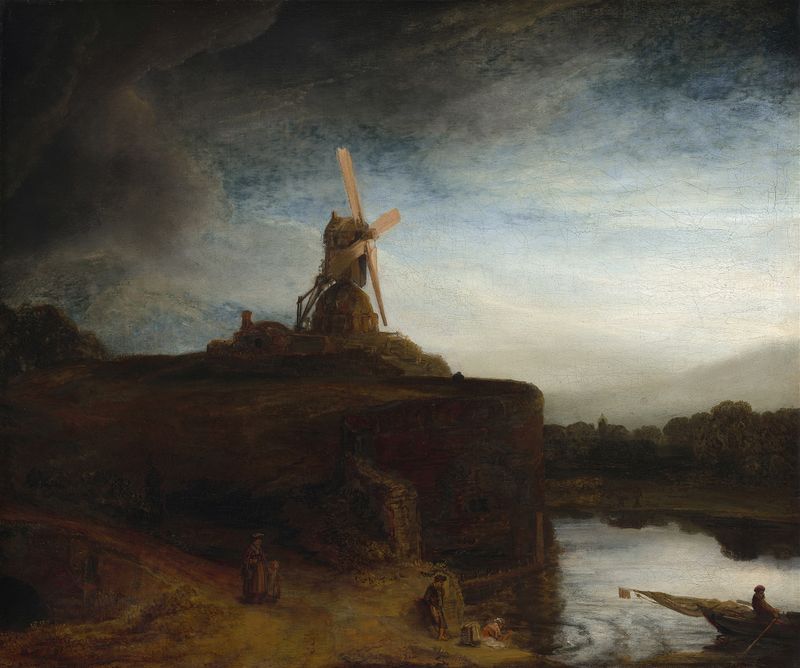
The Mill
Rembrandt van Rijn

The Sampling Officials of the Amsterdam Drapers’ Guild, Known as ‘The Syndics’
Rembrandt van Rijn

The return of the prodigal son
Rembrandt van Rijn
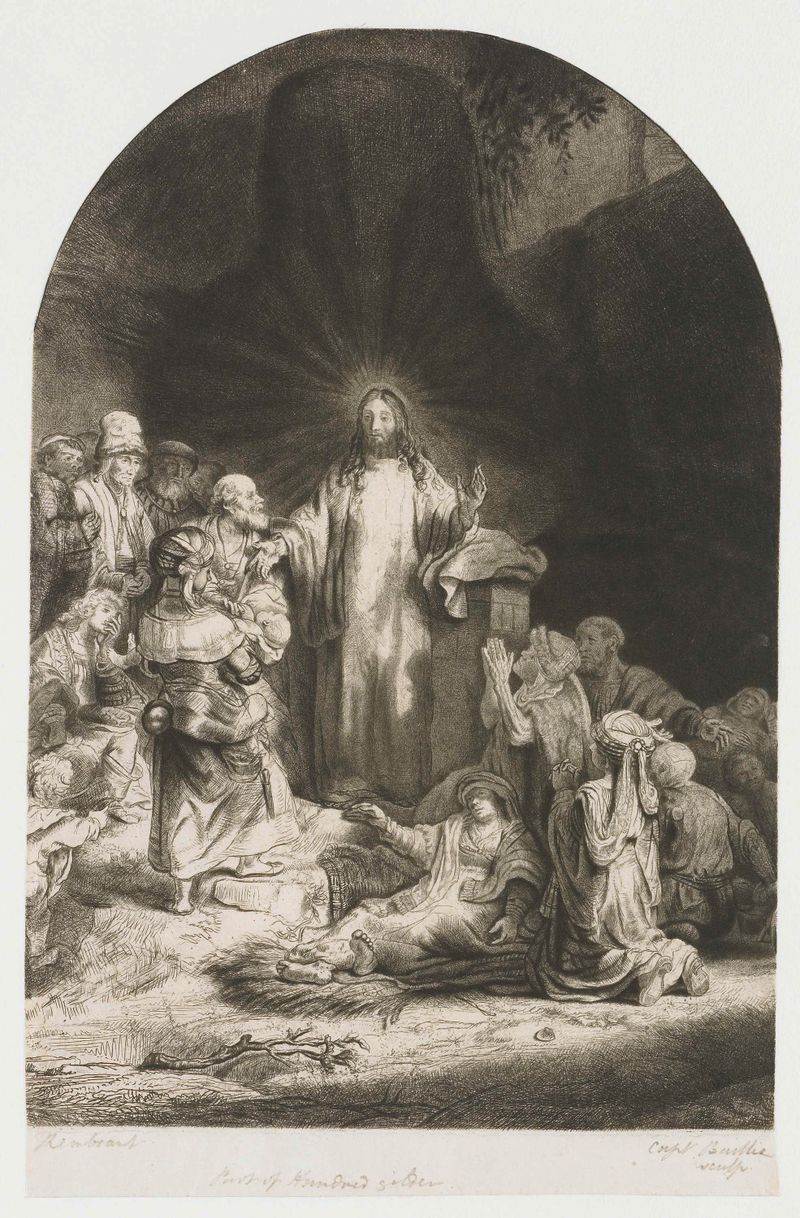
The Hundred Guilder Print: the central piece with Christ preaching, the plate arched
Rembrandt van Rijn

The Hundred Guilder Print: the man seen on the back in the lower left corner
Rembrandt van Rijn
More Portrait Art
Browse all →
Las meninas
Diego Velázquez

Self-portrait with a Bandaged Ear and Pipe
Unidentified artist

Girl with a Pearl Earring
Johannes Vermeer
The Sampling Officials of the Amsterdam Drapers’ Guild, Known as ‘The Syndics’
Rembrandt van Rijn
The Hundred Guilder Print: the man seen on the back in the lower left corner
Rembrandt van Rijn

Portrait of Dr Gachet
Vincent van Gogh