
Self-portrait in a cloak with a falling collar: bust — History & Facts
In the stillness of a moment captured, the artist stands before us, cloaked in shadows and light, revealing both his presence and absence. Here, the void of the background contrasts with the rich textures of fabric, inviting us to question what is concealed beneath the surface. Look to the center, where the figure emerges in striking chiaroscuro. Focus on the way the light delicately envelops the contours of the face, illuminating the furrowed brow and thoughtful gaze.
Notice how the falling collar draws our eyes toward the unpretentious details of the cloak, each brushstroke a testament to the artist's mastery of texture, creating a tangible reality that pulls the viewer deep into introspection. Yet, beneath this confident façade lies an emotional tension—an exploration of identity and vulnerability. The half-shadowed features suggest a struggle with self-perception, embodying both the artist's prowess and his insecurities. The absence of a defined background emphasizes the isolation of the figure, encapsulating the essence of solitude and the void that surrounds personal introspection. Painted around 1631, when Rembrandt was establishing his reputation in the vibrant art scene of Amsterdam, this self-portrait highlights the duality of his career.
The Dutch Golden Age was a time of artistic innovation and intense competition, as well as personal challenges for the artist, including financial struggles. In this work, he navigates his complex relationship with self-image, forever etching his emotions onto the canvas for posterity.
More Artworks by Rembrandt van Rijn
Browse all →
The Night Watch Militia Company of District II under the Command of Captain Frans Banninck Cocq
Rembrandt van Rijn

The Return of the Prodigal Son
Rembrandt van Rijn

The Hundred Guilder Print: the figures leaning on the wall in the centre left
Rembrandt van Rijn

The Hundred Guilder Print: the central piece with Christ preaching, the plate arched
Rembrandt van Rijn

Isaac and Rebecca, Known as ‘The Jewish Bride’
Rembrandt van Rijn
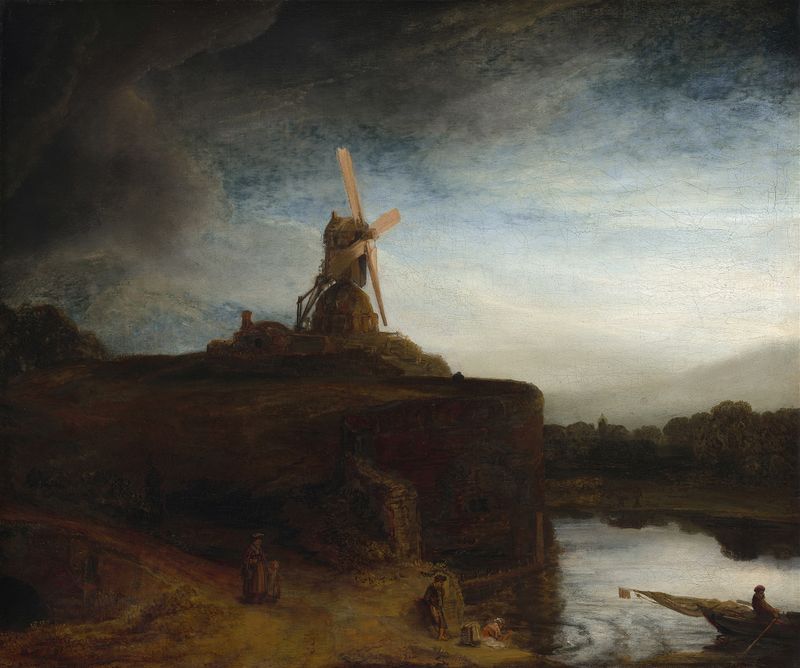
The Mill
Rembrandt van Rijn

The Sampling Officials of the Amsterdam Drapers’ Guild, Known as ‘The Syndics’
Rembrandt van Rijn

The return of the prodigal son
Rembrandt van Rijn
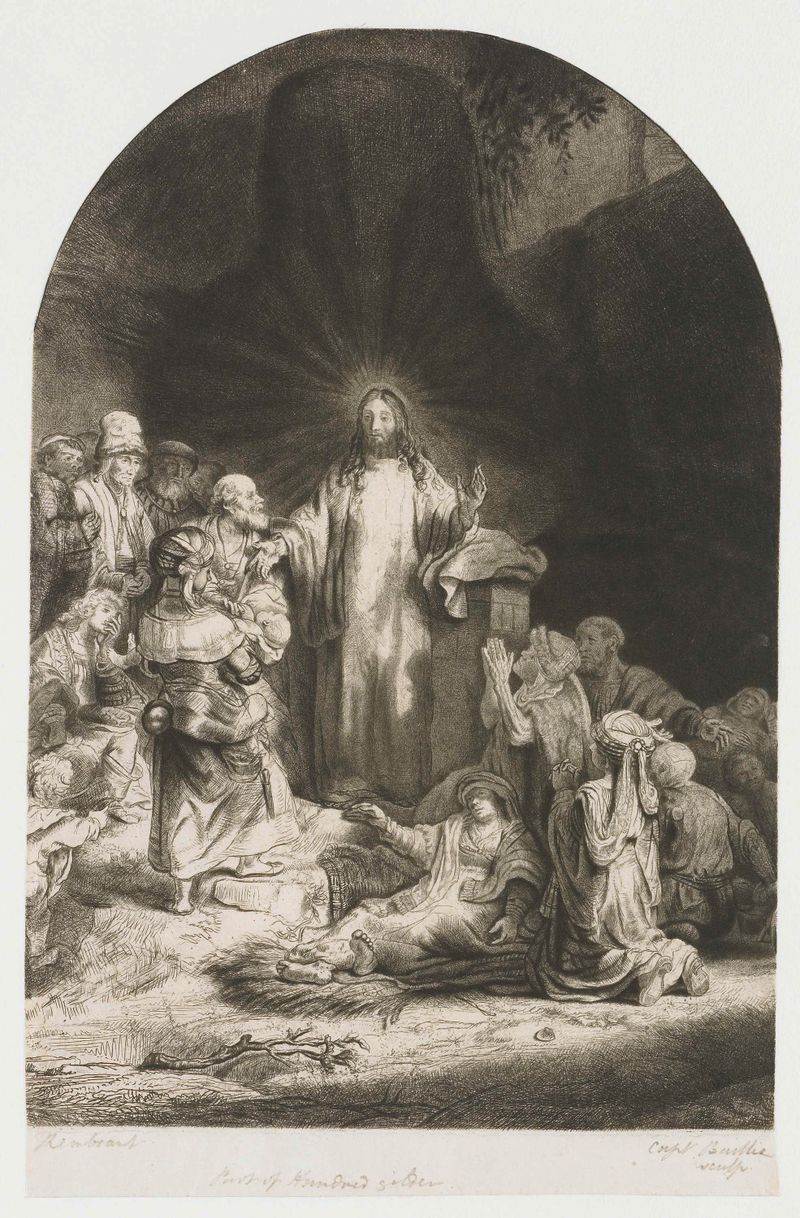
The Hundred Guilder Print: the central piece with Christ preaching, the plate arched
Rembrandt van Rijn

The Hundred Guilder Print: the man seen on the back in the lower left corner
Rembrandt van Rijn
More Portrait Art
Browse all →
Las meninas
Diego Velázquez

Self-portrait with a Bandaged Ear and Pipe
Unidentified artist

Girl with a Pearl Earring
Johannes Vermeer
The Sampling Officials of the Amsterdam Drapers’ Guild, Known as ‘The Syndics’
Rembrandt van Rijn
The Hundred Guilder Print: the man seen on the back in the lower left corner
Rembrandt van Rijn

Portrait of Dr Gachet
Vincent van Gogh