
Self-portrait in a cloak with a falling collar: bust — History & Facts
In the quiet depths of human emotion, where grief lingers unspoken, the self-portrait captures the essence of vulnerability and introspection. It invites the viewer to confront the raw, unfiltered truth of one's inner world. Look closely at the figure's expressive eyes, drawing you into a realm of unyielding honesty and pain. The rich, dark cloak envelops the subject, accentuating the delicate play of light and shadow on his face.
Notice how the falling collar frames his features, creating a striking contrast against the darkness that surrounds him. The warm, earthy palette of browns and golds contributes to an intimate atmosphere, immersing you in his solitude. Beneath the surface, this piece speaks to the dichotomy of strength and fragility. The somber expression hints at personal loss, possibly echoing the artist's own experiences with grief.
The meticulous brushwork reveals not just a likeness, but an emotional landscape, where each stroke echoes the weight of sorrow and the complexity of self-identity. The cloak becomes a metaphor for the burdens we carry, both seen and unseen. During the early 1630s, Rembrandt was establishing his career in Amsterdam, a time when he faced both professional successes and personal challenges. Amid burgeoning fame, he grappled with the intricate demands of the art world and the emotional toll of loss.
This self-portrait stands as a testament to his ability to channel profound feelings into captivating imagery, a reflection of the artist’s evolving mastery and depth.
More Artworks by Rembrandt van Rijn
Browse all →
The Night Watch Militia Company of District II under the Command of Captain Frans Banninck Cocq
Rembrandt van Rijn

The Return of the Prodigal Son
Rembrandt van Rijn

The Hundred Guilder Print: the figures leaning on the wall in the centre left
Rembrandt van Rijn

The Hundred Guilder Print: the central piece with Christ preaching, the plate arched
Rembrandt van Rijn

Isaac and Rebecca, Known as ‘The Jewish Bride’
Rembrandt van Rijn
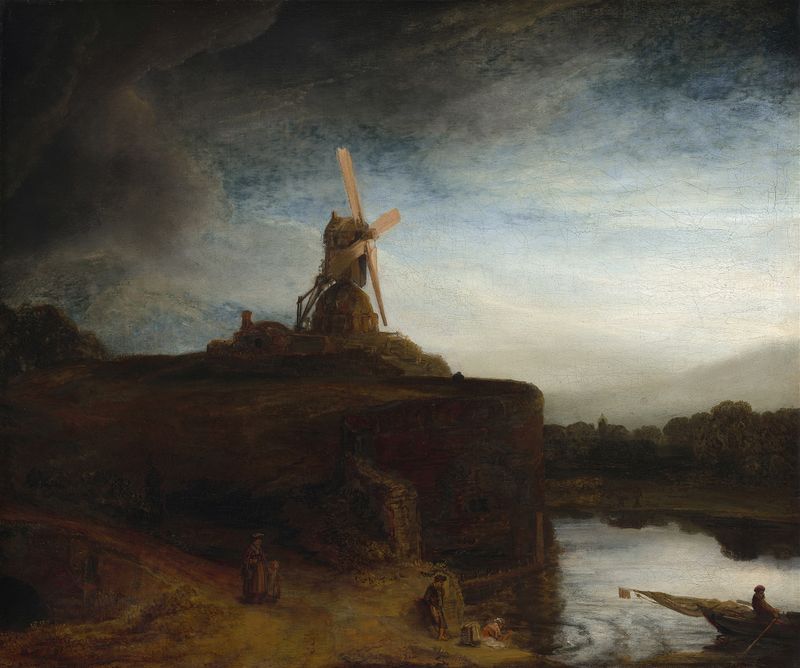
The Mill
Rembrandt van Rijn

The Sampling Officials of the Amsterdam Drapers’ Guild, Known as ‘The Syndics’
Rembrandt van Rijn

The return of the prodigal son
Rembrandt van Rijn
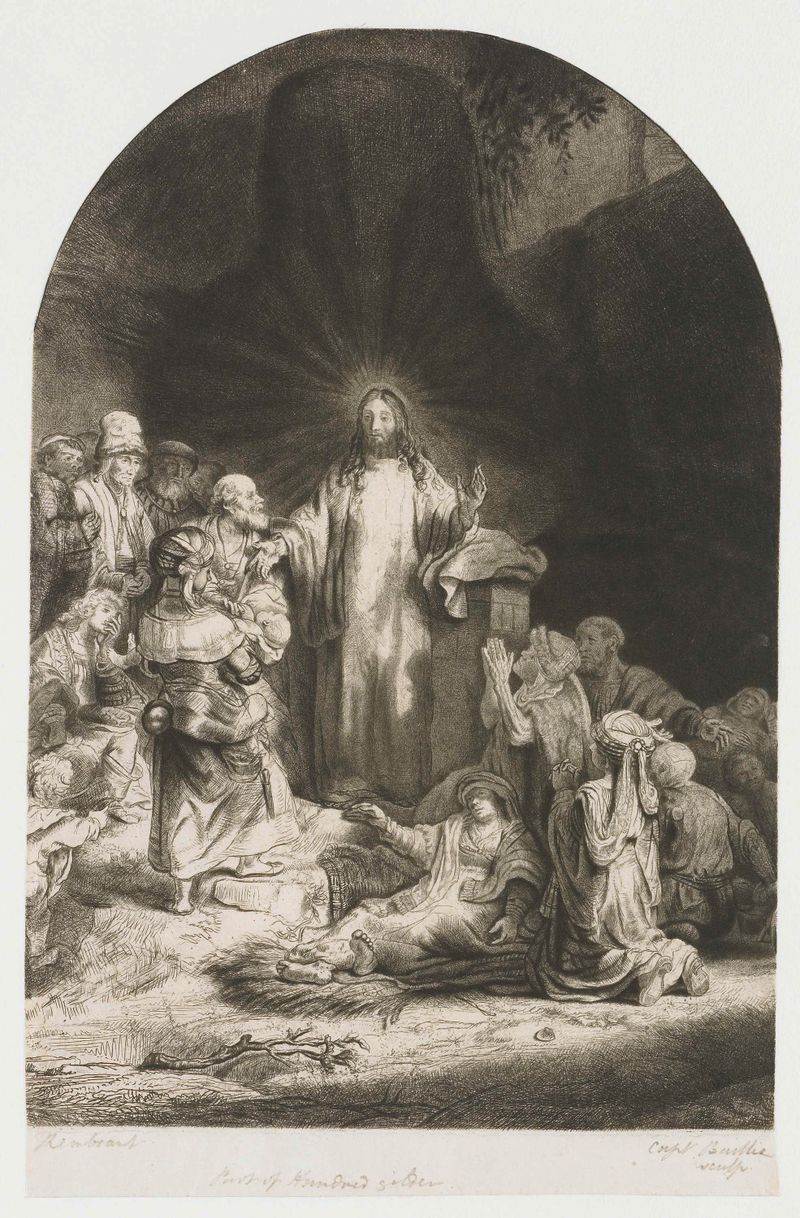
The Hundred Guilder Print: the central piece with Christ preaching, the plate arched
Rembrandt van Rijn

The Hundred Guilder Print: the man seen on the back in the lower left corner
Rembrandt van Rijn
More Portrait Art
Browse all →
Las meninas
Diego Velázquez

Self-portrait with a Bandaged Ear and Pipe
Unidentified artist

Girl with a Pearl Earring
Johannes Vermeer
The Sampling Officials of the Amsterdam Drapers’ Guild, Known as ‘The Syndics’
Rembrandt van Rijn
The Hundred Guilder Print: the man seen on the back in the lower left corner
Rembrandt van Rijn

Portrait of Dr Gachet
Vincent van Gogh