
Self-portrait in a cloak with a falling collar: bust — History & Facts
In a world that rushes past, one must pause to ponder the weight of time embedded within a single image. For what is a self-portrait if not a confrontation with one’s own existence, a canvas bearing the scars of experience and the glories of fleeting moments? Focus first on the piercing gaze of the figure, which draws you in like a magnet. Look closely at the delicate interplay of shadow and light across the face, where Rembrandt meticulously captures each subtle nuance of emotion.
The cloak, rich in dark tones and highlighted with flickers of ochre, drapes elegantly, framing the subject's visage. Notice how the falling collar creates a sense of vulnerability, inviting the viewer to dive deeper into the layers of the artist’s psyche. This artwork reveals the duality of identity; the outer semblance of nobility is contrasted by an undercurrent of melancholy. The way the light caresses the contours of the face speaks to the passage of time, highlighting both strength and fragility.
Here, the falling collar serves not just as a fashion statement but as a metaphor for the weight of self-perception, the beauty marred by the inevitability of aging and introspection. In 1631, while producing this self-portrait, Rembrandt was establishing his reputation in Amsterdam, navigating the complexities of a burgeoning art scene. He was embracing a new style characterized by dramatic chiaroscuro, reflecting not only the influences of his contemporaries but also his unique vision. It was a pivotal moment, marked by an exploration of self that would resonate throughout his career, intertwining personal narrative with the broader discourse of art.
More Artworks by Rembrandt van Rijn
Browse all →
The Night Watch Militia Company of District II under the Command of Captain Frans Banninck Cocq
Rembrandt van Rijn

The Return of the Prodigal Son
Rembrandt van Rijn

The Hundred Guilder Print: the figures leaning on the wall in the centre left
Rembrandt van Rijn

The Hundred Guilder Print: the central piece with Christ preaching, the plate arched
Rembrandt van Rijn

Isaac and Rebecca, Known as ‘The Jewish Bride’
Rembrandt van Rijn
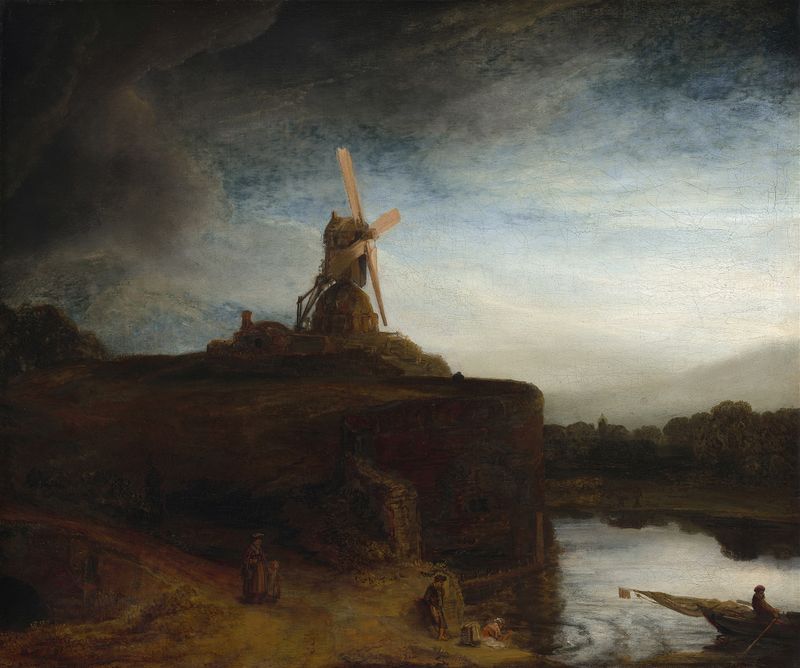
The Mill
Rembrandt van Rijn

The Sampling Officials of the Amsterdam Drapers’ Guild, Known as ‘The Syndics’
Rembrandt van Rijn

The return of the prodigal son
Rembrandt van Rijn
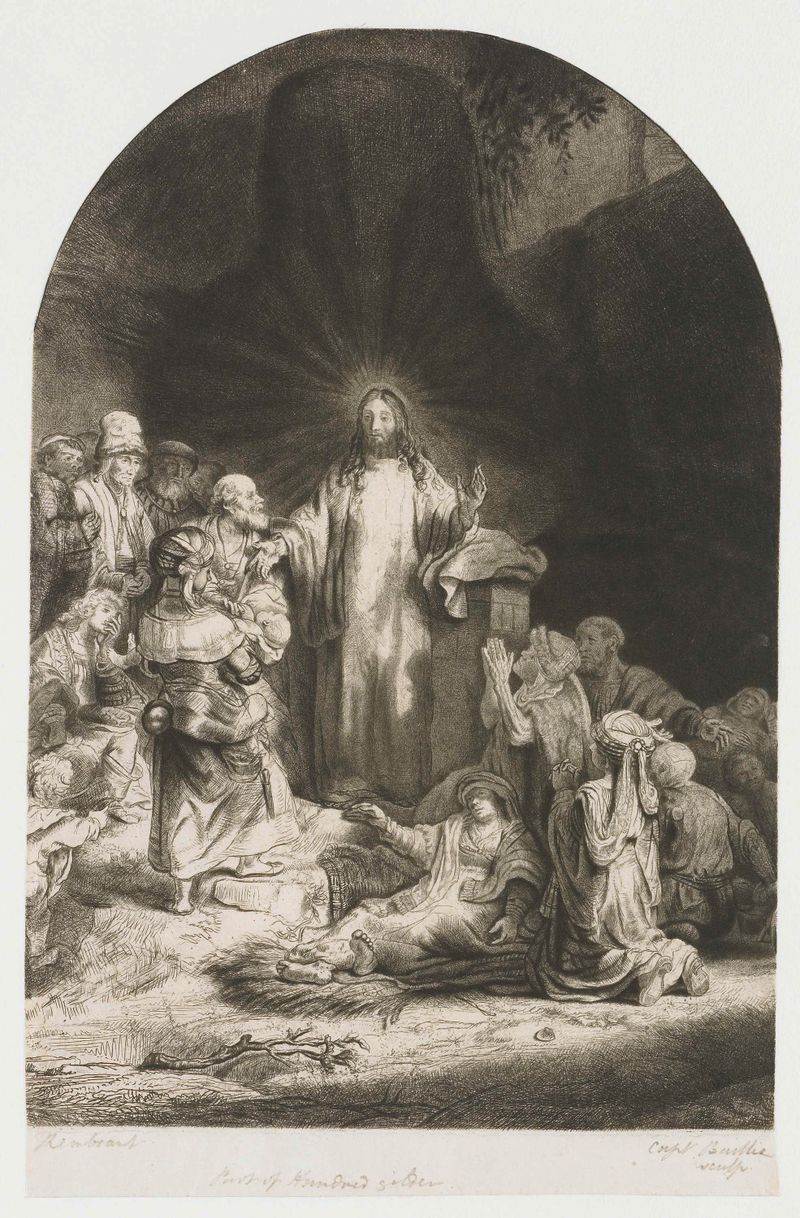
The Hundred Guilder Print: the central piece with Christ preaching, the plate arched
Rembrandt van Rijn

The Hundred Guilder Print: the man seen on the back in the lower left corner
Rembrandt van Rijn
More Portrait Art
Browse all →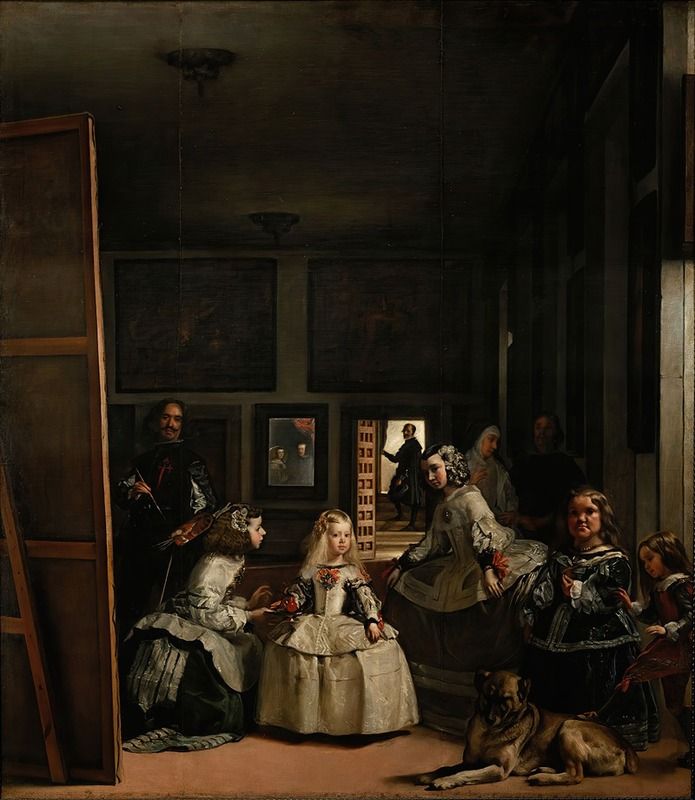
Las meninas
Diego Velázquez

Self-portrait with a Bandaged Ear and Pipe
Unidentified artist
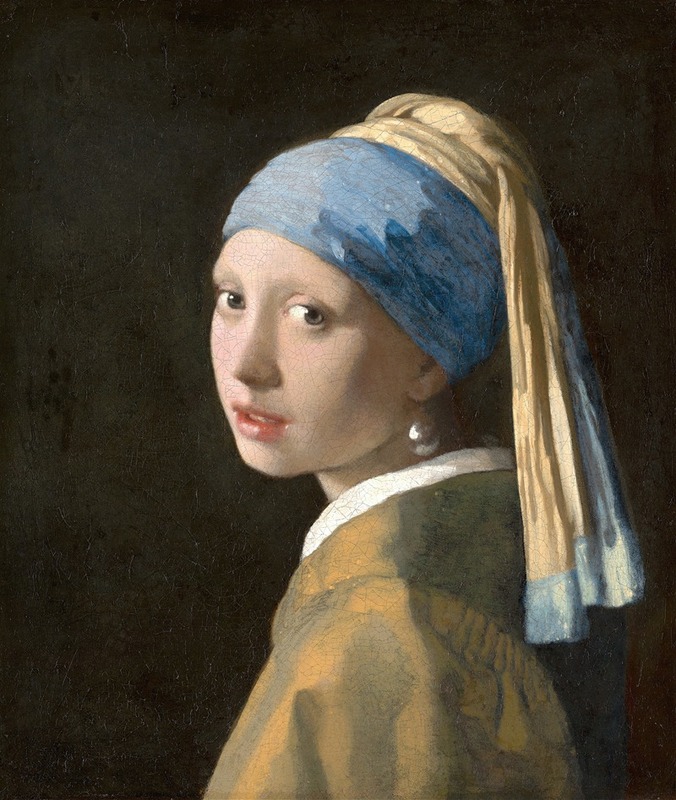
Girl with a Pearl Earring
Johannes Vermeer
The Sampling Officials of the Amsterdam Drapers’ Guild, Known as ‘The Syndics’
Rembrandt van Rijn
The Hundred Guilder Print: the man seen on the back in the lower left corner
Rembrandt van Rijn

Portrait of Dr Gachet
Vincent van Gogh