
Self-portrait in a flat cap and embroidered dress — History & Facts
What secret hides in the quiet of the canvas? Beneath the meticulous brushwork and the interplay of light and shadow lies an intimate conversation between the self and the viewer, an exploration of faith rendered in color. Look to the center of the composition, where the figure gazes steadily outward, a flat cap resting comfortably atop their head. The embroidered dress, with its intricate patterns, captures the light in soft, glowing hues, inviting the eye to traverse the rich textures. Notice how subtle gradations of shadow enhance the contours of the face, revealing an expression that blends introspection with a quiet strength, drawing us deeper into the artist’s self-reflection. Delve into the contrasts presented: the sharpness of the cap against the delicate embroidery, emblematic of the duality of identity—both public and private.
The use of light here is pivotal; it not only illuminates the subject but also suggests an inner illumination, a beacon of personal faith. This self-portrait transcends mere likeness, inviting contemplation of the complex relationship between self-identity and belief. During the latter part of his life, Rembrandt created this work amidst a tumultuous period marked by financial struggles and personal loss. Painted in the late 19th century, it reflects a time when he was re-examining his legacy and artistic approach.
Despite being overshadowed by contemporaries, he continued to explore profound themes of humanity and faith, leaving a poignant mark on the history of art.
More Artworks by Rembrandt van Rijn
Browse all →
The Night Watch Militia Company of District II under the Command of Captain Frans Banninck Cocq
Rembrandt van Rijn

The Return of the Prodigal Son
Rembrandt van Rijn

The Hundred Guilder Print: the figures leaning on the wall in the centre left
Rembrandt van Rijn

The Hundred Guilder Print: the central piece with Christ preaching, the plate arched
Rembrandt van Rijn

Isaac and Rebecca, Known as ‘The Jewish Bride’
Rembrandt van Rijn
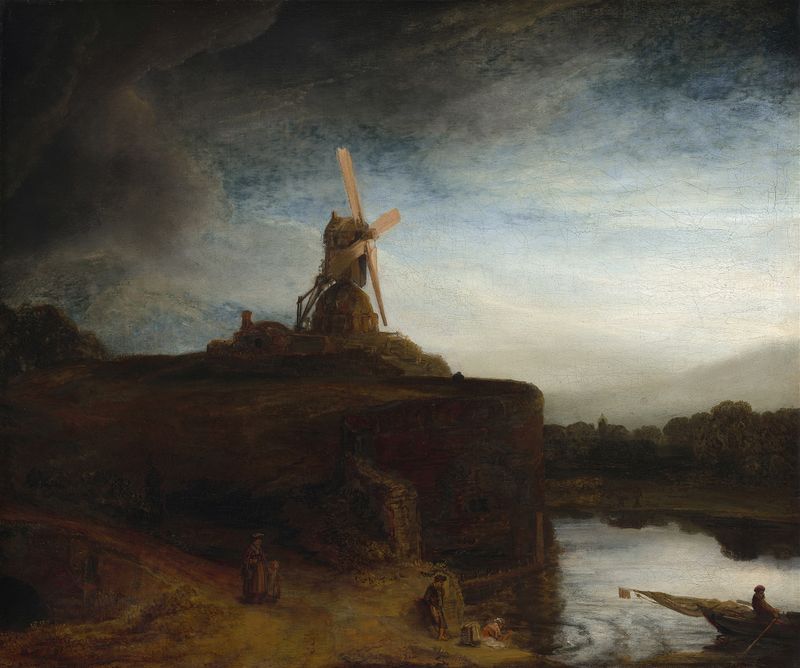
The Mill
Rembrandt van Rijn

The Sampling Officials of the Amsterdam Drapers’ Guild, Known as ‘The Syndics’
Rembrandt van Rijn

The return of the prodigal son
Rembrandt van Rijn
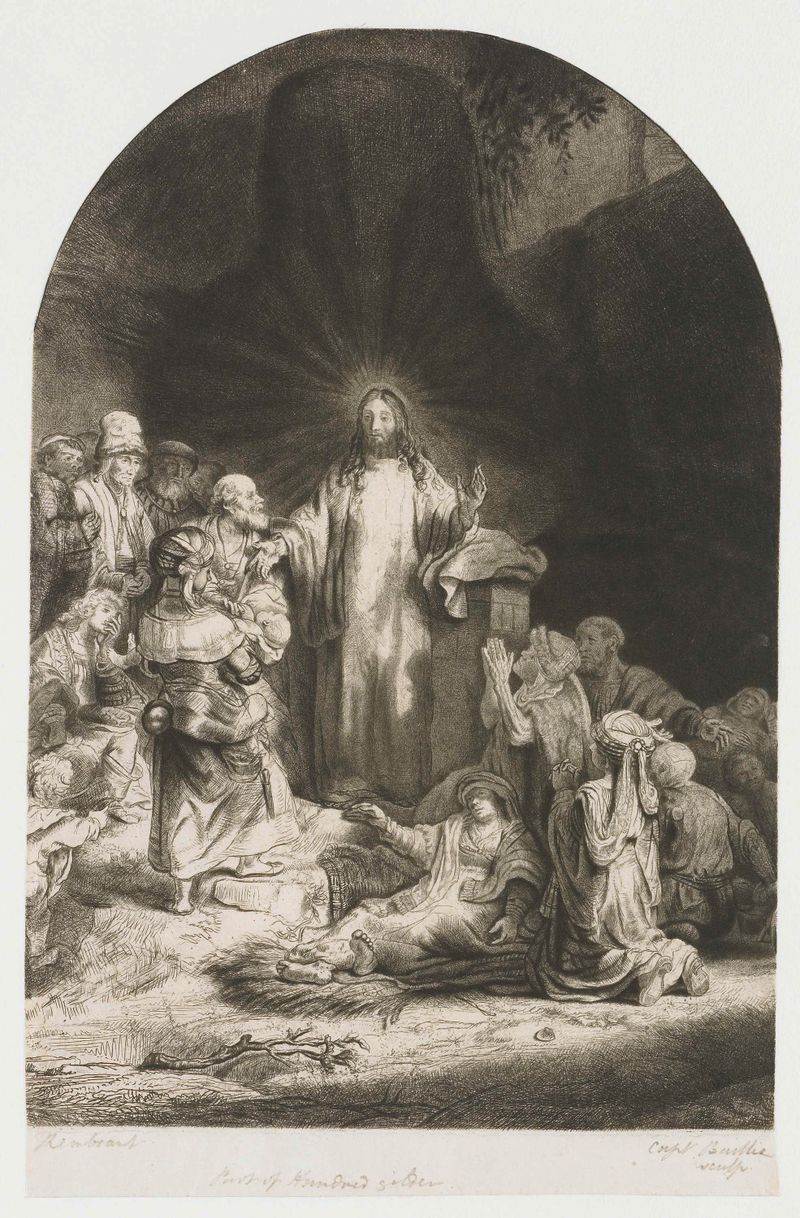
The Hundred Guilder Print: the central piece with Christ preaching, the plate arched
Rembrandt van Rijn

The Hundred Guilder Print: the man seen on the back in the lower left corner
Rembrandt van Rijn
More Portrait Art
Browse all →
Las meninas
Diego Velázquez

Self-portrait with a Bandaged Ear and Pipe
Unidentified artist

Girl with a Pearl Earring
Johannes Vermeer
The Sampling Officials of the Amsterdam Drapers’ Guild, Known as ‘The Syndics’
Rembrandt van Rijn
The Hundred Guilder Print: the man seen on the back in the lower left corner
Rembrandt van Rijn

Portrait of Dr Gachet
Vincent van Gogh