
Self-portrait in a fur cap: bust — History & Facts
Did the painter know this moment would outlive them? In Self-portrait in a fur cap: bust, there lies an intersection of vulnerability and introspection, where the act of creation becomes a mirror reflecting not only the artist but the eternal human condition. Focus on the soft yet assertive gaze that draws you in; Rembrandt's eyes are portals to a soul that knows both triumph and despair. Notice how the light caresses the contours of his face, illuminating the delicate textures of skin and fur alike. The rich earth tones contrast with the dark background, enveloping the figure in a cocoon of warmth and intimacy.
Every stroke is deliberate, revealing a mastery of chiaroscuro that imbues the work with depth and presence. Behind that warm gaze lies a tapestry of emotions — the fur cap suggests both status and a self-effacing humility. The slight tilt of his head and the subtle smile hint at a profound understanding of life’s dualities: success shadowed by insecurity, confidence challenged by self-doubt. This balance creates a tension that is palpable and inviting, inviting the viewer to ponder their own complexities. In 1630, Rembrandt painted this work during his early years in Amsterdam, a time marked by burgeoning fame and the pressures of success.
As he explored his identity within the rapidly evolving art scene, he engaged with new techniques and themes, making this self-portrait a significant marker in his journey. It captures a moment of reflection, a testament to an artist grappling with his place in the world.
More Artworks by Rembrandt van Rijn
Browse all →
The Night Watch Militia Company of District II under the Command of Captain Frans Banninck Cocq
Rembrandt van Rijn

The Return of the Prodigal Son
Rembrandt van Rijn

The Hundred Guilder Print: the figures leaning on the wall in the centre left
Rembrandt van Rijn

The Hundred Guilder Print: the central piece with Christ preaching, the plate arched
Rembrandt van Rijn

Isaac and Rebecca, Known as ‘The Jewish Bride’
Rembrandt van Rijn
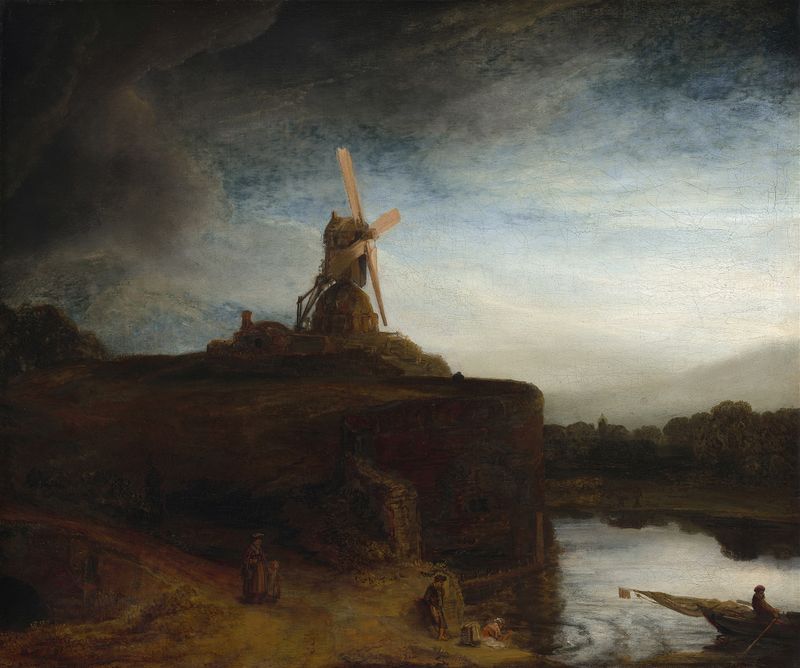
The Mill
Rembrandt van Rijn

The Sampling Officials of the Amsterdam Drapers’ Guild, Known as ‘The Syndics’
Rembrandt van Rijn

The return of the prodigal son
Rembrandt van Rijn
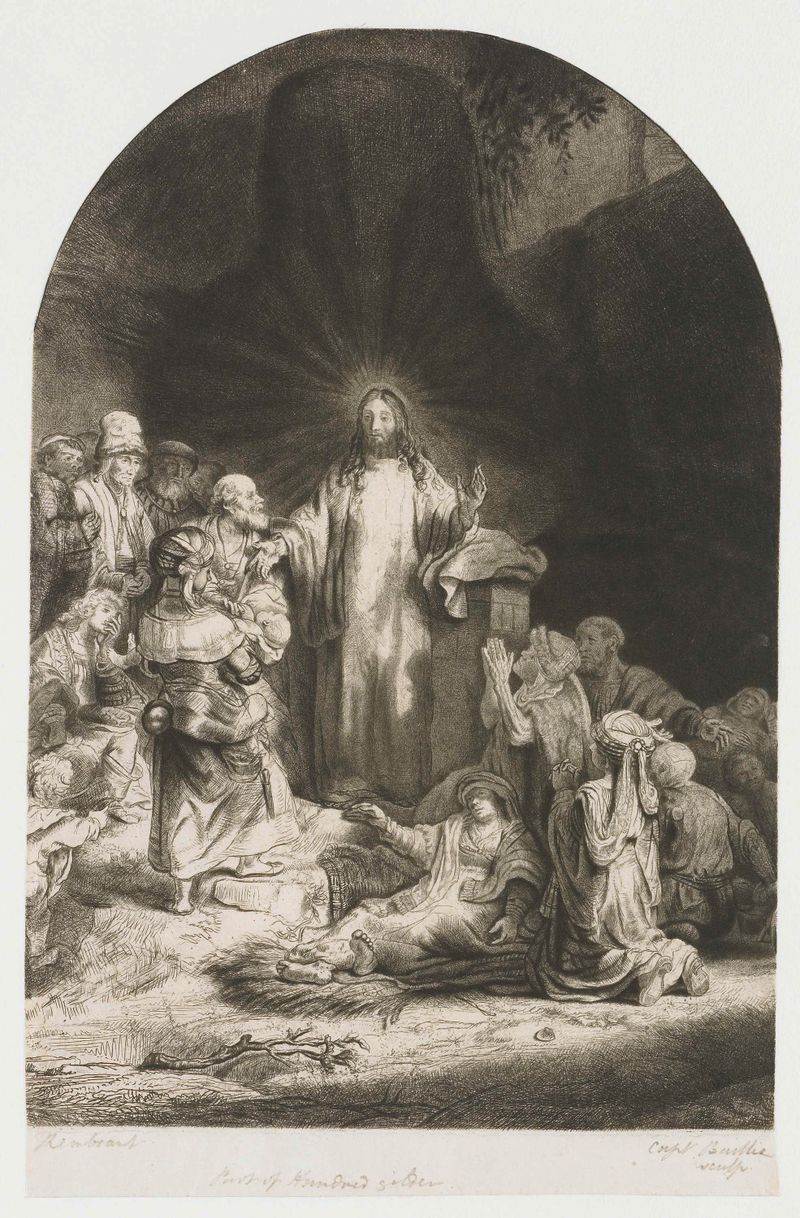
The Hundred Guilder Print: the central piece with Christ preaching, the plate arched
Rembrandt van Rijn

The Hundred Guilder Print: the man seen on the back in the lower left corner
Rembrandt van Rijn
More Portrait Art
Browse all →
Las meninas
Diego Velázquez

Self-portrait with a Bandaged Ear and Pipe
Unidentified artist

Girl with a Pearl Earring
Johannes Vermeer
The Sampling Officials of the Amsterdam Drapers’ Guild, Known as ‘The Syndics’
Rembrandt van Rijn
The Hundred Guilder Print: the man seen on the back in the lower left corner
Rembrandt van Rijn

Portrait of Dr Gachet
Vincent van Gogh