
Self-portrait in a soft hat and a patterned cloak — History & Facts
Who listens when art speaks of silence? In Self-portrait in a soft hat and a patterned cloak, a quiet conversation unfolds, inviting viewers to engage with the emotive power of the canvas. Focus on the face first, where the subject’s gaze meets yours — a profound connection solidified by the soft light that bathes his features. Notice the way the hat rests gently on his head, the fabric of the cloak rich with intricate patterns that seem to whisper stories of transformation. The play of light and shadow enhances the contours of his visage, revealing a complexity that transcends mere representation.
Each brushstroke draws you deeper into his world, compelling you to ponder the thoughts he conceals behind that contemplative expression. Delve into the details: the subtle lines etched around his eyes signify wisdom and experience, while the cloak’s vibrant colors contrast with the muted tones of his face, hinting at an internal struggle between reality and the artist's aspirations. This juxtaposition of light and shadow extends beyond skin-deep — it speaks to the duality of identity, capturing the tension between the public persona and the private self. In this way, the painting becomes a mirror reflecting not just the artist, but the complexities of human existence itself. Created in 1631 during his early years in Amsterdam, this self-portrait emerges at a pivotal time in Rembrandt's life.
The Dutch Golden Age was burgeoning, bringing both wealth and competition among artists. As he sought to establish his unique voice amidst a crowded field, this intimate work not only showcases his technical prowess but also marks a significant step in his journey of artistic self-discovery and transformation.
More Artworks by Rembrandt van Rijn
Browse all →
The Night Watch Militia Company of District II under the Command of Captain Frans Banninck Cocq
Rembrandt van Rijn

The Return of the Prodigal Son
Rembrandt van Rijn

The Hundred Guilder Print: the figures leaning on the wall in the centre left
Rembrandt van Rijn

The Hundred Guilder Print: the central piece with Christ preaching, the plate arched
Rembrandt van Rijn

Isaac and Rebecca, Known as ‘The Jewish Bride’
Rembrandt van Rijn
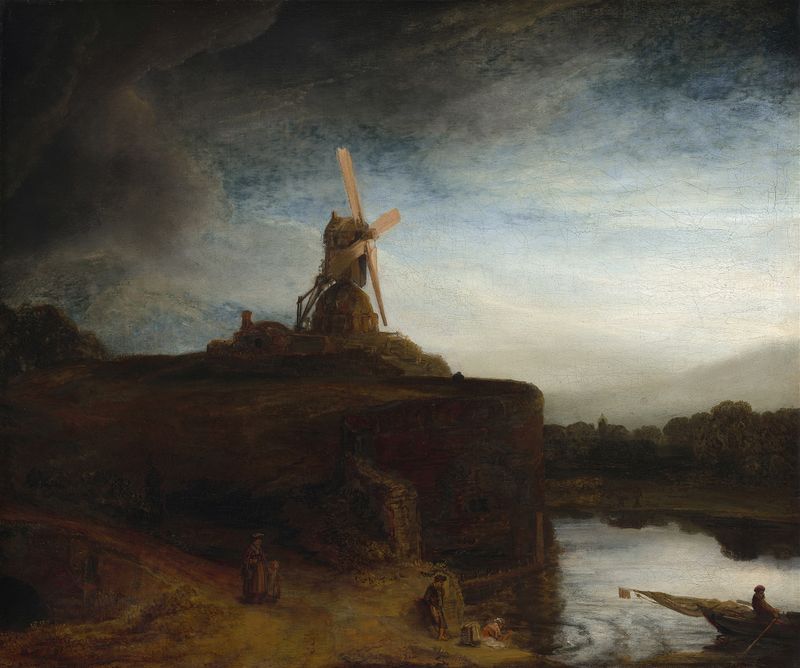
The Mill
Rembrandt van Rijn

The Sampling Officials of the Amsterdam Drapers’ Guild, Known as ‘The Syndics’
Rembrandt van Rijn

The return of the prodigal son
Rembrandt van Rijn
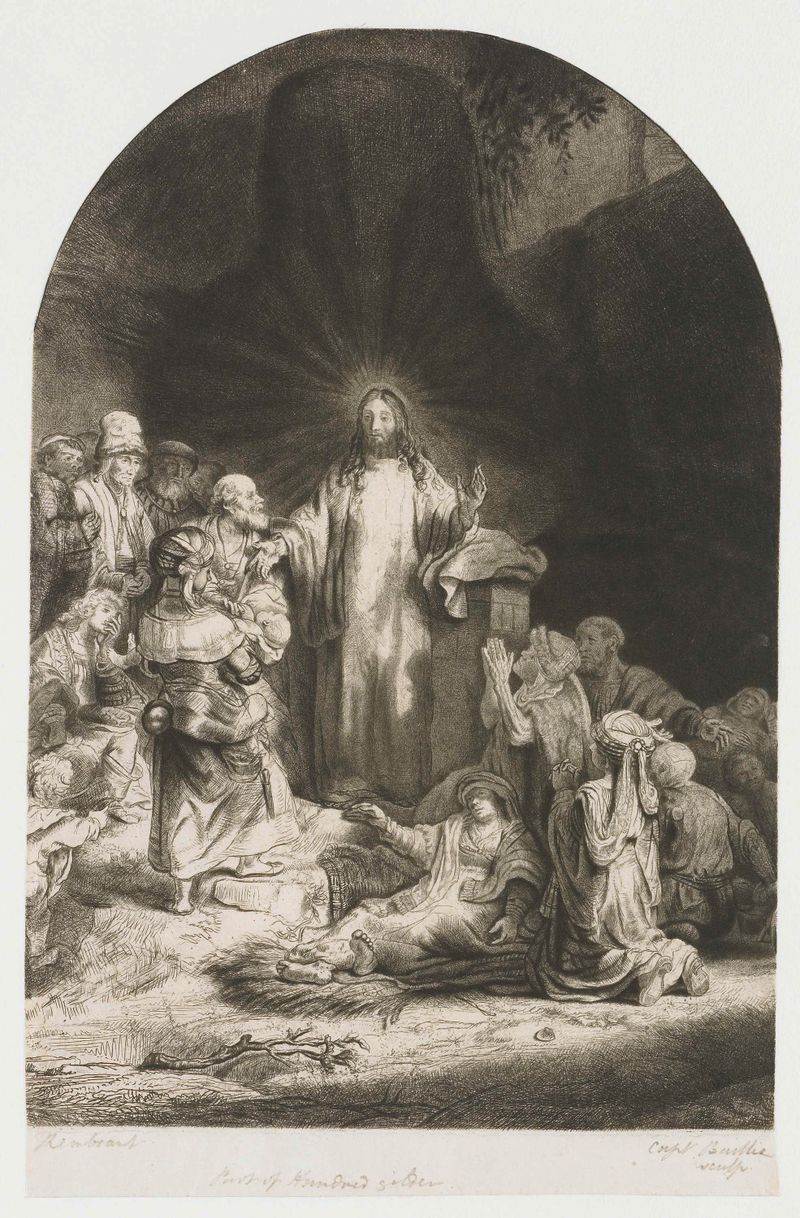
The Hundred Guilder Print: the central piece with Christ preaching, the plate arched
Rembrandt van Rijn

The Hundred Guilder Print: the man seen on the back in the lower left corner
Rembrandt van Rijn
More Portrait Art
Browse all →
Las meninas
Diego Velázquez

Self-portrait with a Bandaged Ear and Pipe
Unidentified artist

Girl with a Pearl Earring
Johannes Vermeer
The Sampling Officials of the Amsterdam Drapers’ Guild, Known as ‘The Syndics’
Rembrandt van Rijn
The Hundred Guilder Print: the man seen on the back in the lower left corner
Rembrandt van Rijn

Portrait of Dr Gachet
Vincent van Gogh