
Self-portrait leaning forward: bust — History & Facts
In the stillness of a moment captured, the essence of ecstasy intertwines with introspection, revealing layers beneath the surface of the self. Focus first on the eyes in this striking portrayal; they draw you in with an intensity that hints at an inner dialogue. Notice how the light dances across the contours of the face, illuminating the cheekbone while casting subtle shadows that suggest depth and complexity. The rich, earthy tones of the palette envelop the figure, merging warmth with an unspoken tension that breathes life into the canvas. Within this image lies a conflict of vulnerability and strength.
The forward lean of the figure suggests a yearning for connection, yet the furrowed brow hints at contemplation, perhaps even turmoil. The subtle variations in texture — from the smoothness of skin to the roughness of the fabric — create a tangible sense of touch, evoking an emotional resonance that lingers long after the viewer has looked away. Painted around 1629, this self-portrait emerged during a pivotal period in Rembrandt's life as he grappled with personal loss and financial instability. The artist was forging his unique style, moving away from the influences of his contemporaries.
Yet, within this intimate, self-reflective work, he not only laid bare his soul but also signaled the profound shift in the portrayal of selfhood that would come to define his legacy in the world of art.
More Artworks by Rembrandt van Rijn
Browse all →
The Night Watch Militia Company of District II under the Command of Captain Frans Banninck Cocq
Rembrandt van Rijn

The Return of the Prodigal Son
Rembrandt van Rijn

The Hundred Guilder Print: the figures leaning on the wall in the centre left
Rembrandt van Rijn

The Hundred Guilder Print: the central piece with Christ preaching, the plate arched
Rembrandt van Rijn

Isaac and Rebecca, Known as ‘The Jewish Bride’
Rembrandt van Rijn
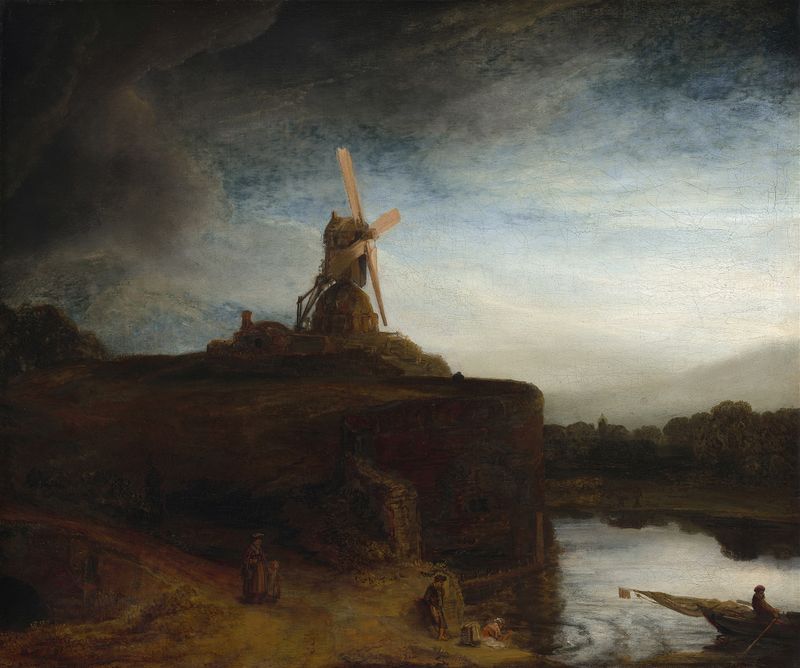
The Mill
Rembrandt van Rijn

The Sampling Officials of the Amsterdam Drapers’ Guild, Known as ‘The Syndics’
Rembrandt van Rijn

The return of the prodigal son
Rembrandt van Rijn
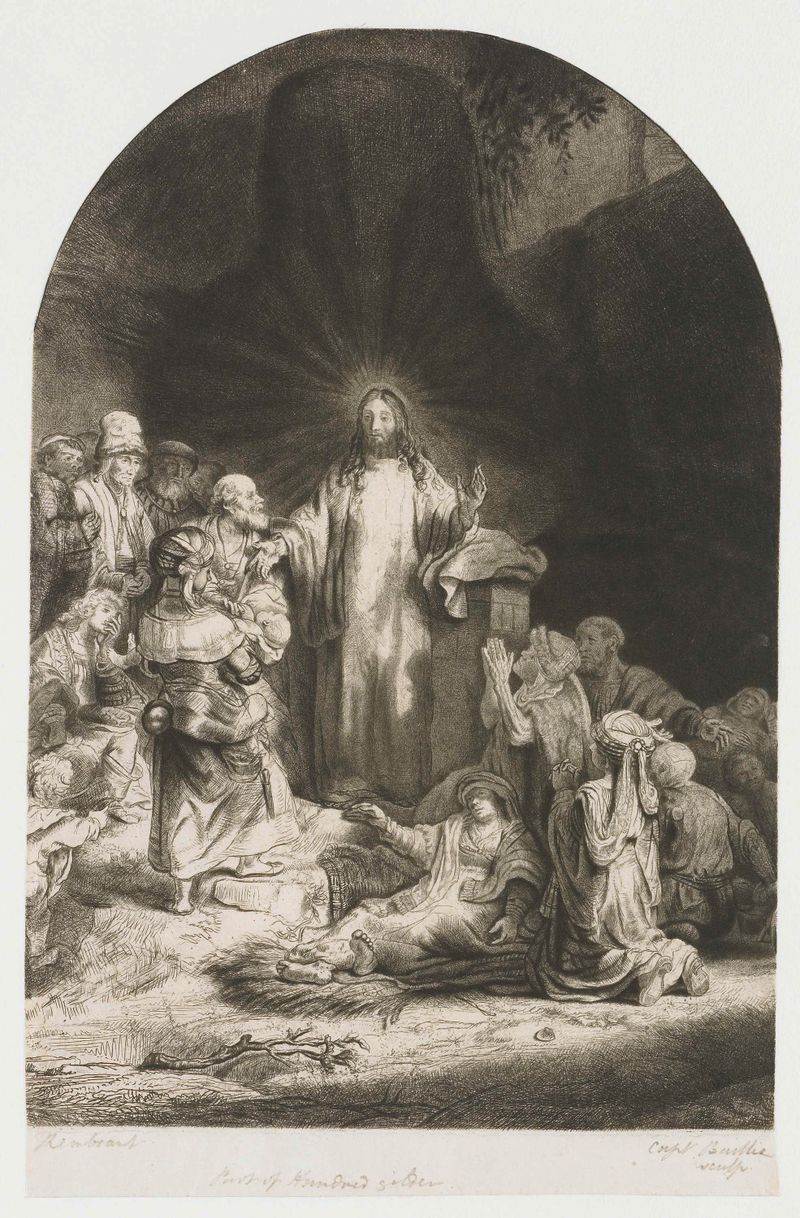
The Hundred Guilder Print: the central piece with Christ preaching, the plate arched
Rembrandt van Rijn

The Hundred Guilder Print: the man seen on the back in the lower left corner
Rembrandt van Rijn
More Portrait Art
Browse all →
Las meninas
Diego Velázquez

Self-portrait with a Bandaged Ear and Pipe
Unidentified artist

Girl with a Pearl Earring
Johannes Vermeer
The Sampling Officials of the Amsterdam Drapers’ Guild, Known as ‘The Syndics’
Rembrandt van Rijn
The Hundred Guilder Print: the man seen on the back in the lower left corner
Rembrandt van Rijn

Portrait of Dr Gachet
Vincent van Gogh