
Self-portrait (?) with plumed cap — History & Facts
Can paint confess what words never could? In Self-portrait (?) with plumed cap, Rembrandt captures not only his likeness but also the essence of time slipping through the fingers, a poignant reminder of life's fleeting moments. Look to the left at the bold strokes that define the figure's contours. The deep shadows that cradle his face create a striking contrast against the warm tones of the cap's feathers, drawing your gaze to the intense, almost searching eyes. Notice how the light caresses the textured fabric, revealing the meticulous attention to detail that speaks to the artist's masterful technique—each brushstroke revealing more than mere appearance, but the weight of introspection. In this self-portrait, emotional tension lies in the ambiguity of identity, the question of whether this indeed reflects the artist or simply a momentary guise.
The plumed cap, a symbol of status and artistry, hints at both pride and vulnerability, while the somber expression suggests a deeper contemplation of mortality. The juxtaposition between the vibrant feathers and the muted color palette evokes a dialogue about the internal struggle between external appearances and inner truths. Created in 1634, this work emerges during a pivotal period in Rembrandt's career when he was establishing his reputation in Amsterdam. At this time, the Baroque movement was flourishing, and the artist was experimenting with light and shadow, setting him apart from his contemporaries.
His exploration of self-identity through portraiture reflects a broader cultural shift towards individualism, making this piece a resonant intersection of personal and artistic evolution.
More Artworks by Rembrandt van Rijn
Browse all →
The Night Watch Militia Company of District II under the Command of Captain Frans Banninck Cocq
Rembrandt van Rijn

The Return of the Prodigal Son
Rembrandt van Rijn

The Hundred Guilder Print: the figures leaning on the wall in the centre left
Rembrandt van Rijn

The Hundred Guilder Print: the central piece with Christ preaching, the plate arched
Rembrandt van Rijn

Isaac and Rebecca, Known as ‘The Jewish Bride’
Rembrandt van Rijn
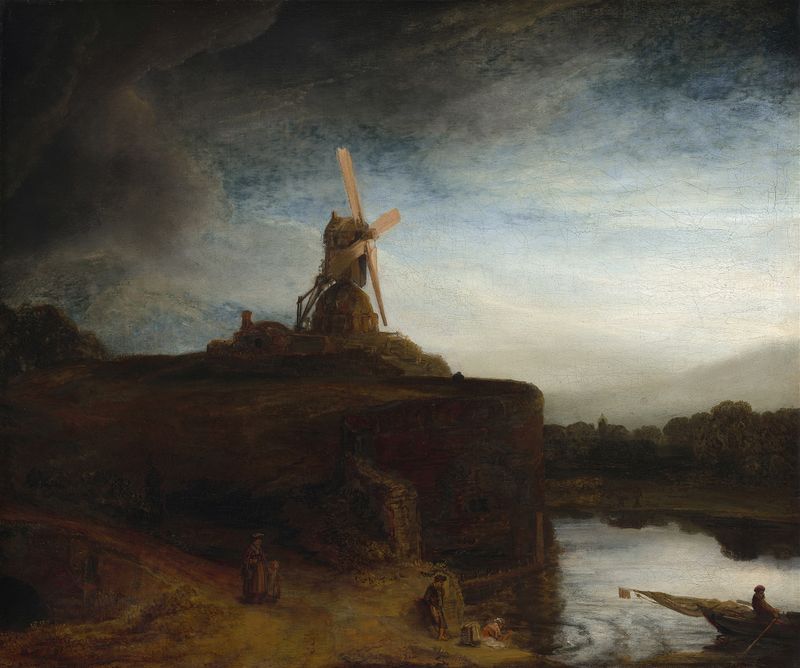
The Mill
Rembrandt van Rijn

The Sampling Officials of the Amsterdam Drapers’ Guild, Known as ‘The Syndics’
Rembrandt van Rijn

The return of the prodigal son
Rembrandt van Rijn
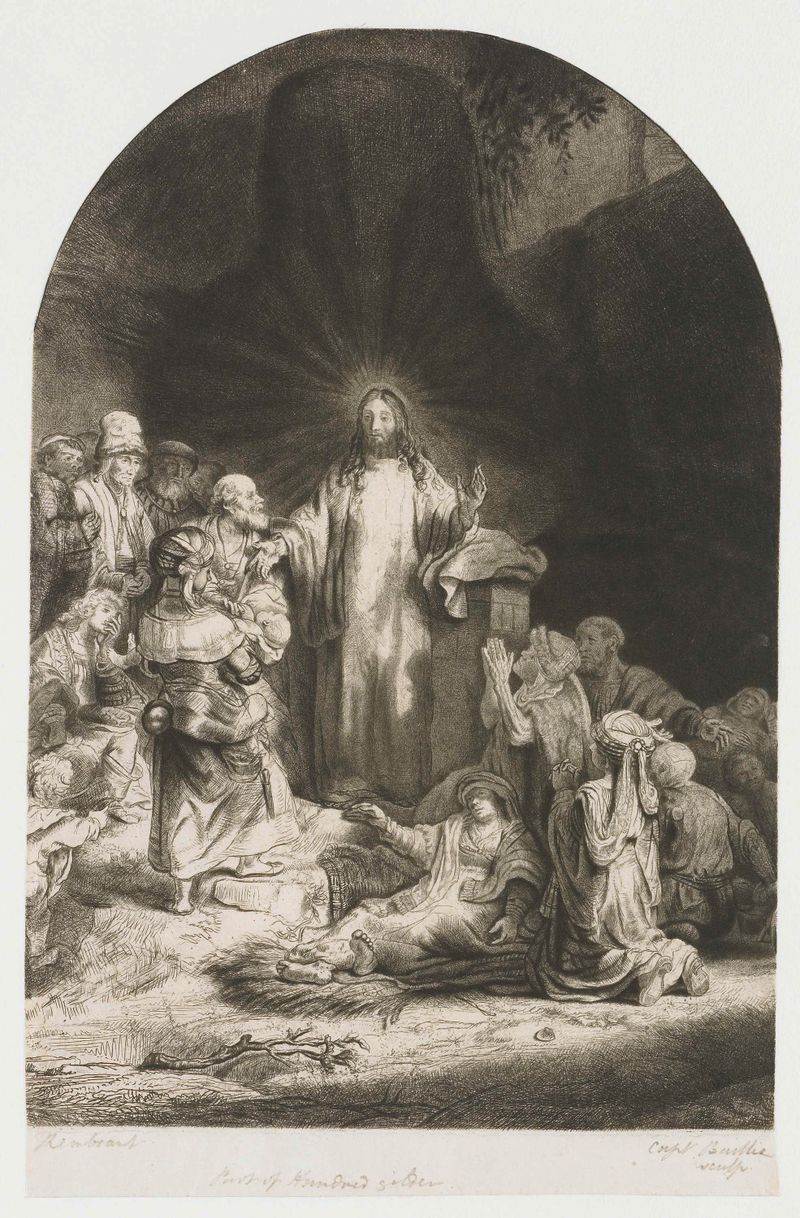
The Hundred Guilder Print: the central piece with Christ preaching, the plate arched
Rembrandt van Rijn

The Hundred Guilder Print: the man seen on the back in the lower left corner
Rembrandt van Rijn
More Portrait Art
Browse all →
Las meninas
Diego Velázquez

Self-portrait with a Bandaged Ear and Pipe
Unidentified artist

Girl with a Pearl Earring
Johannes Vermeer
The Sampling Officials of the Amsterdam Drapers’ Guild, Known as ‘The Syndics’
Rembrandt van Rijn
The Hundred Guilder Print: the man seen on the back in the lower left corner
Rembrandt van Rijn

Portrait of Dr Gachet
Vincent van Gogh